


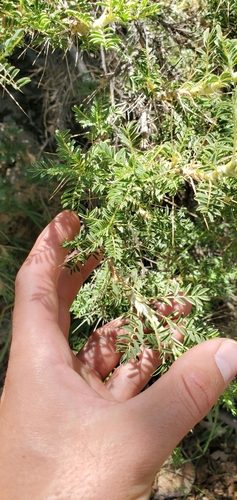
Tragacanth
Cushion-forming milkvetch of the Anatolian highlands; part of the mixed Astragalus flora that feeds colonies on summer migration.
- Nectar
- Medium
- Pollen
- Medium
- Flowering
- JanFebMarAprMayJunJulAugSepOctNovDec
- Height
- 0.3-0.8 m
- Life cycle
- Perennial
🐝 Add to my apiary
Log in to add it to your apiary.Value for beekeeping
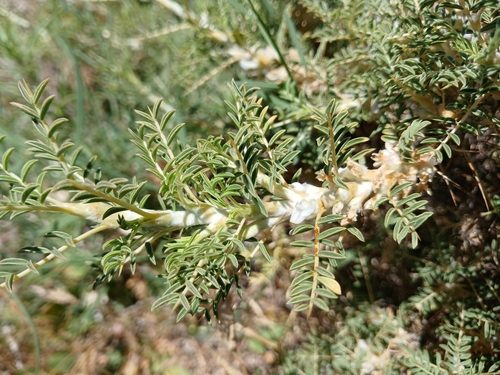
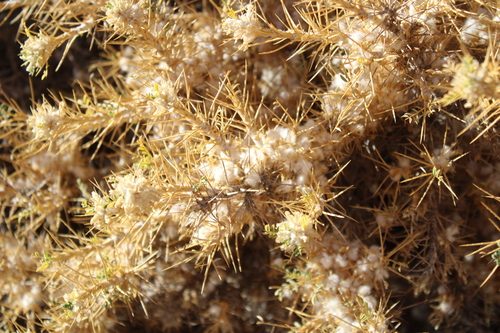
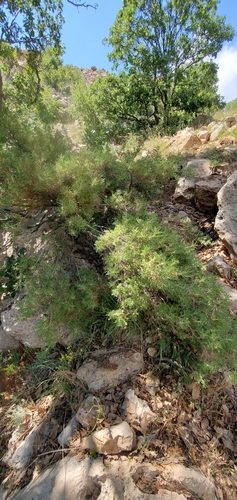
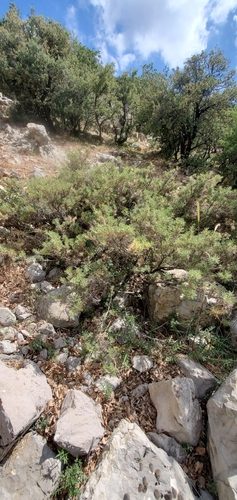
Tragacanth is a milkvetch that forms spiny, cushion-shaped clumps on the dry mountain steppes of central and eastern Anatolia and Iran. Its small flowers, whitish to pale yellow, open hidden among the leaves and spines. Honey bees visit it for nectar and pollen; it matters not on its own but as part of the overall cover formed by the many milkvetch species that clothe the slopes.
Flowering
Depending on altitude it flowers in June–July. Nectar secretion is better on warm, sunny days following a wet spring.
Honey and pollen
The honeys sold in eastern Anatolia as geven (milkvetch) honey are a blend of many Astragalus species; no monofloral honey specific to this species is known. Honeys dominated by milkvetch are usually light in colour and mildly sweet.
Note for the beekeeper
It has been gathered throughout history for the tragacanth gum that oozes from its stems, and overharvesting and grazing have thinned it out in many places. On migration to the highland pastures, choosing slopes with dense milkvetch and light grazing improves yields.