

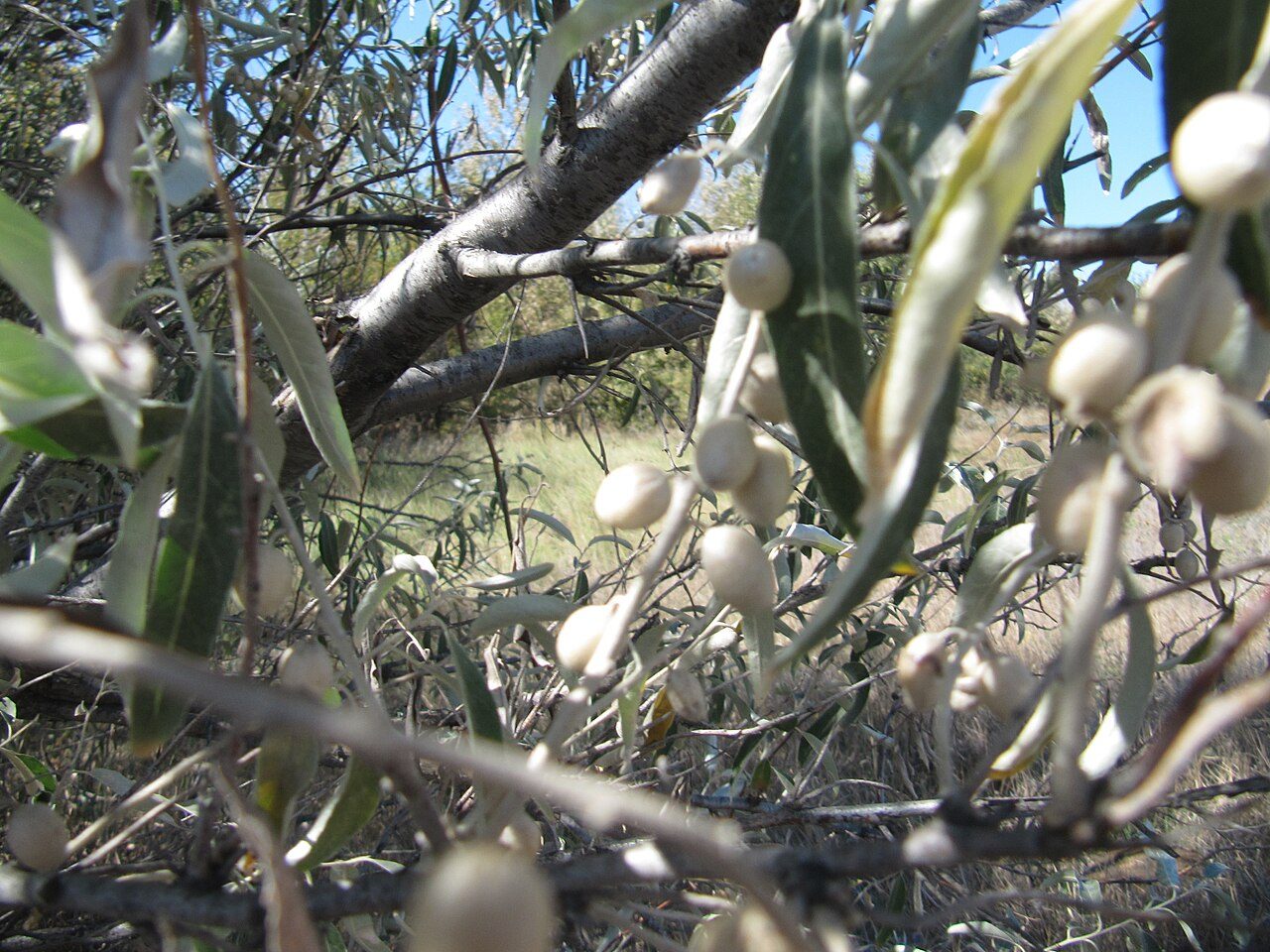
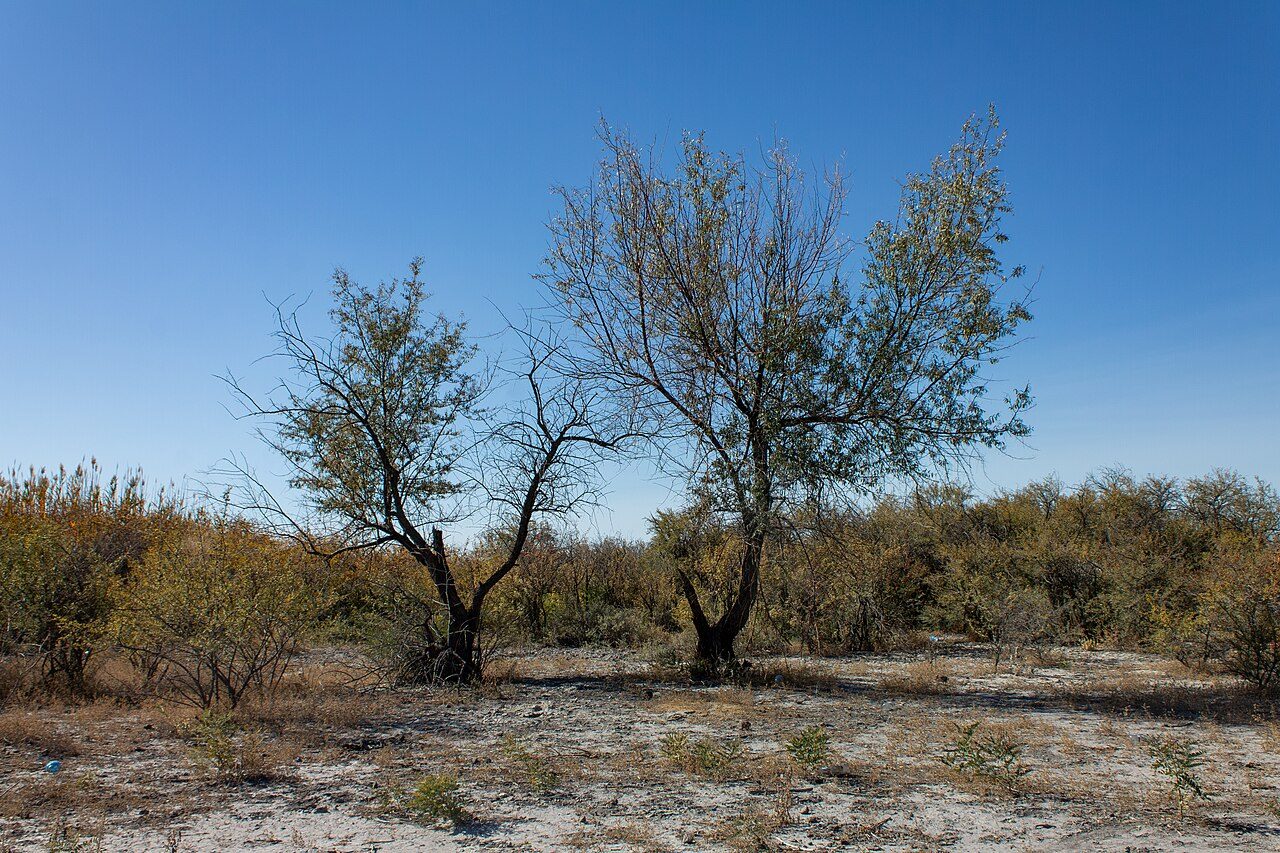
Russian olive
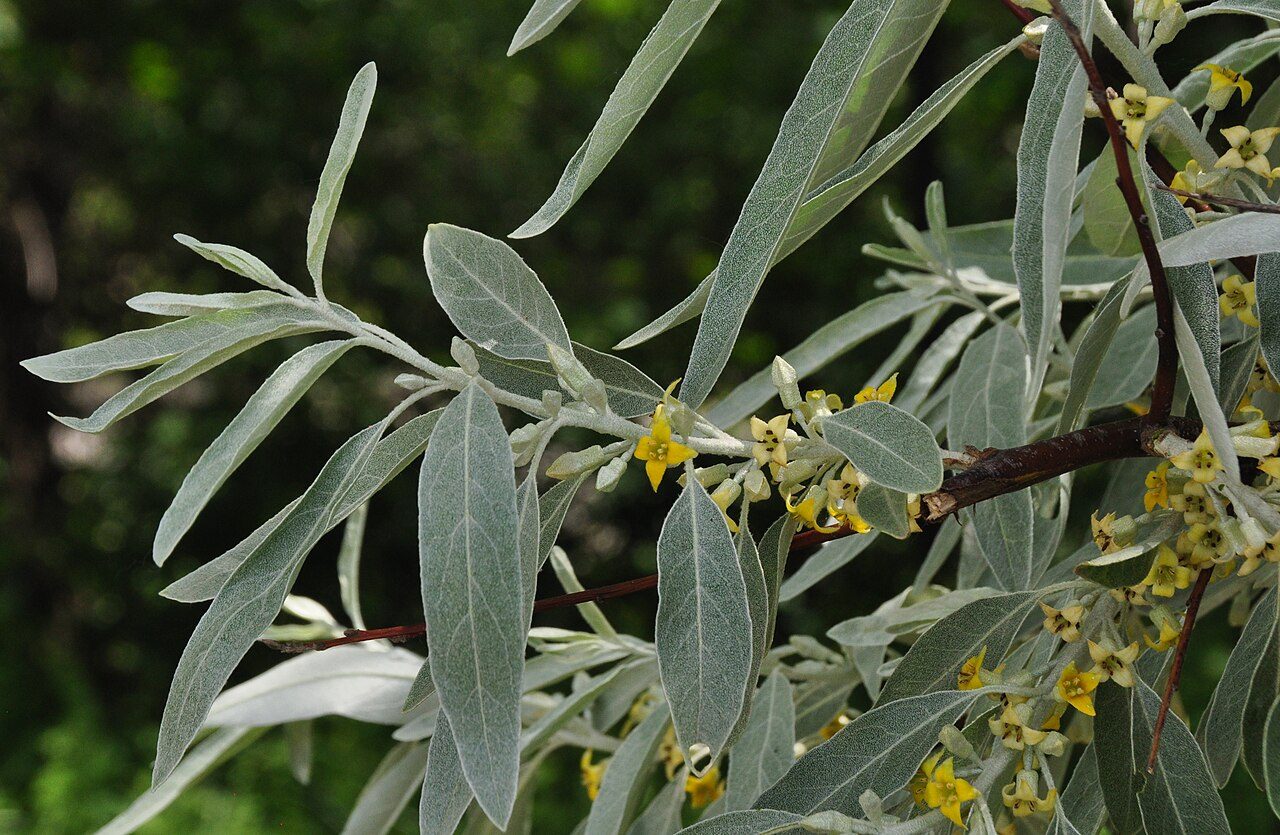
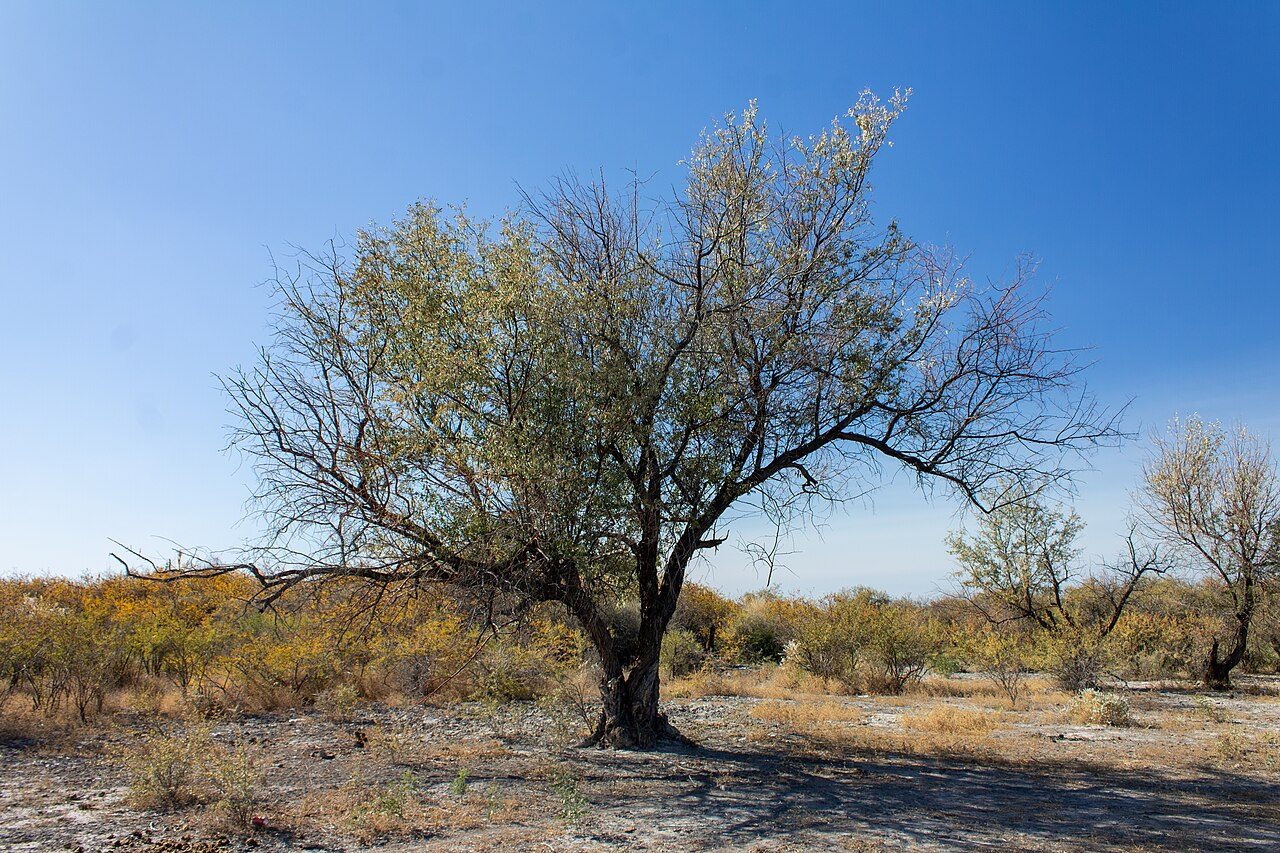
Drought- and salt-tolerant small tree with very fragrant flowers in May-June; it bridges the gap between acacia and the summer flow.
- Nectar
- Good
- Pollen
- Medium
- Flowering
- JanFebMarAprMayJunJulAugSepOctNovDec
- Height
- 4-7 m
- Life cycle
- Perennial
🐝 Add to my apiary
Log in to add it to your apiary.Value for beekeeping
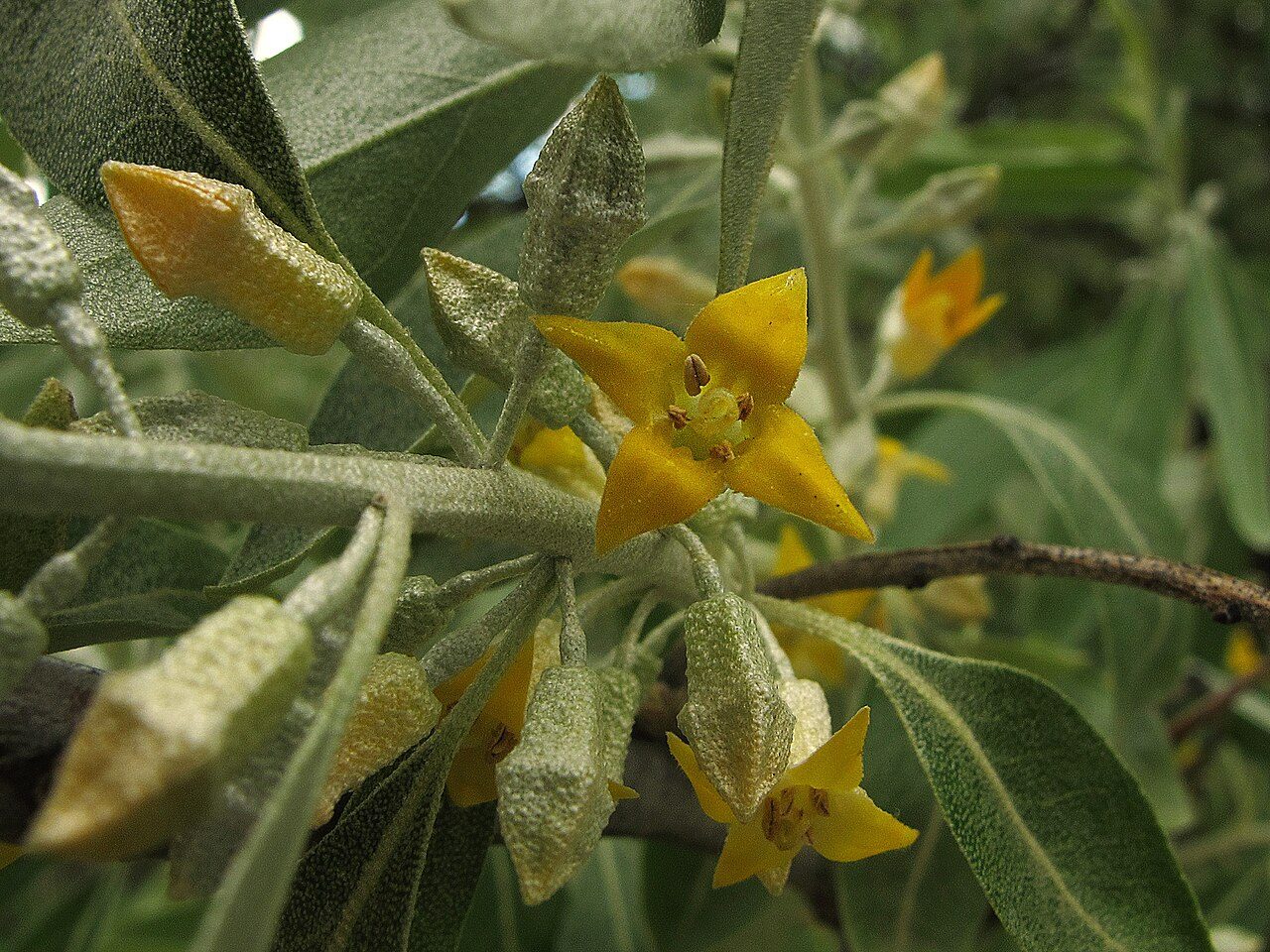
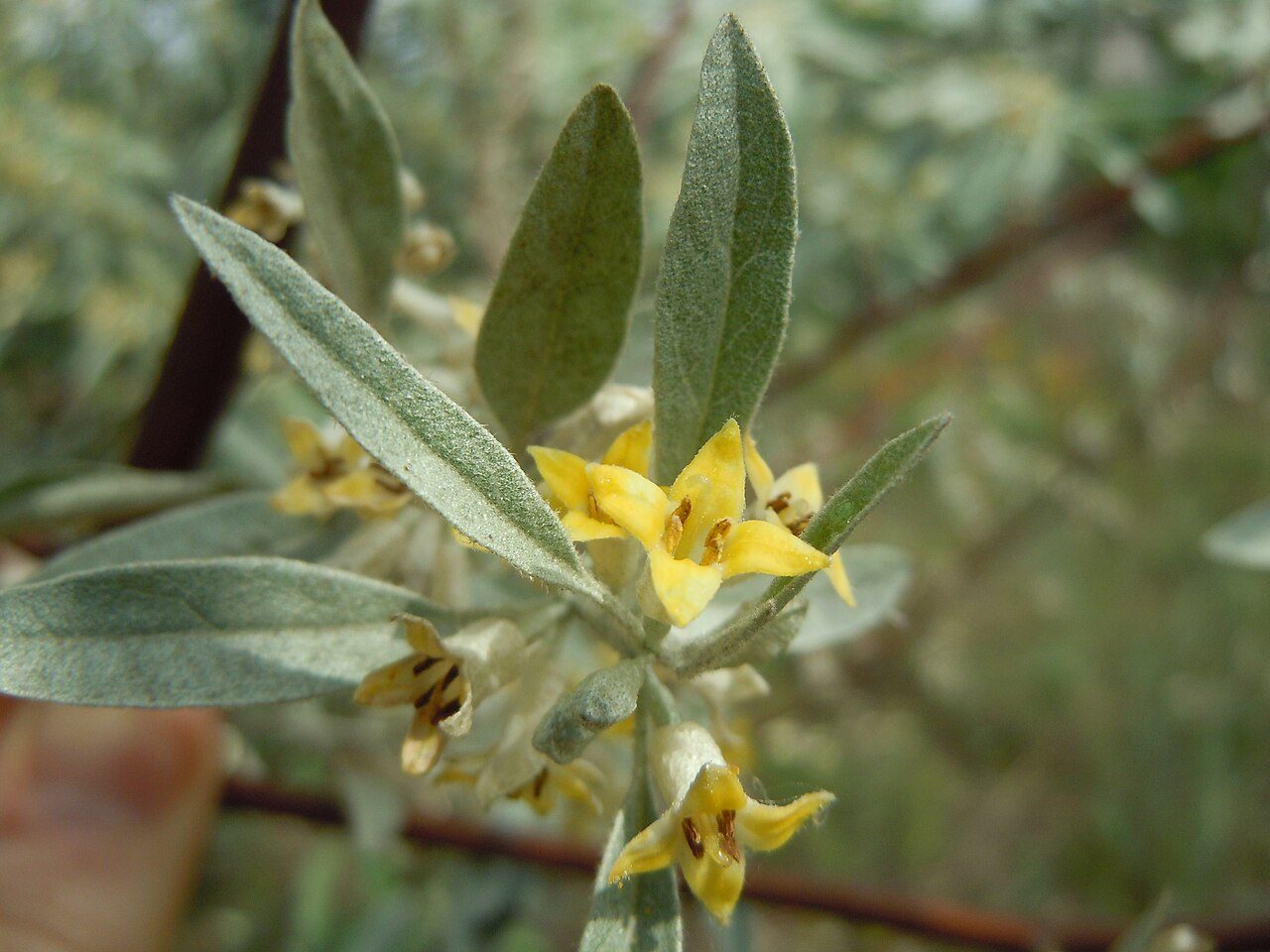
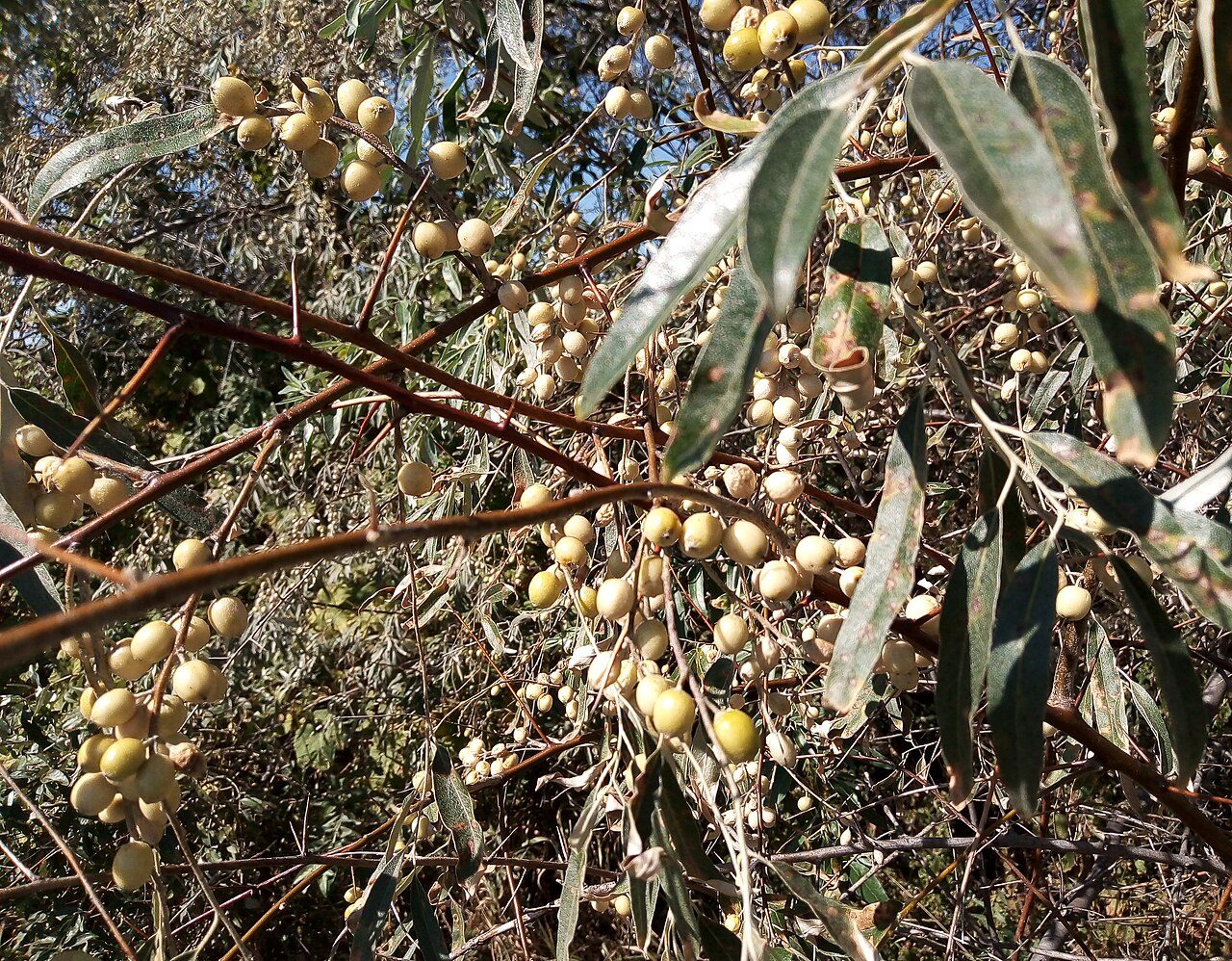
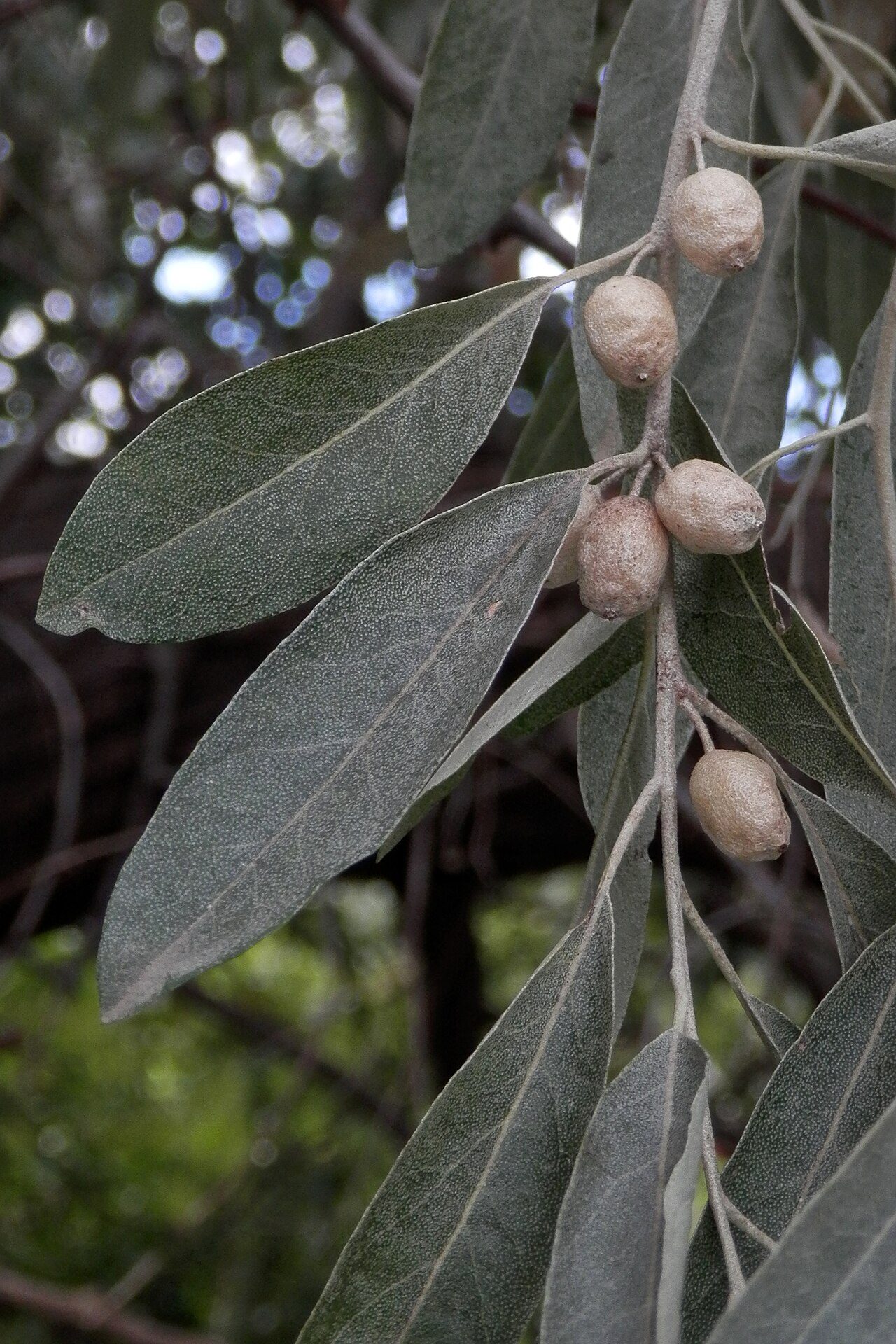
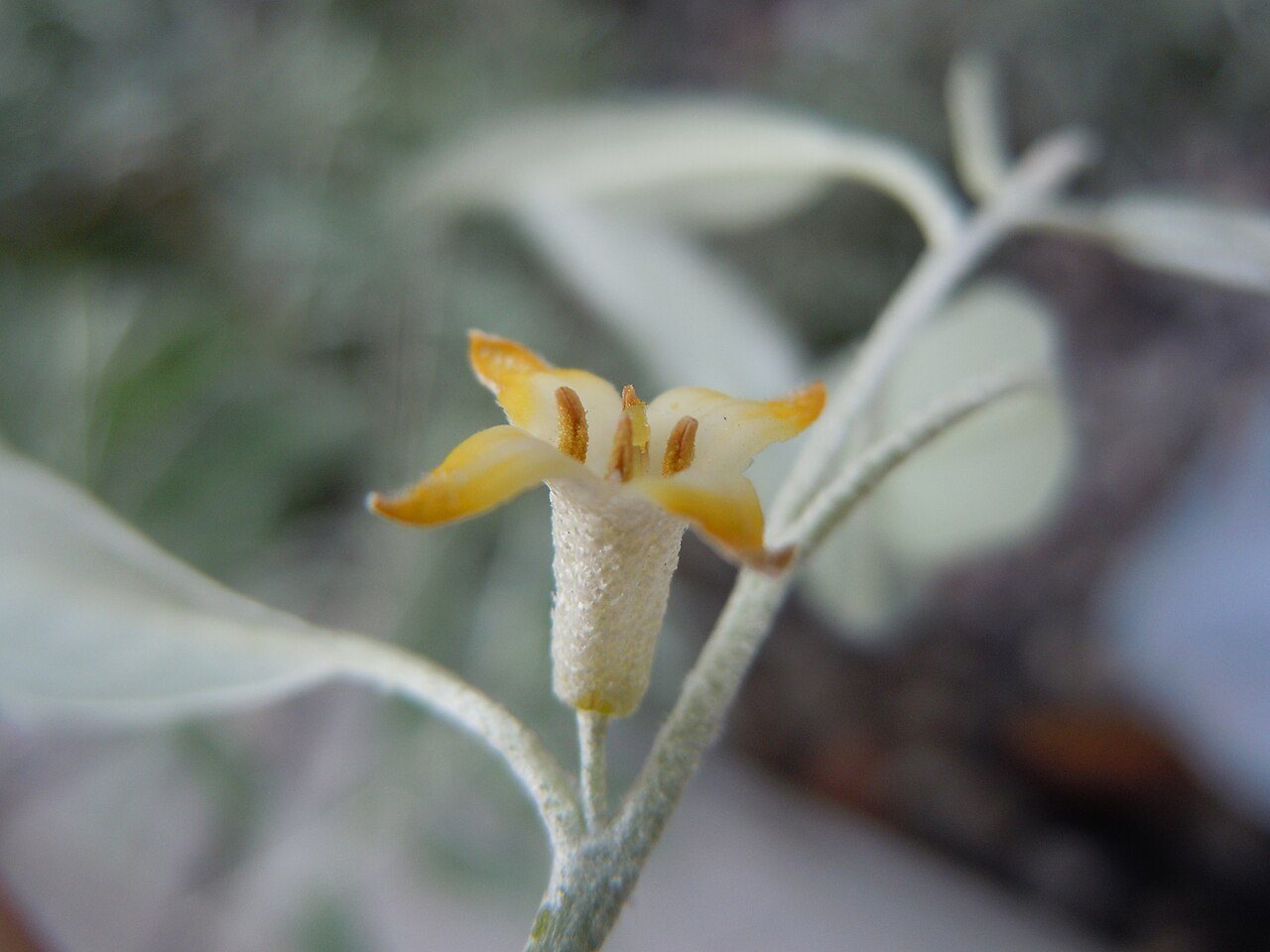
Russian olive is a small tree, tolerant of drought and saline soils, that opens small yellow flowers with a very strong, sweet scent in late May. The flowers give both nectar and pollen, and the scent attracts bees from a distance. It is common around villages, along roadsides and in windbreaks in Central and Eastern Anatolia and in Central Asia.
Flowering
It flowers for about 2-3 weeks in May-June and supports the period between acacia and the summer flow.
Honey and pollen
A separate Russian olive honey is not commonly produced; its nectar goes into mixed spring and summer honeys and can give them its scent. Pollen is collected in moderate amounts.
Note for the beekeeper
It is a useful species for beekeepers when planting saline, sandy and dry land; thanks to the bacteria in its roots, it fixes nitrogen. It is invasive in North America, so planting it there is not recommended; in Turkey it has long been an established cultivated tree.