


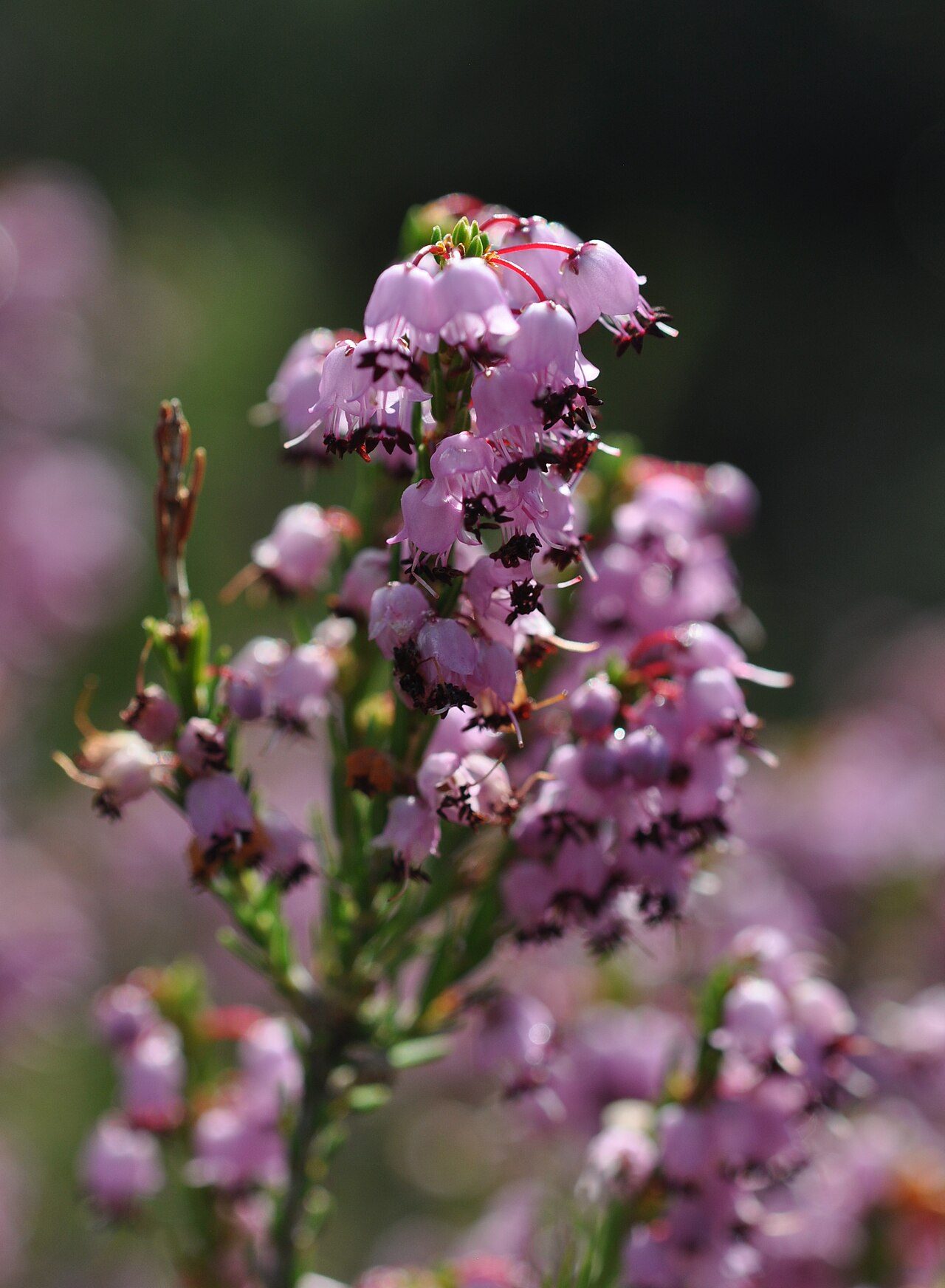
Erica manipuliflora
Autumn heath of the Aegean and Mediterranean; fresh nectar and pollen before winter help raise winter bees, and it gives amber honey that sets quickly.
- Nectar
- Good
- Pollen
- Good
- Flowering
- JanFebMarAprMayJunJulAugSepOctNovDec
- Crystallisation
- Fast
- Height
- 0.3-1 m
- Life cycle
- Perennial
🐝 Add to my apiary
Log in to add it to your apiary.Value for beekeeping
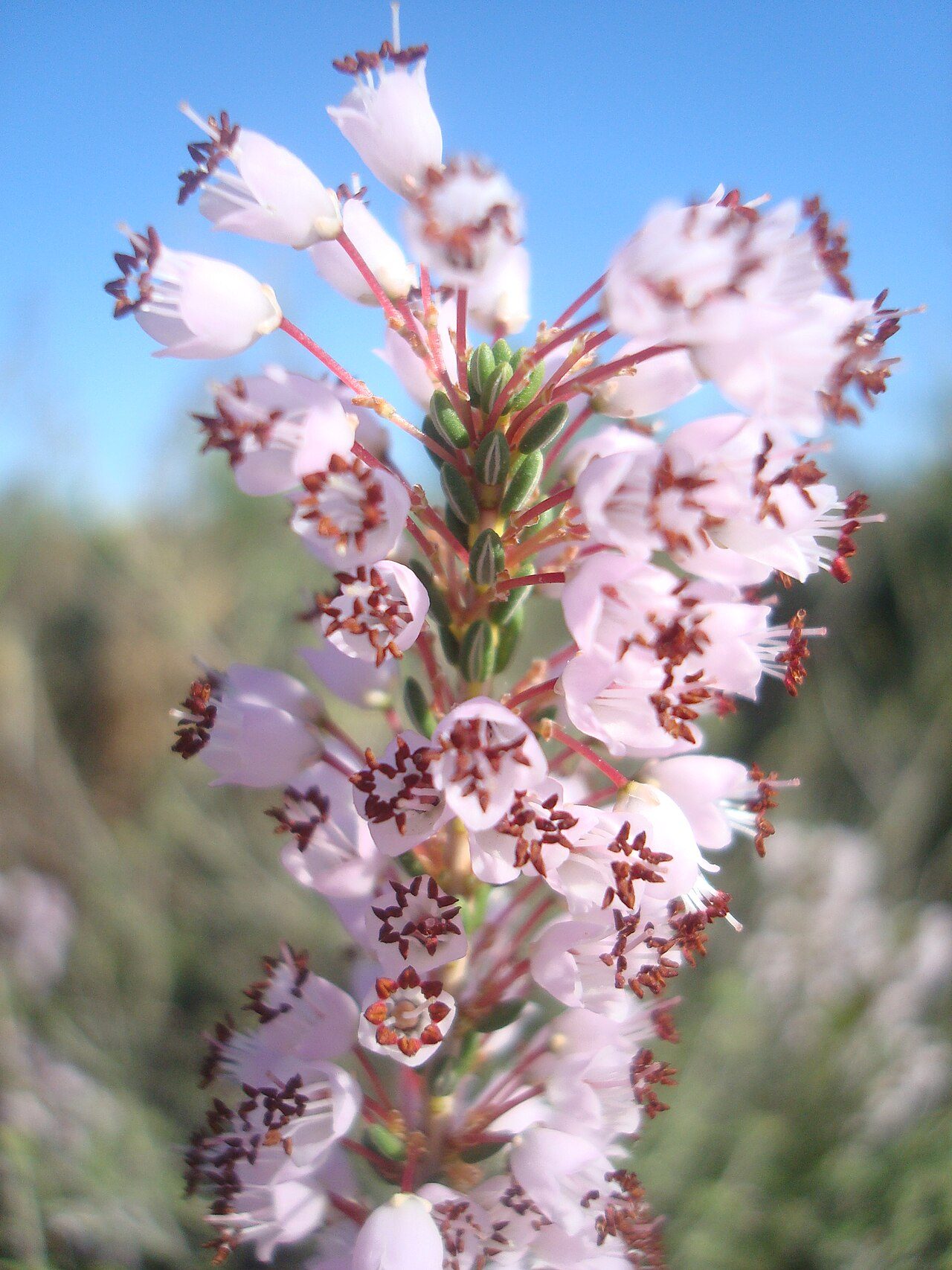
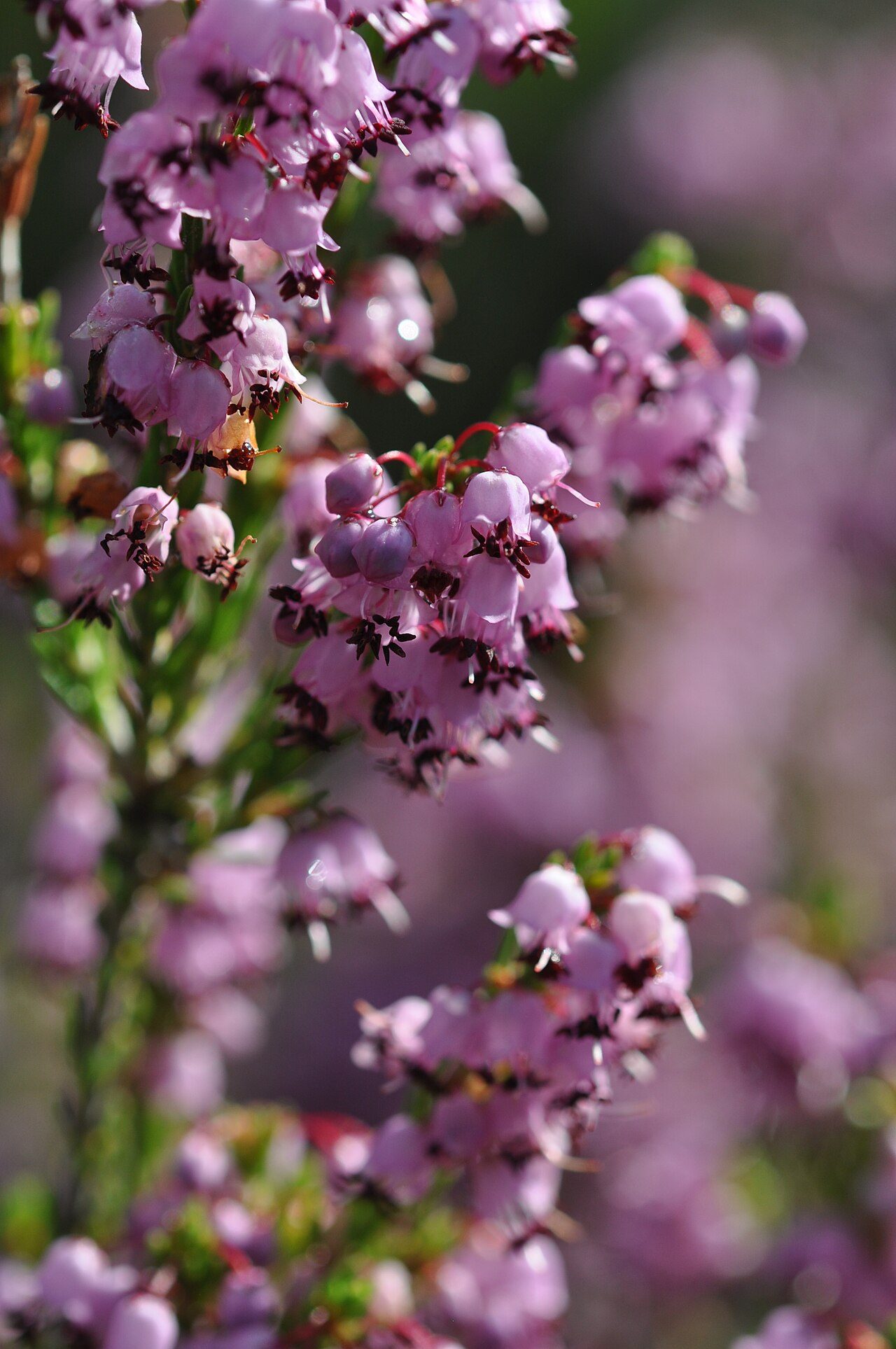
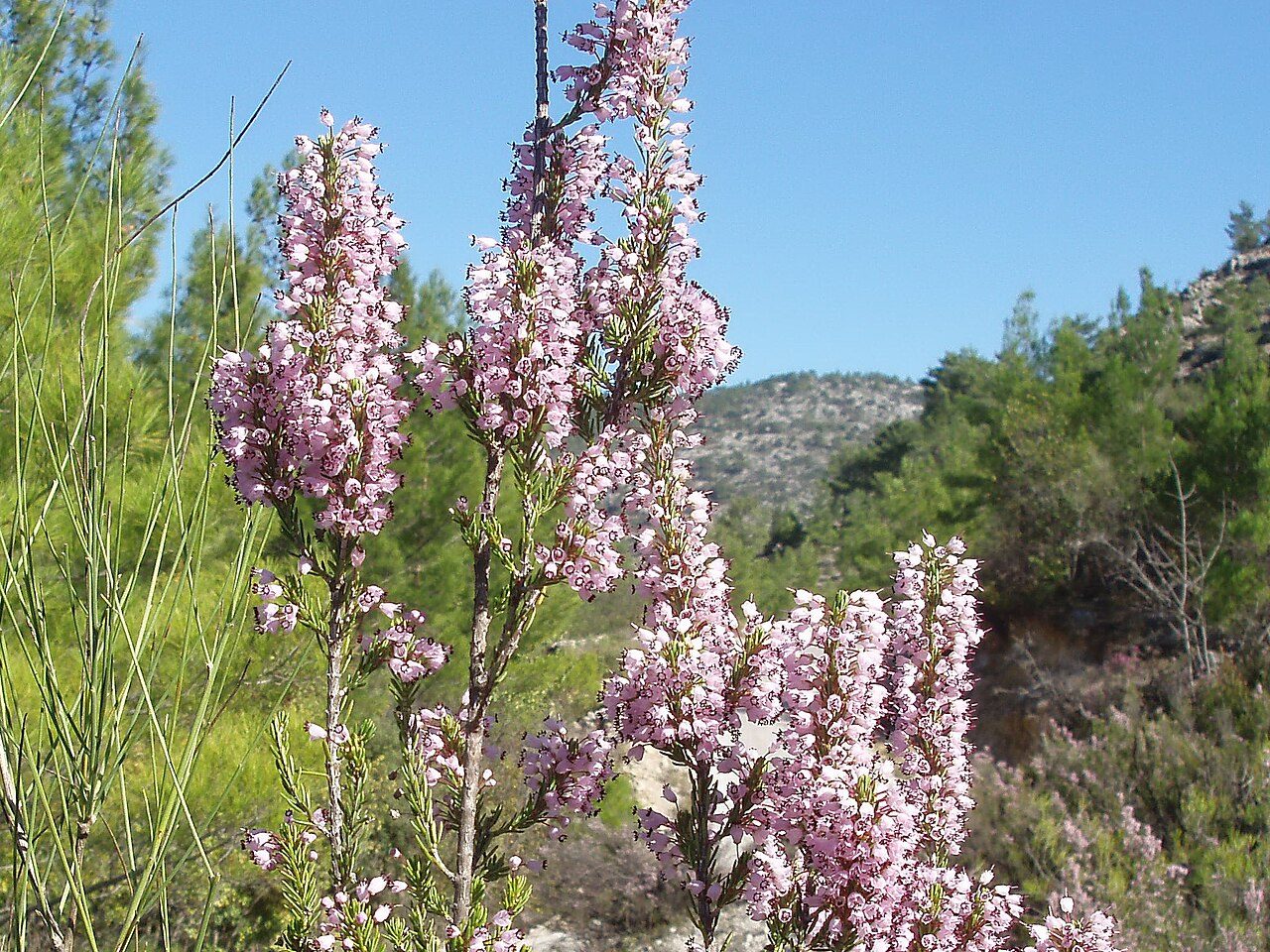
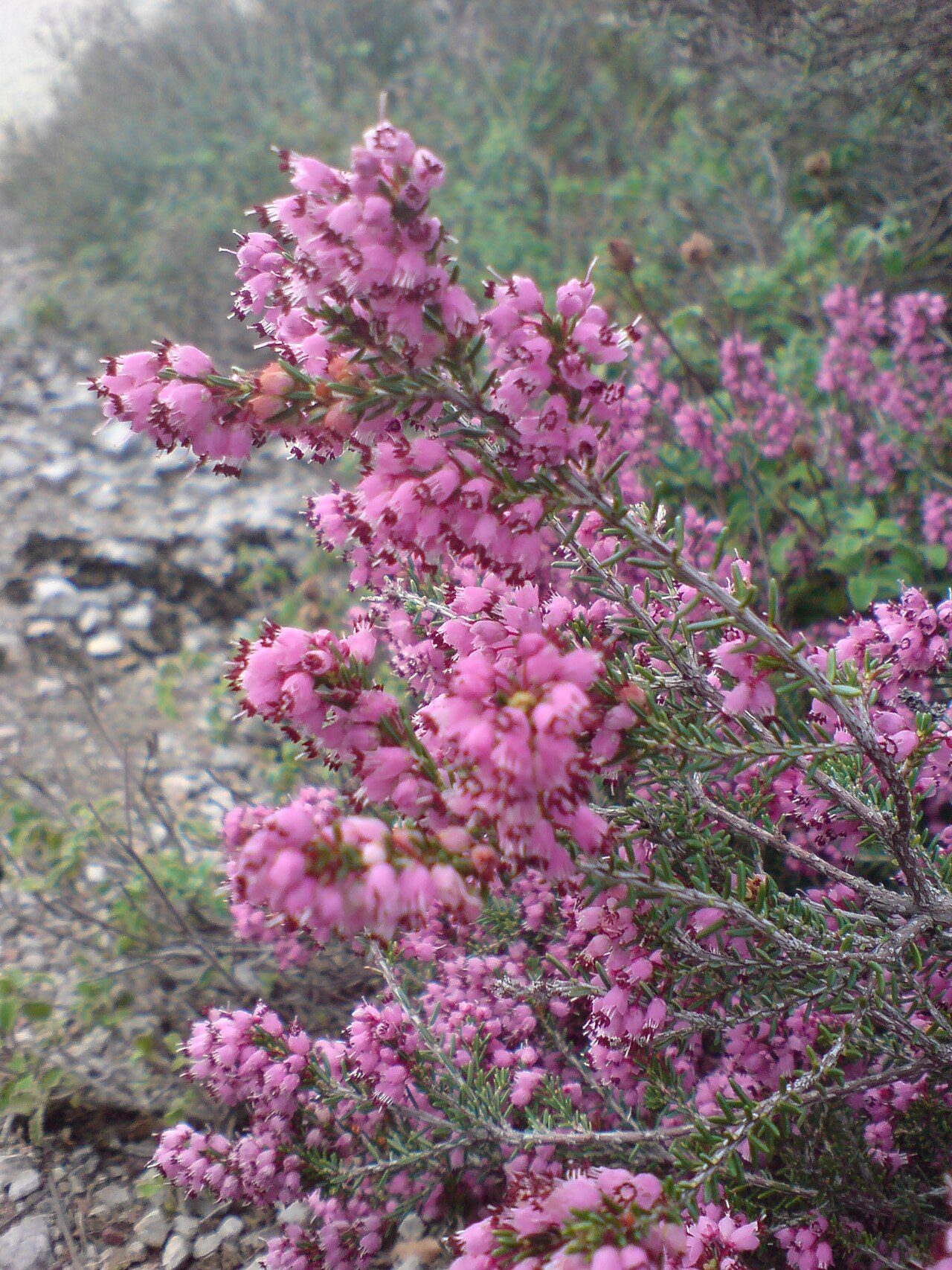
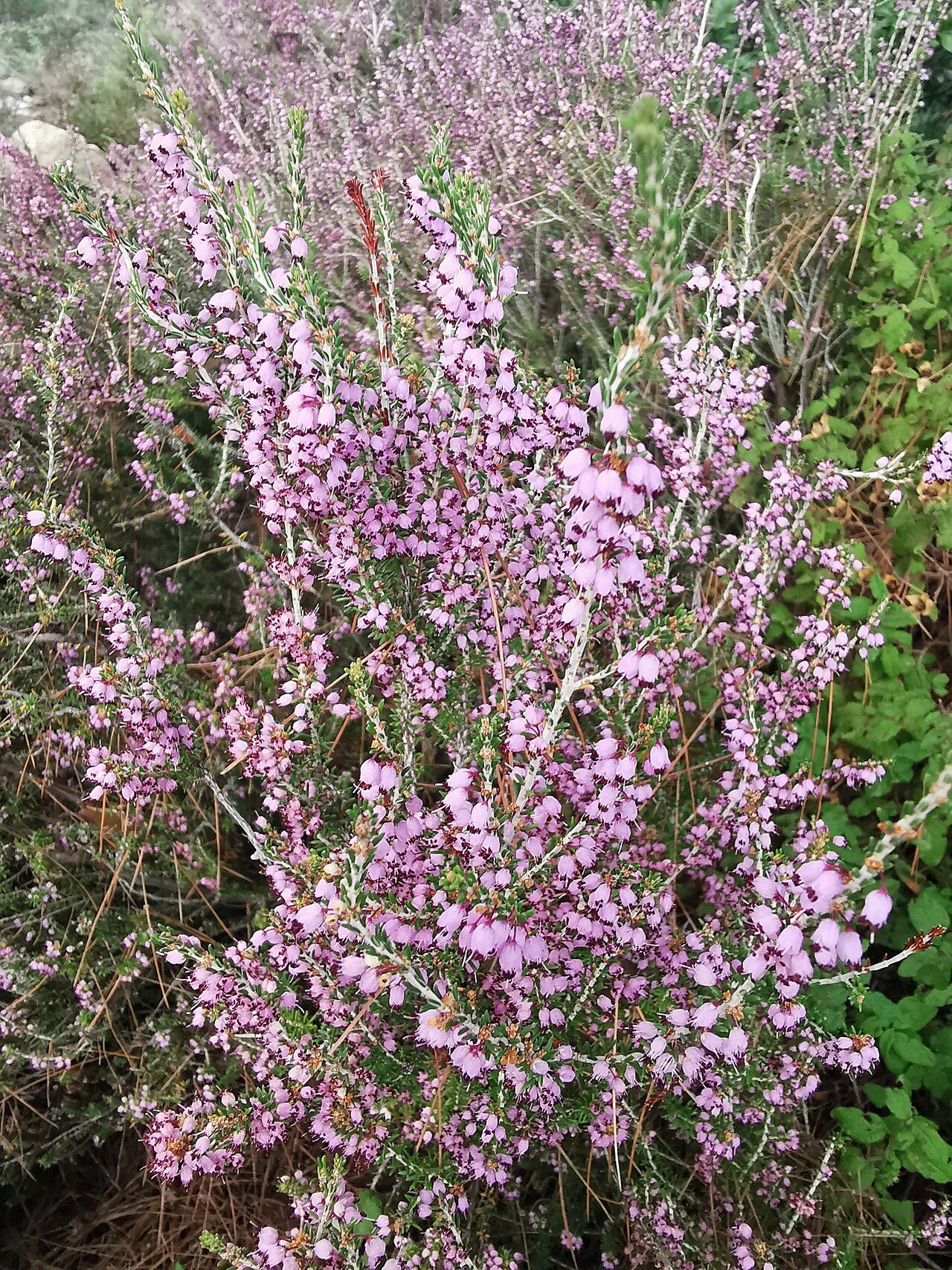
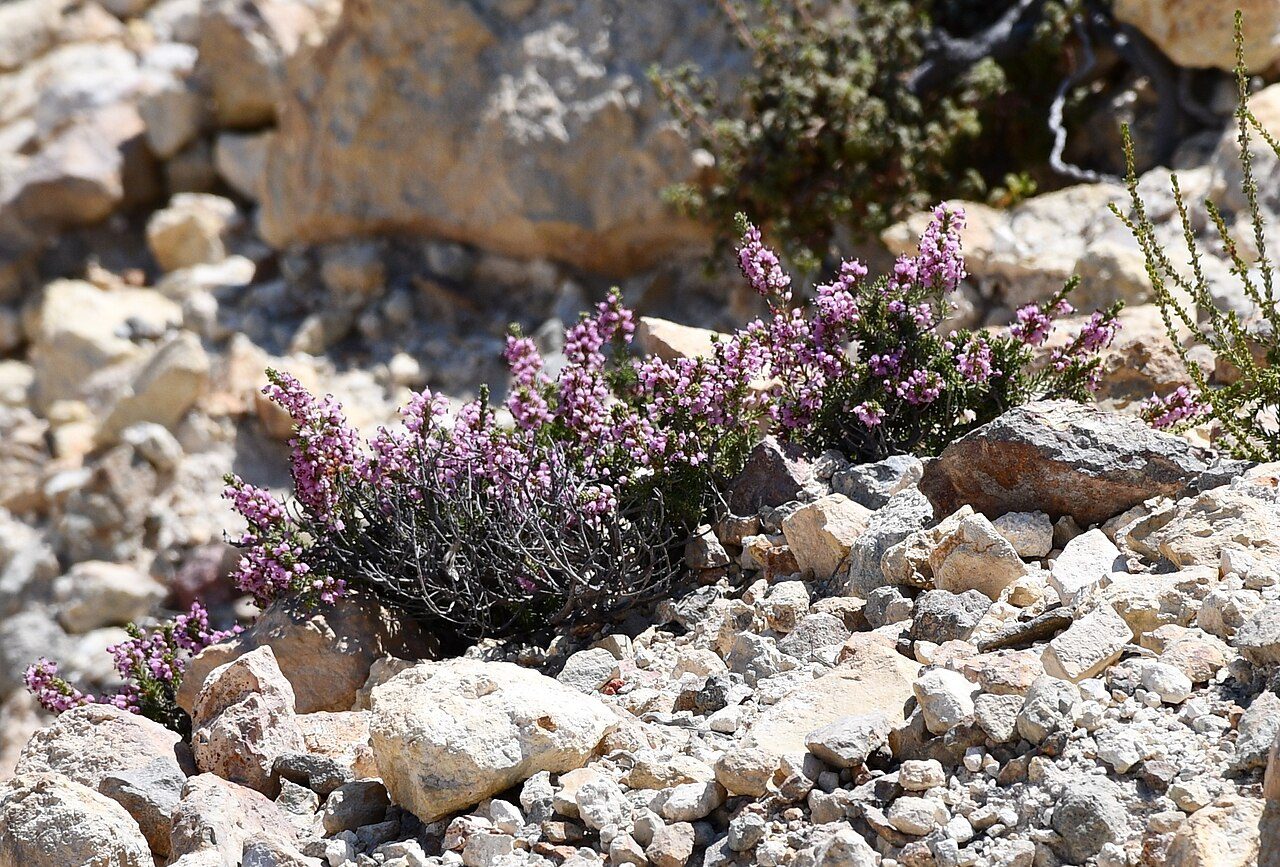
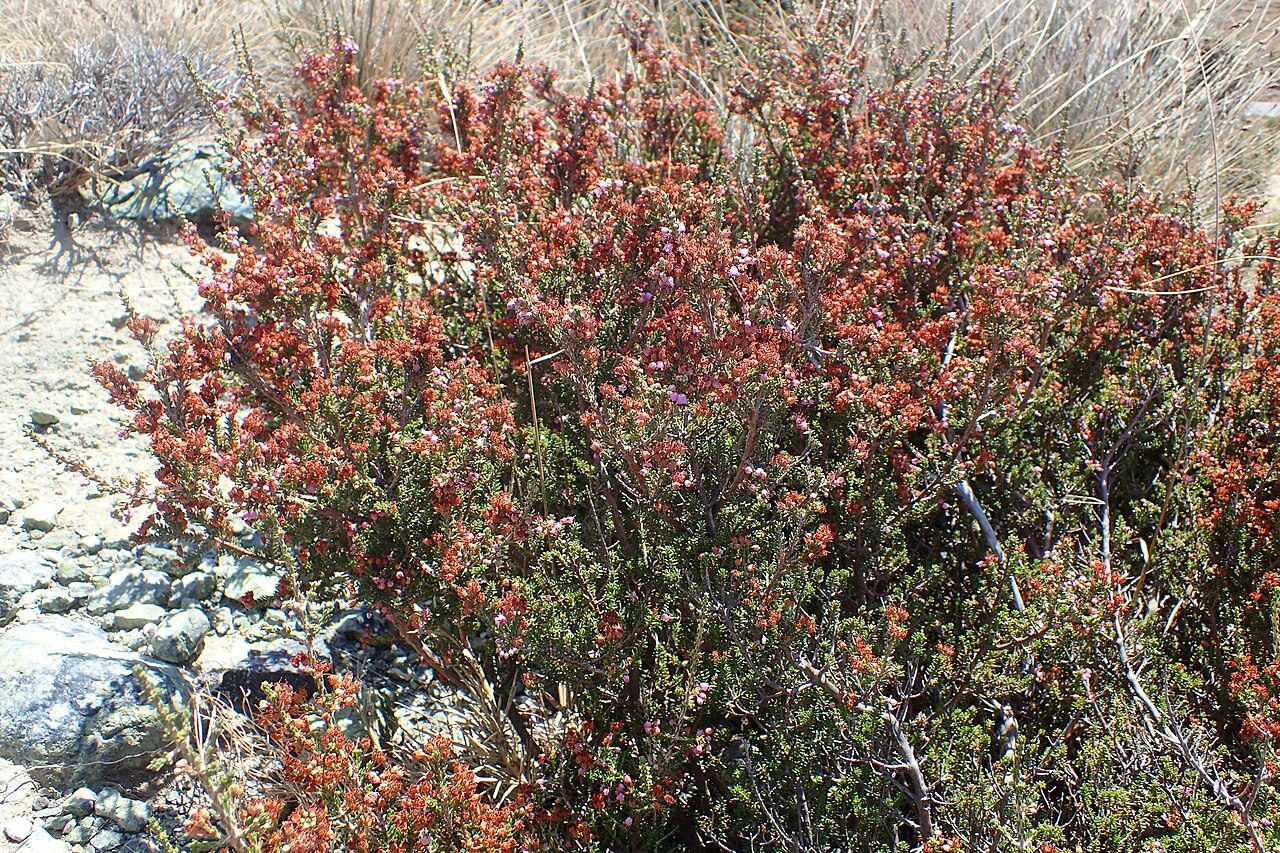
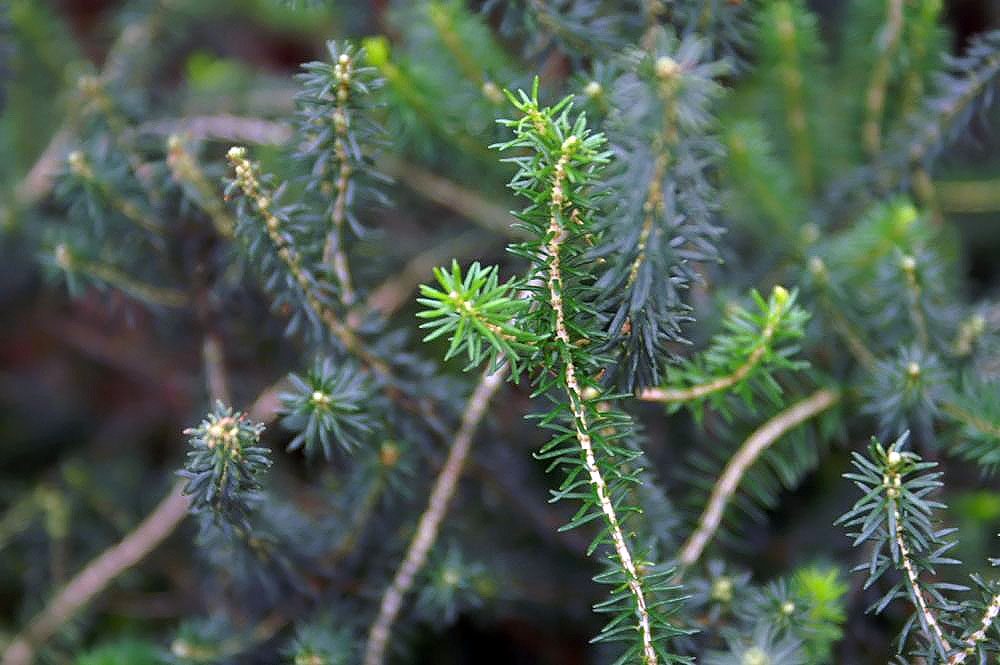
Erica manipuliflora is a heather shrub common under the Turkish pine forests and in the maquis of the Aegean and Mediterranean coasts. Because it flowers in autumn, after the summer drought, it gives bees fresh nectar and pollen before winter; this is very valuable for rearing winter brood and long-lived winter bees.
Flowering
It flowers from late August to November, most heavily in September-October. The first autumn rains and humid weather increase secretion; in a dry autumn the flow stays weak. The period overlaps with the pine honeydew flow.
Honey and pollen
Heather honey from this species ranges from amber to dark amber, with a distinctive sharp scent and a slightly astringent taste. It crystallises quickly with a coarse grain; when mixed into pine honey it can make that set too. Pollen is collected in abundance.
Note for the beekeeper
Beekeepers who move to Muğla and Aydın for pine honey also benefit from the heather flow. Because it sets quickly, honey with a high share of this heather should be extracted without delay.