


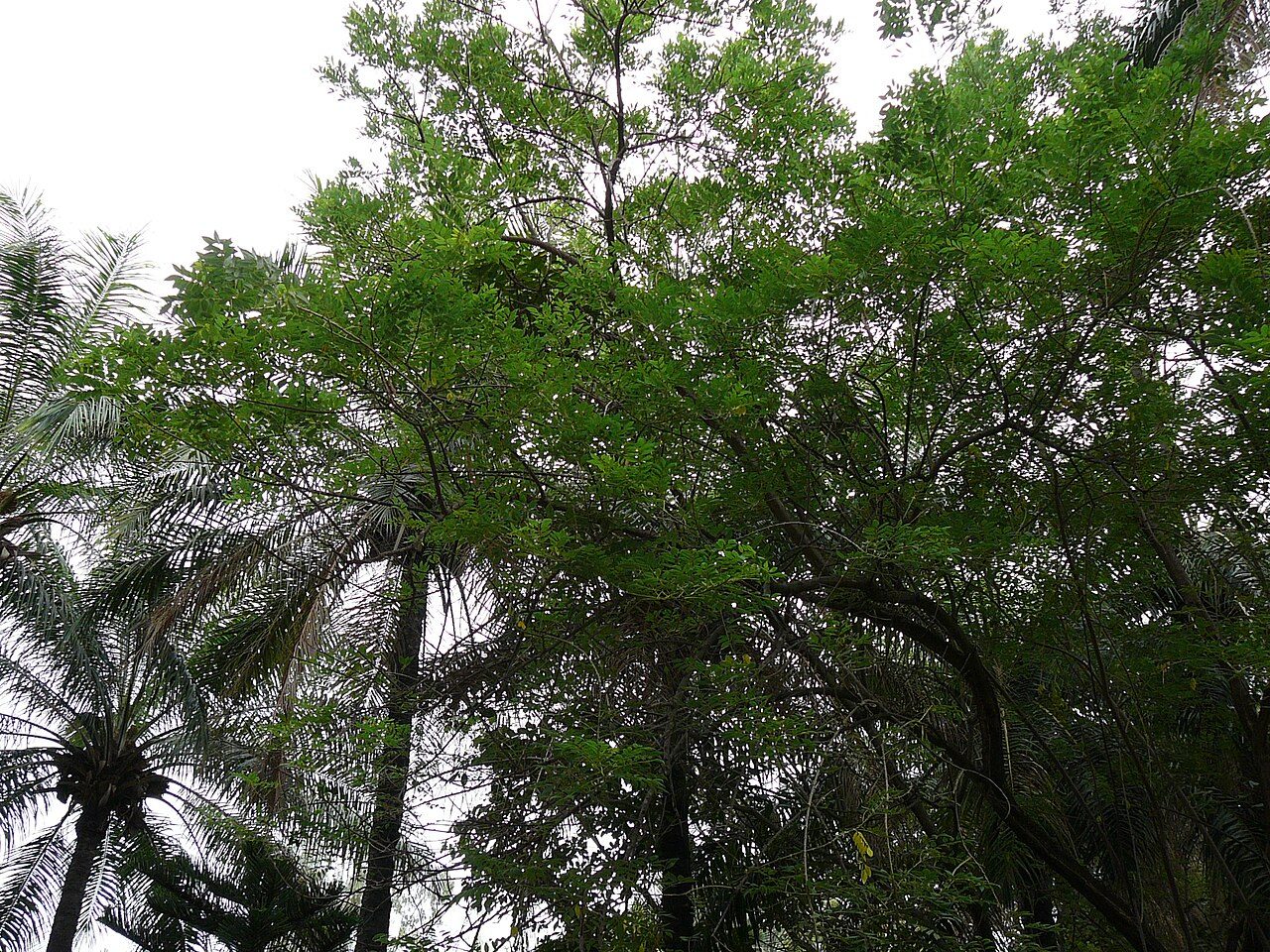
Gliricidia
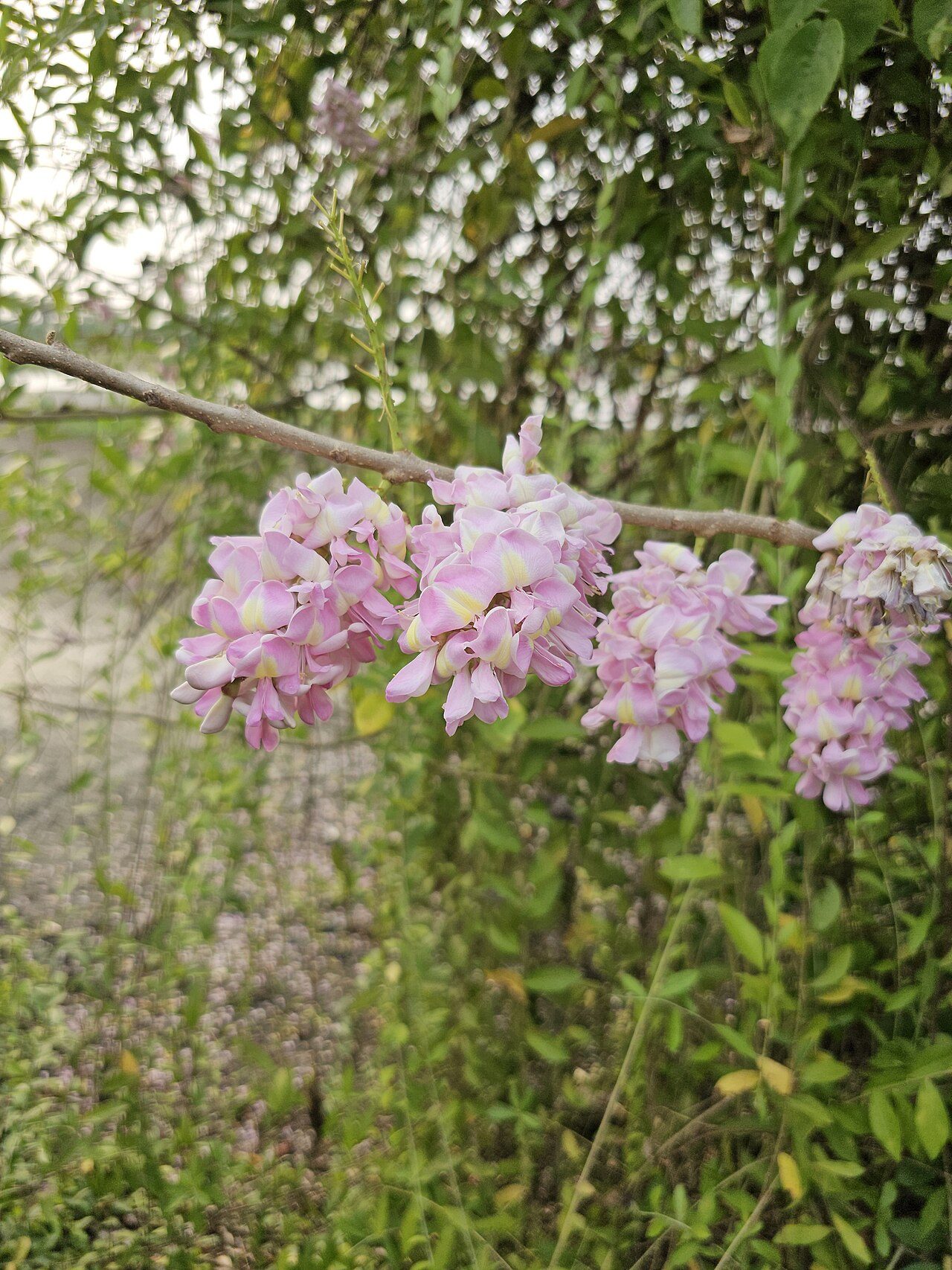
A legume spread through the tropics as a living fence and shade tree; in the dry season its pink flowers cover bare branches and give ample nectar.
- Nectar
- Good
- Pollen
- Medium
- Flowering
- JanFebMarAprMayJunJulAugSepOctNovDec
- Height
- 10-12 m
- Life cycle
- Perennial
🐝 Add to my apiary
Log in to add it to your apiary.Value for beekeeping
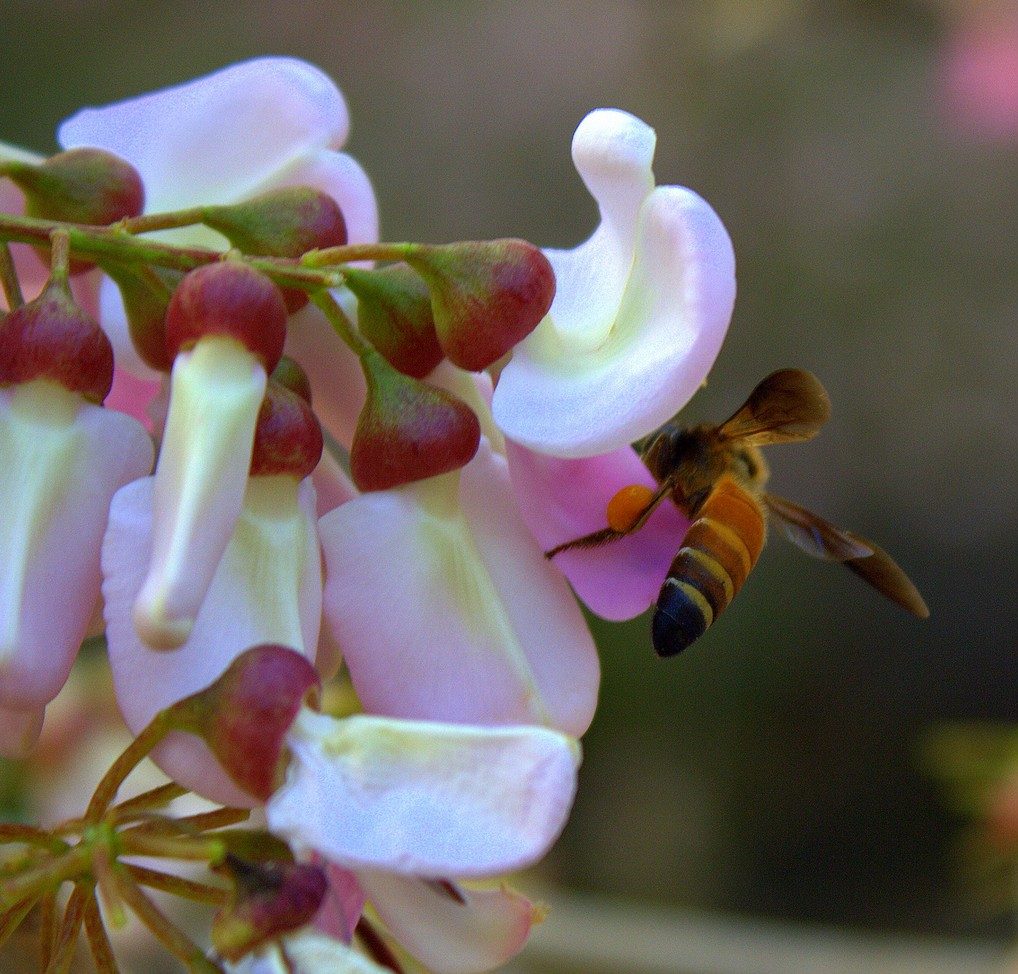
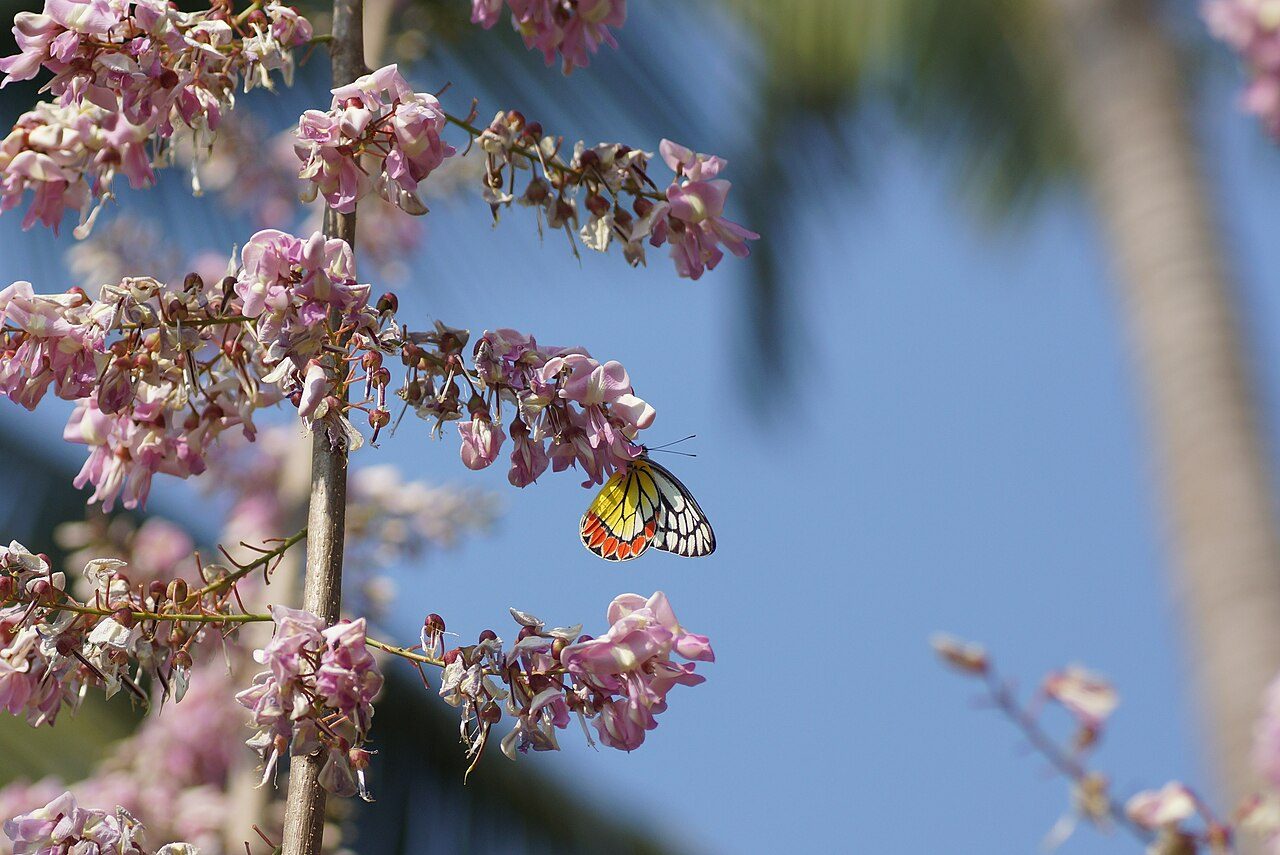
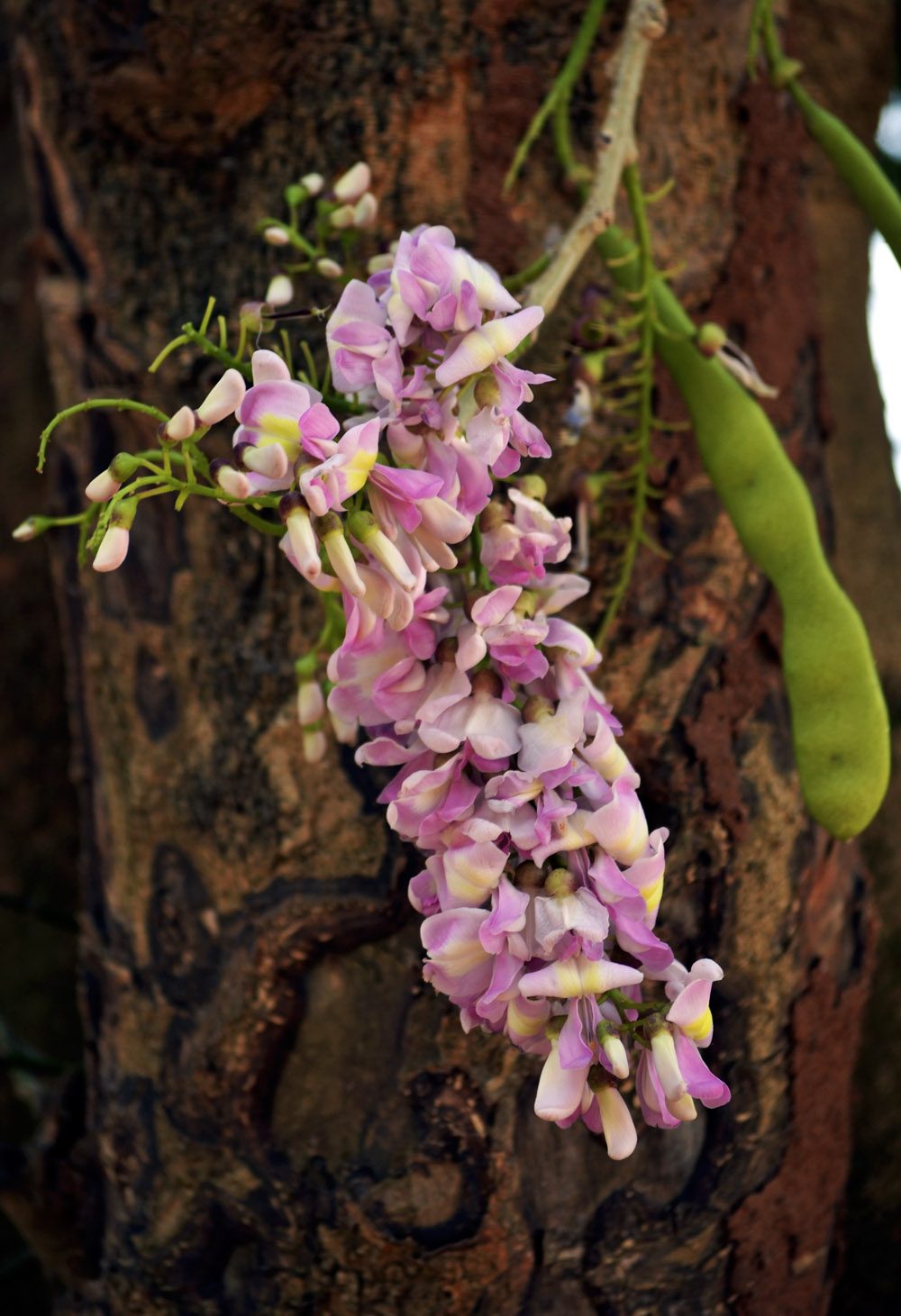
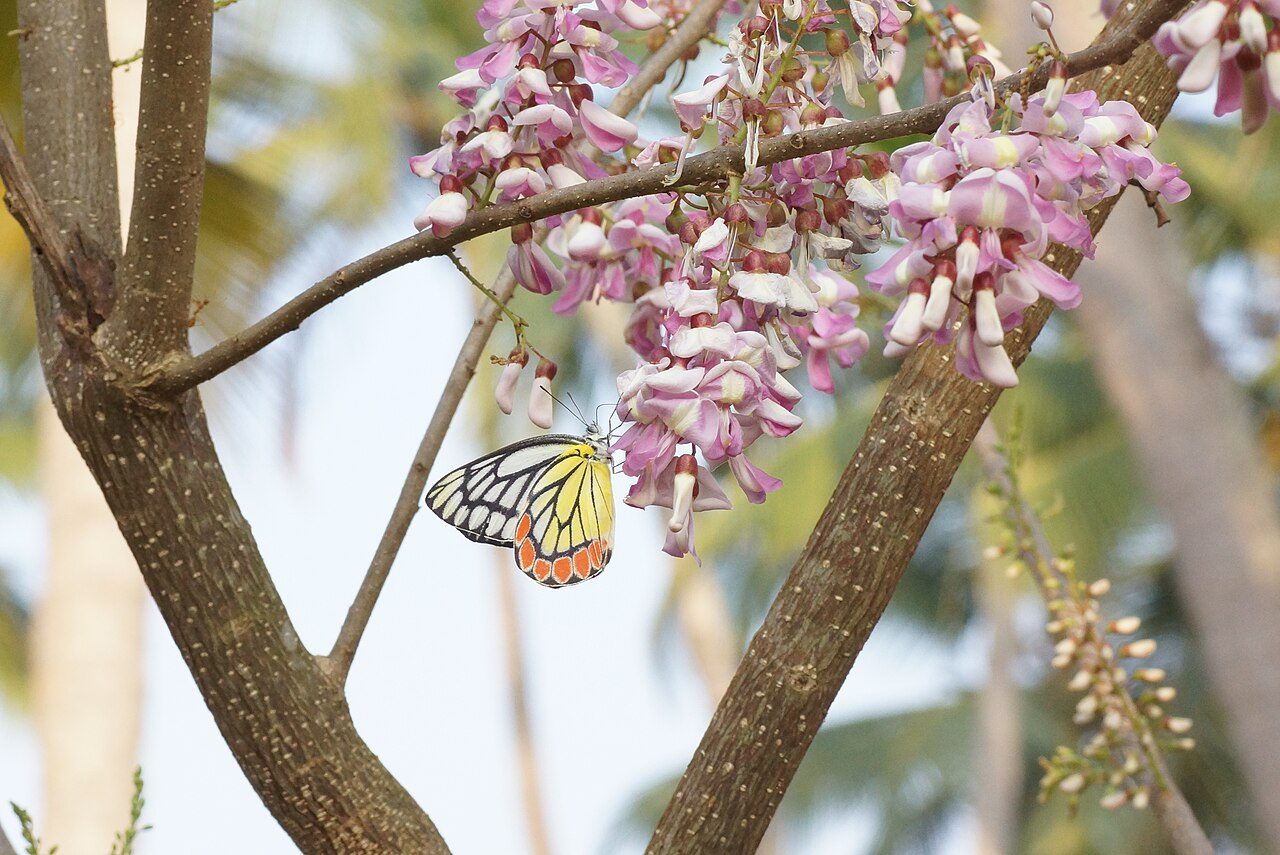
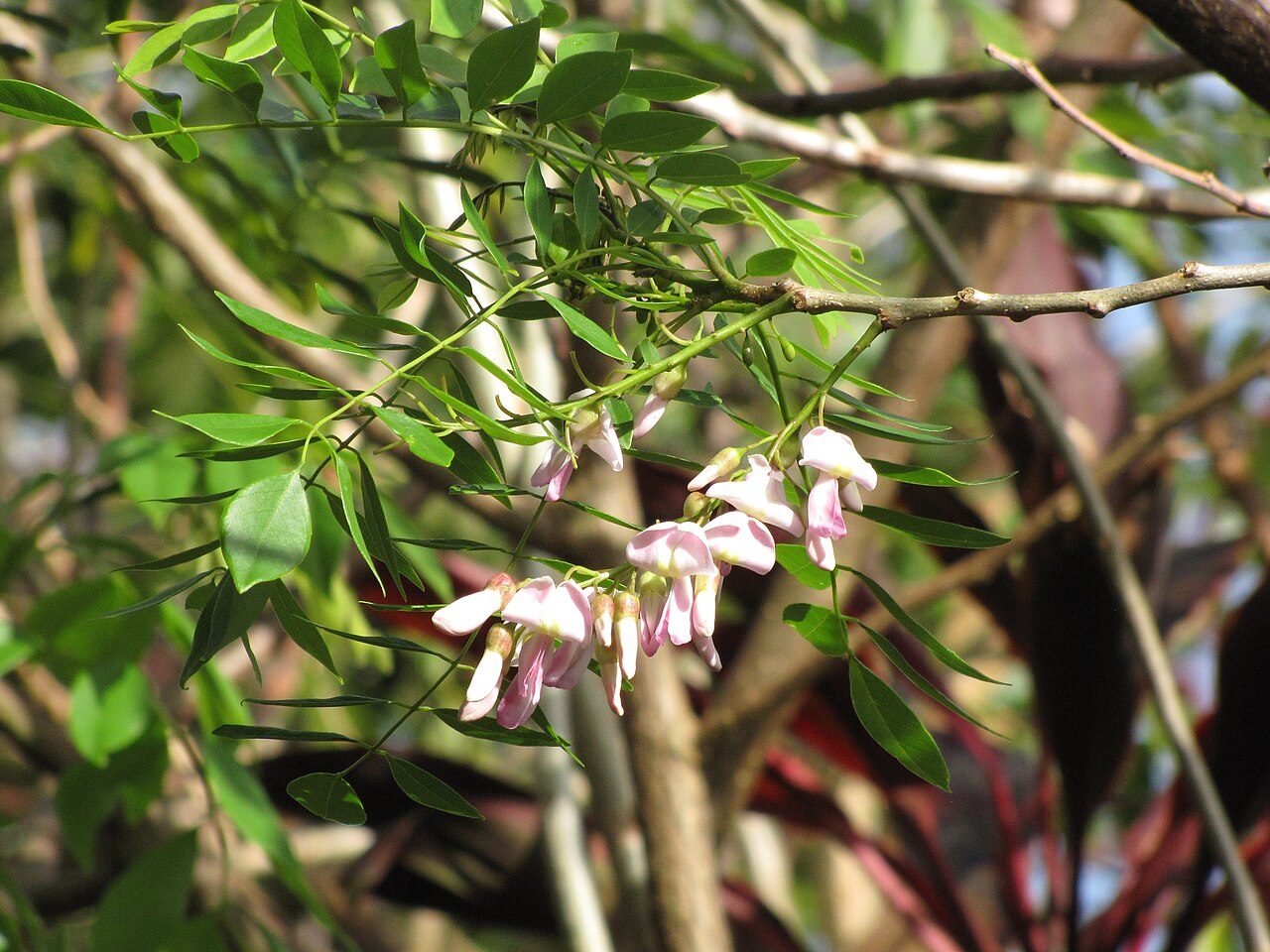
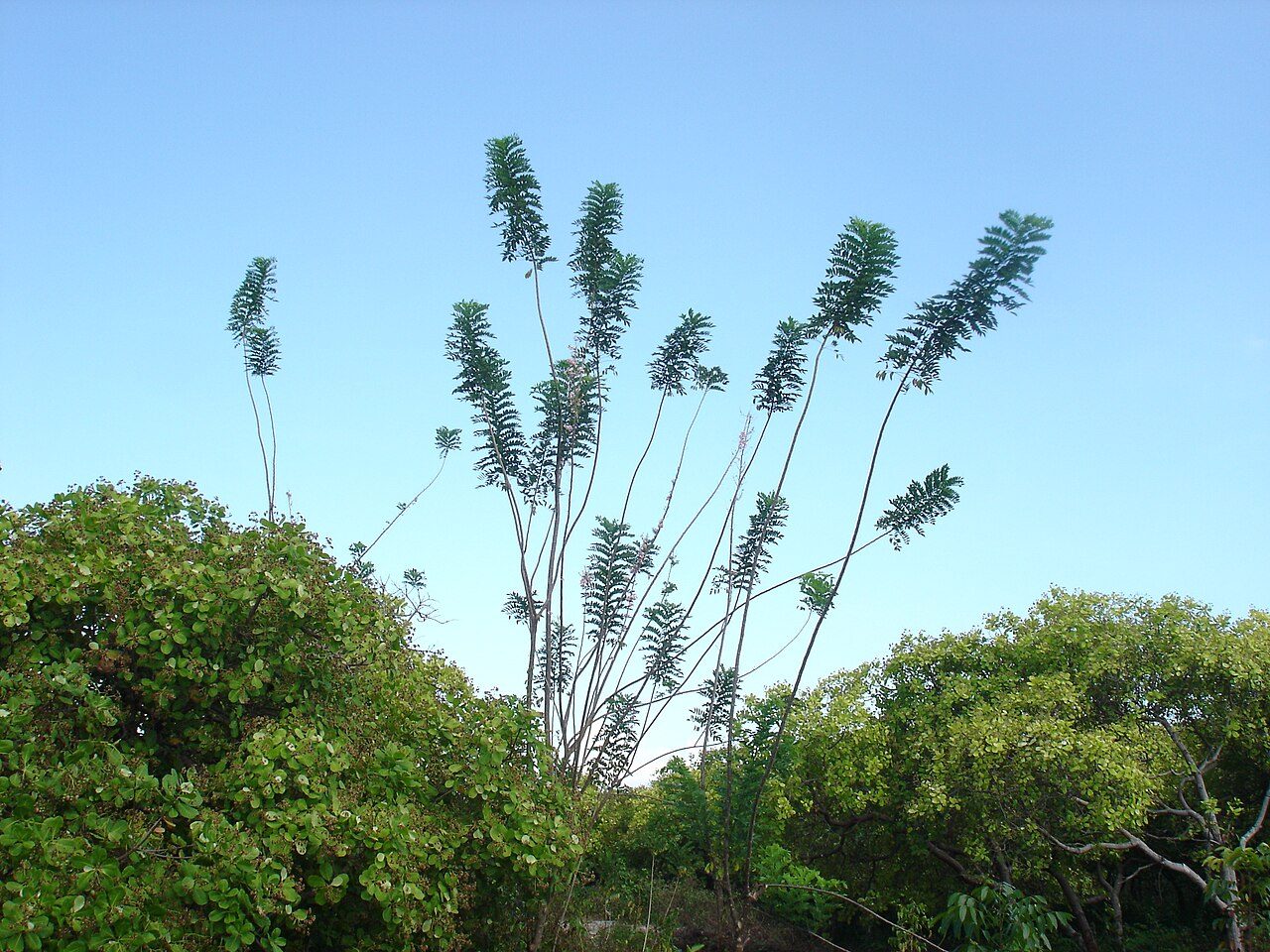
Gliricidia is a leguminous tree from Central America that has spread through the tropical world as a living fence and as a shade tree in cocoa and coffee plantations. In the dry season, as it sheds its leaves, its branches are covered with pale pink to lilac pea flowers. These flowers give plenty of nectar and pollen and are visited heavily by honey bees; they are an important support when sources are scarce in the dry season.
Flowering
In the tropics of the northern hemisphere it usually flowers from January to April, during leaf fall, and lasts a few weeks.
Honey and pollen
Some beekeepers in Central America and South-East Asia obtain honey dominated by gliricidia; however, it is not known as a common monofloral honey.
Note for the beekeeper
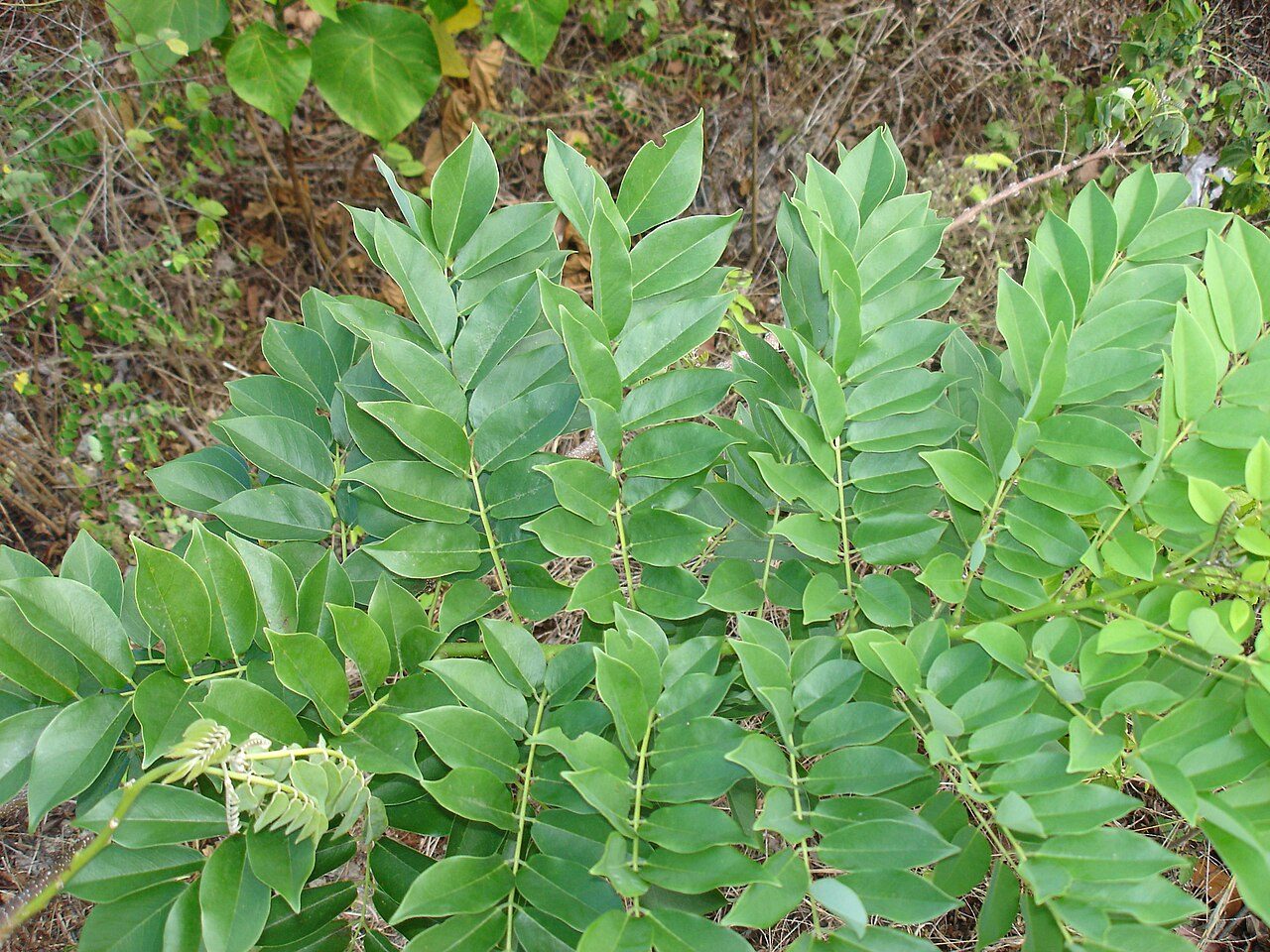
One of its Spanish names, mata ratón (rat killer), comes from its leaves being poisonous to rodents; no harmful effect has been reported for its nectar or honey. It is propagated from thick cuttings that root easily; tropical beekeepers can plant it as a living fence around the apiary. It does not tolerate frost.