

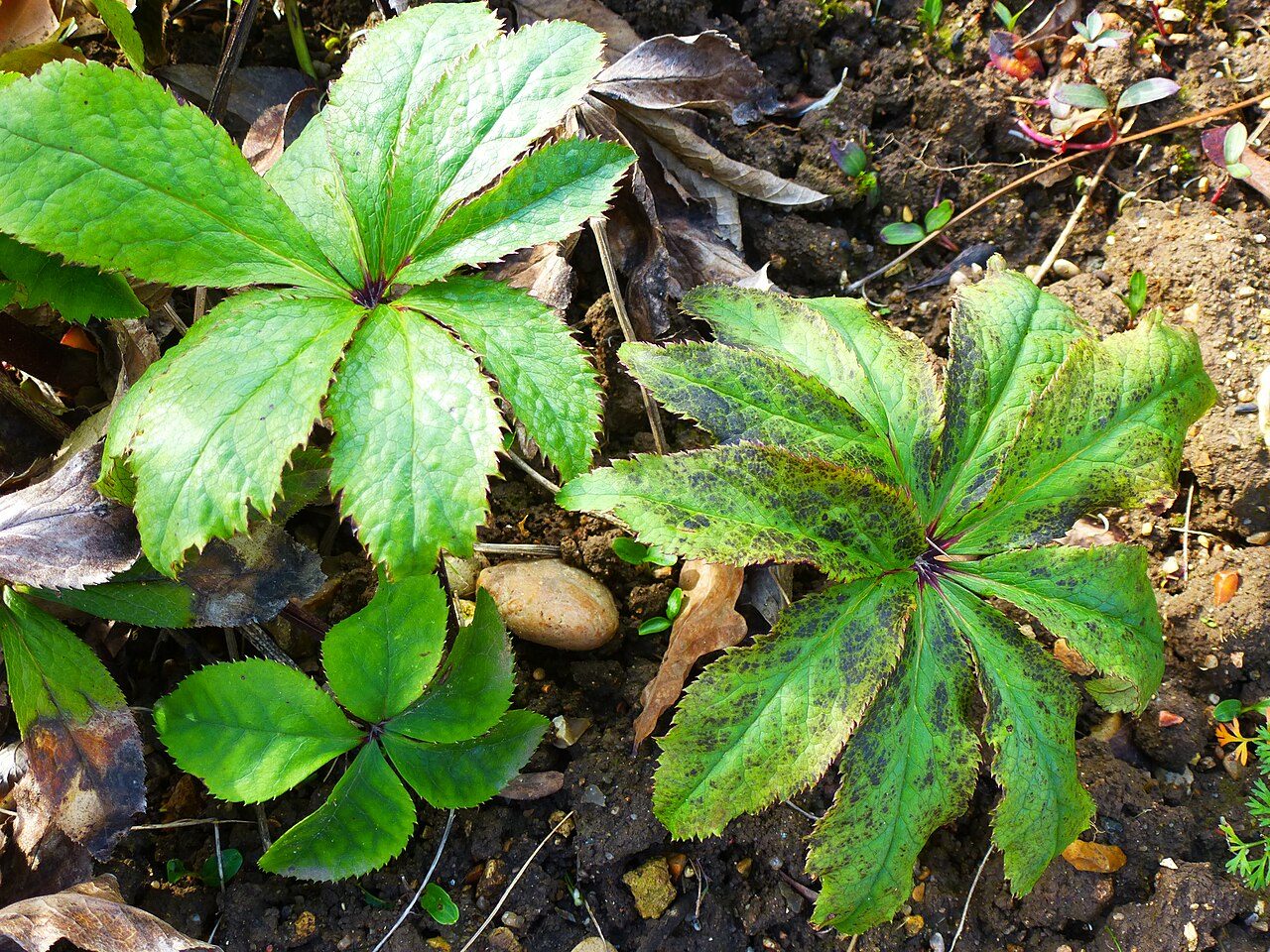
Lenten rose
A poisonous plant of Black Sea forests flowering from midwinter to spring; it supplies nectar and pollen to bees flying even on cold days.
- Nectar
- Medium
- Pollen
- Medium
- Flowering
- JanFebMarAprMayJunJulAugSepOctNovDec
- Height
- 0,3-0,5 m
- Life cycle
- Perennial
🐝 Add to my apiary
Log in to add it to your apiary.Value for beekeeping
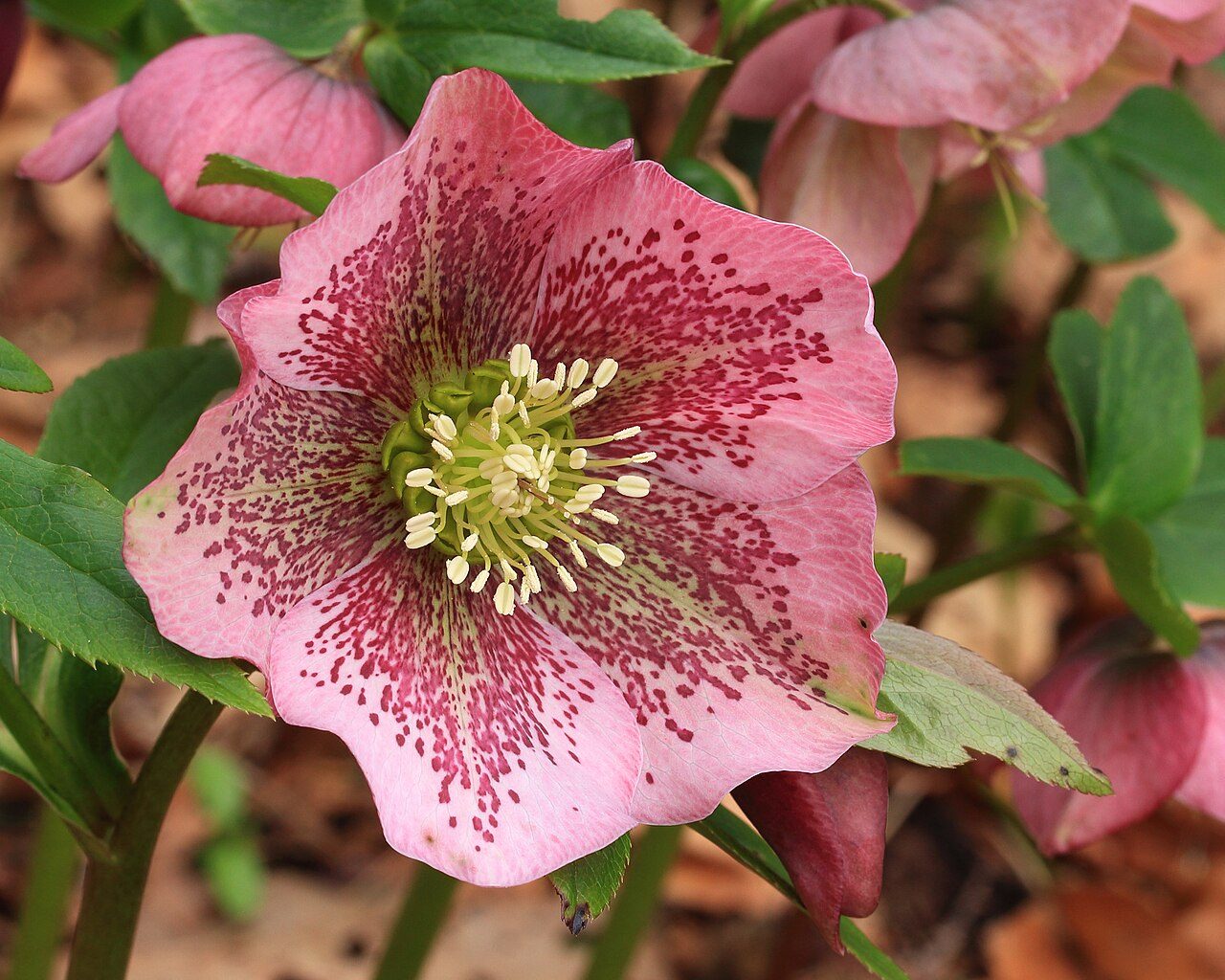
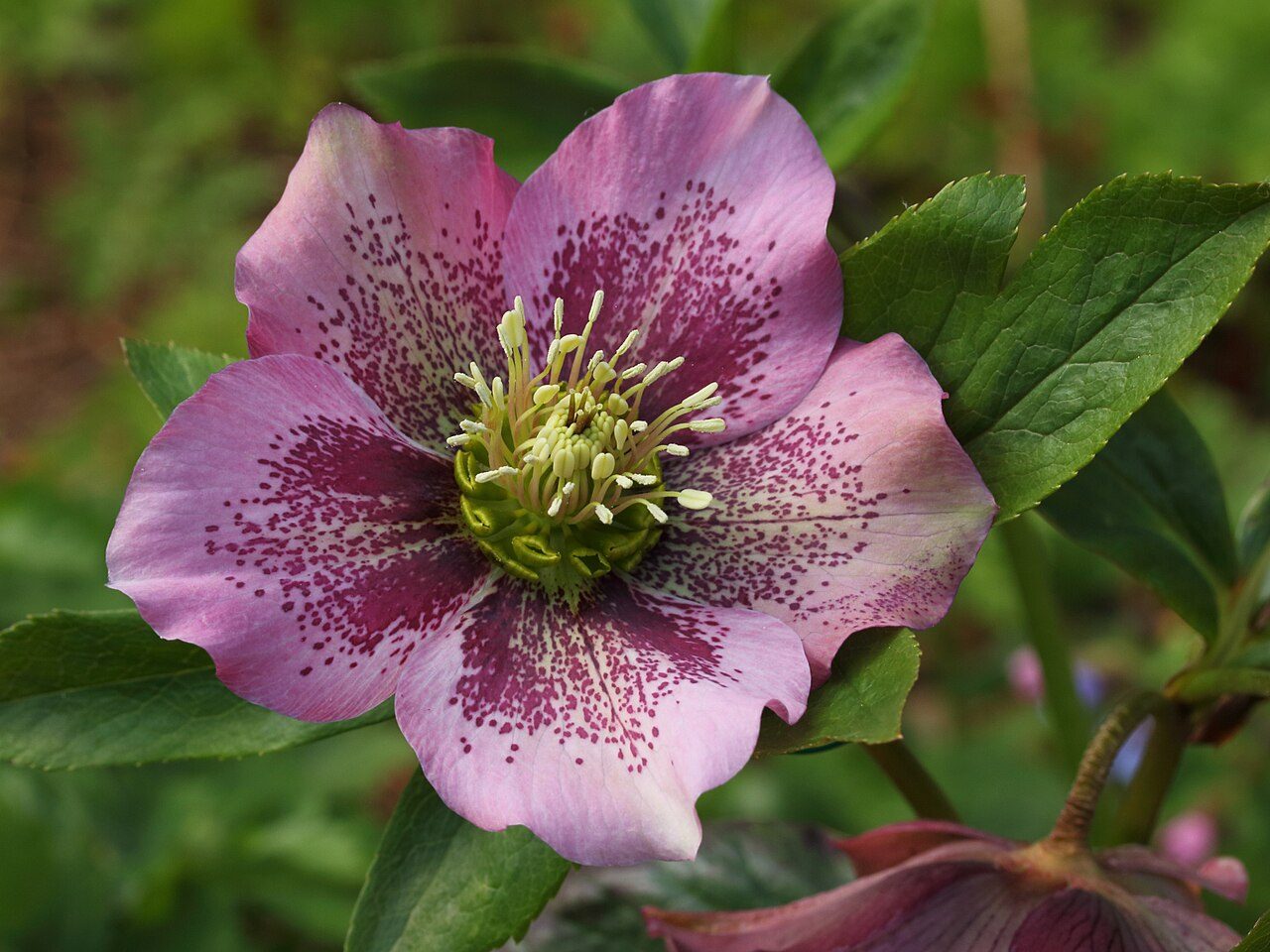
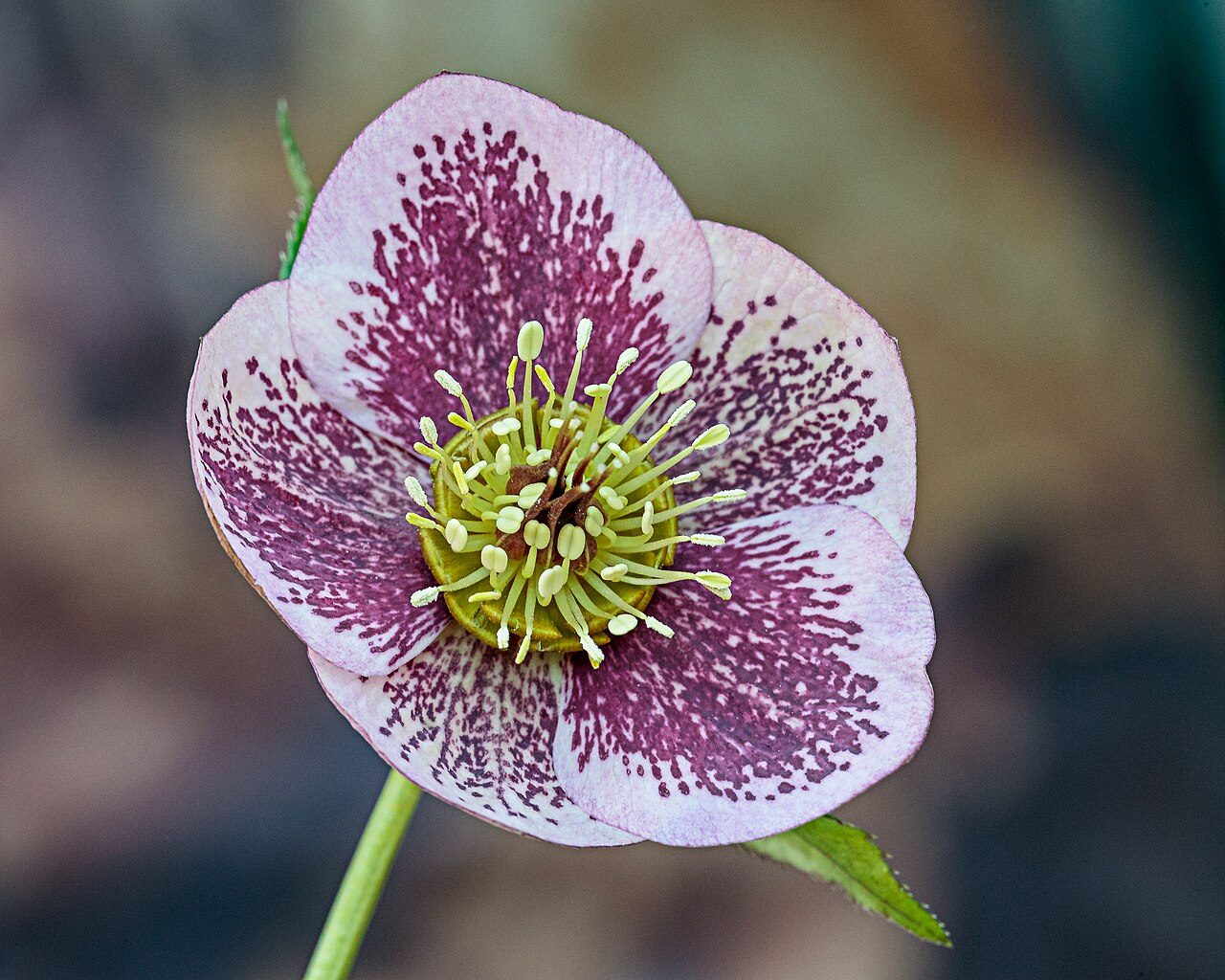
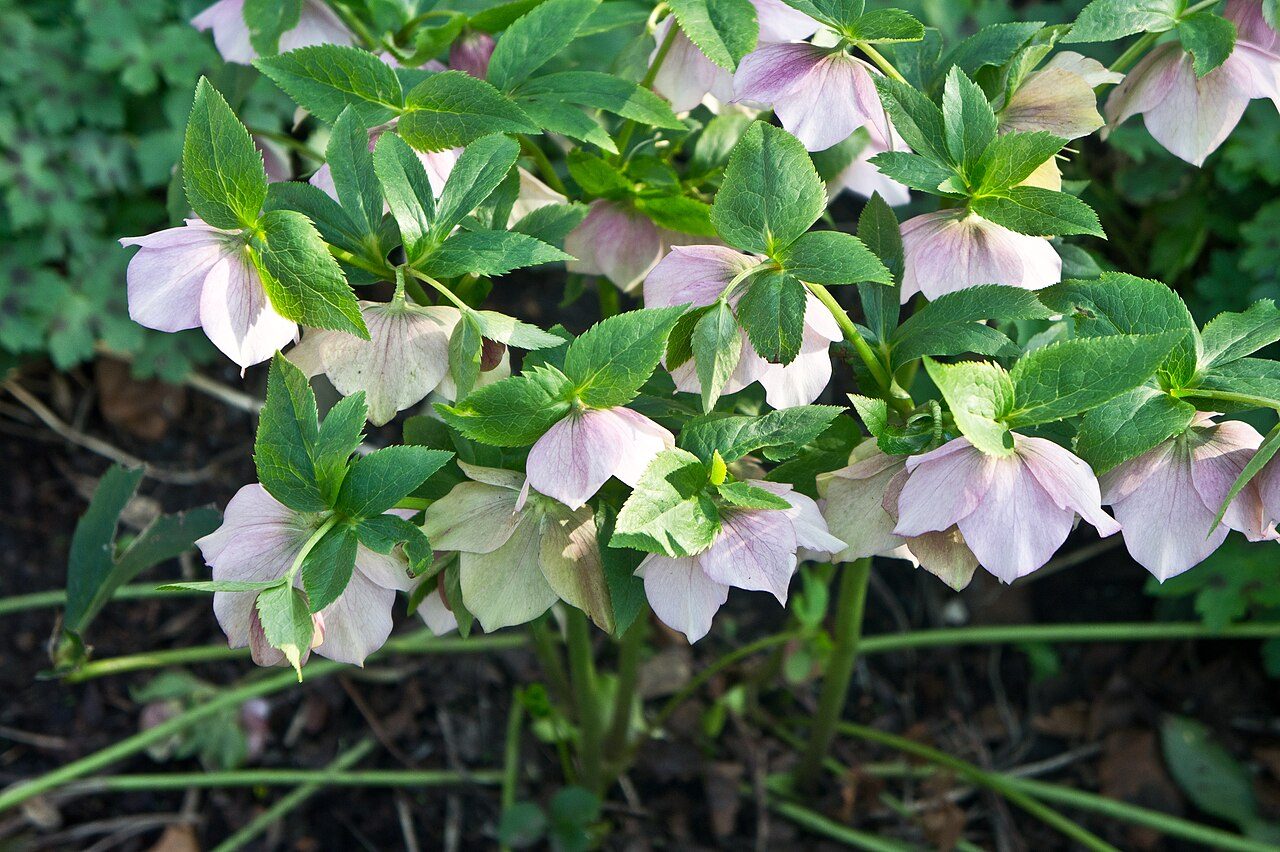
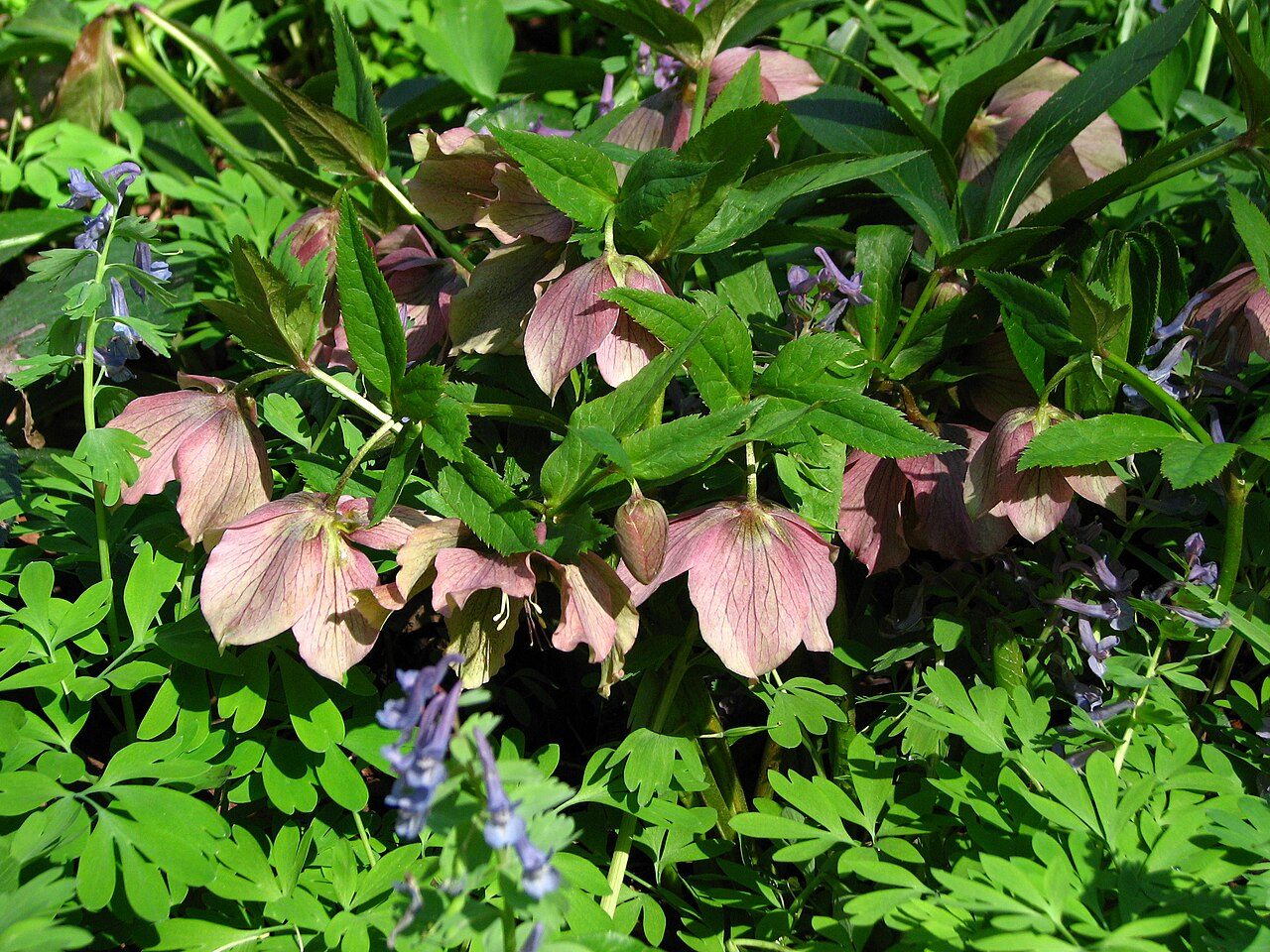
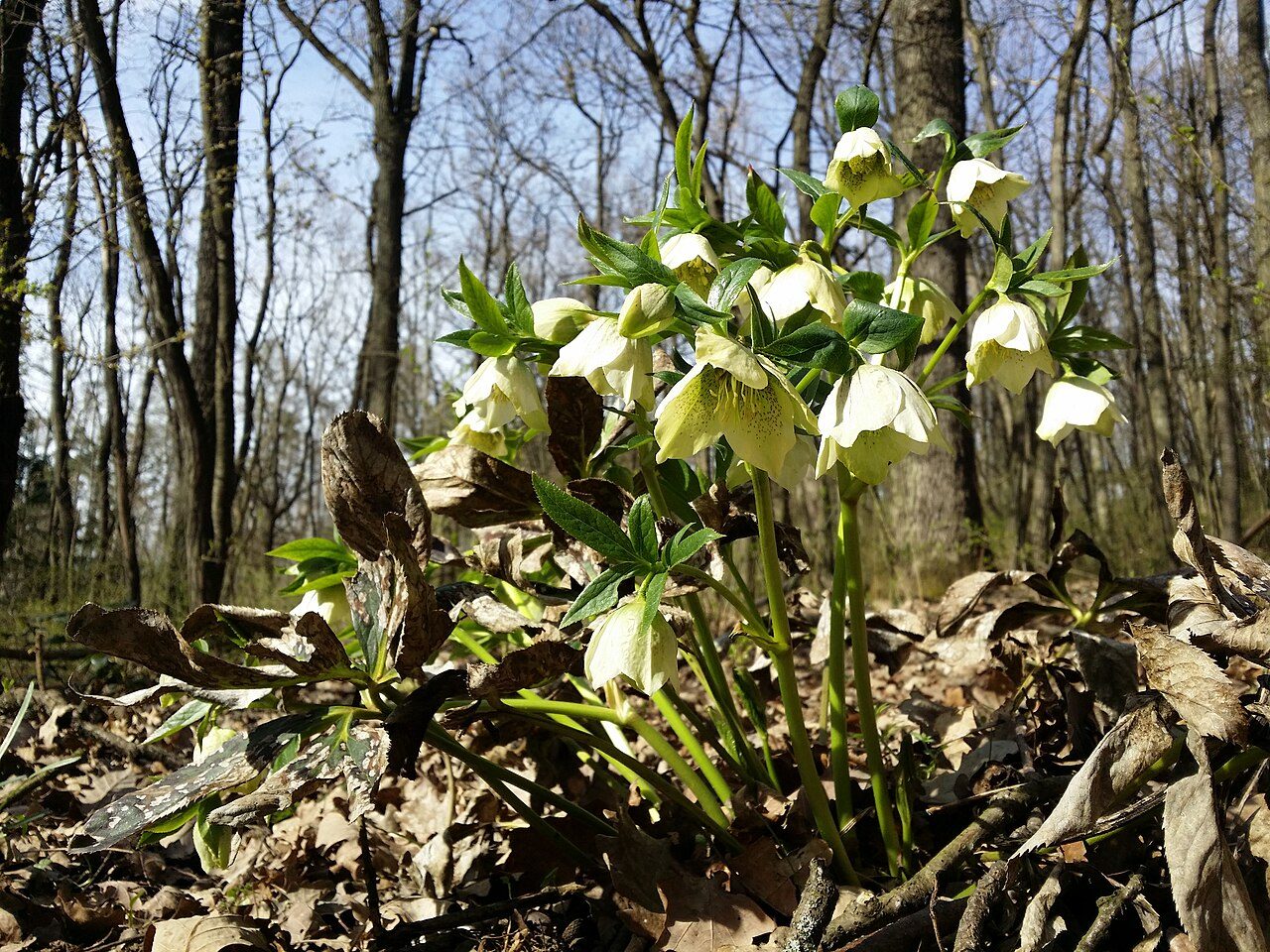
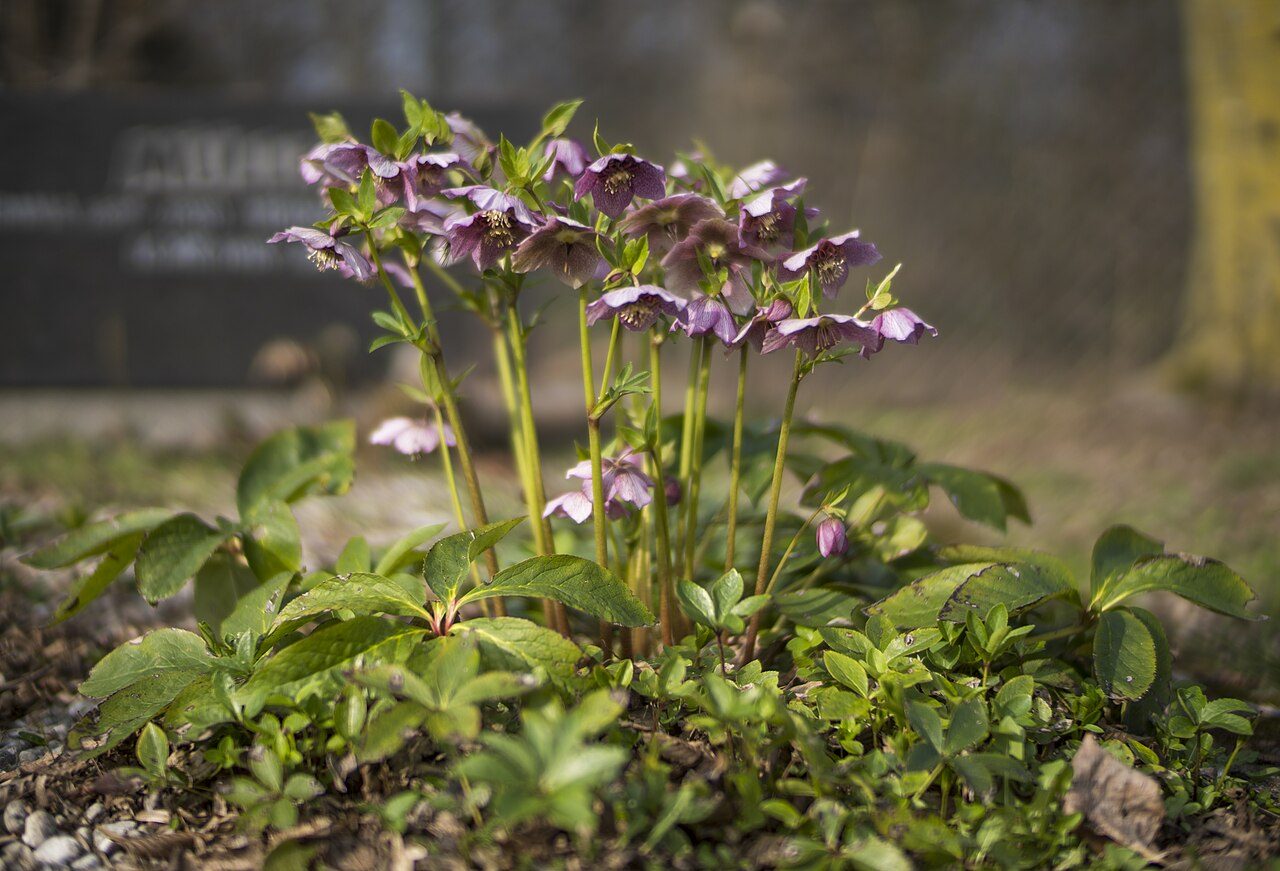
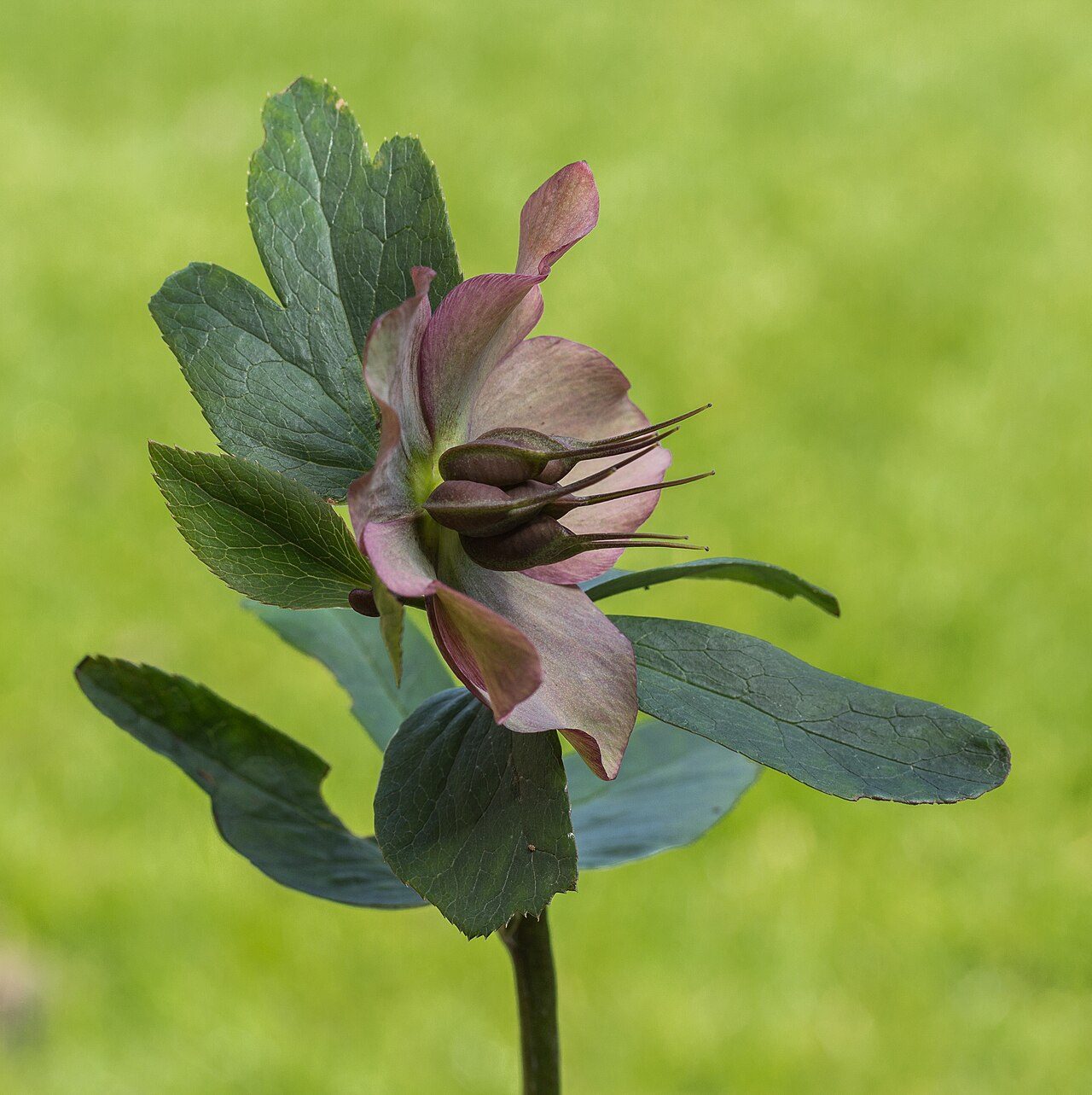
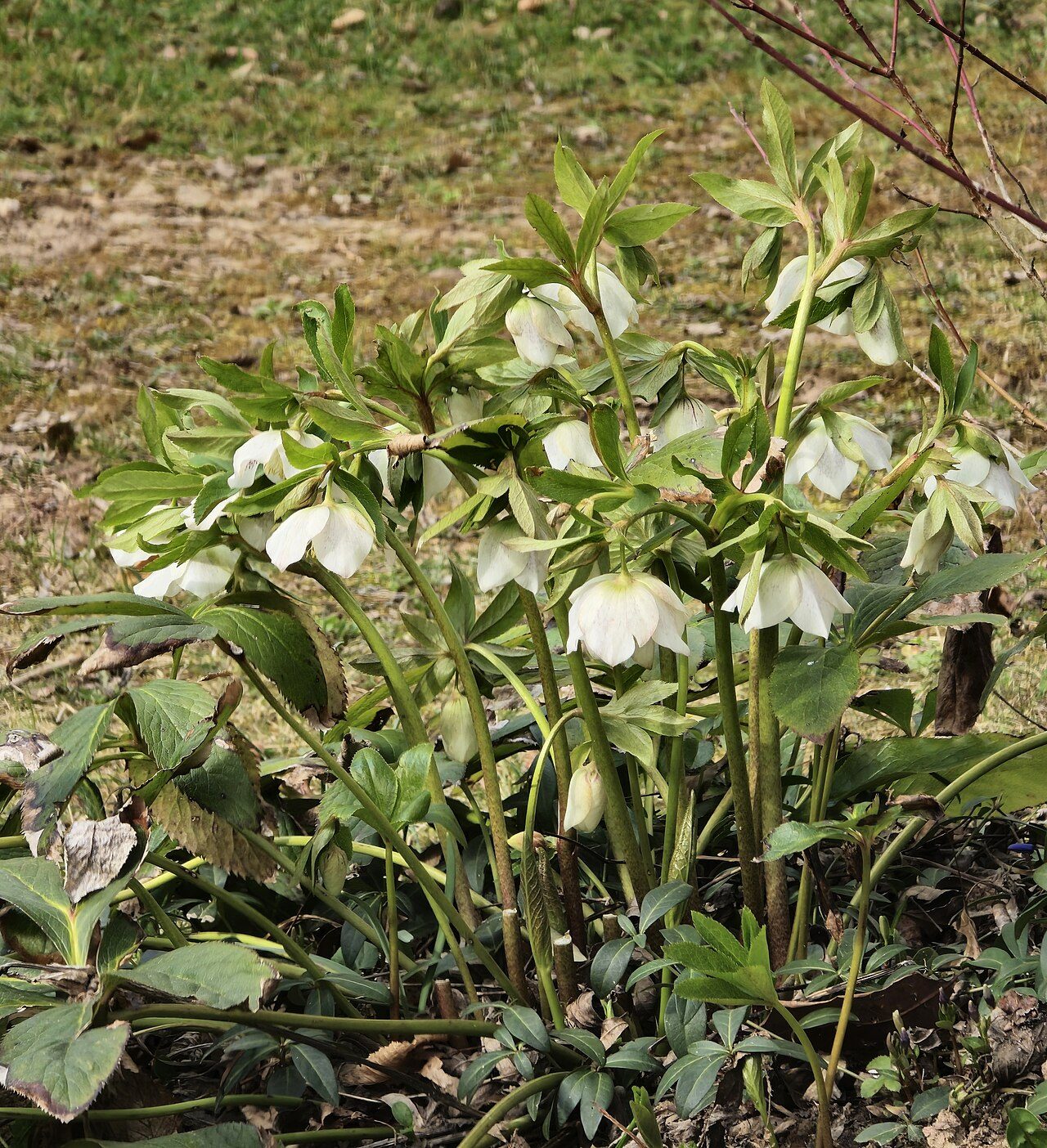
Lenten rose is an evergreen perennial, very common in the damp forests, hazelnut orchards and tea plantation edges of the Black Sea and Marmara regions. The coloured parts of its cream, greenish or pinkish flowers are actually sepals; the petals have turned into small, tubular nectaries. These nectaries offer nectar during the cool season, and the many stamens give pollen.
Flowering
It flowers from January to April, as soon as the snow lifts, and stays in flower for weeks.
Honey and pollen
It makes no contribution to honey production; its value is the support it gives to late-winter brood. No reliable record of the pollen load colour was found.
Note for the beekeeper
All parts of the plant are poisonous and animals do not graze it; no harm to bees or honey through its nectar or pollen has been reported. The lenten roses in gardens are largely hybrids of this species.