

Hogweed
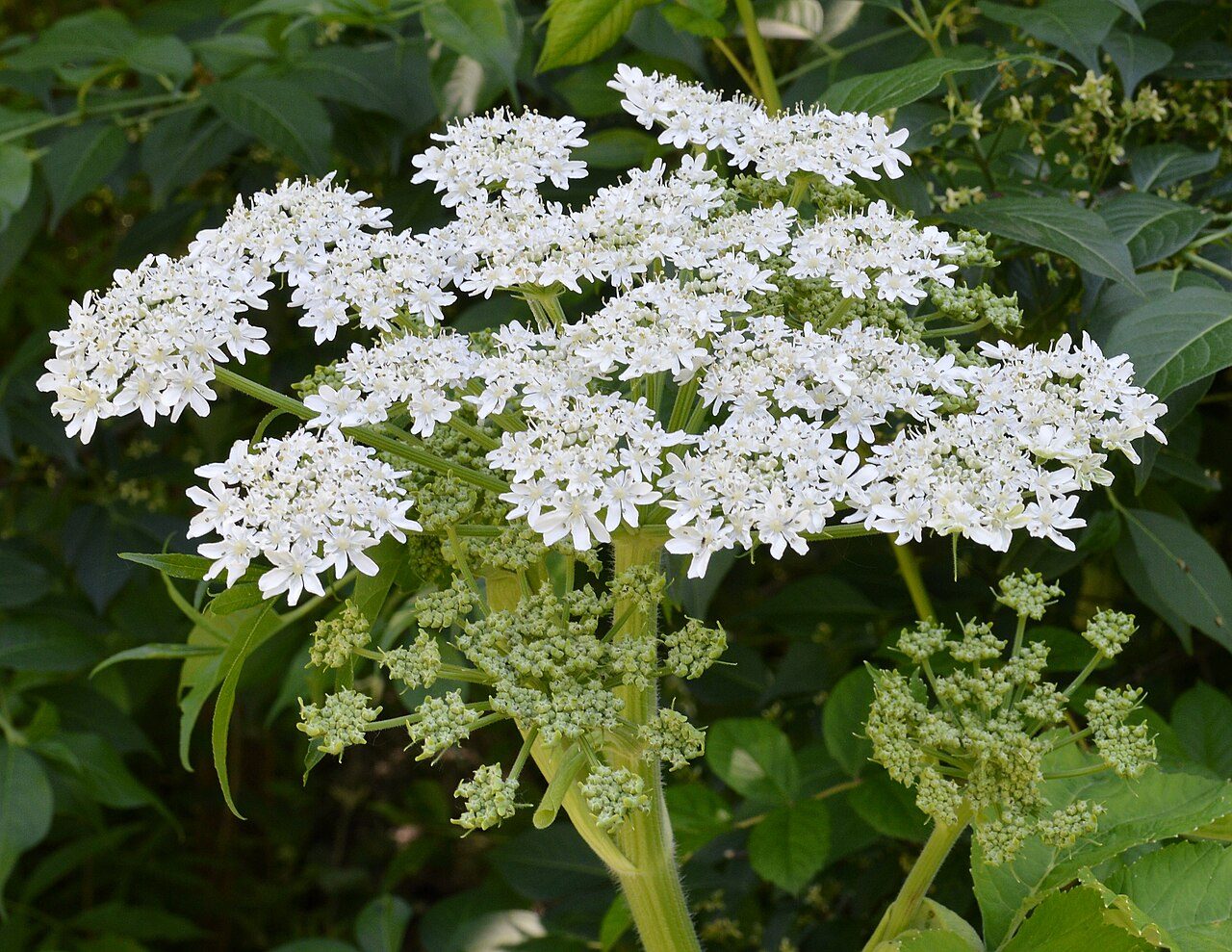
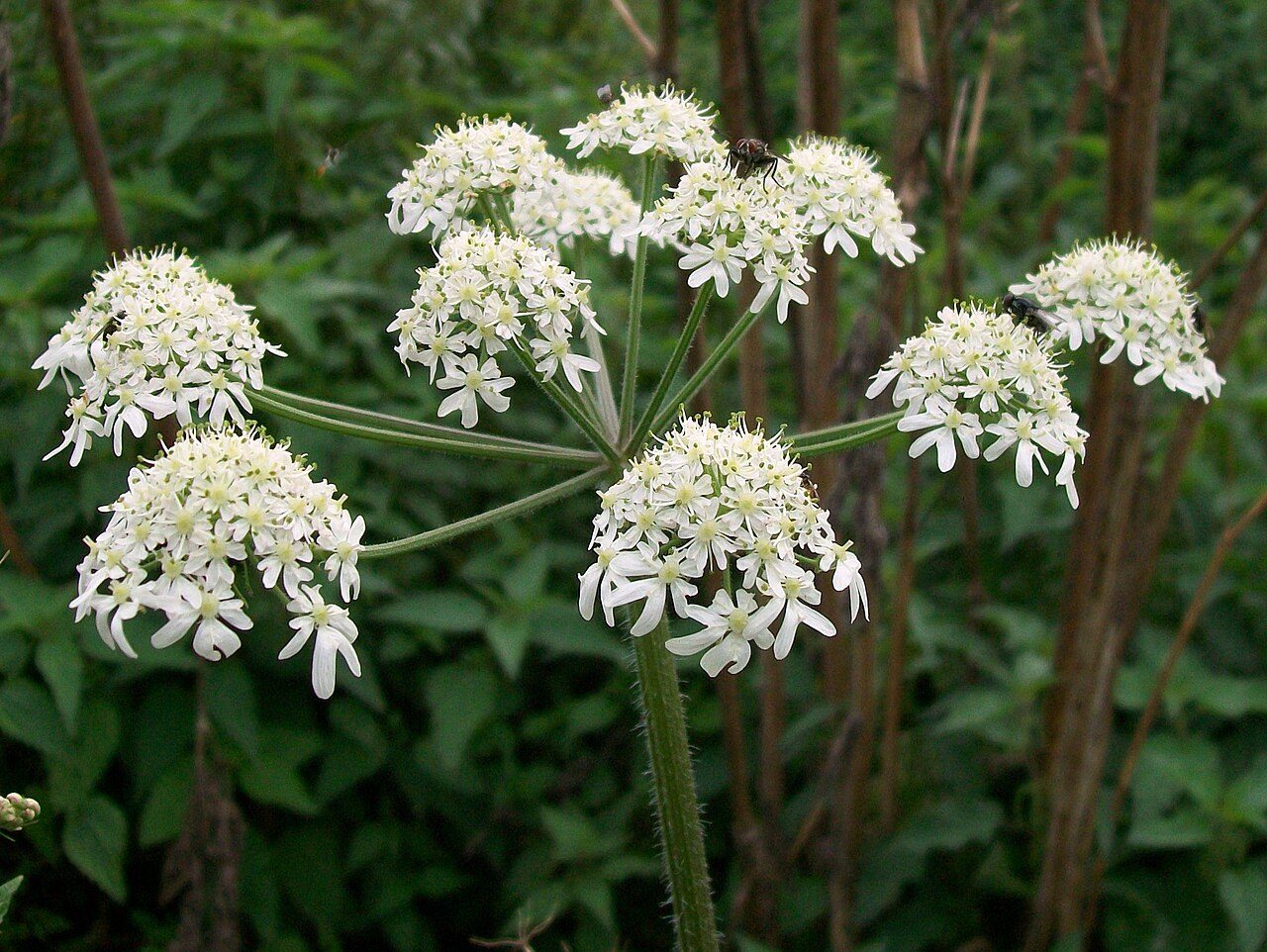
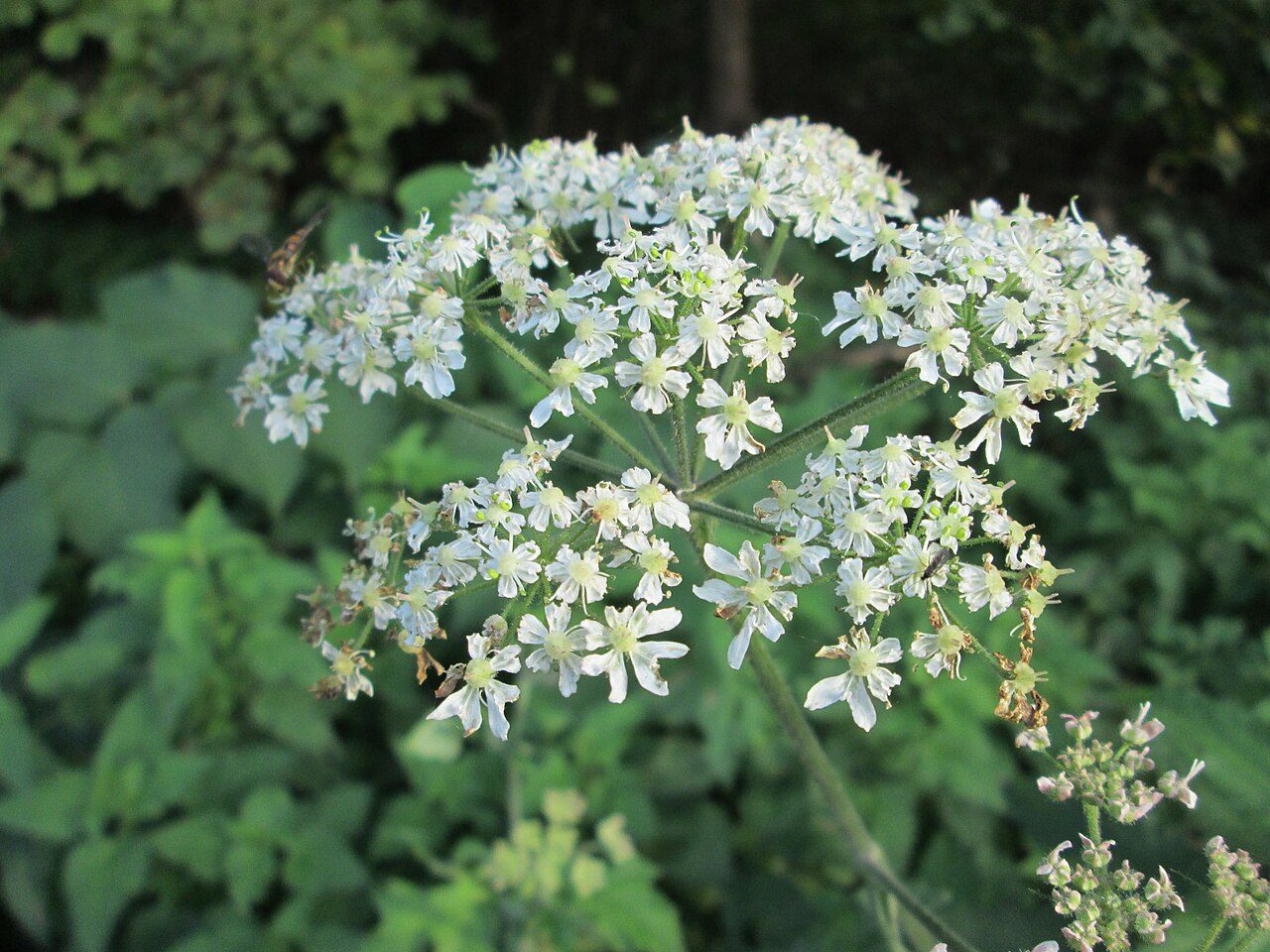
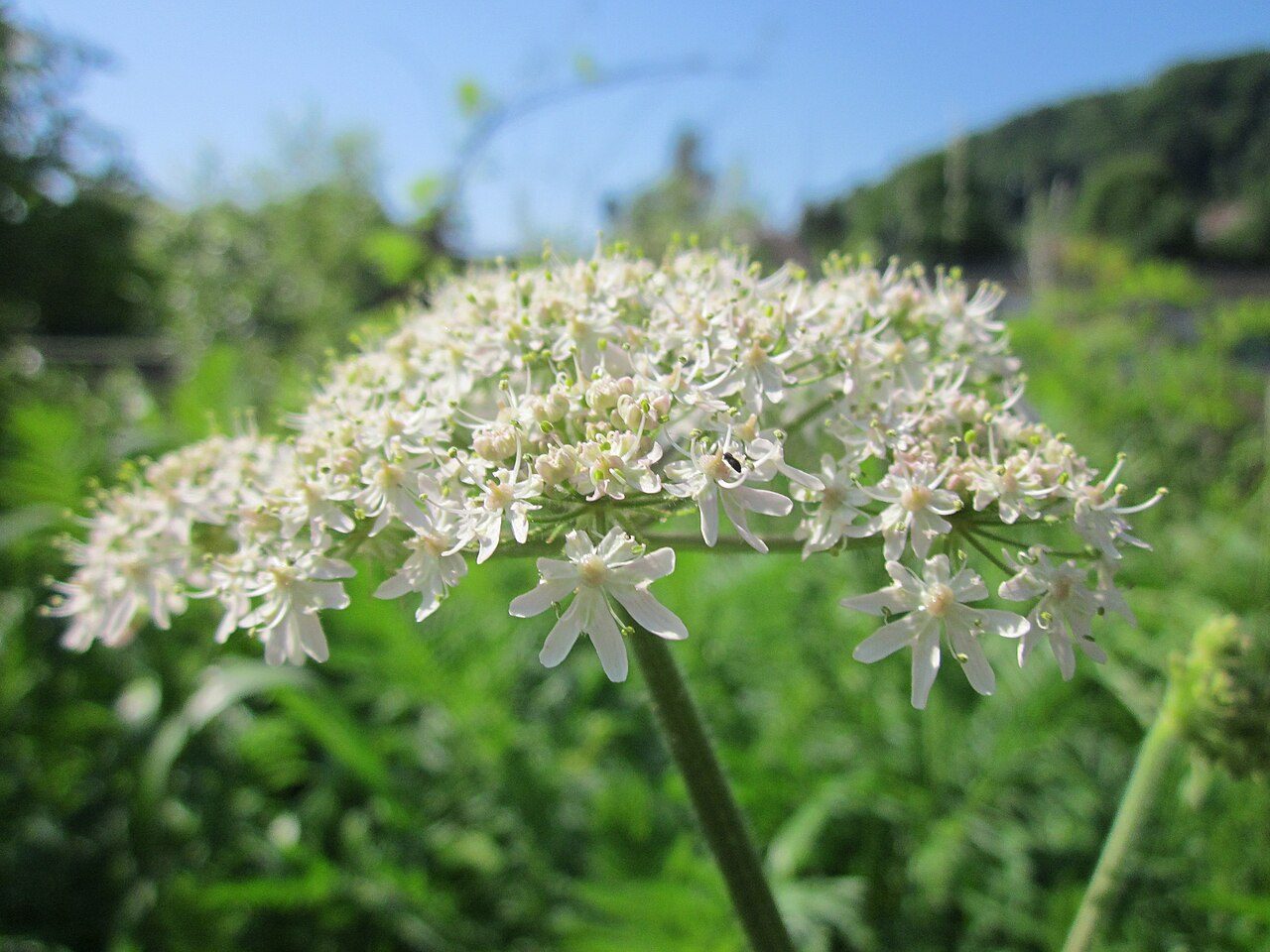
Its white umbels, open all summer, carry abundant exposed nectar; an important component of summer meadow honey in Europe.
- Nectar
- Good
- Pollen
- Medium
- Flowering
- JanFebMarAprMayJunJulAugSepOctNovDec
- Height
- 0,5-2 m
- Life cycle
- Biennial
🐝 Add to my apiary
Log in to add it to your apiary.Value for beekeeping
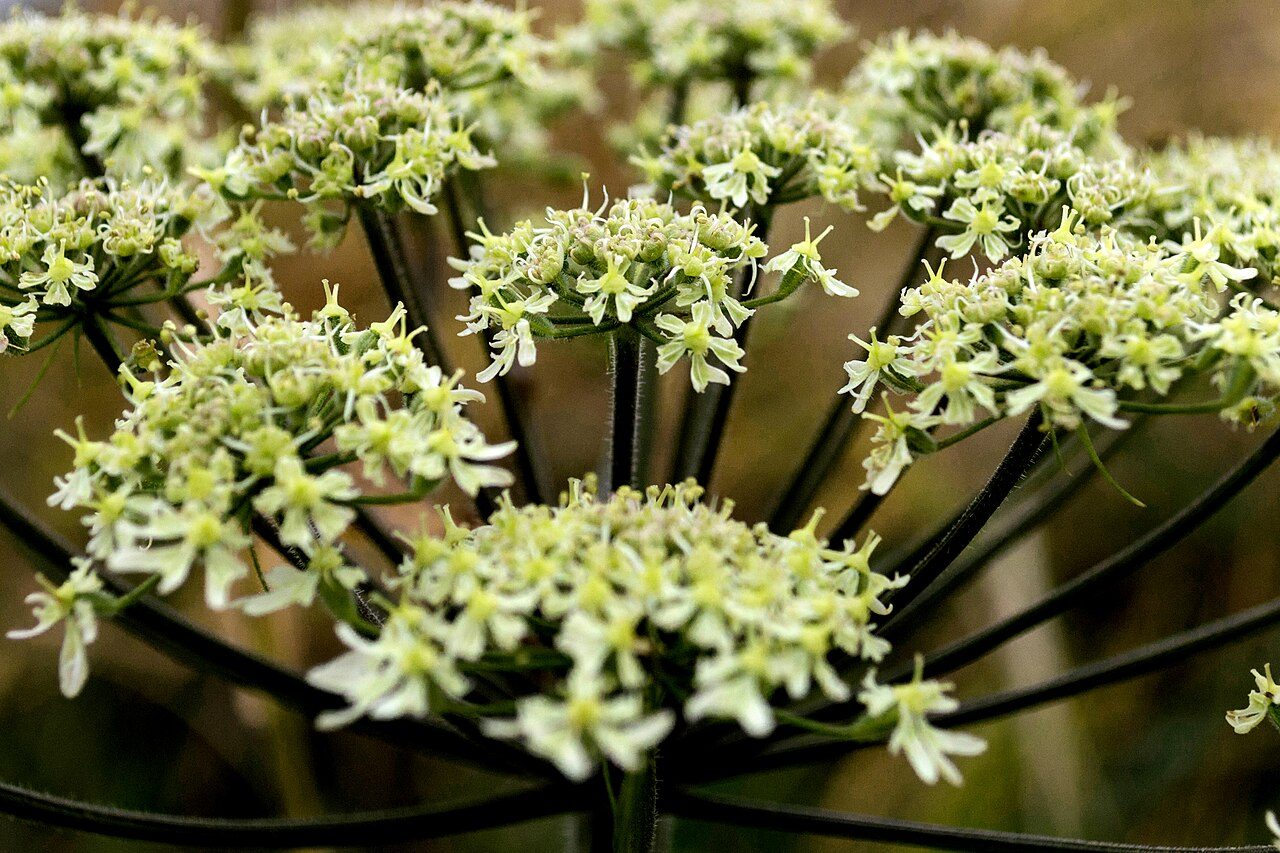
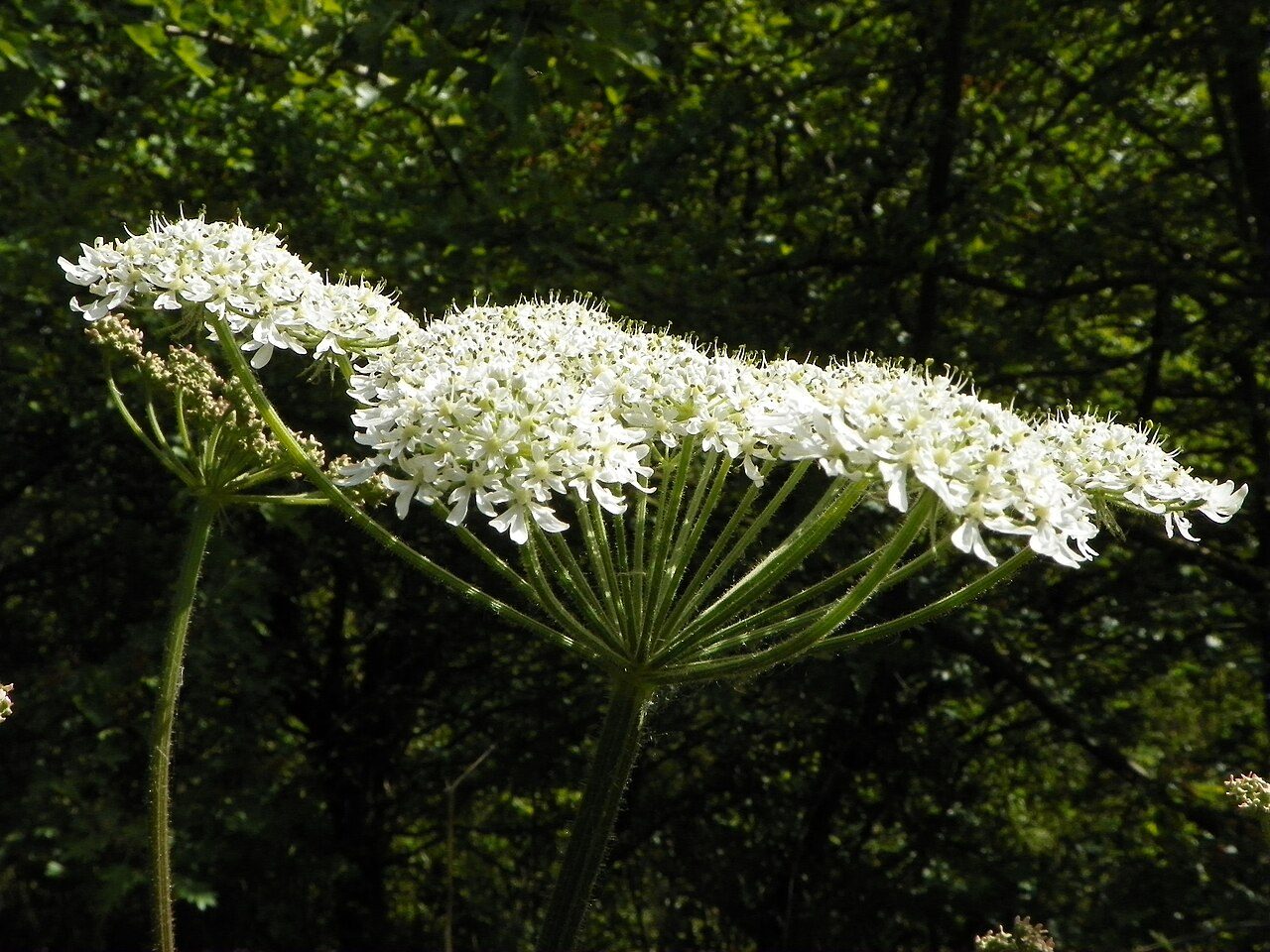
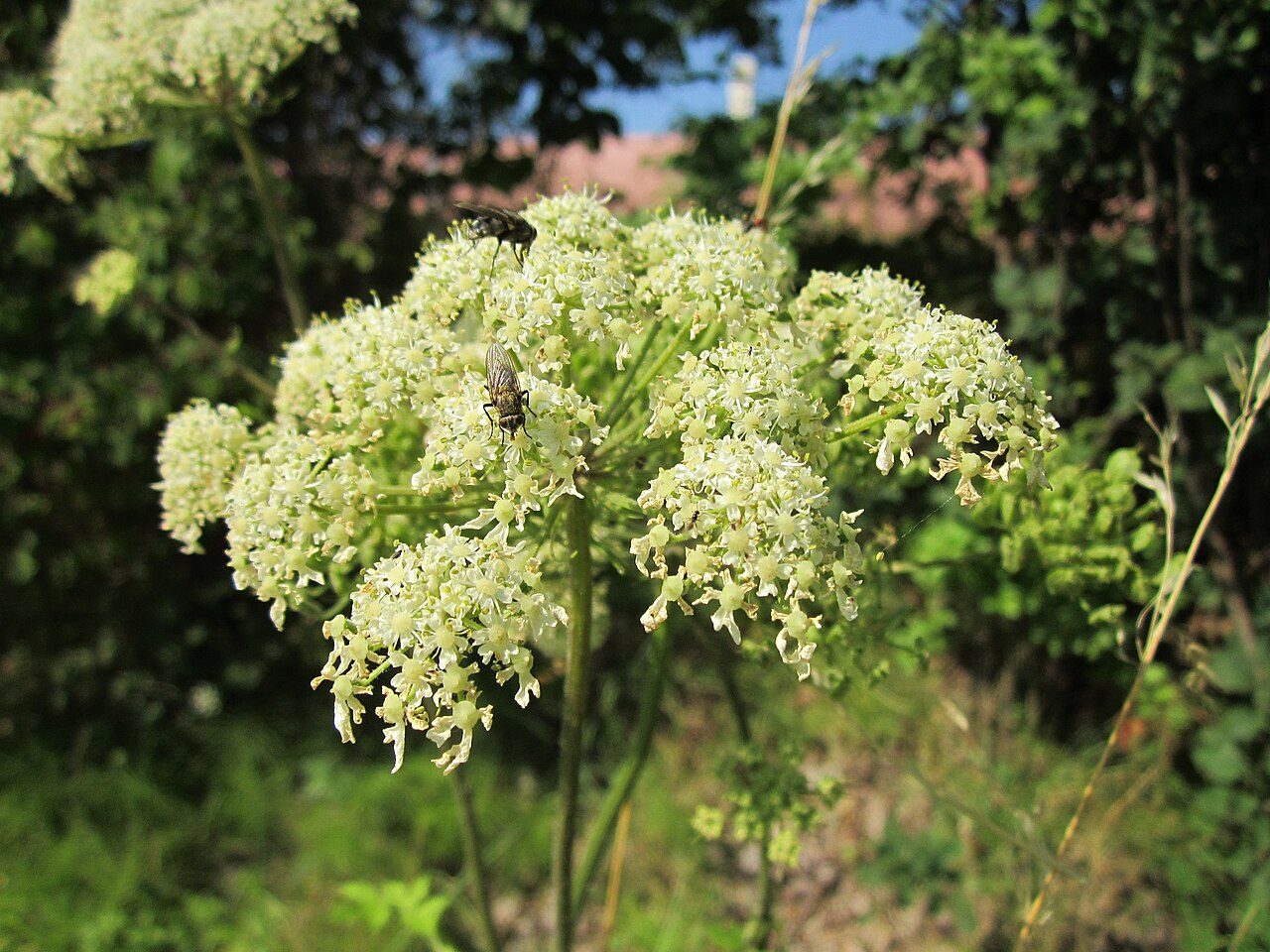
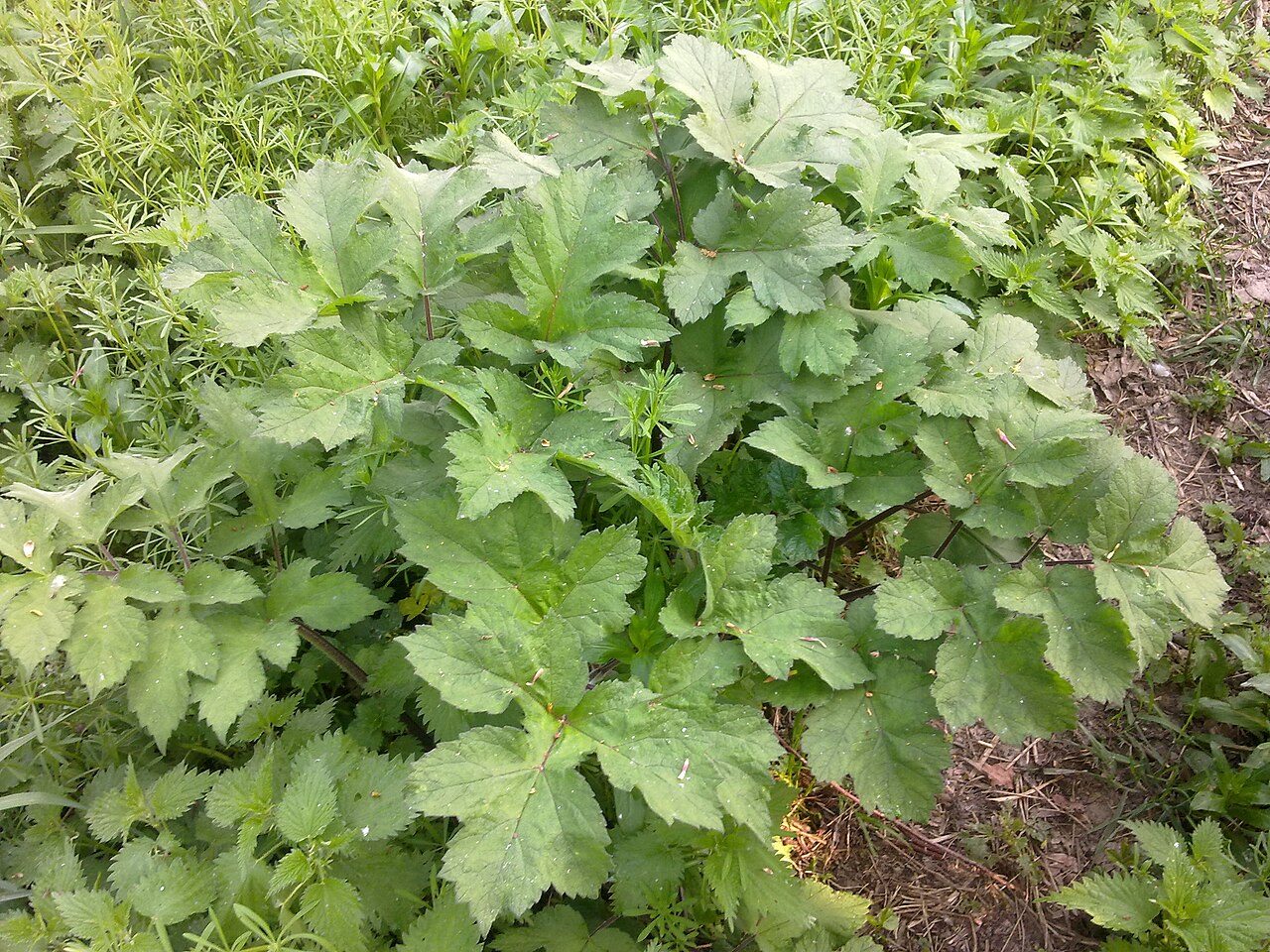
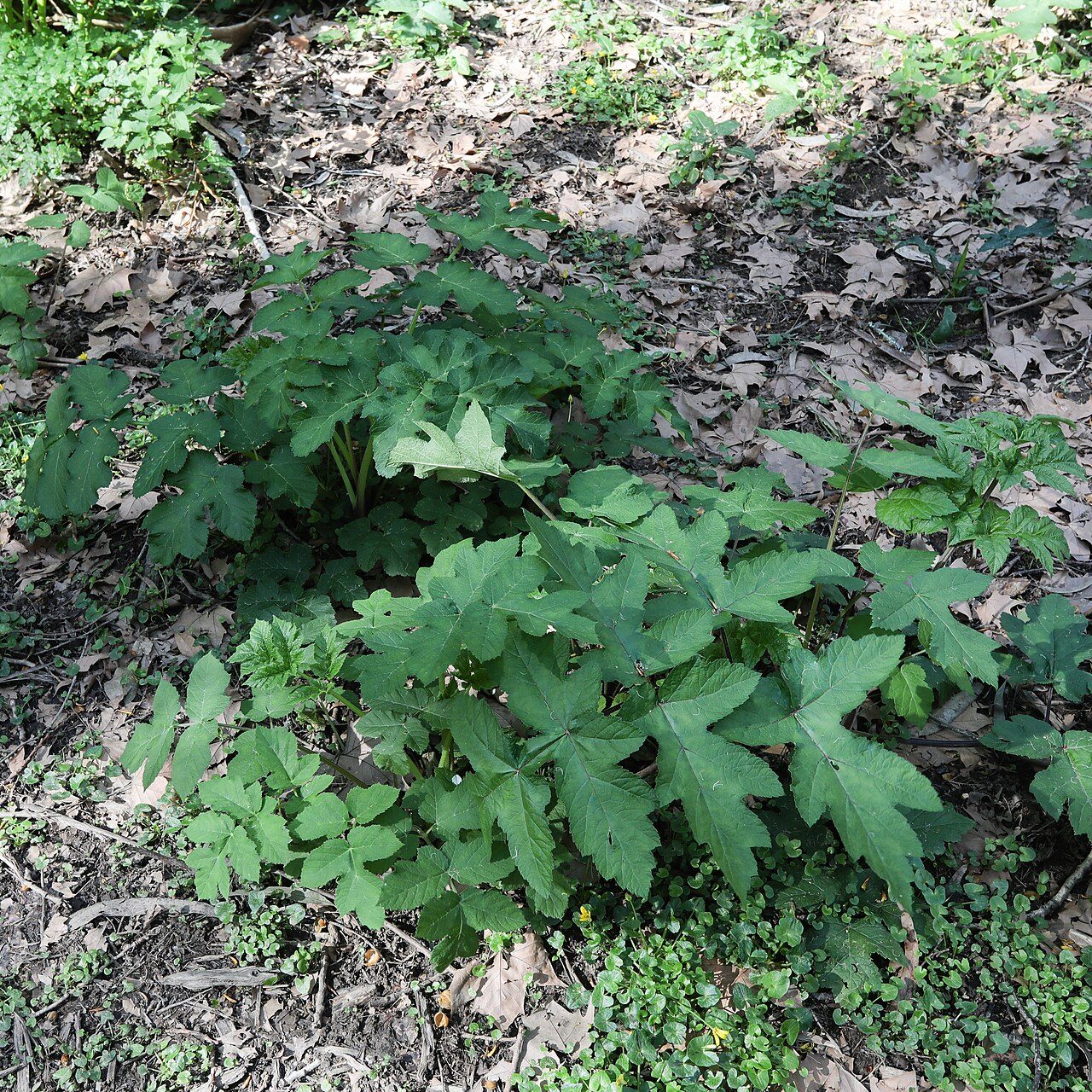
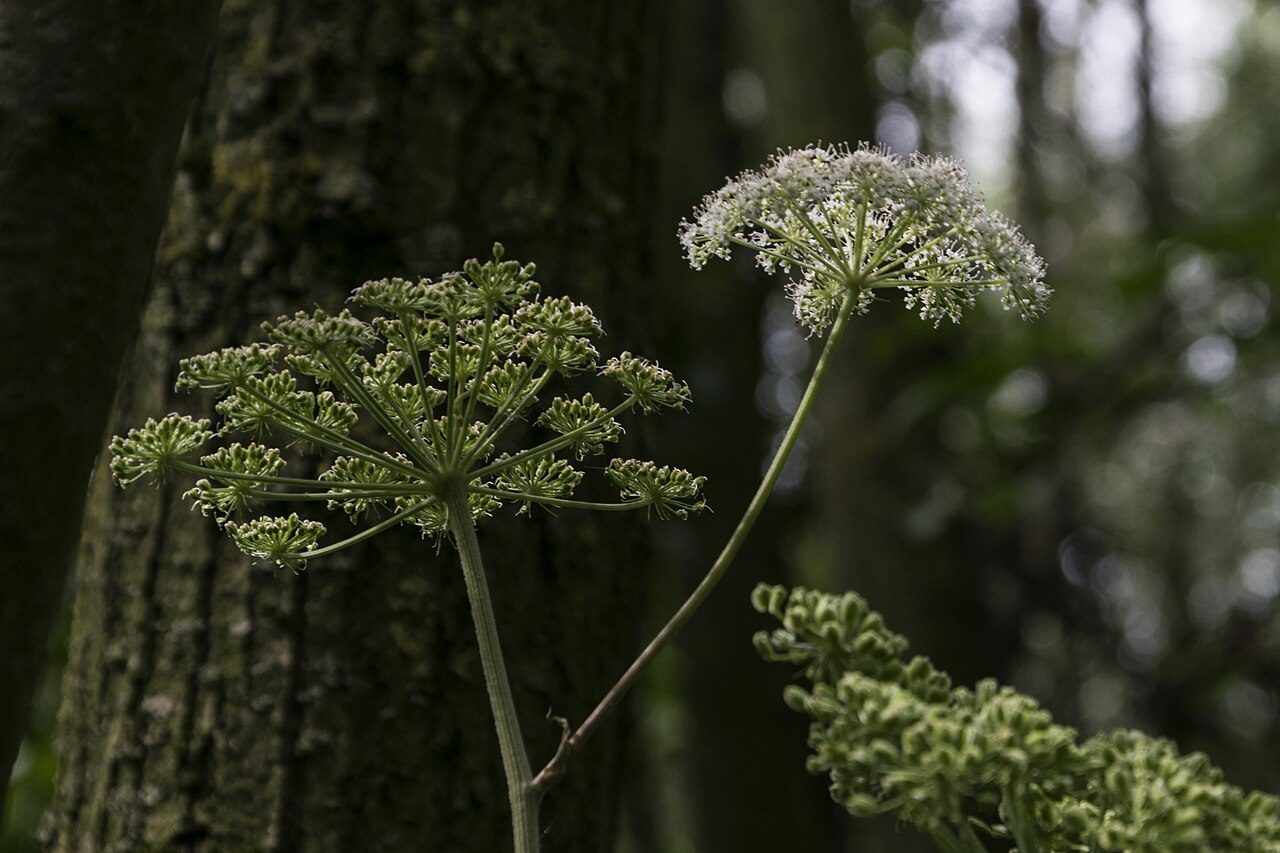
Hogweed is a robust biennial or perennial that grows in damp, nutrient-rich meadows, along woodland edges and stream banks. In its wide white umbels the nectar glistens openly on the flower disc; many insects, above all honey bees, can use it easily. Nectar secretion is high on damp soils and in mild weather; in Central Europe it is a frequent component of summer meadow honey.
Flowering
It lasts from June to September; in mown meadows it can regrow and flower a second time.
Honey and pollen
It is not harvested as a separate honey, but it can make up a noticeable share of mixed meadow honey. Its pollen contribution is moderate.
Note for the beekeeper
The sap contains furanocoumarins; on skin exposed to sunlight it can cause burn-like marks. Wear gloves and long sleeves when clearing around the hives. Its relative, giant hogweed, is invasive in Europe; this species, however, is native.