

Common jasmine
Its night-scented white tubular flowers suit moths; honey bees reach the nectar poorly, so this ornamental climber has low beekeeping value.
- Nectar
- Low
- Pollen
- Low
- Flowering
- JanFebMarAprMayJunJulAugSepOctNovDec
- Height
- 3-10 (sarılarak) m
- Life cycle
- Perennial
🐝 Add to my apiary
Log in to add it to your apiary.Value for beekeeping
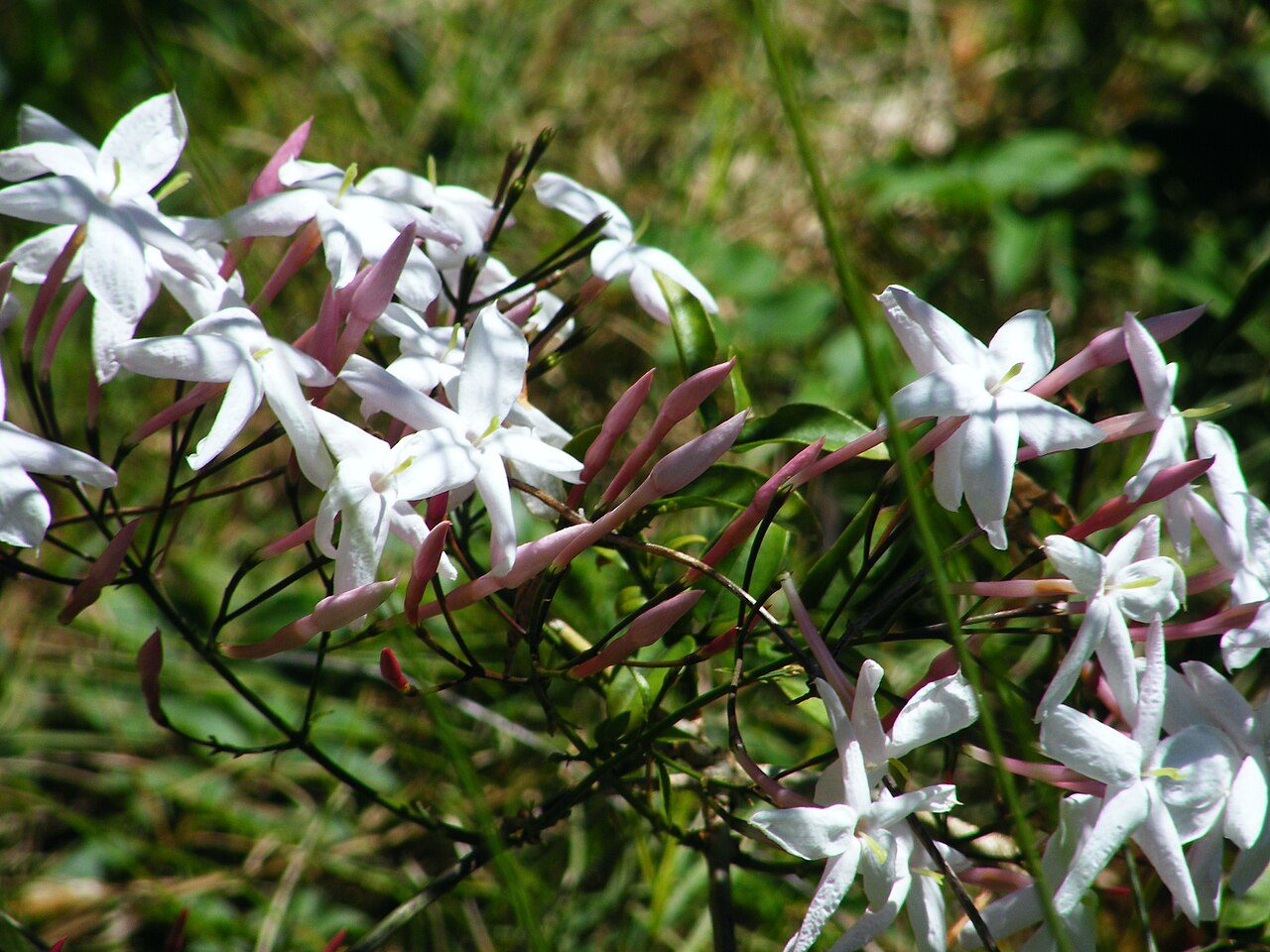
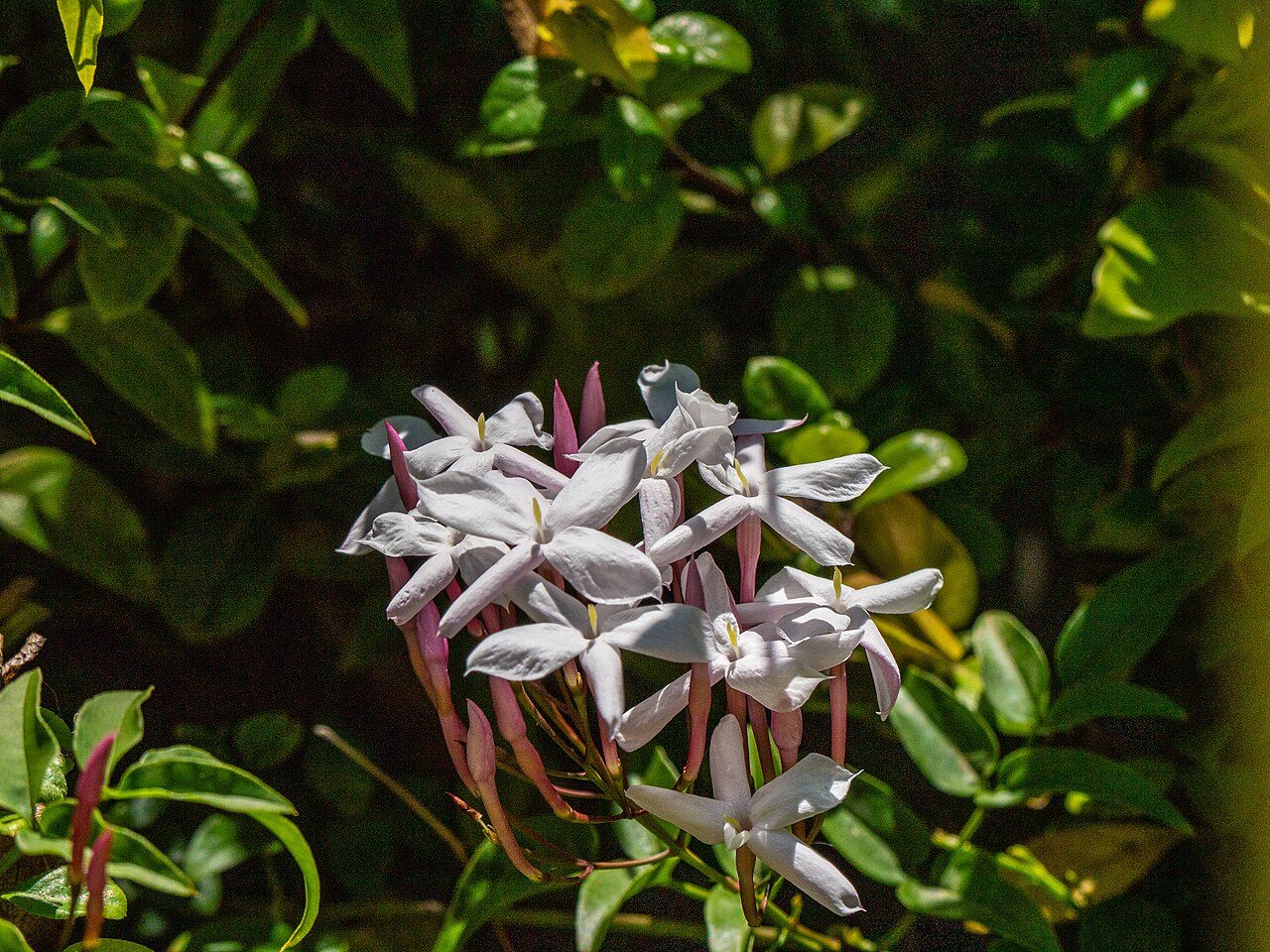
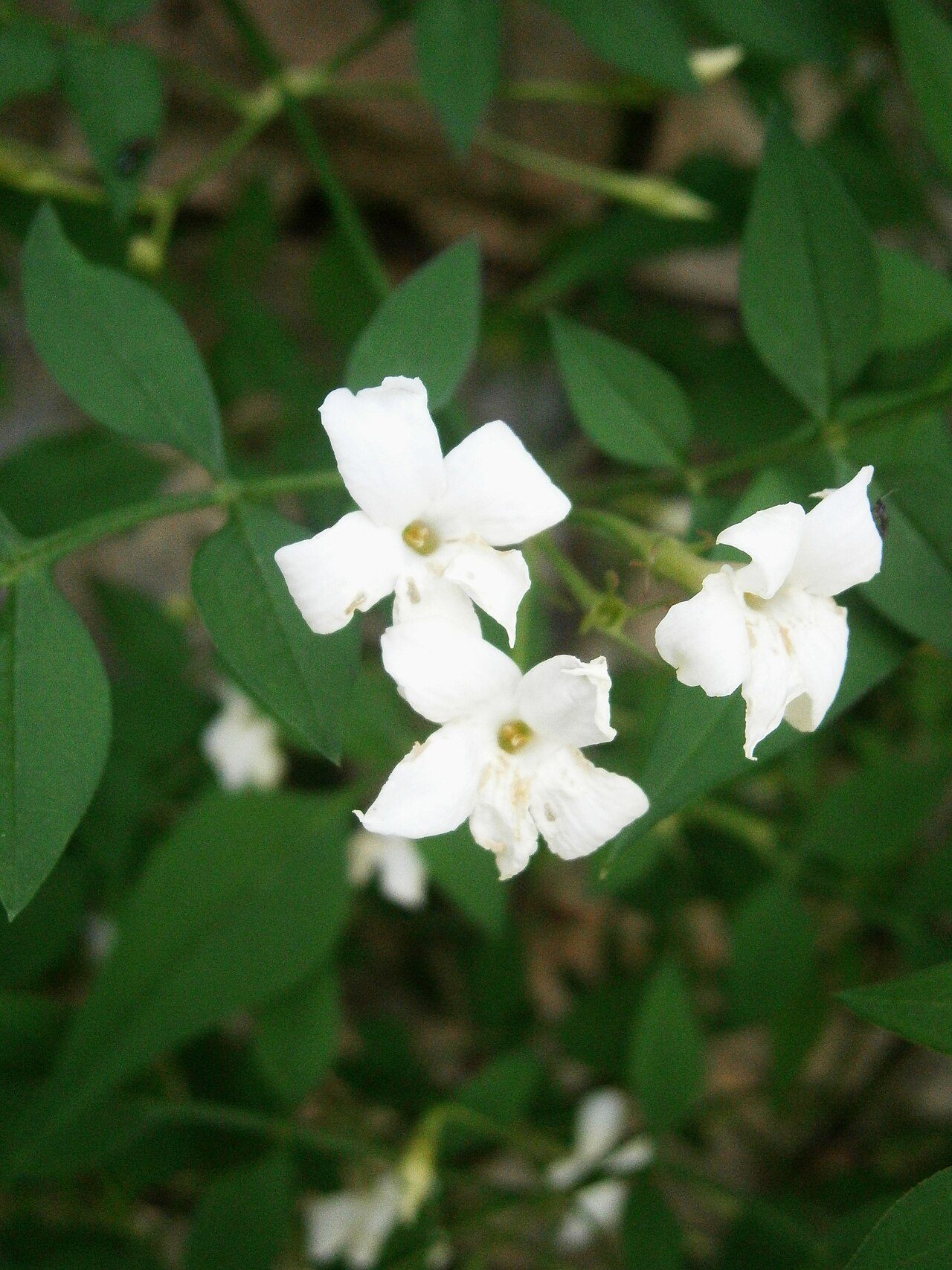
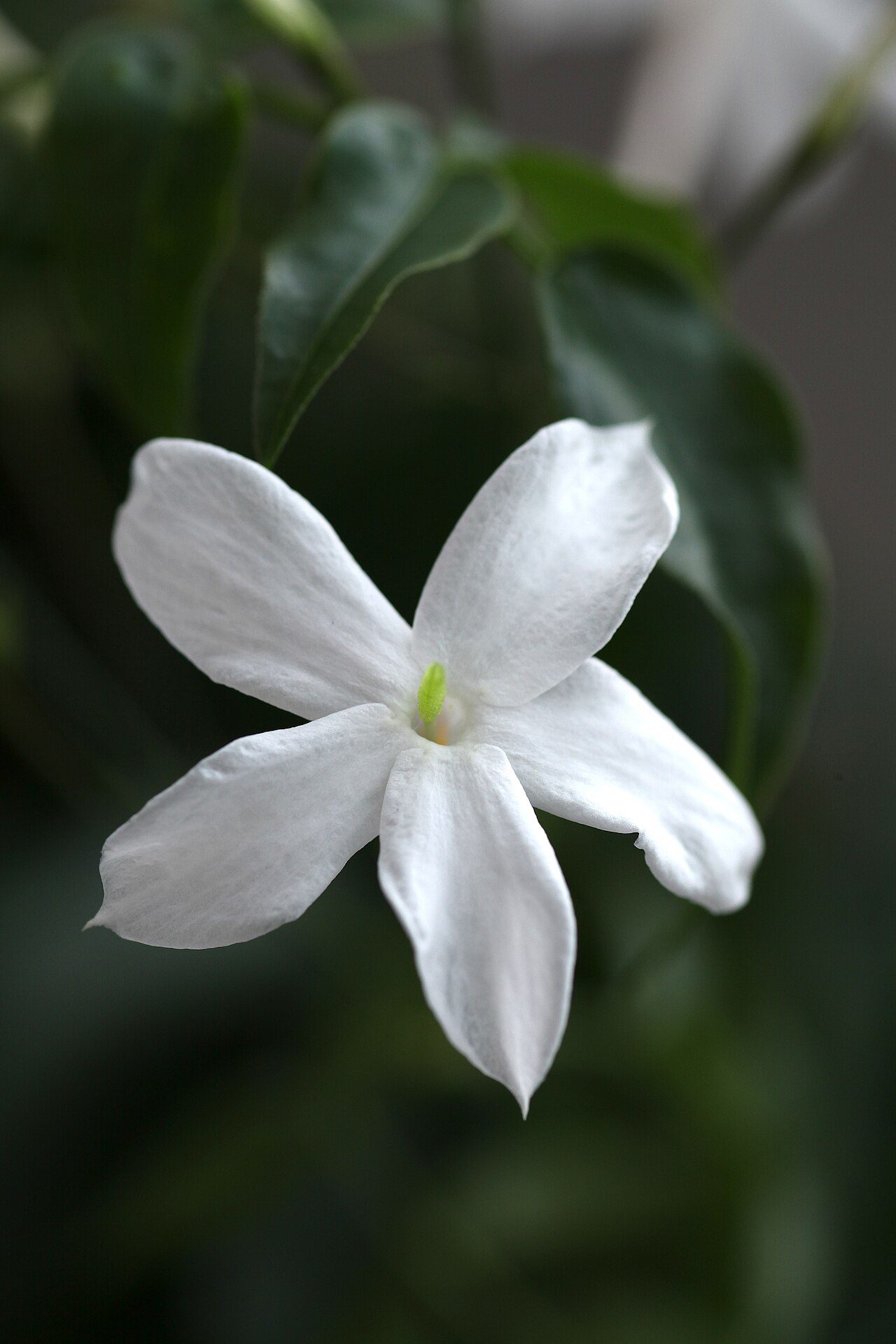
Common jasmine is an ornamental climber with white, very fragrant flowers, grown in gardens and courtyards. The narrow 1.5-2 cm tube of the flowers hides the nectar deep inside; the scent intensifies in the evening and at night, and its main pollinators are long-tongued moths. Honey bees can reach the nectar only to a limited extent and visit occasionally for pollen.
Flowering
It flowers from mid-June to September, and even longer in warm coastal areas. The flowers are renewed continuously but in small numbers.
Honey and pollen
There is no product known as jasmine honey. Its pollen contribution is small.
Note for the beekeeper
Jasmine can be a pleasant addition to a bee-friendly garden, but it should not be counted on as a nectar source. Mint-family plants flowering in the same season, such as lavender, rosemary or savory, are far more productive for bees.