
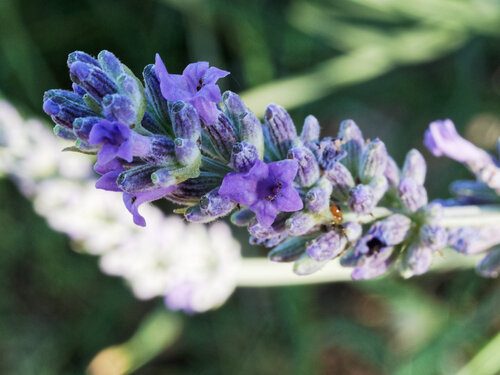
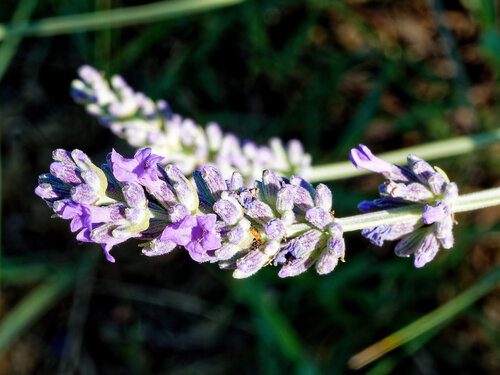
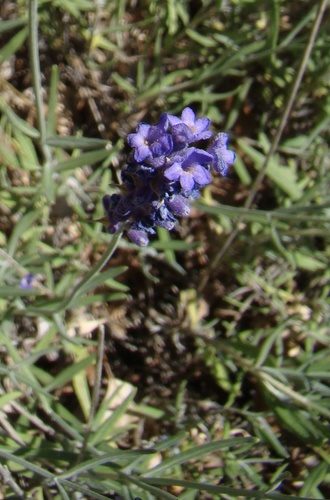
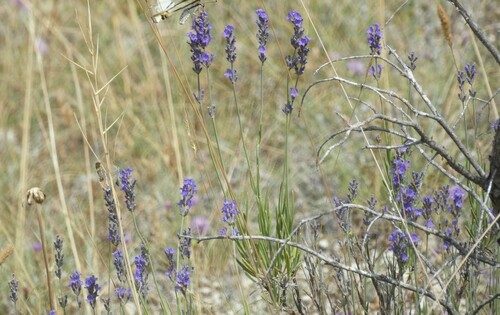
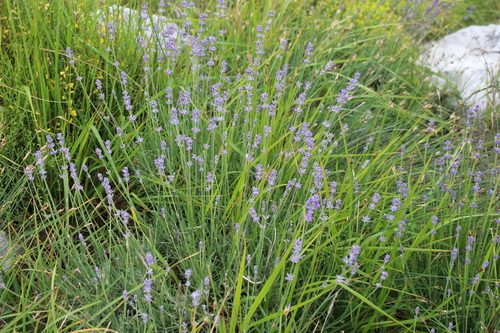
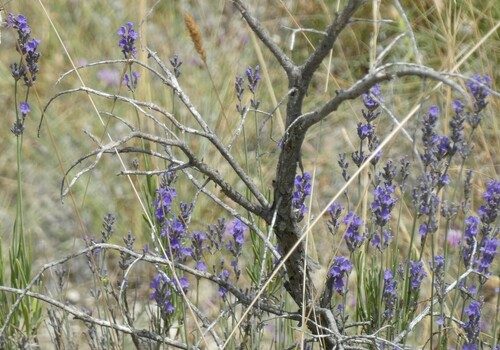
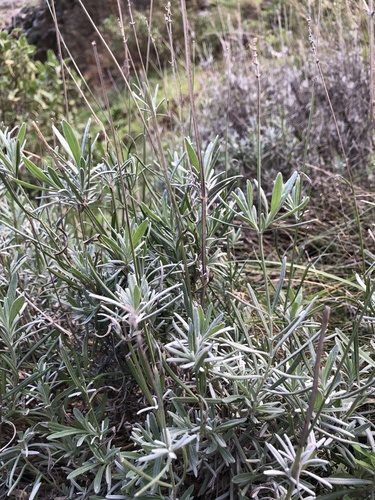
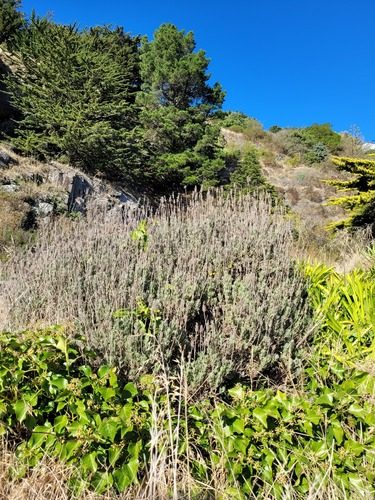
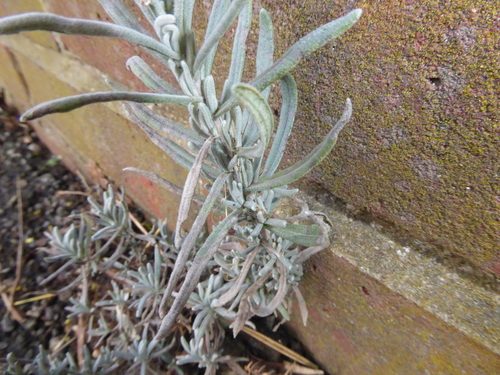
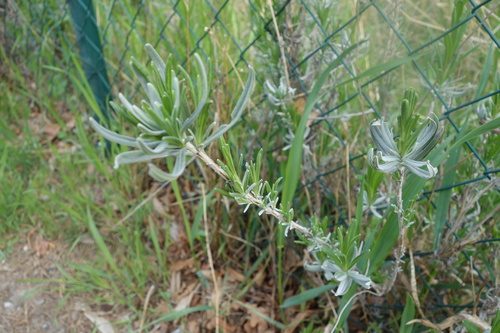
English lavender
True lavender; its early to midsummer flowers are worked hard by honey bees and give a pale, fragrant lavender honey, though pollen is scarce.
- Nectar
- Good
- Pollen
- Low
- Flowering
- JanFebMarAprMayJunJulAugSepOctNovDec
- Crystallisation
- Medium
- Height
- 0,3-0,6 m
- Life cycle
- Perennial
🐝 Add to my apiary
Log in to add it to your apiary.Value for beekeeping
A shrub from the limy, dry and sunny slopes of the western Mediterranean mountains, now grown for oil and ornament in many parts of the world. Its nectar value is good; secretion per flower is low, but the number of flowers is very high. Its pollen contribution is low, so during a long lavender flow colonies also need a pollen source.
Flowering
It flowers for 4-6 weeks from June to August. Nectar secretion is highest at around 25-30 °C on sunny, calm days and falls markedly in cool, cloudy and windy weather. Secretion is better on sandy-limy, well-drained soils.
Honey and pollen
Lavender honey is very light amber, with a floral aroma and a mild sweetness; within a few months it crystallises fine and creamy. Most French lavender honey actually comes from lavandin fields.
Note for the beekeeper
In Turkey, most of the planted area, chiefly around Kuyucak in Isparta province, is lavandin; true lavender is planted less. The harvest is taken at full bloom, so an agreement with the grower determines the yield.