

Perennial flax
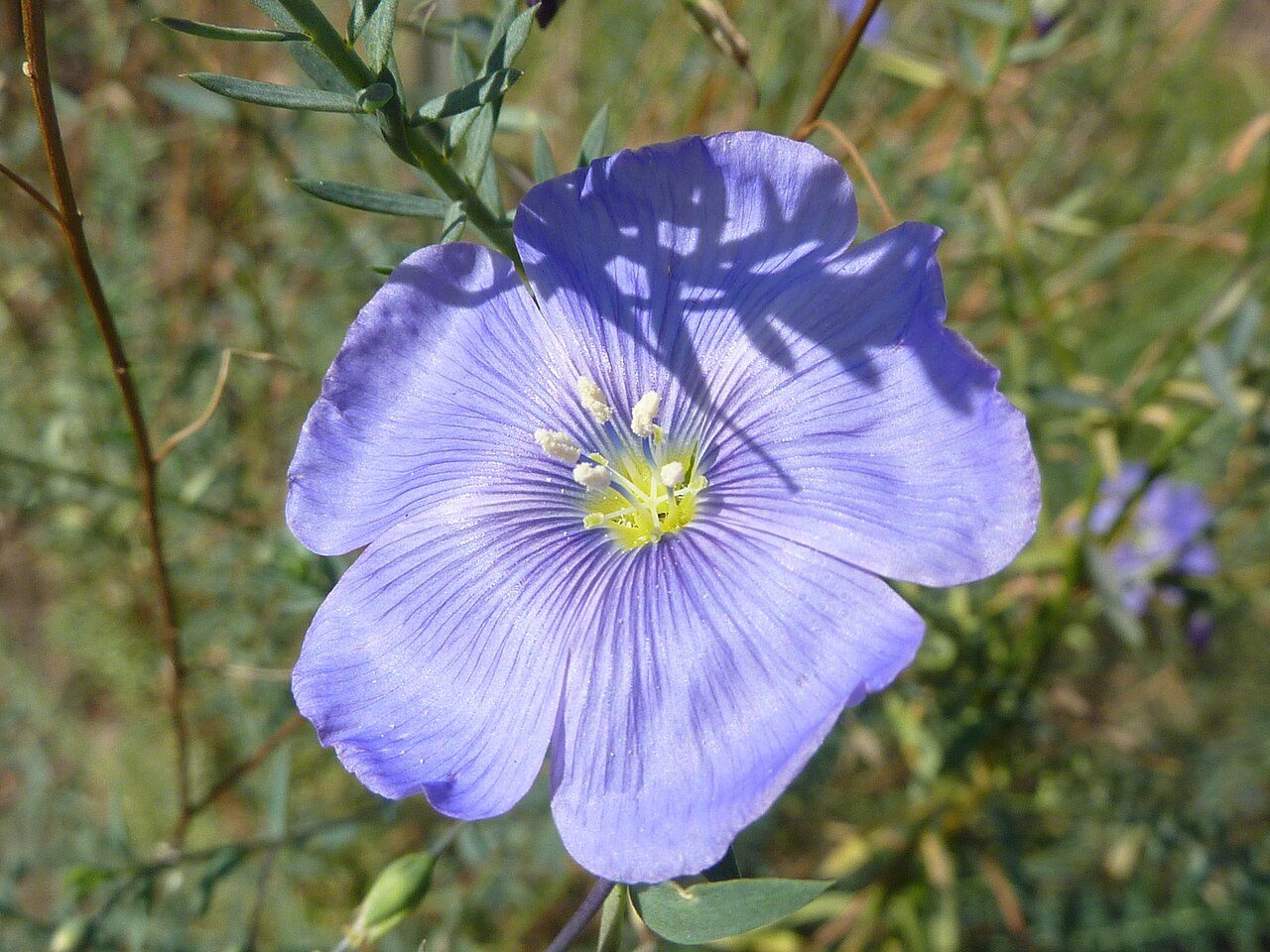
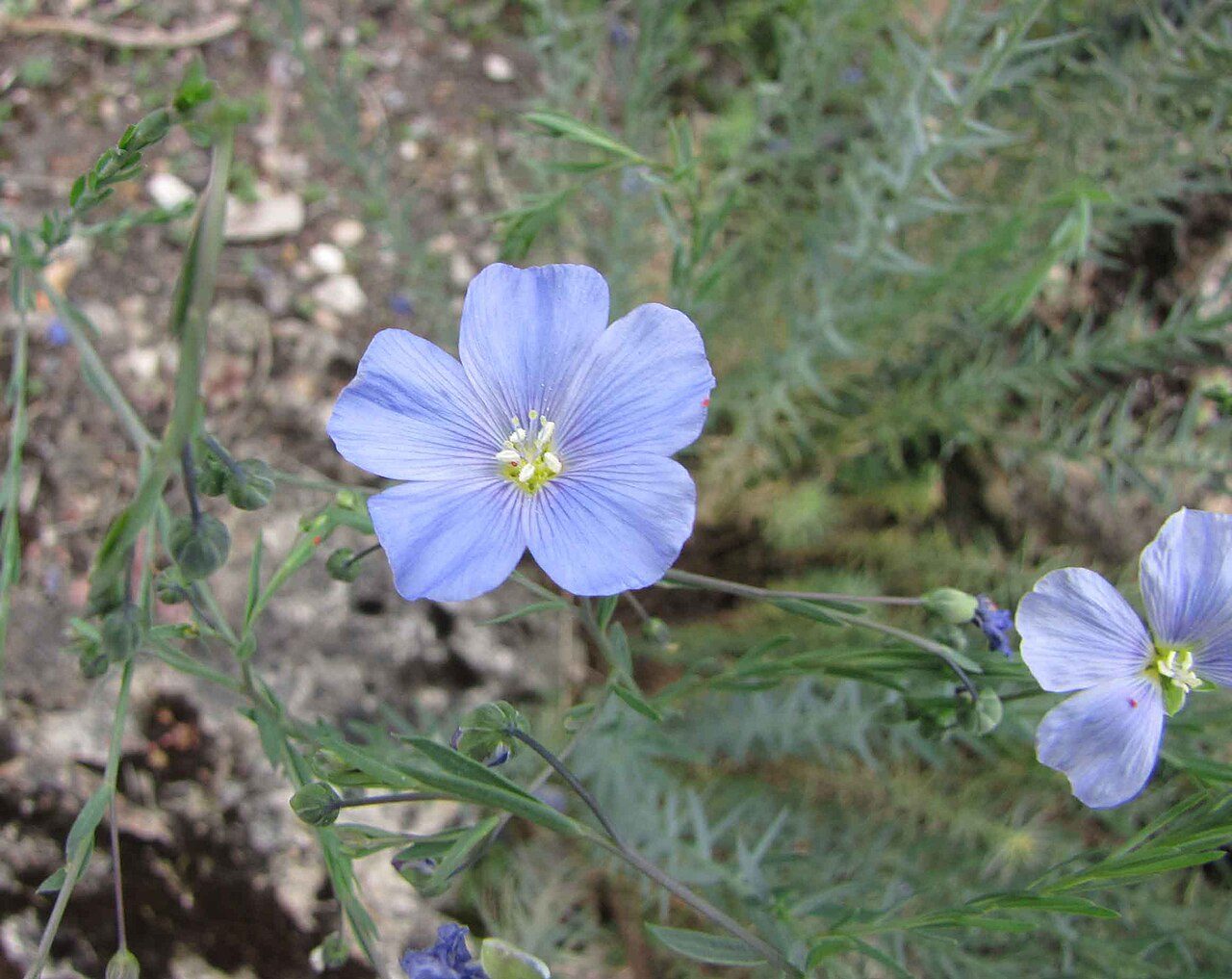
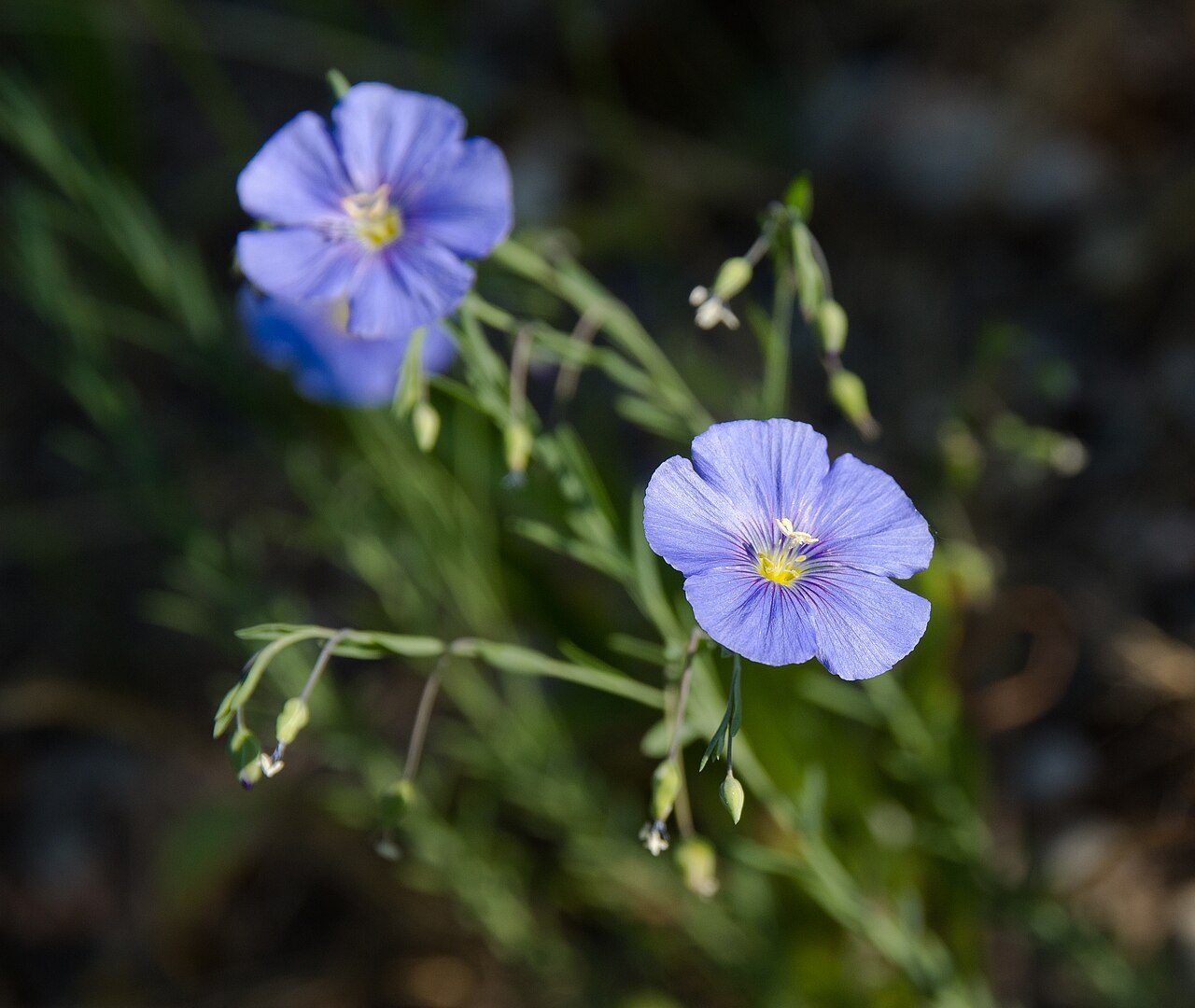
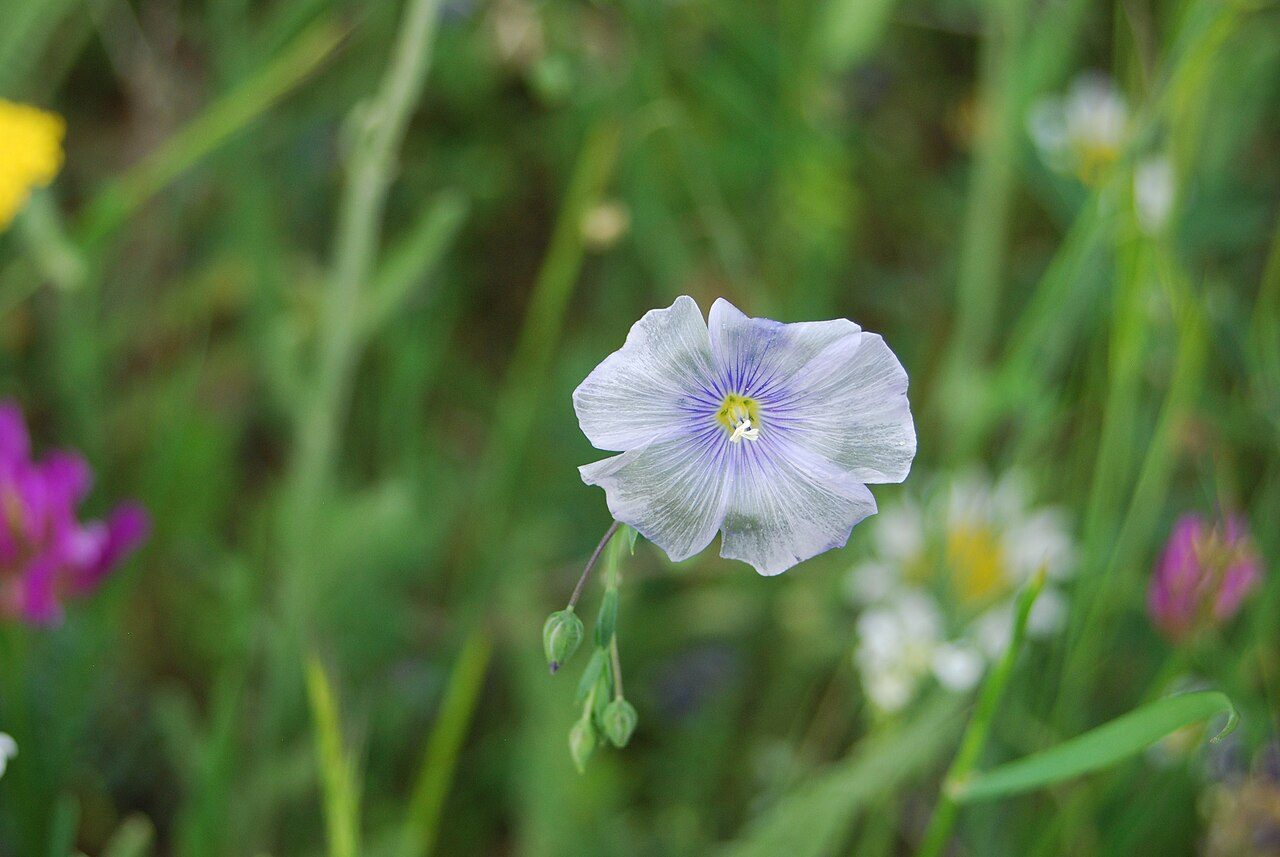
Sky-blue perennial flax of dry, calcareous steppes and slopes; flowers stay open only in the morning and give moderate nectar and pollen.
- Nectar
- Medium
- Pollen
- Medium
- Flowering
- JanFebMarAprMayJunJulAugSepOctNovDec
- Height
- 0.3-0.6 m
- Life cycle
- Perennial
🐝 Add to my apiary
Log in to add it to your apiary.Value for beekeeping
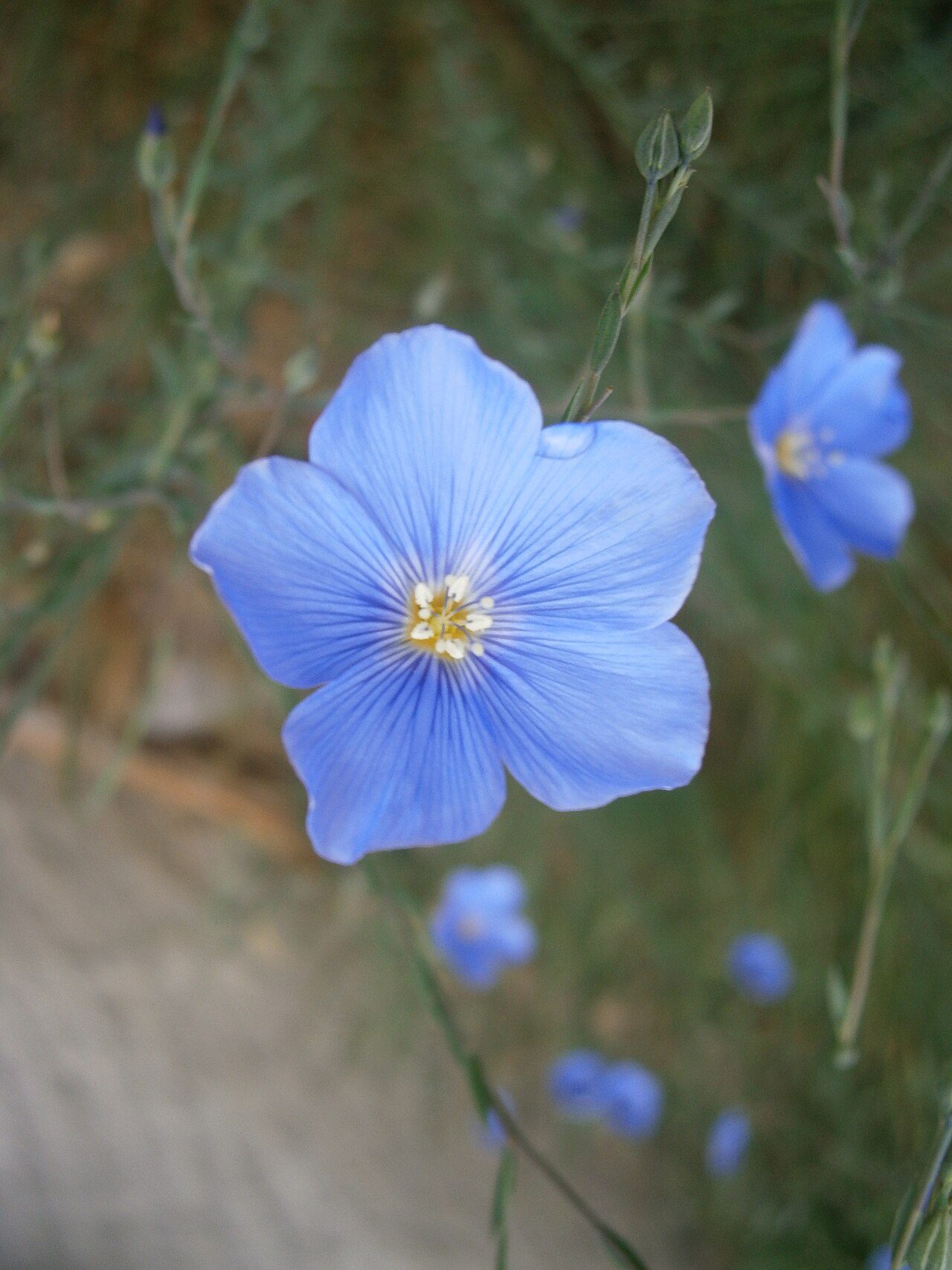
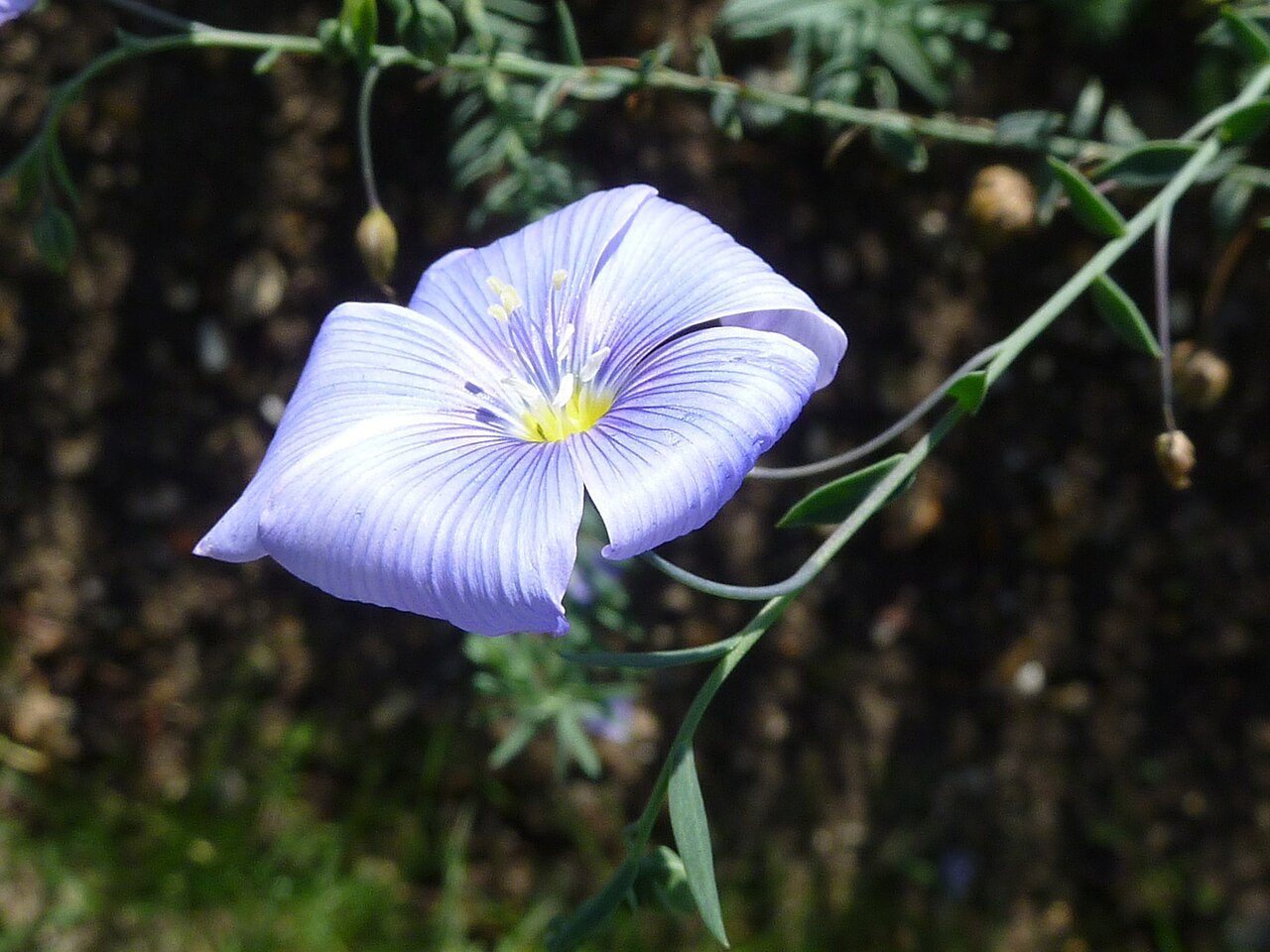
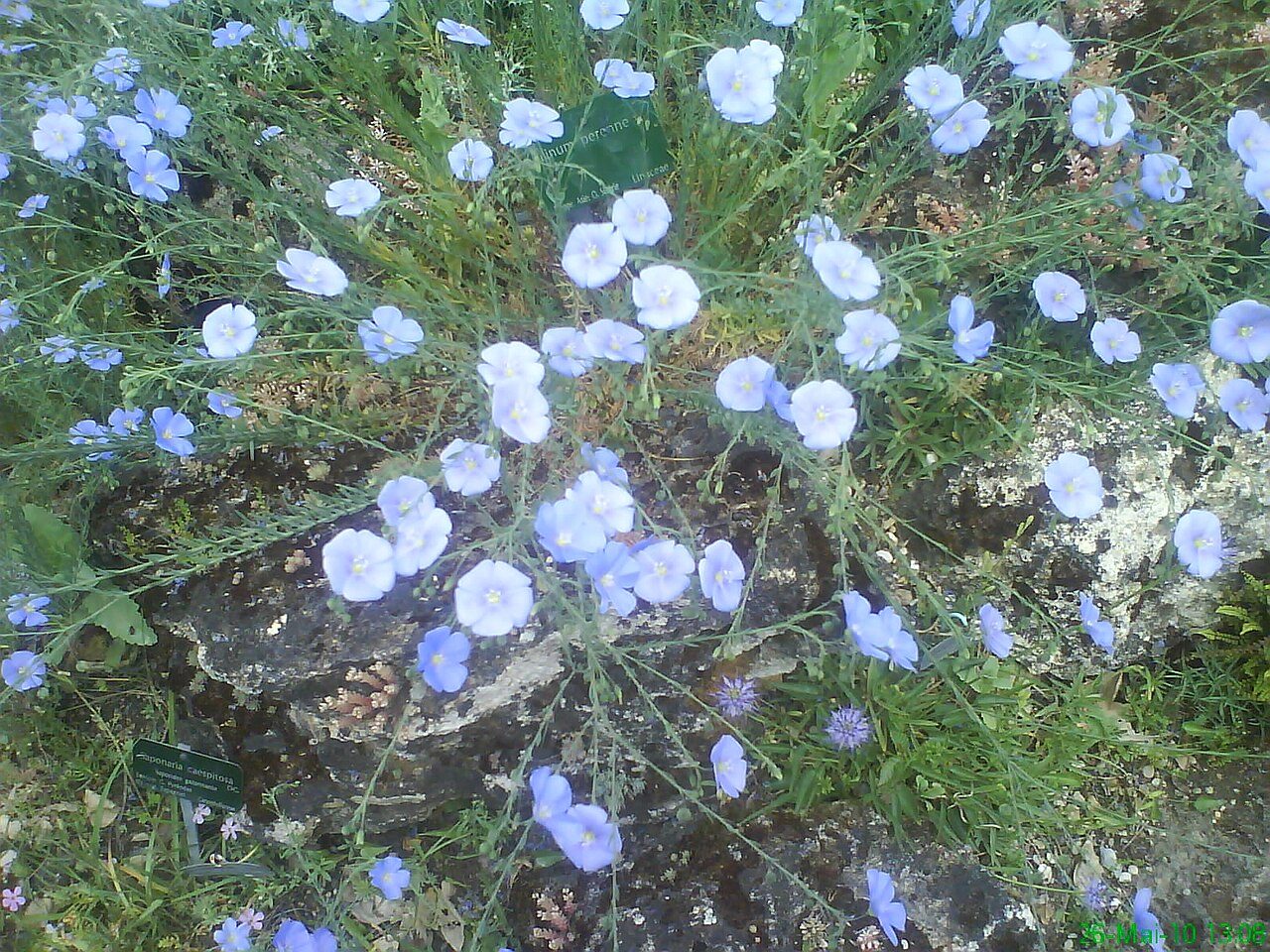
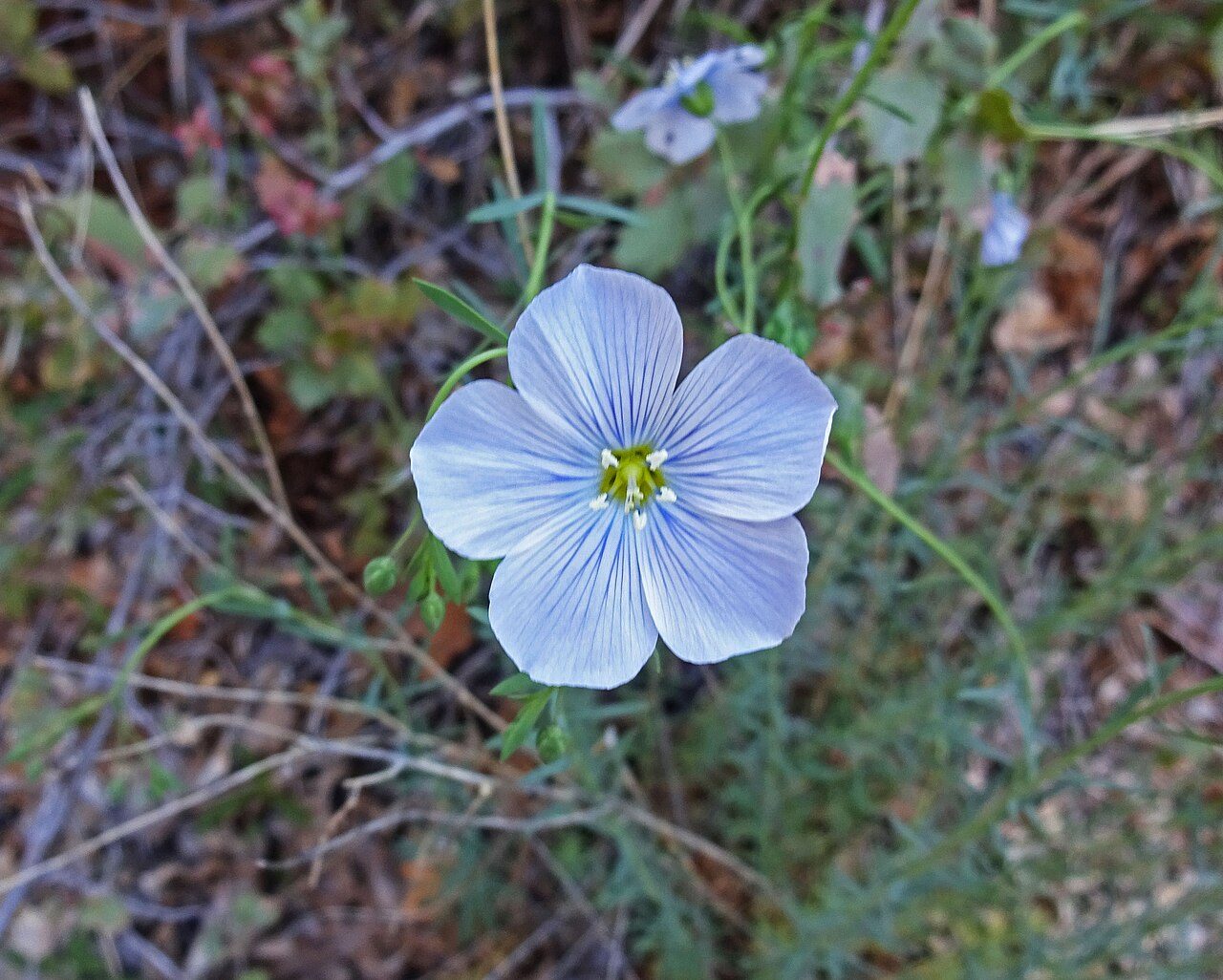
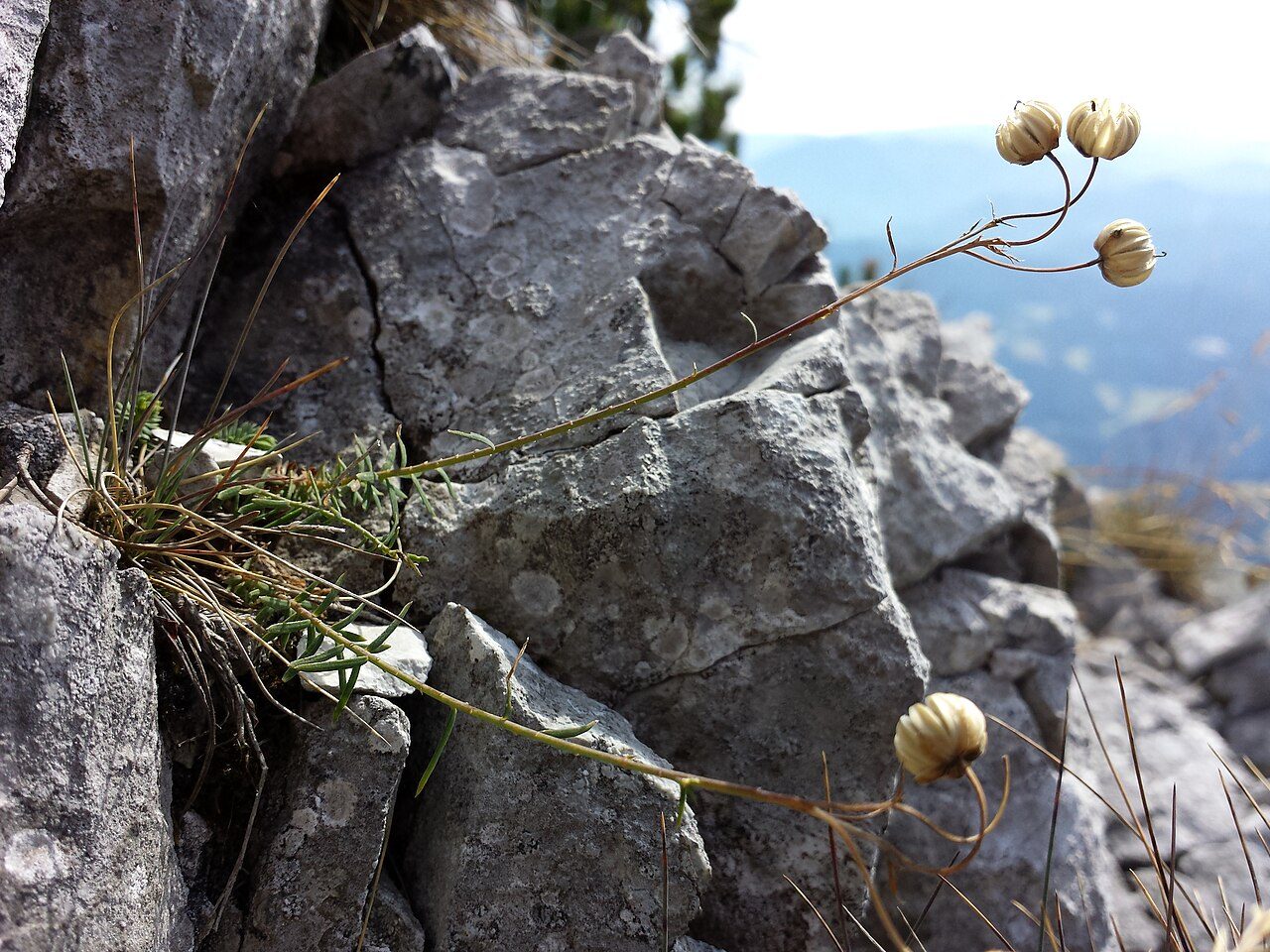
Perennial flax is a slender-stemmed plant with bluish-green leaves that grows on dry, calcareous steppes, stony slopes and sparse grassland from Europe to the Caucasus, Anatolia and Central Asia. Its sky-blue, five-petalled flowers open early in the morning and most of them drop their petals in the afternoon; new flowers open every day. Nectar collects in small glands at the base of the petals; honey bees come regularly in the morning for nectar and pollen.
Flowering
It flowers for several weeks from May to July; in cool places it can continue into August.
Honey and pollen
It has no honey of its own; it makes a small contribution to mixed steppe and highland honeys.
Note for the beekeeper
It is very drought-tolerant and suits dry bee gardens, flower-strip mixtures and banks. It self-seeds and stays put for years. Because visits are concentrated in the morning, spraying in the surrounding area should be left until the evening.