

Winter honeysuckle
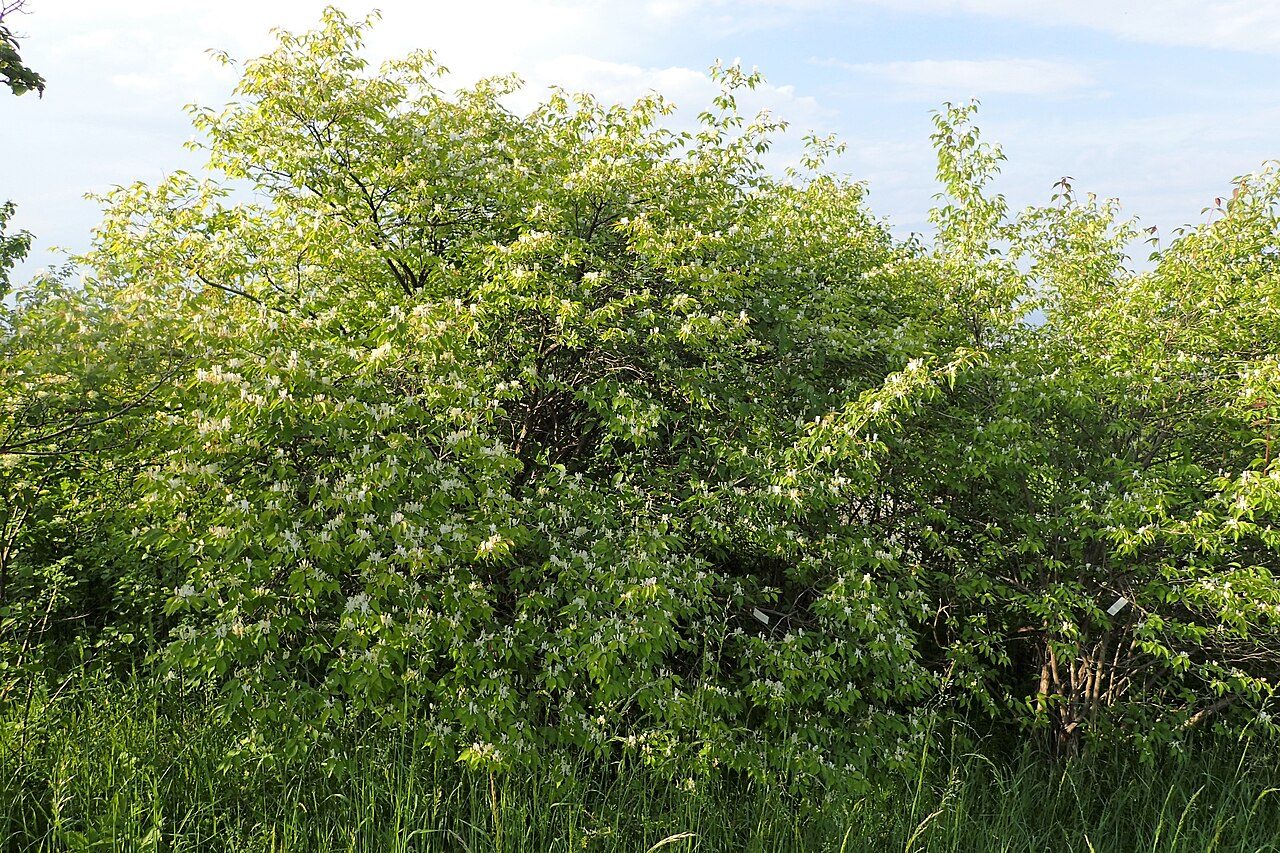
A fragrant Chinese shrub flowering in winter and early spring; on mild winter days it is an almost unrivalled nectar and pollen source.
- Nectar
- Medium
- Pollen
- Medium
- Flowering
- JanFebMarAprMayJunJulAugSepOctNovDec
- Height
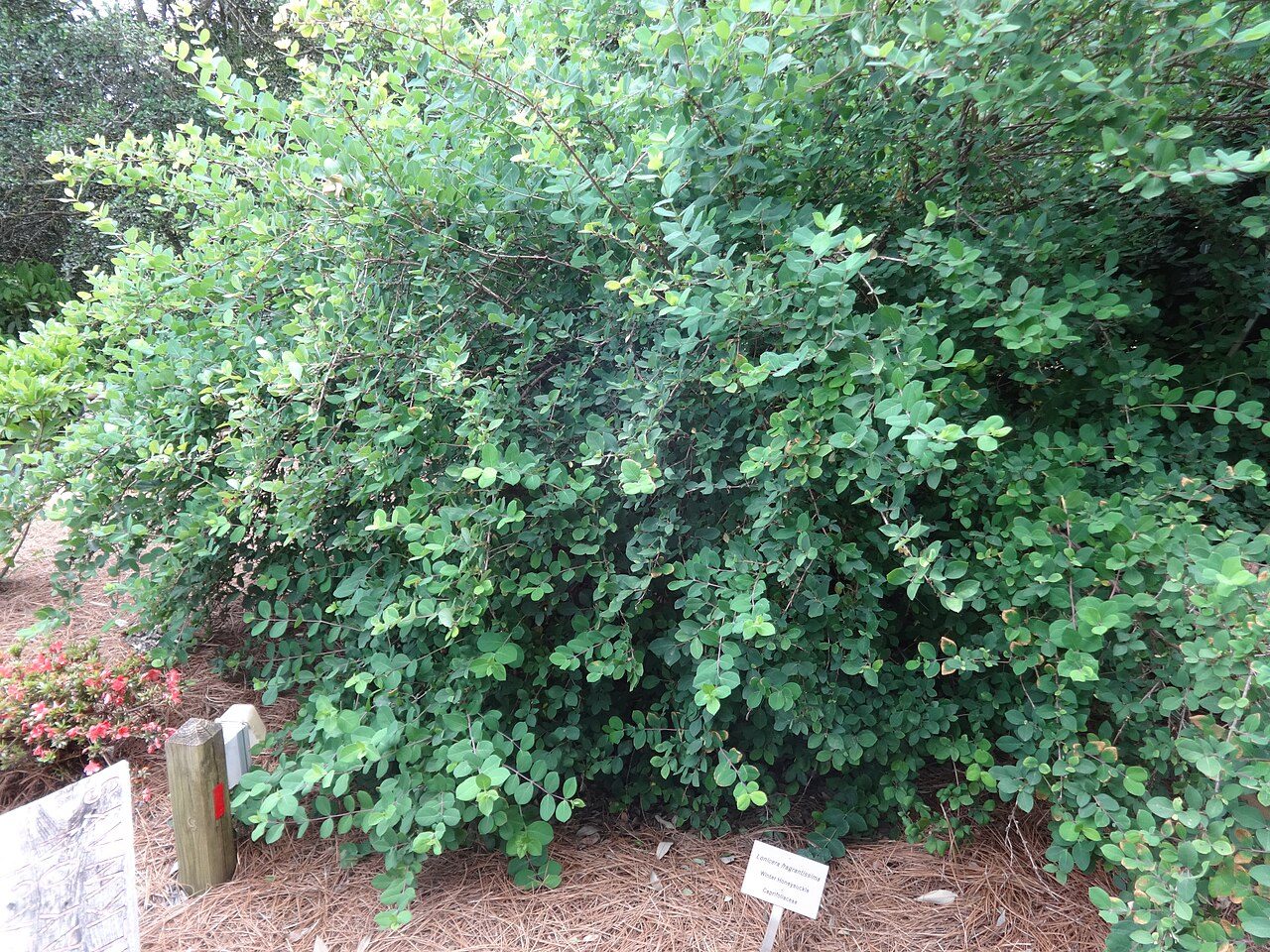
- 2-3 m
- Life cycle
- Perennial
🐝 Add to my apiary
Log in to add it to your apiary.Value for beekeeping
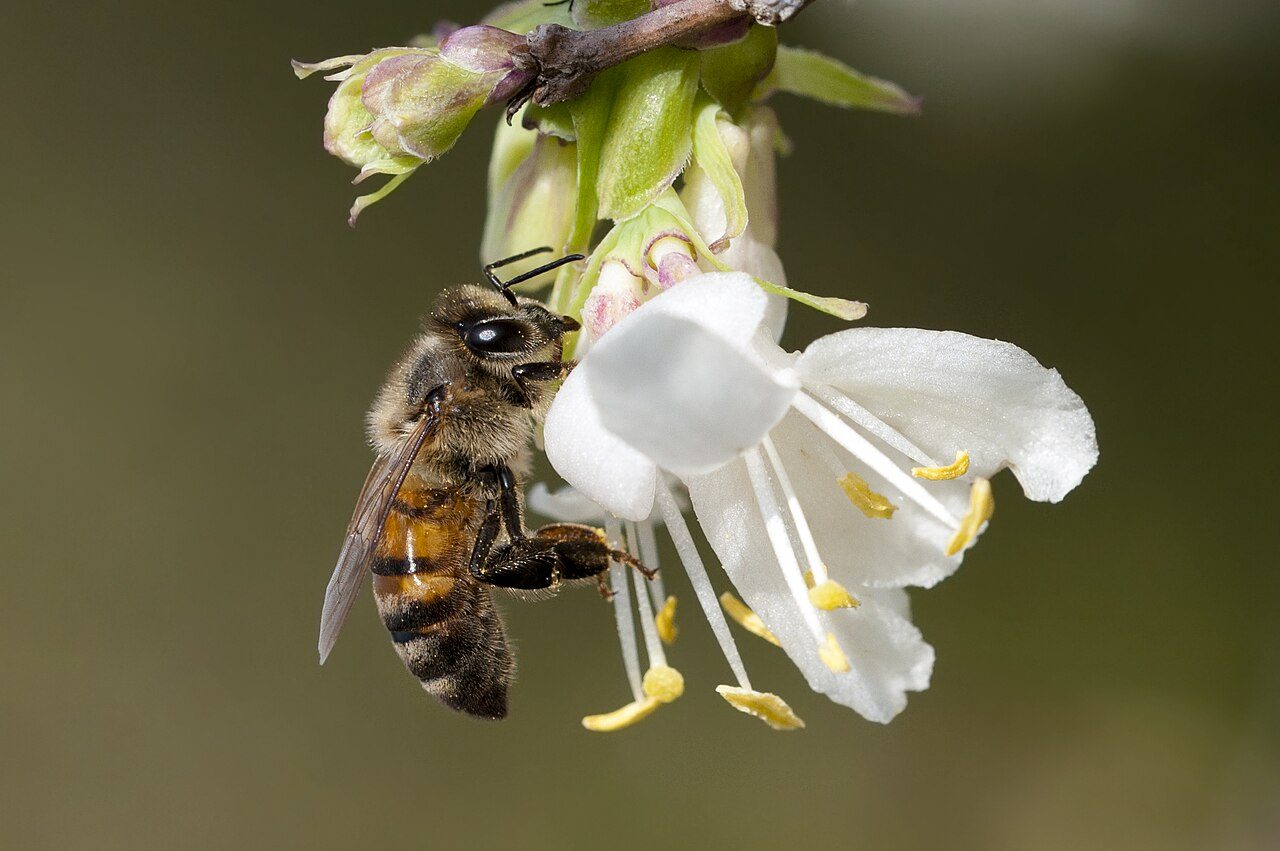
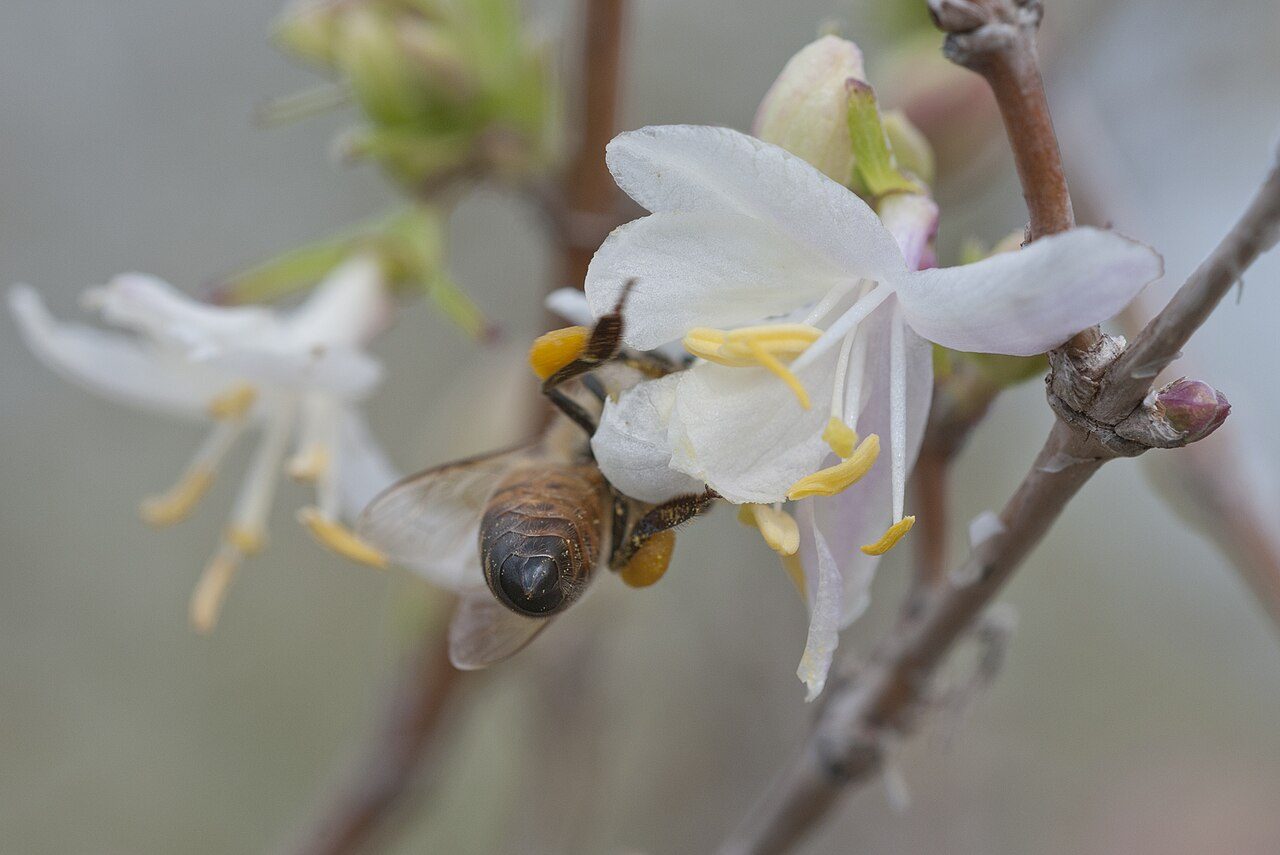
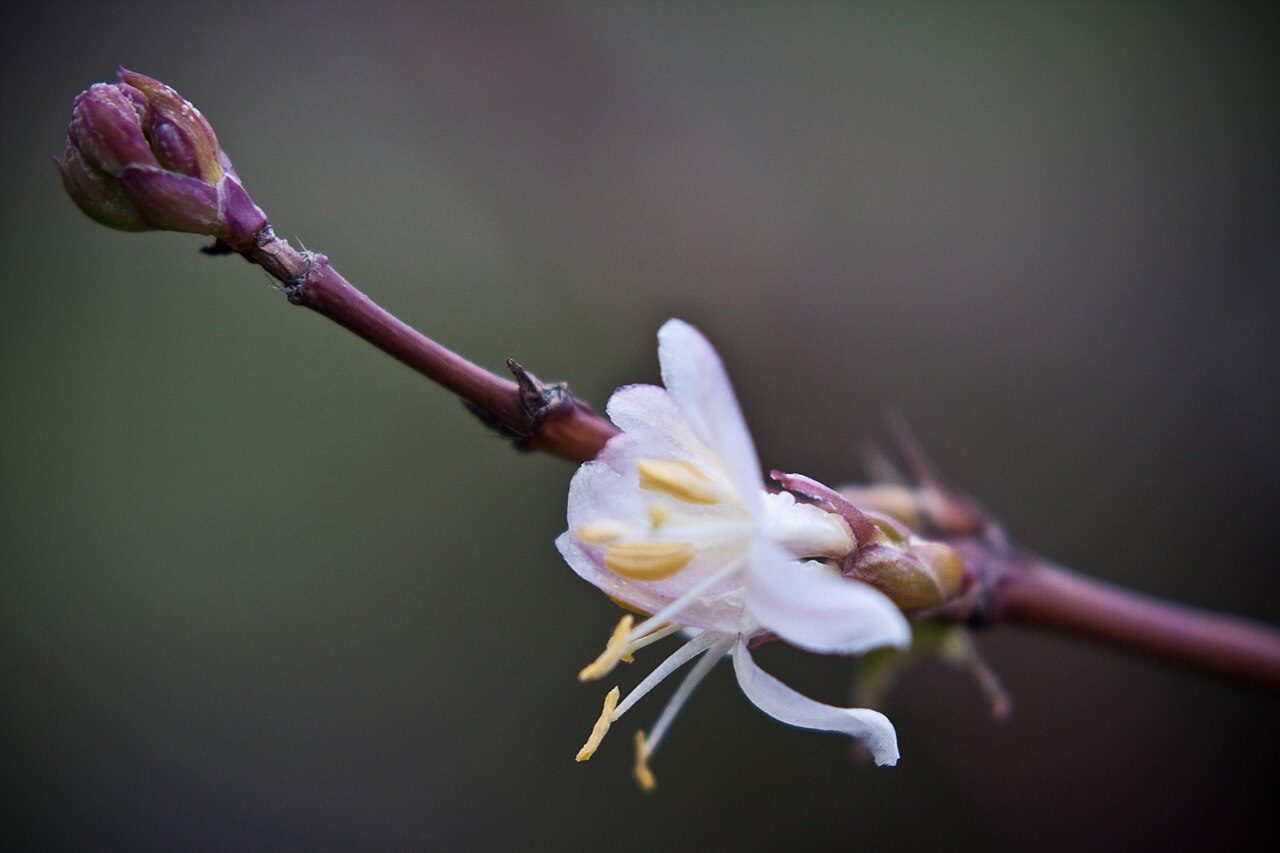
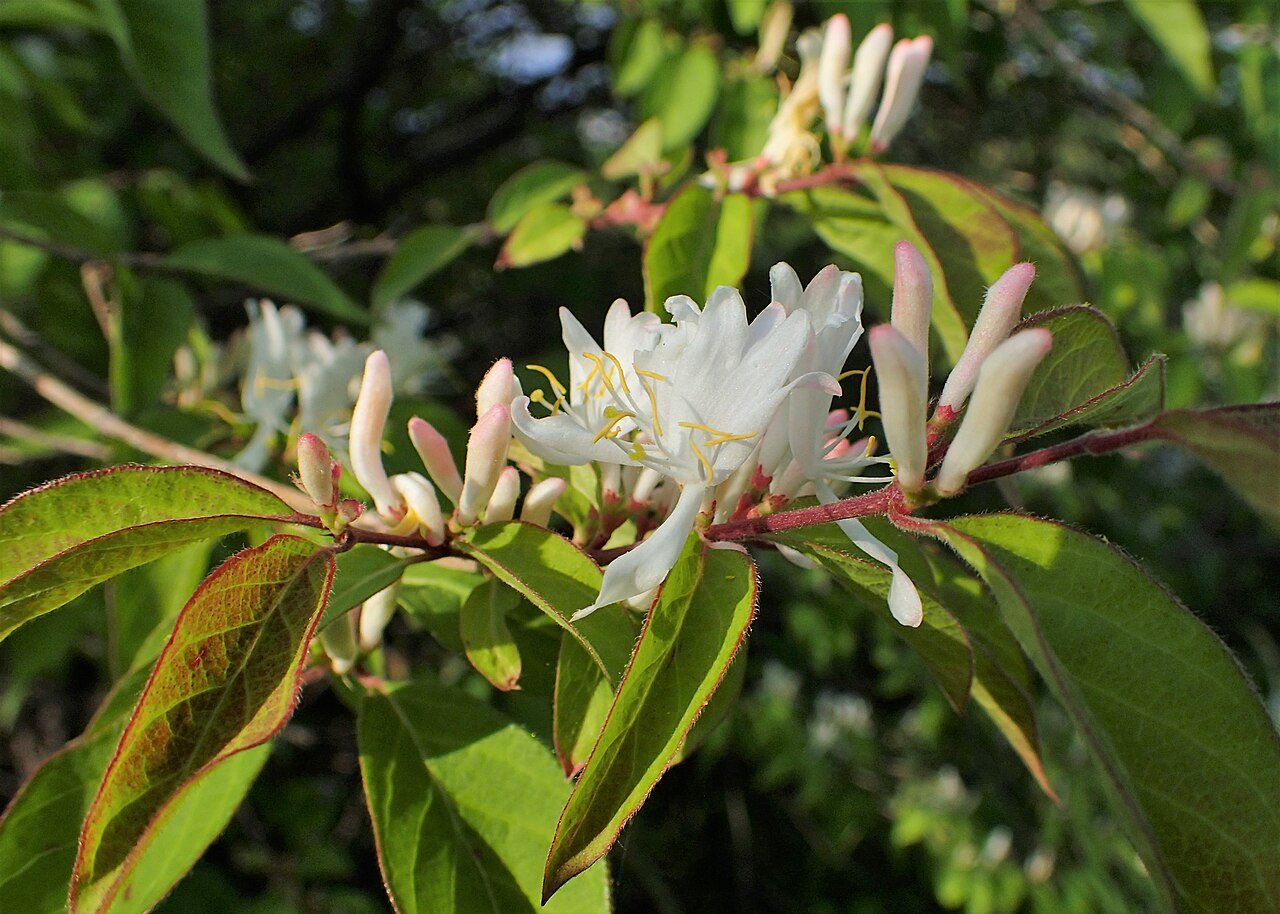
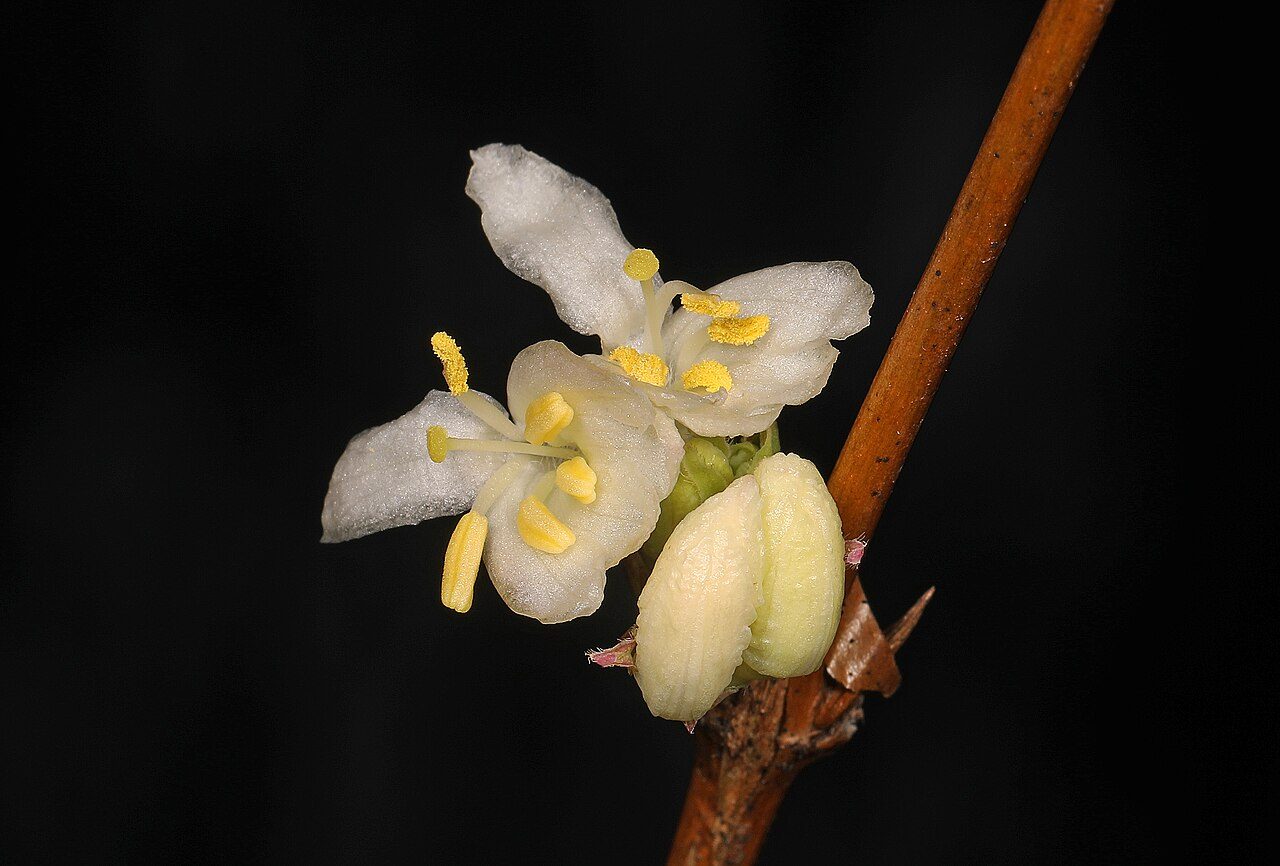
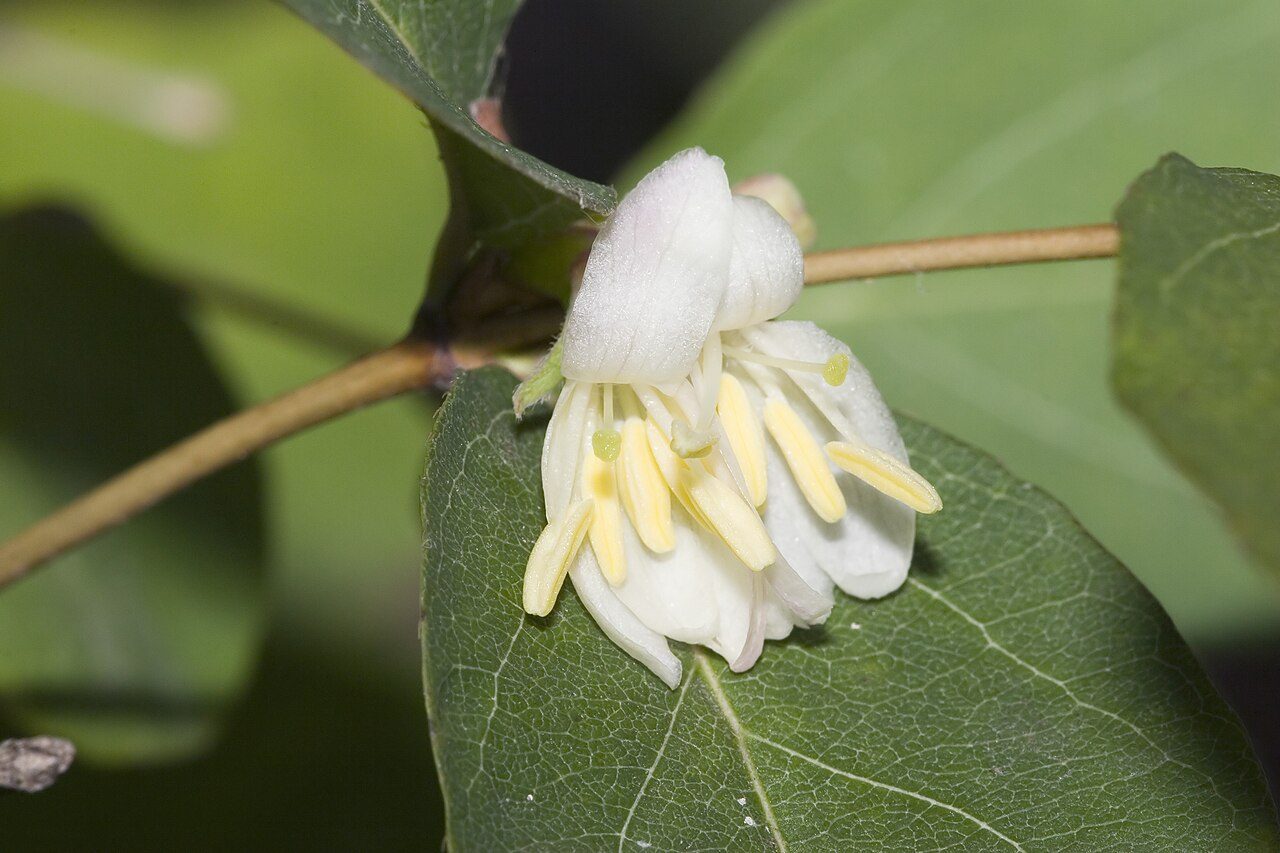
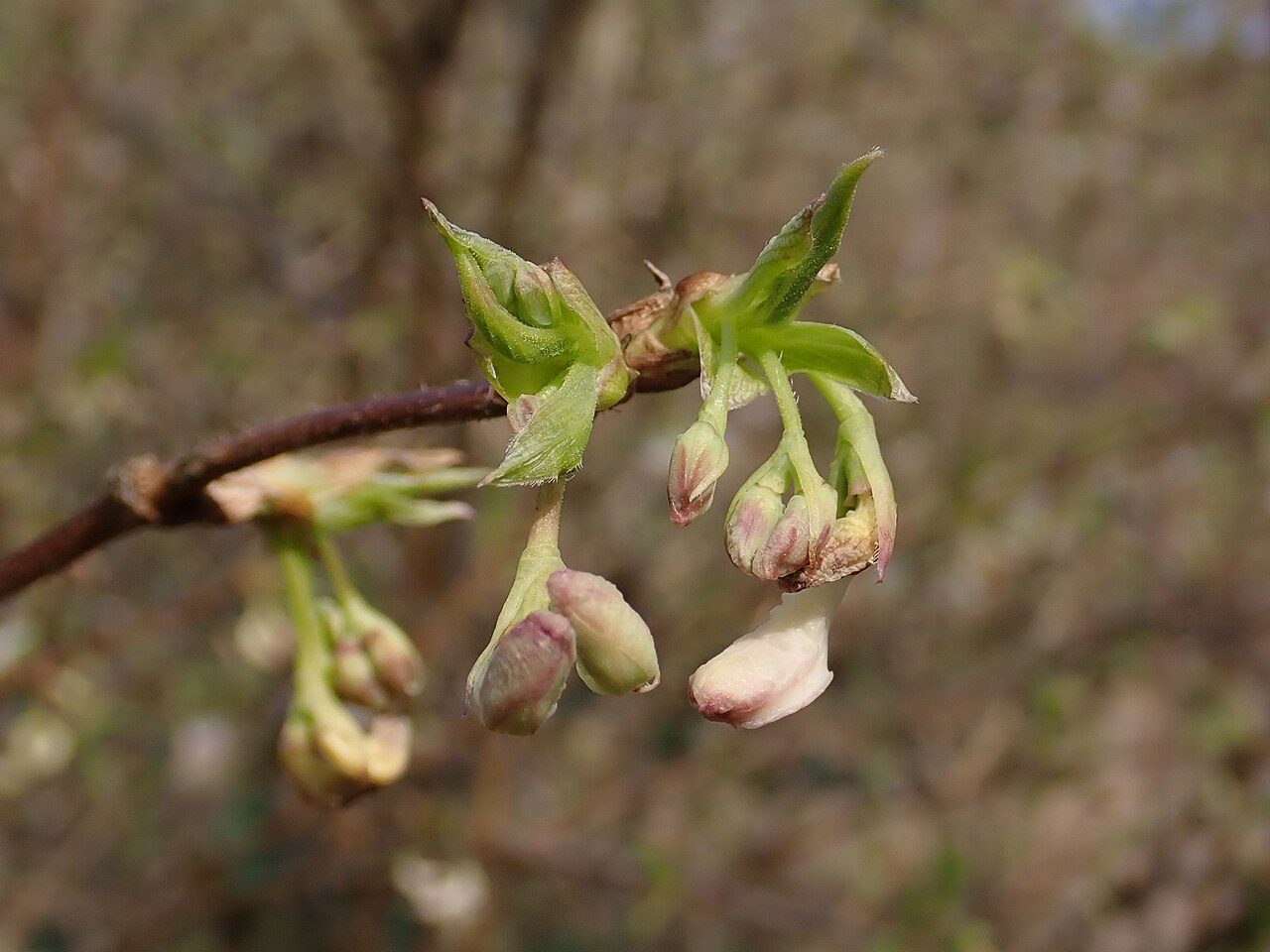
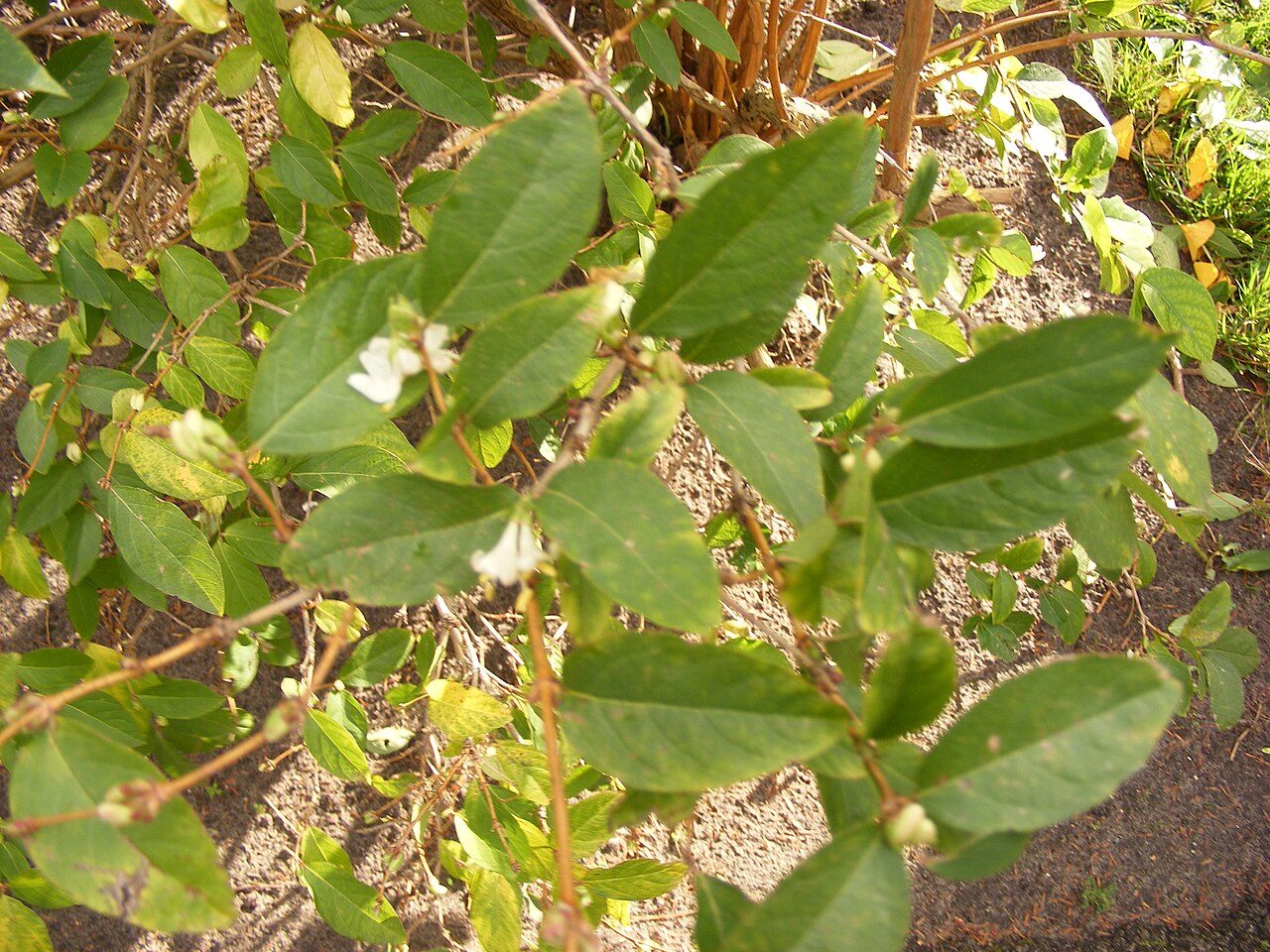
Winter honeysuckle is a semi-evergreen ornamental shrub from China. Its value comes from flowering in winter and early spring, when almost nothing else is in bloom. Its short-tubed, creamy white flowers offer nectar and pollen within reach of honey bees; on mild winter days, bees that venture out quickly find this shrub.
Flowering
It opens bit by bit from December to March whenever the weather turns mild. Hard frost can scorch open flowers; new buds then open afterwards. Its strong, lemony scent carries a long way.
Honey and pollen
The quantity is small and does not show up in the honey harvest; its importance lies in supplying fresh nectar and pollen during cleansing flights at the end of winter.
Note for the beekeeper
Planted in a south-facing, sheltered corner of the apiary, it becomes one of the first pollen sources in midwinter. It grows well on the Marmara, Aegean and Black Sea coasts of Turkey. The red berries are not edible.