

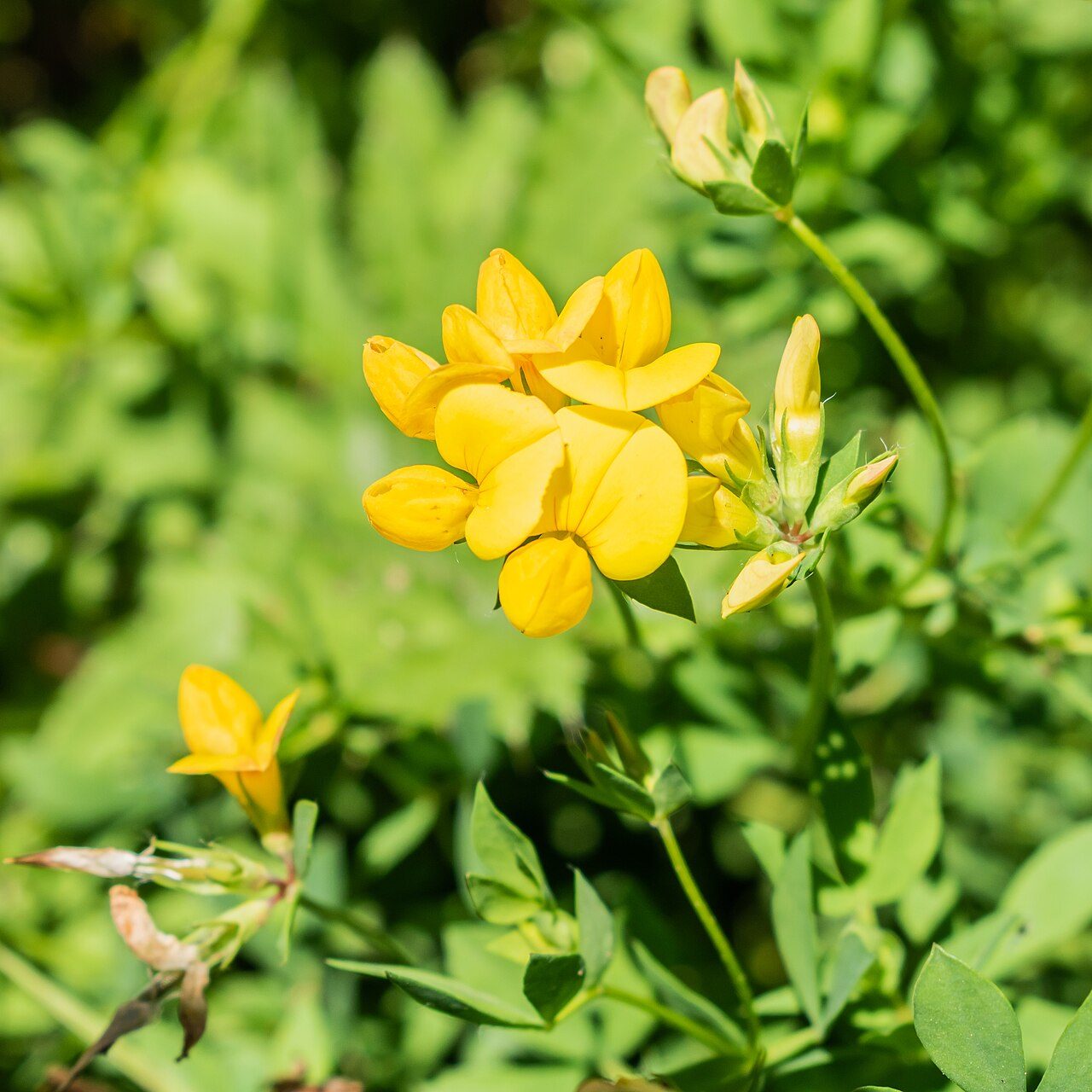
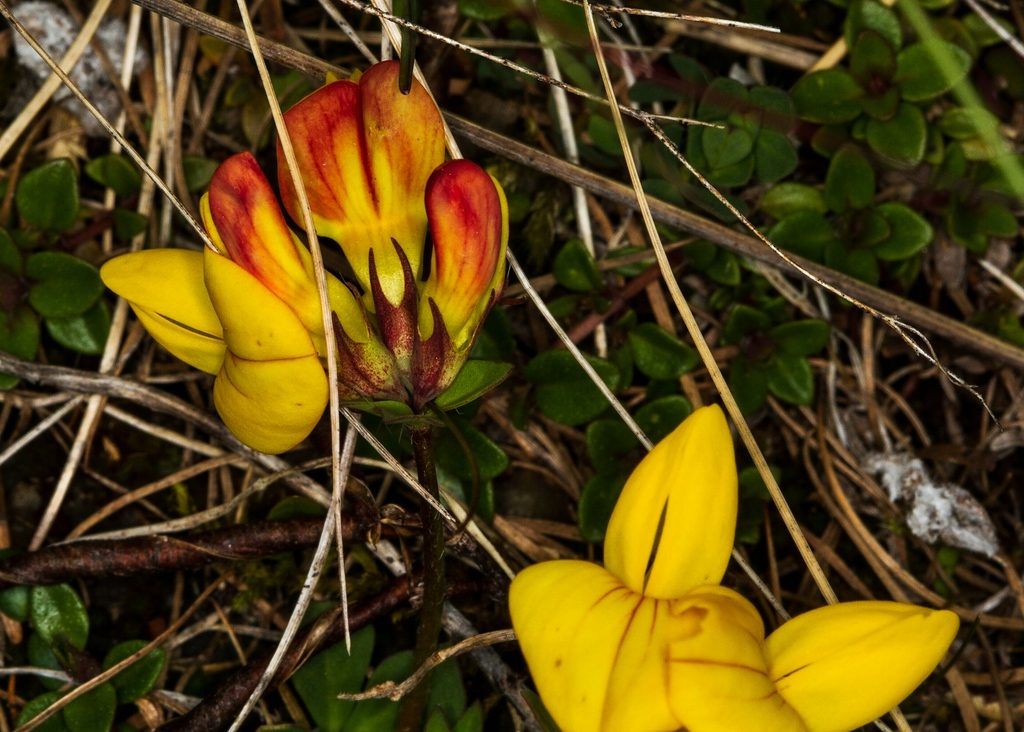
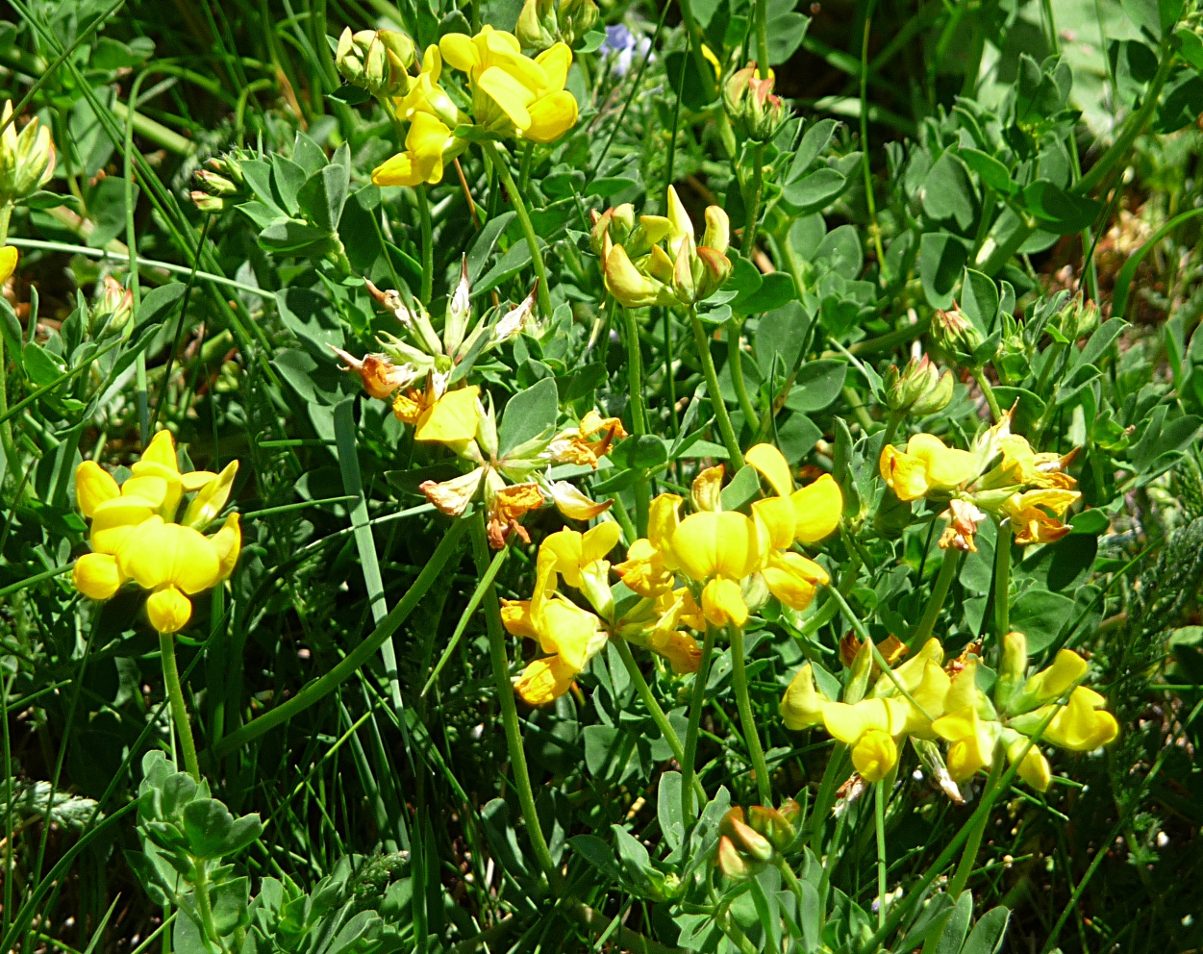
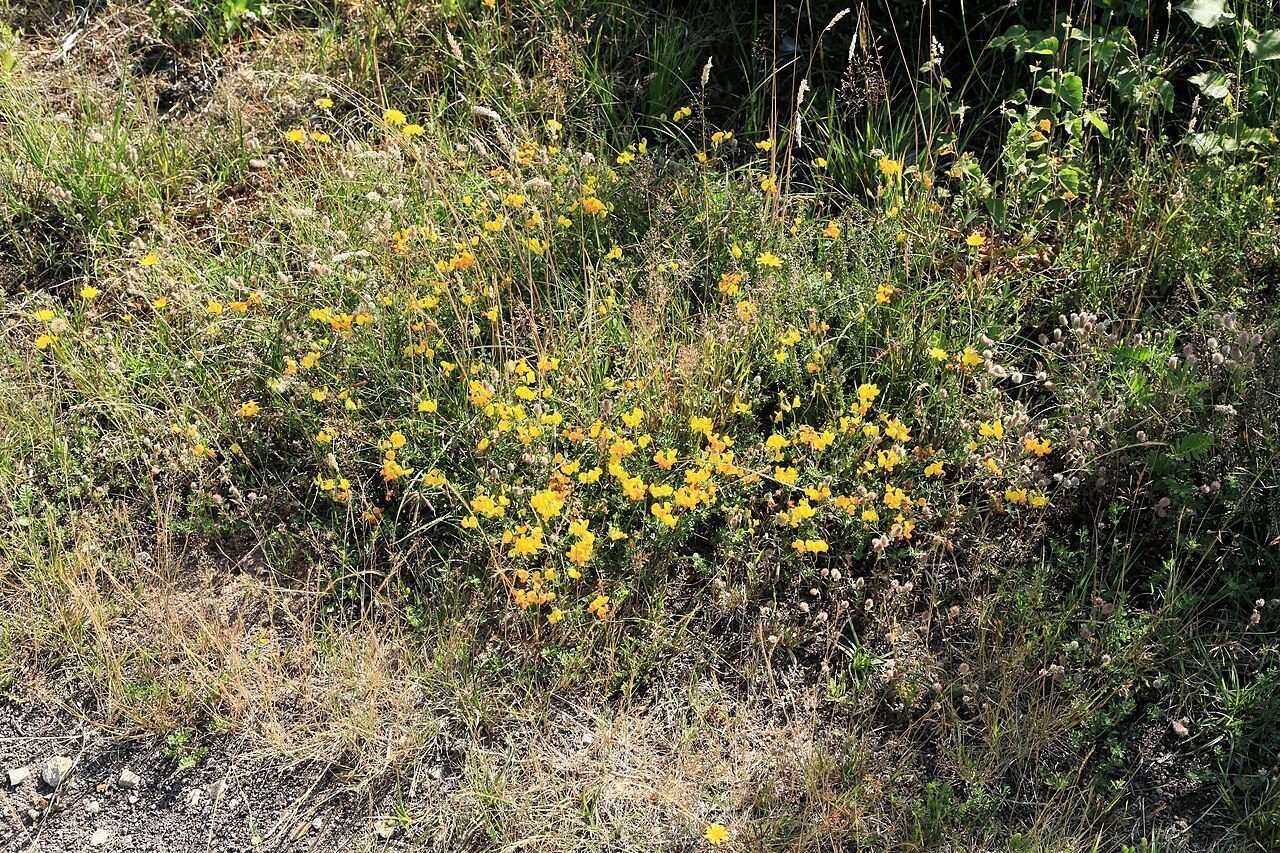
Bird's-foot trefoil
Yellow-flowered legume of meadows and pastures; drought-tolerant, it supplies nectar and protein-rich pollen from May to August.
- Nectar
- Good
- Pollen
- Medium
- Flowering
- JanFebMarAprMayJunJulAugSepOctNovDec
- Height
- 0.1-0.4 m
- Life cycle
- Perennial
🐝 Add to my apiary
Log in to add it to your apiary.Value for beekeeping
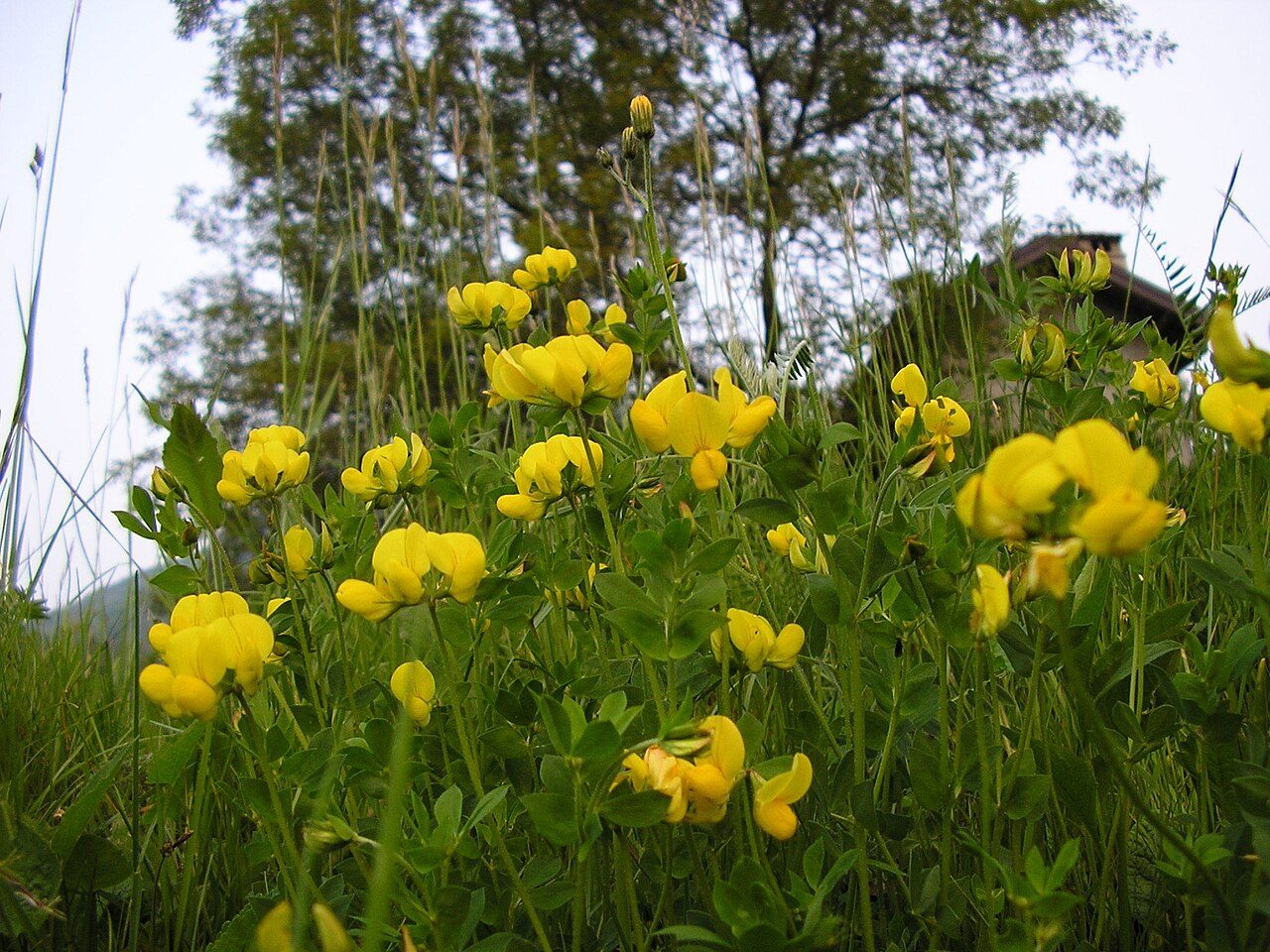
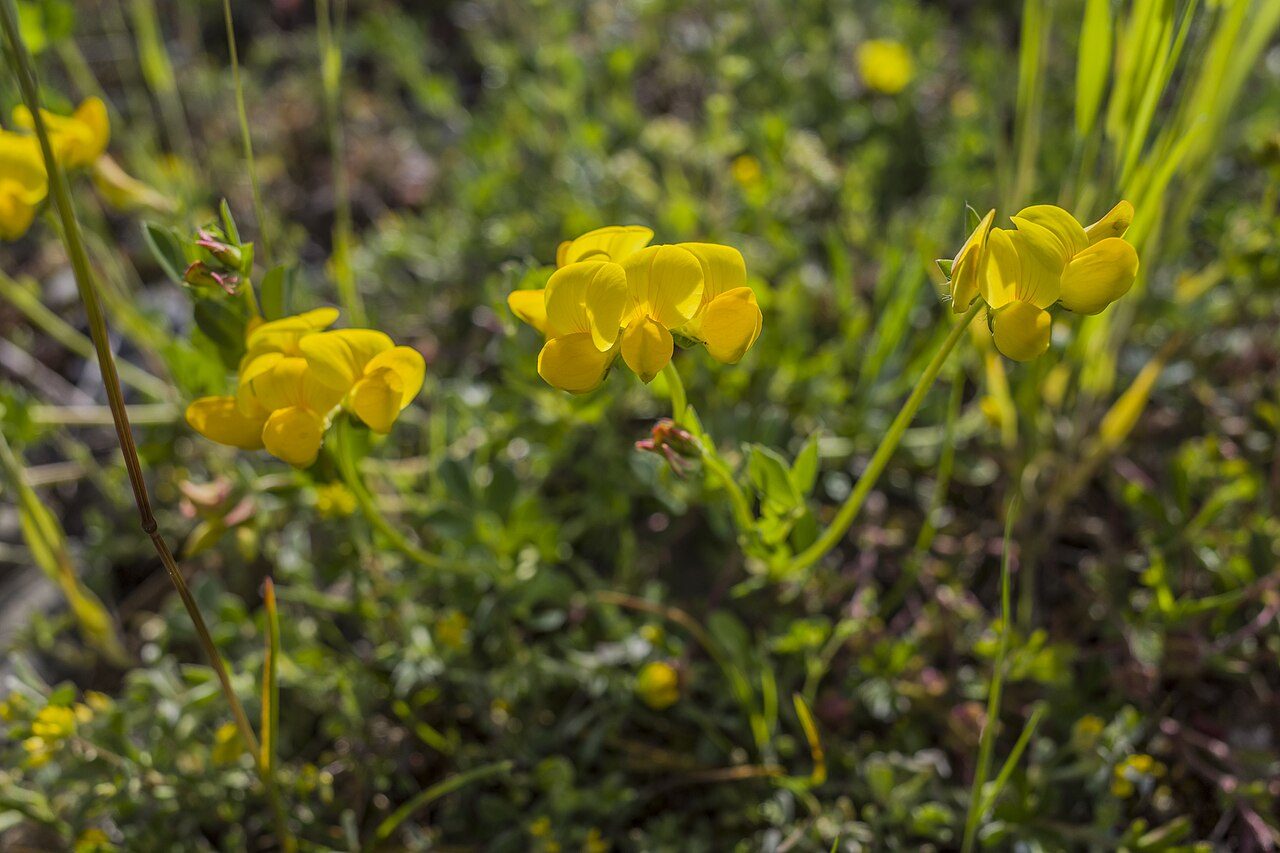
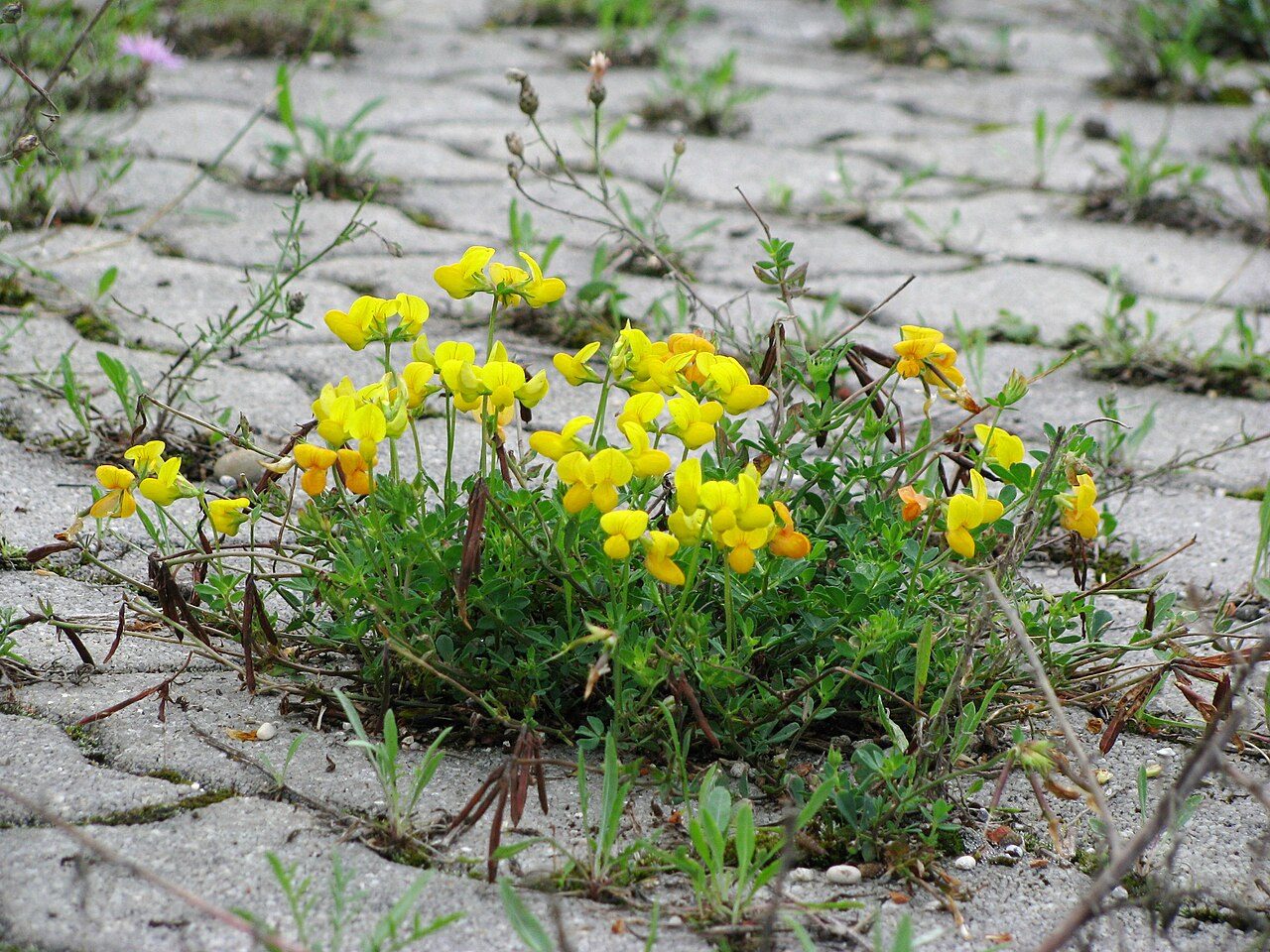
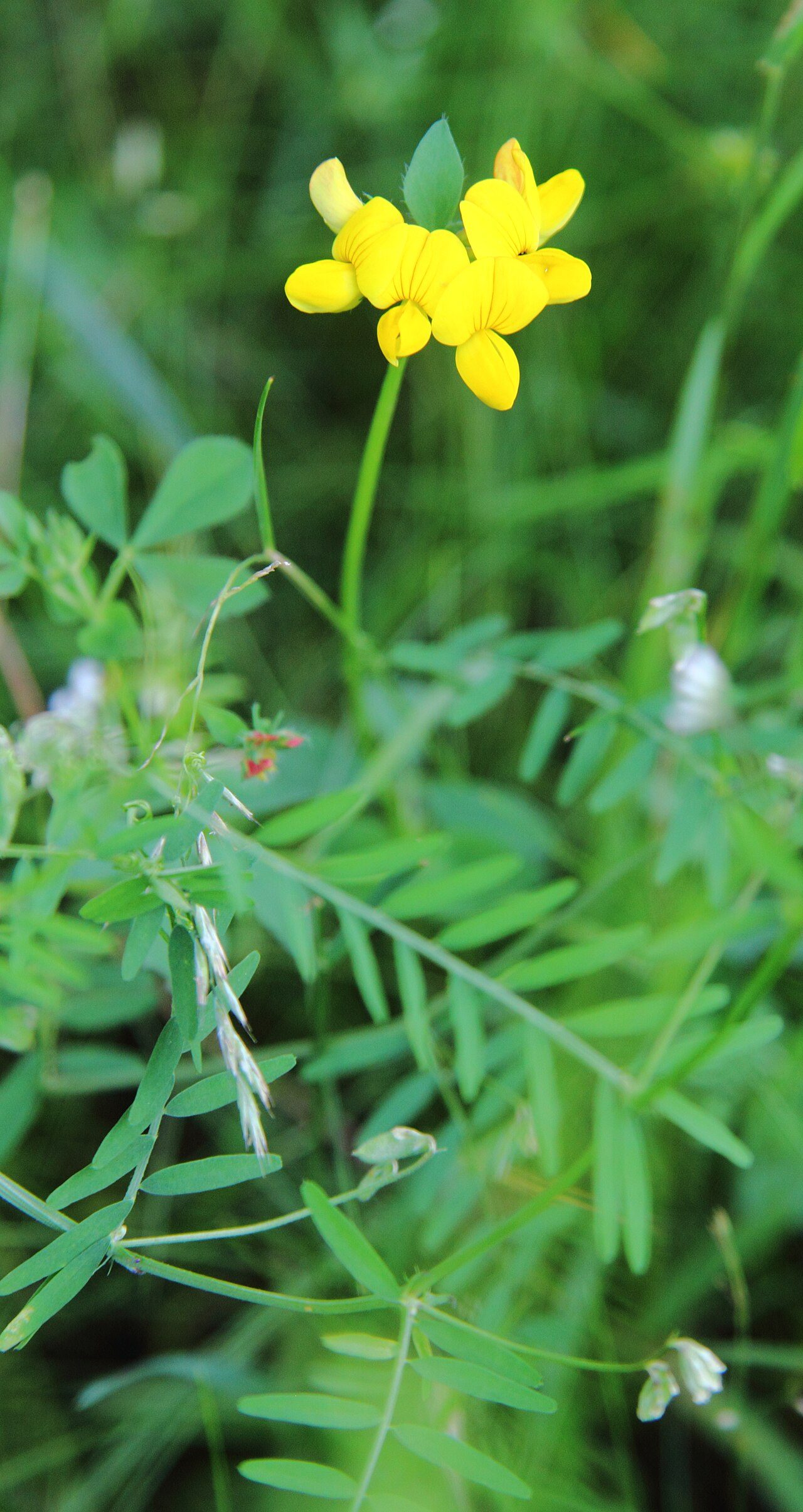
Bird's-foot trefoil is a perennial legume growing in meadows, pastures and along roadsides. Its yellow flowers give both nectar and pollen, and honey bees and bumblebees visit them regularly. It tolerates drought better than alfalfa and also flowers on poor, acidic soils.
Flowering
It flowers for a long period from May to August, depending on grazing and mowing.
Honey and pollen
Very little is produced as a separate honey; its nectar goes into meadow and mountain honeys. Pollen is collected in moderate amounts; as legume pollen it is rich in protein.
Note for the beekeeper
Using bird's-foot trefoil in pasture improvement and forage mixtures benefits beekeepers directly; besides its high feed value, the fact that it does not cause bloat is an advantage for the farmer. Some individual plants contain small amounts of cyanogenic compounds; these have no known harmful effect on honey or bees.