

European hop-hornbeam
A wind-pollinated tree of limestone slopes, mixed with oak and hornbeam; it has no nectar but offers a little spring pollen and occasional honeydew.
- Nectar
- None
- Pollen
- Low
- Flowering
- JanFebMarAprMayJunJulAugSepOctNovDec
- Height
- 10-15 m
- Life cycle
- Perennial
🐝 Add to my apiary
Log in to add it to your apiary.Value for beekeeping
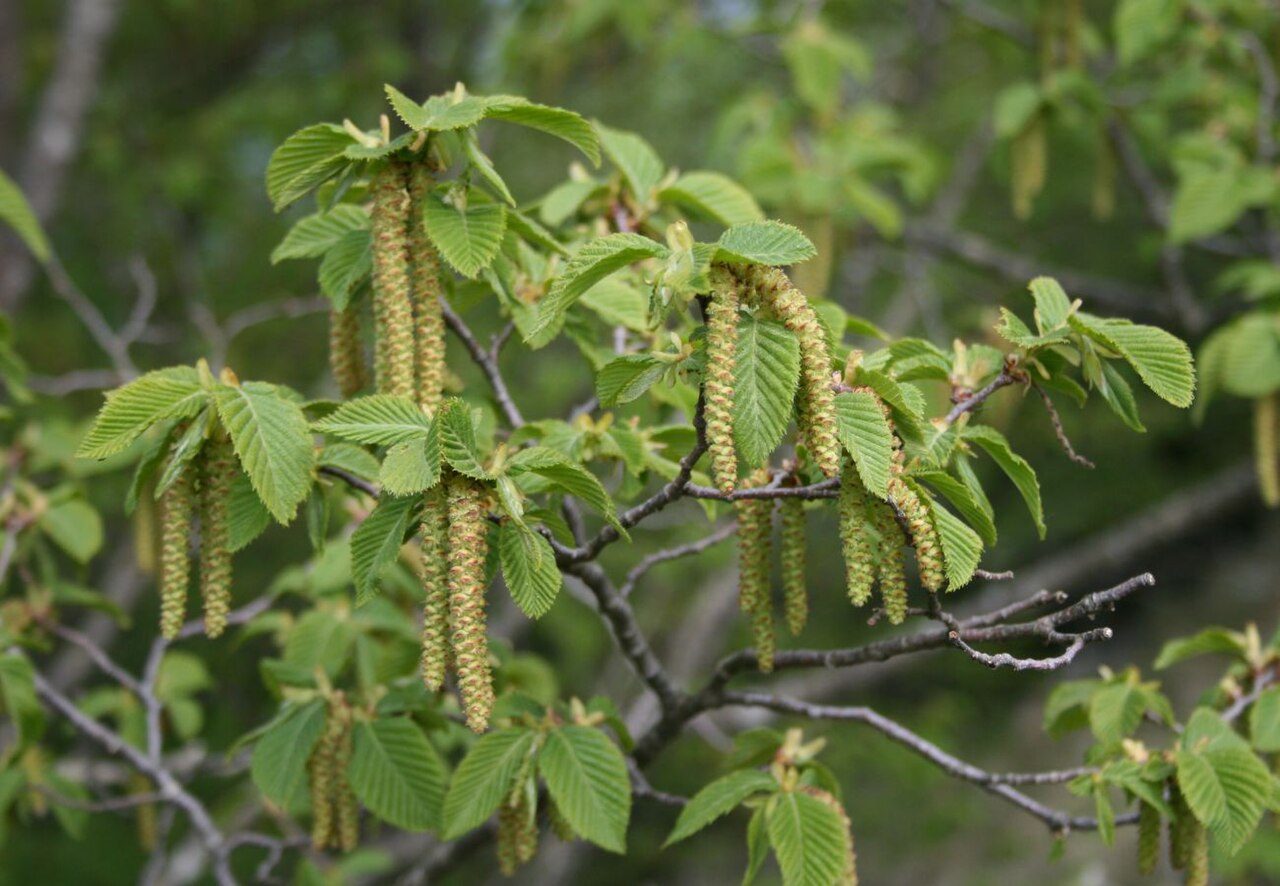
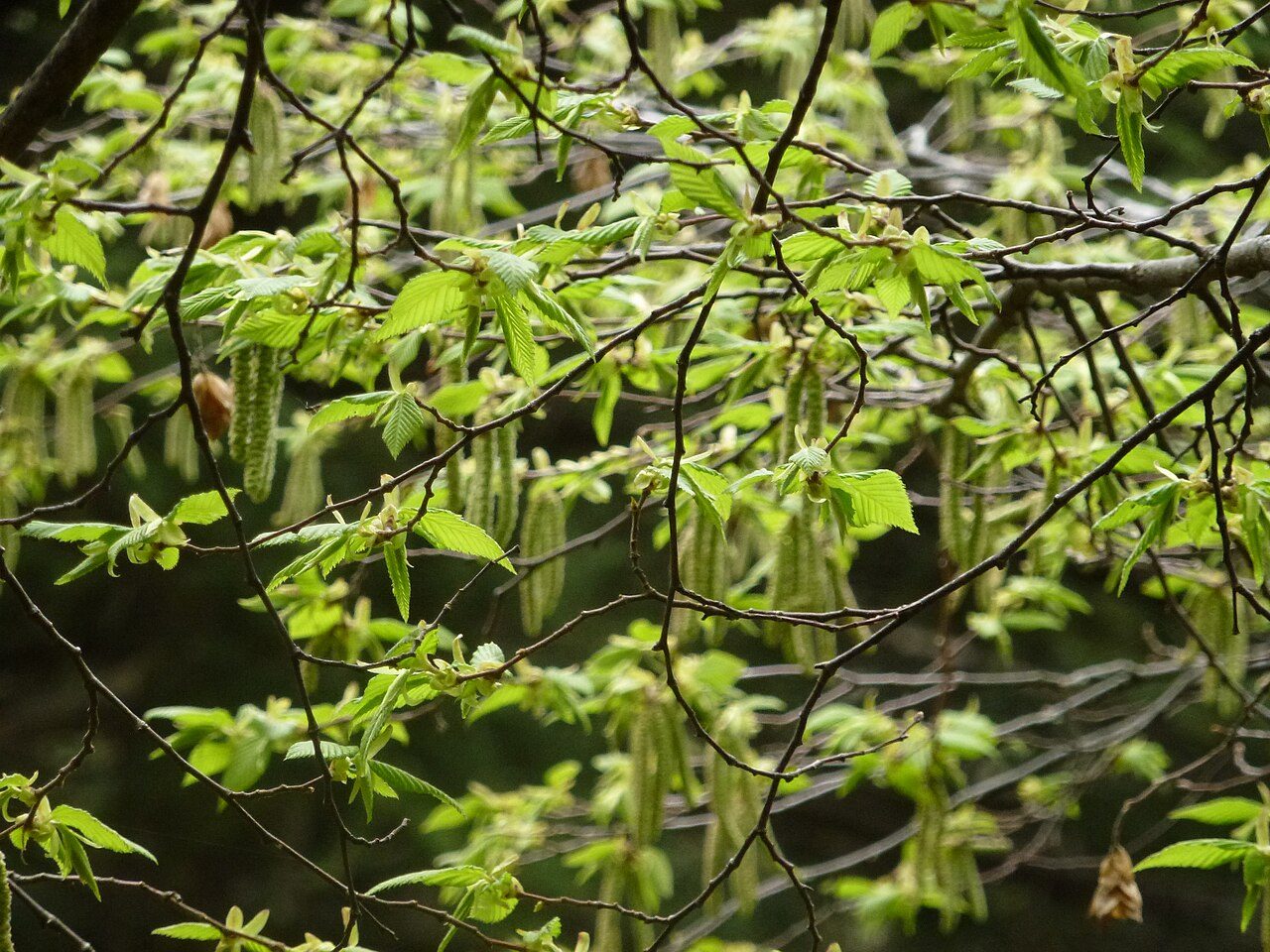
European hop-hornbeam grows on calcareous, rocky slopes from southern Europe to the Balkans, northern and western Anatolia and the Caucasus, in mixed forests with oak, hornbeam and ash. Its flowers are wind-pollinated; the male catkins shed pollen and the female flowers produce no nectar. For beekeeping it is a secondary source.
Flowering
It flowers in April and May, together with the leaves. At this time there are usually more attractive flowers nearby, so honey bees show limited interest in its pollen.
Honey and pollen
It contributes no honey. Although there is enough pollen, it ranks low in the bees' preferences. In some years aphids and similar insects on the leaves produce honeydew; it can make a small contribution to the mixed honeydew flow in oak forests.
Note for the beekeeper
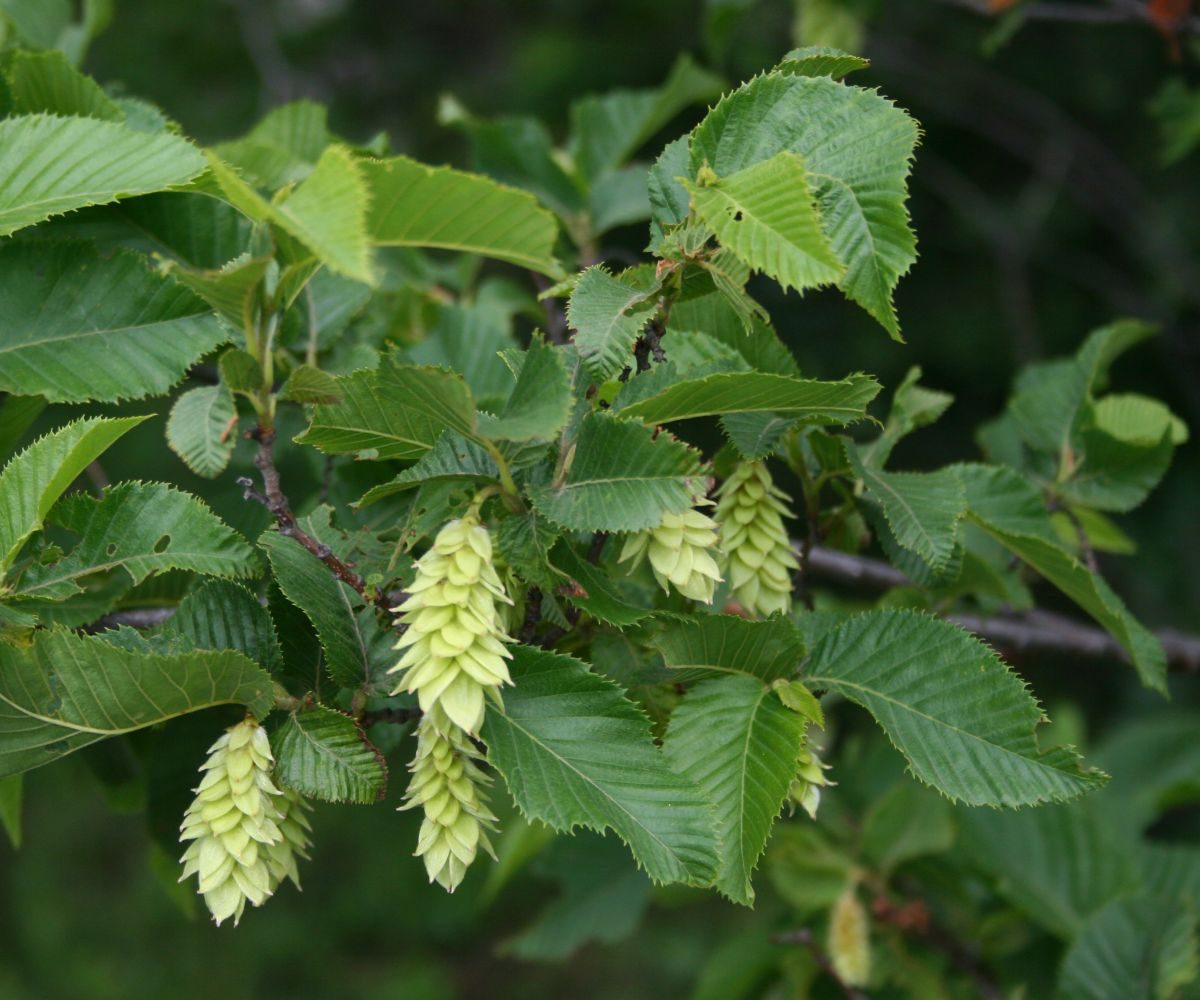
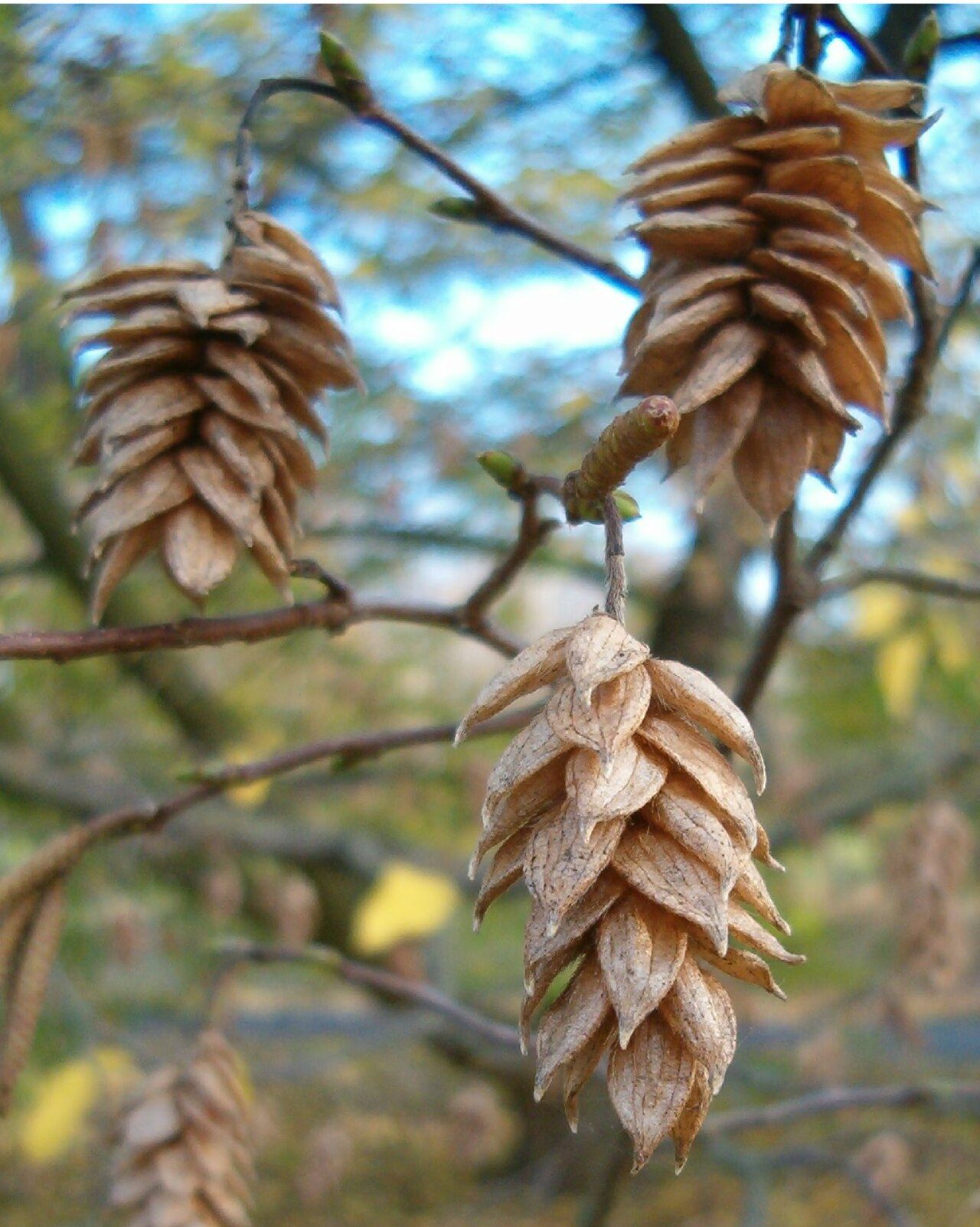
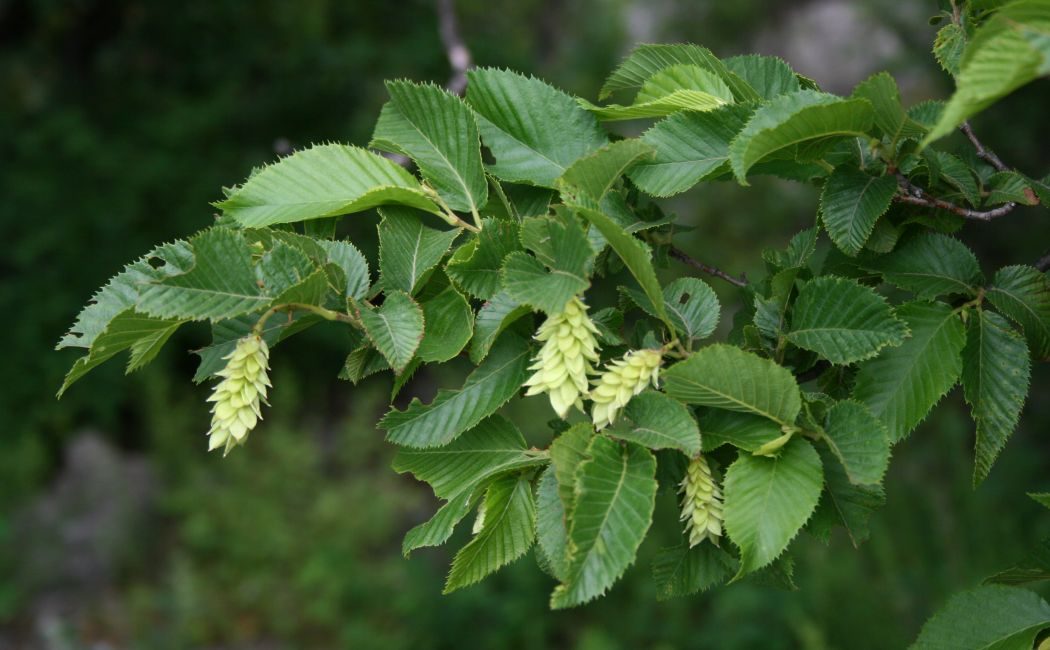
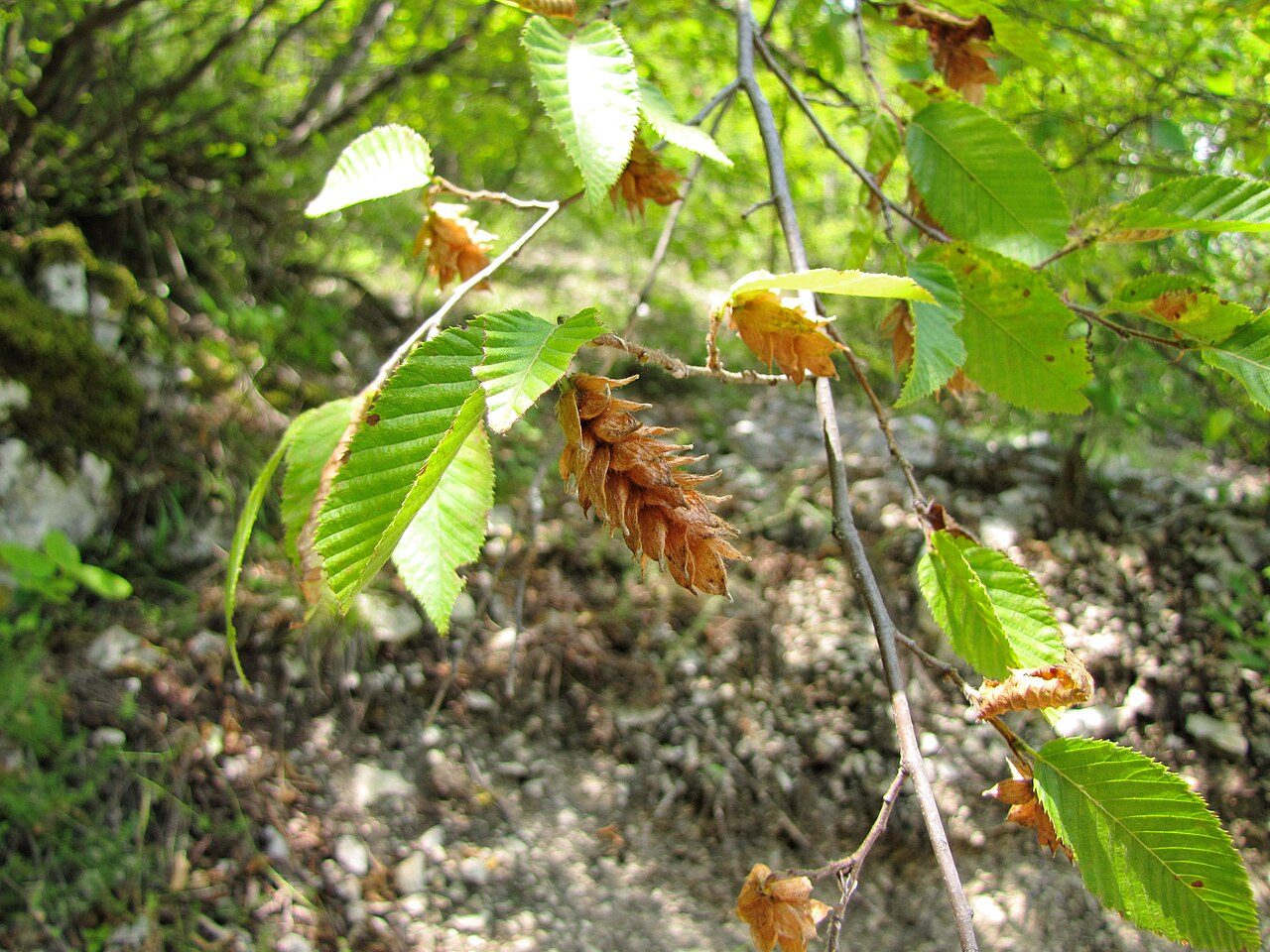
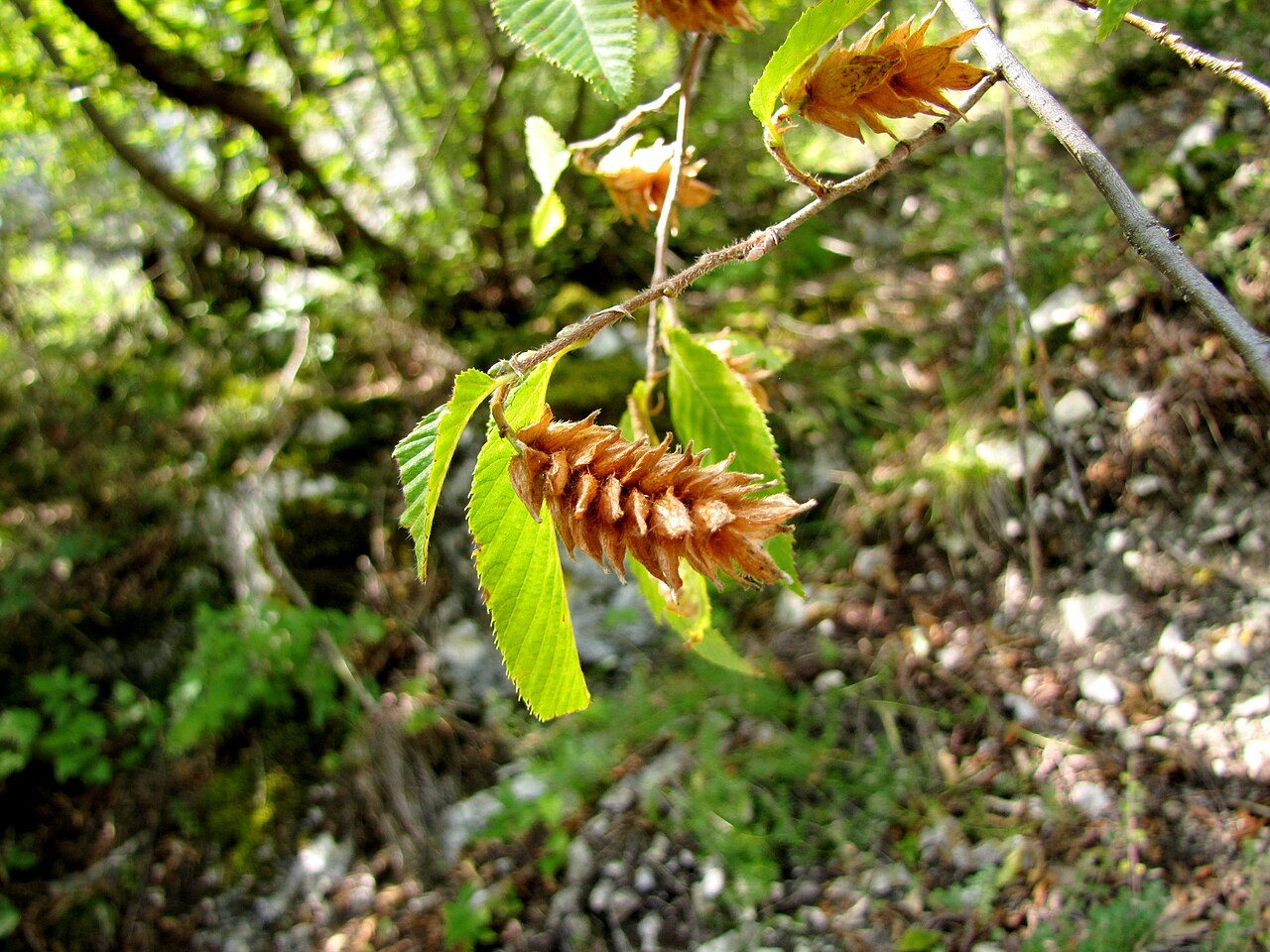
The ripe fruit clusters resemble hop cones, which makes the tree easy to recognise. Forests dominated by hop-hornbeam are not attractive on their own when choosing an apiary site; the surrounding shrub and herb layer is what counts.