

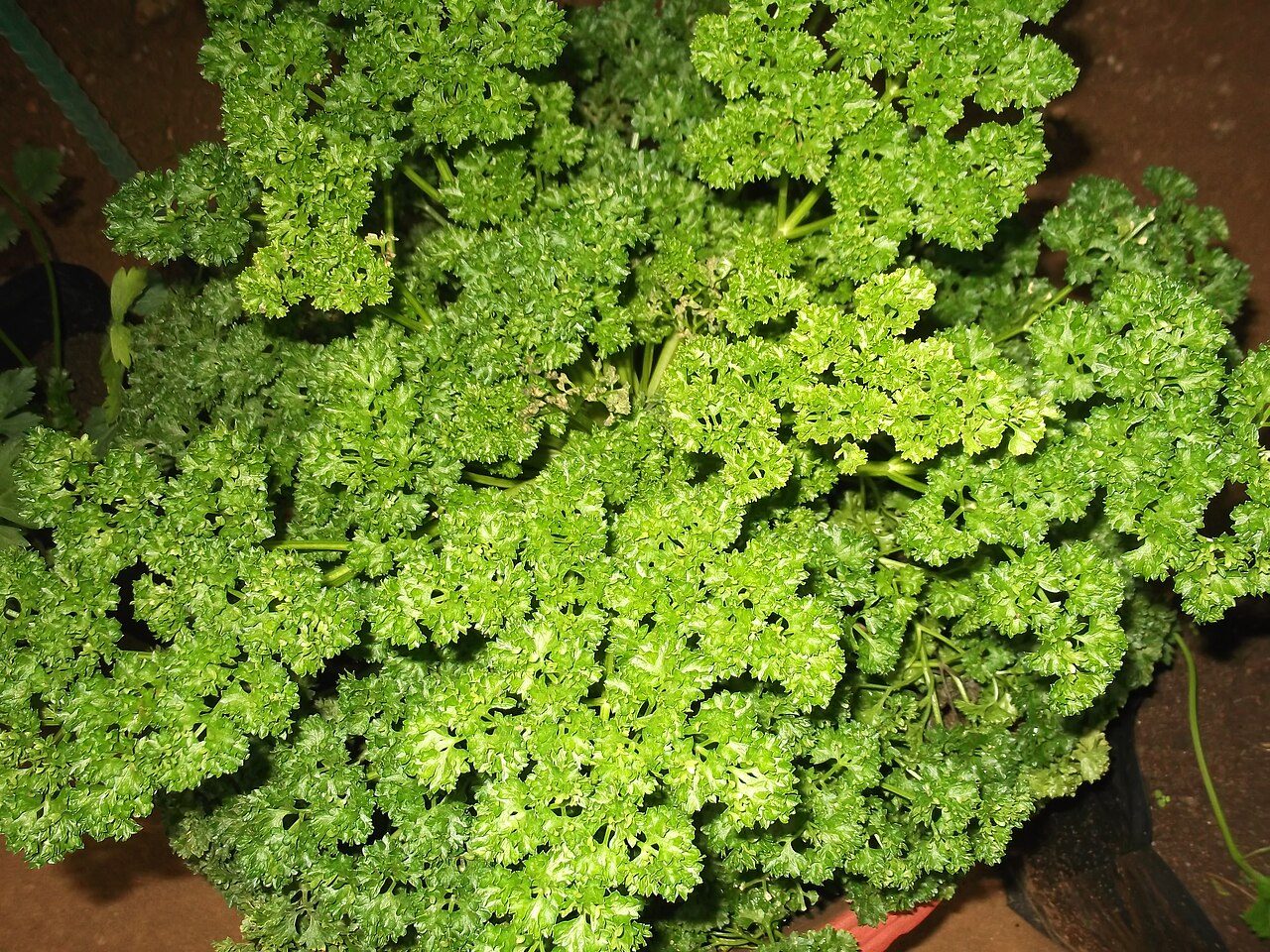
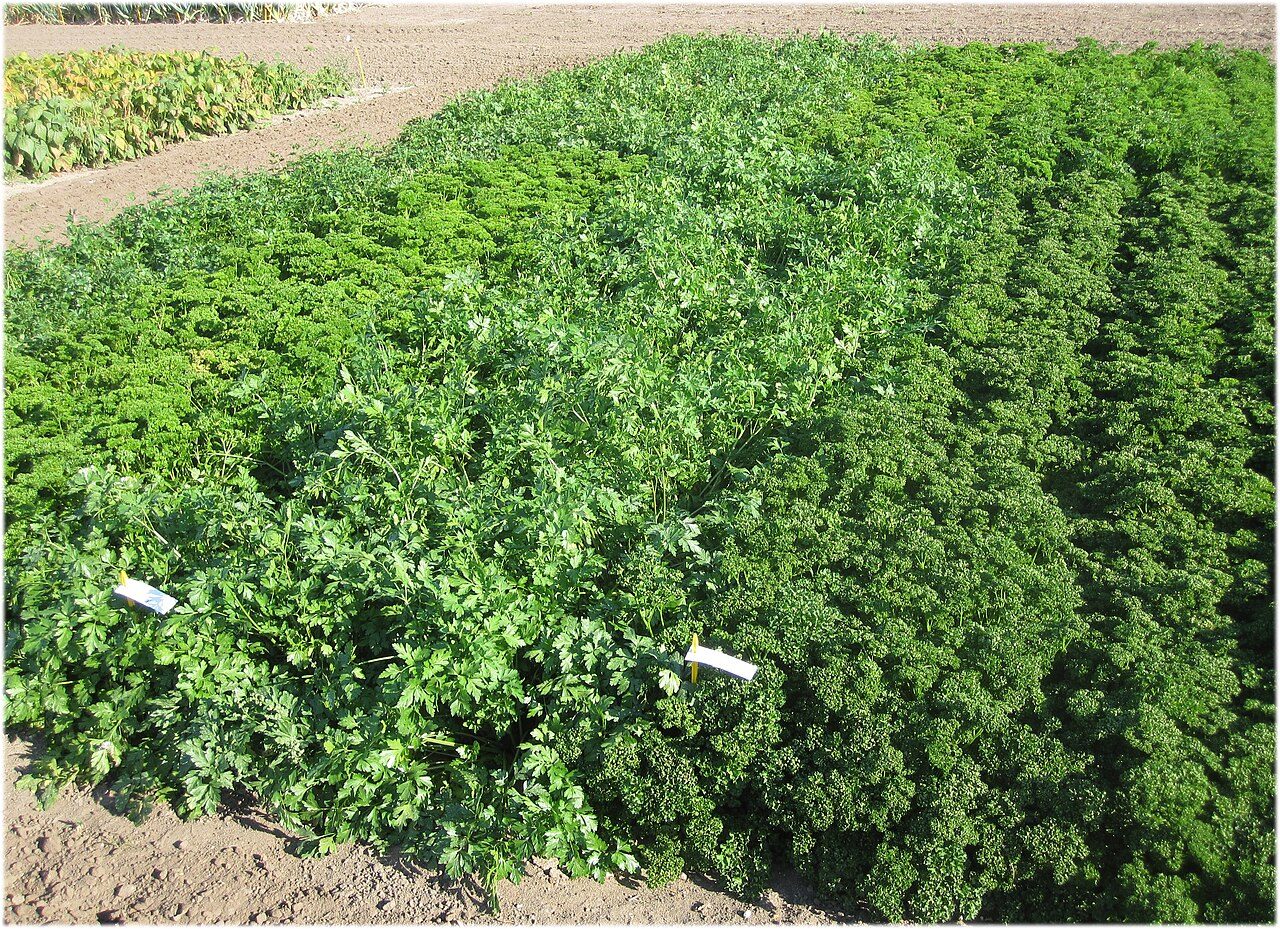
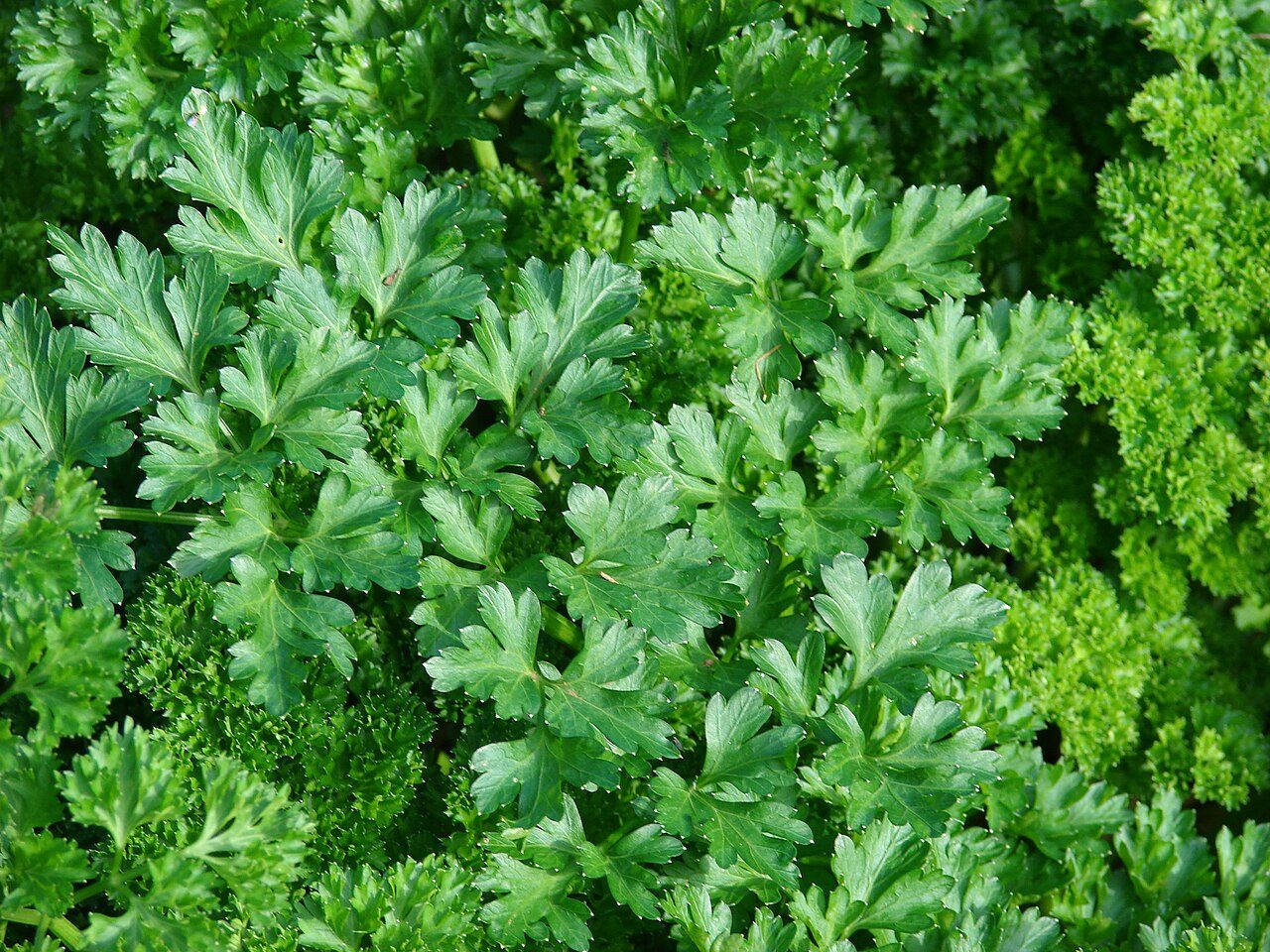
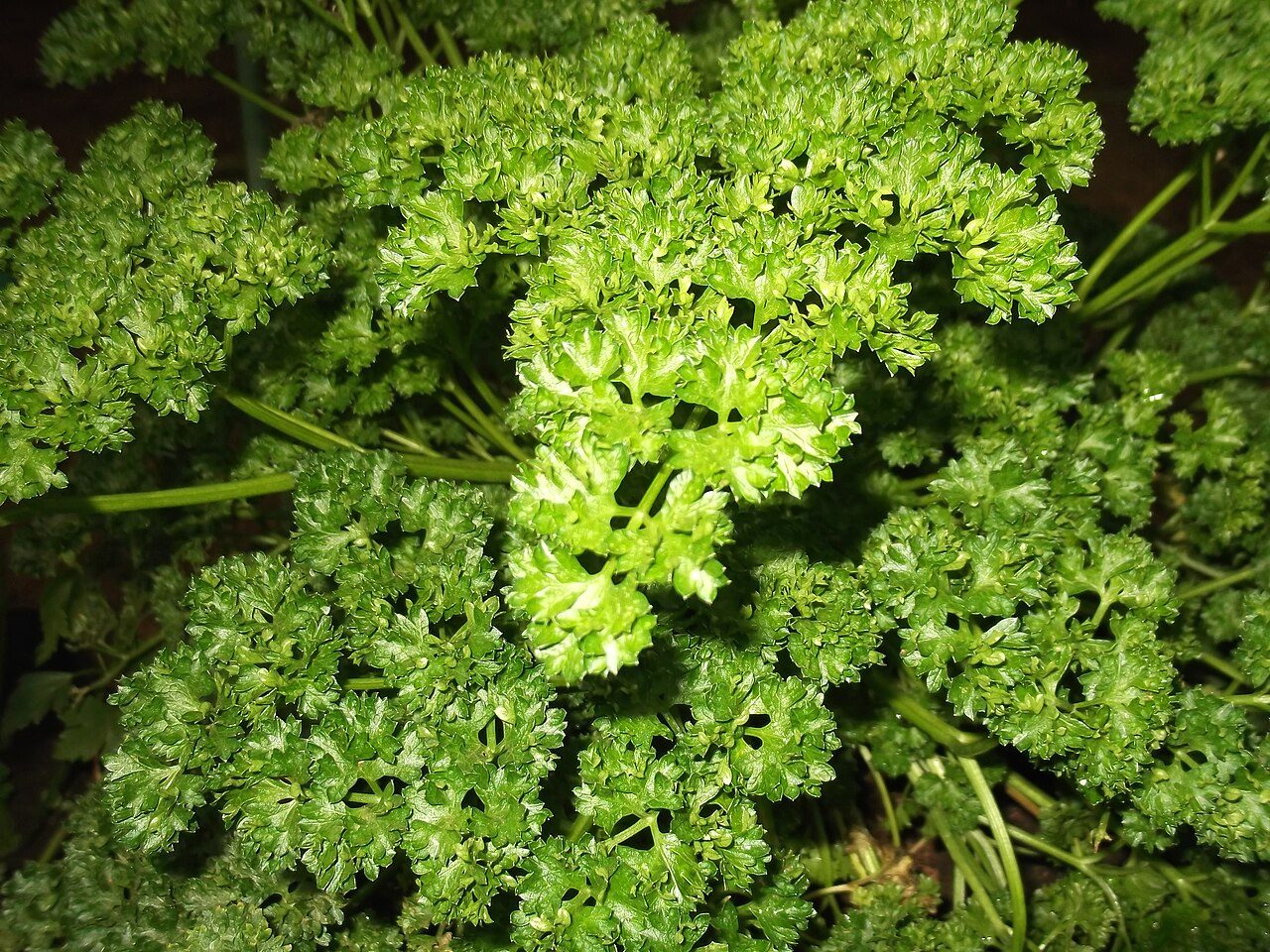
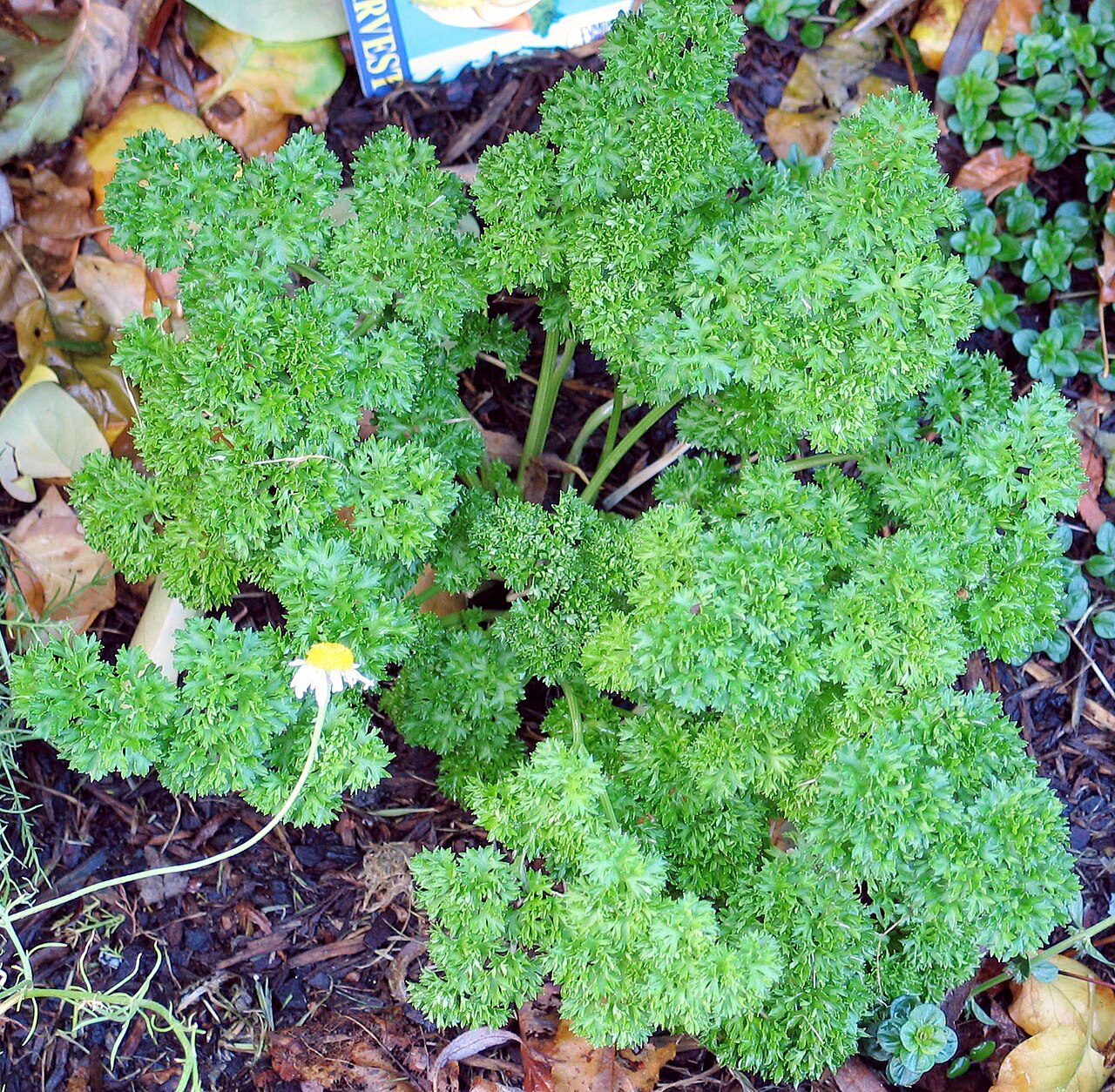
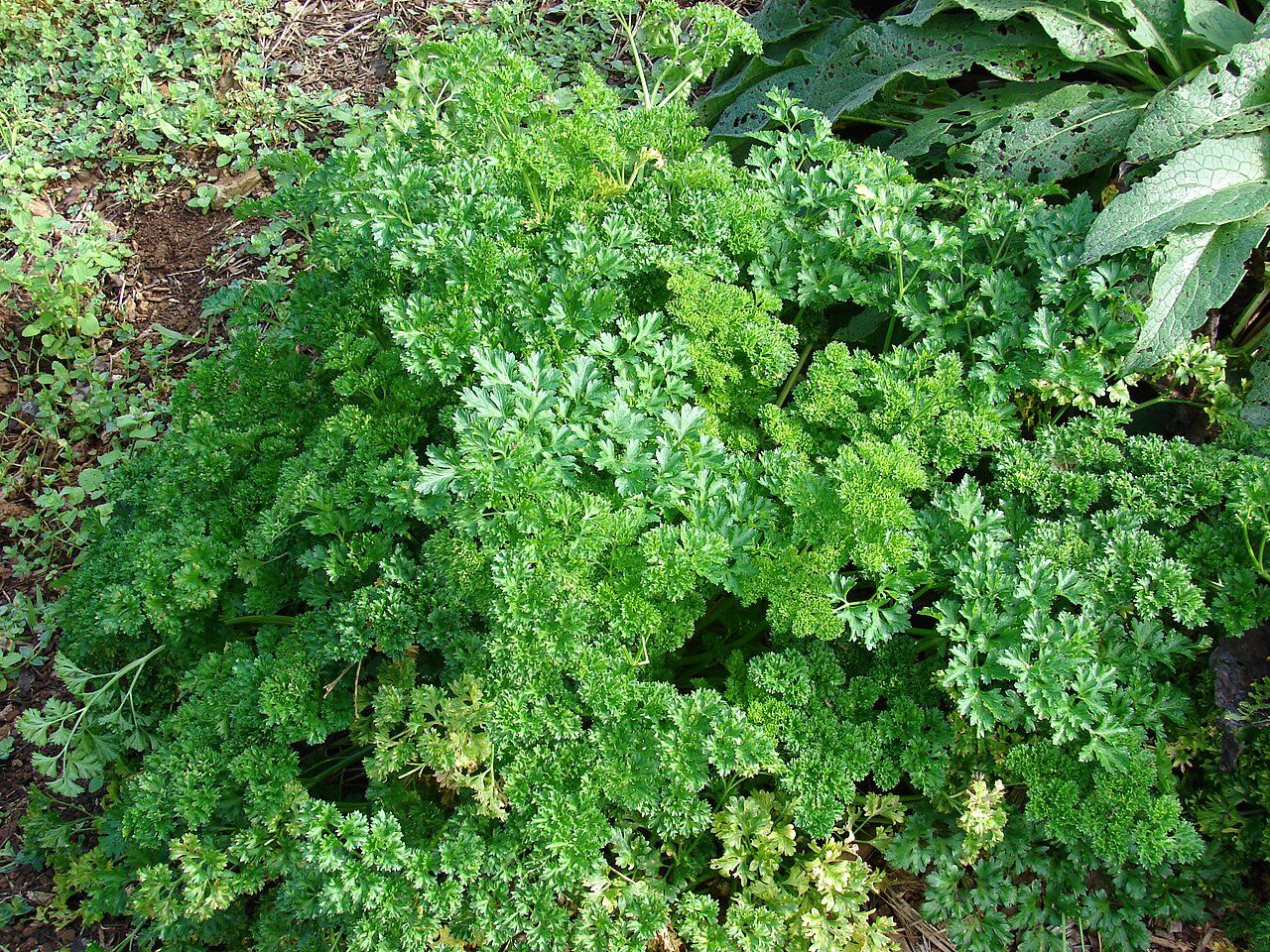
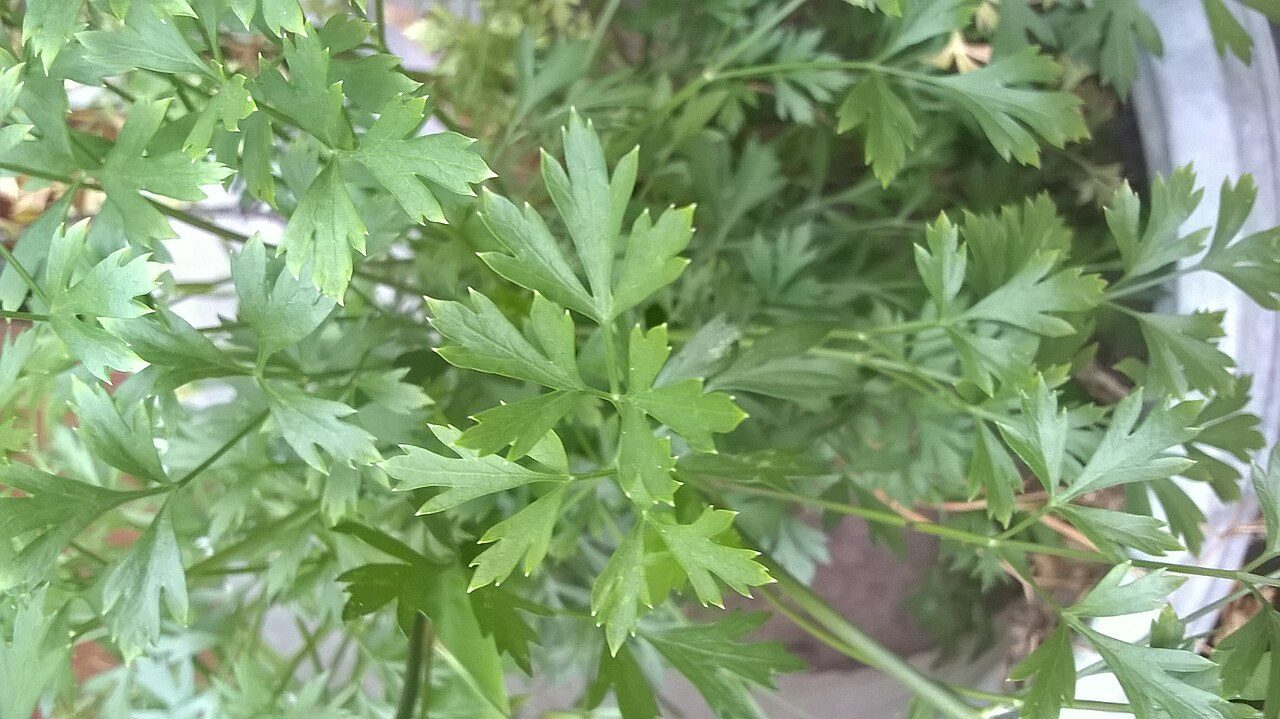
Parsley
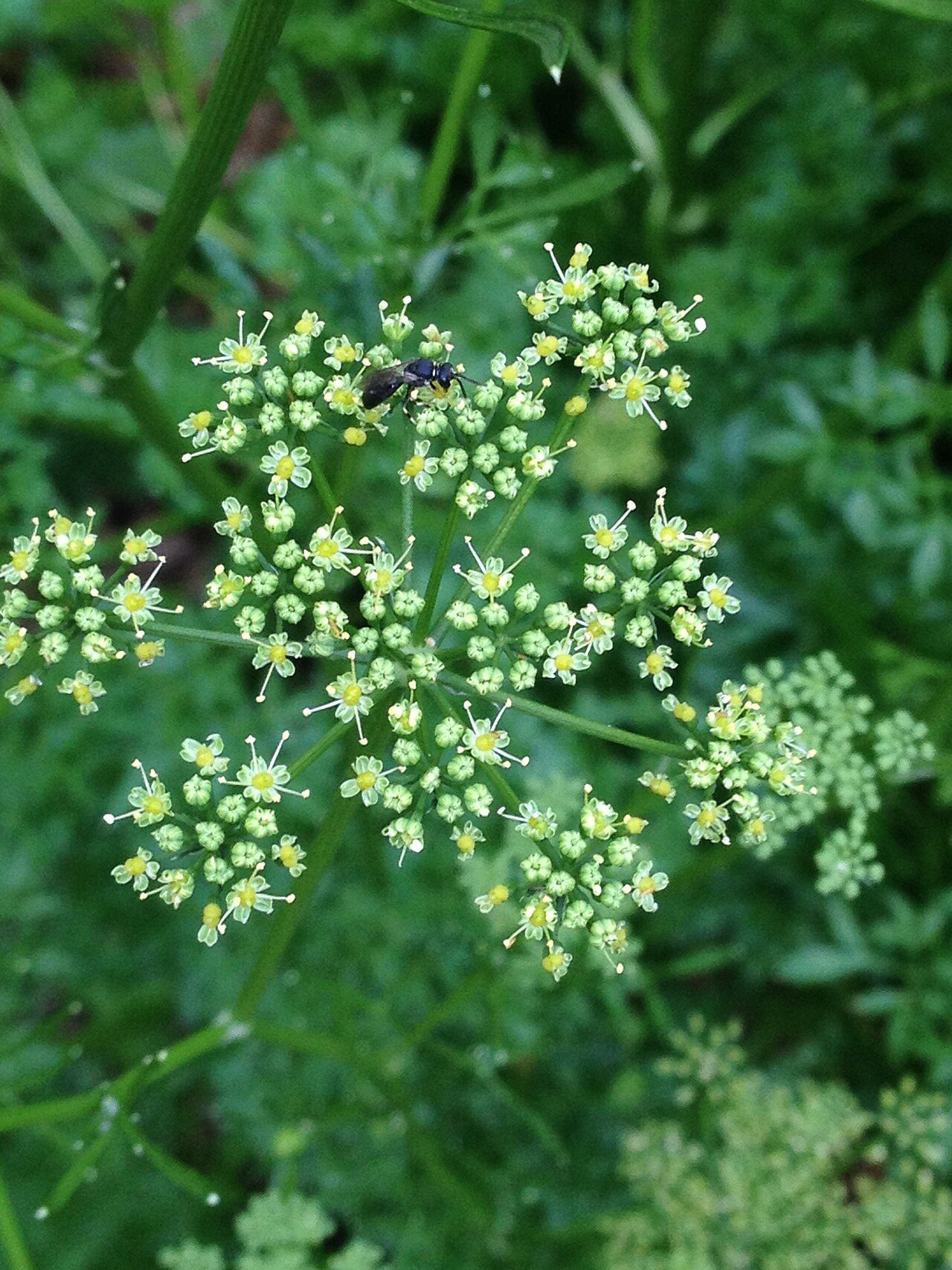
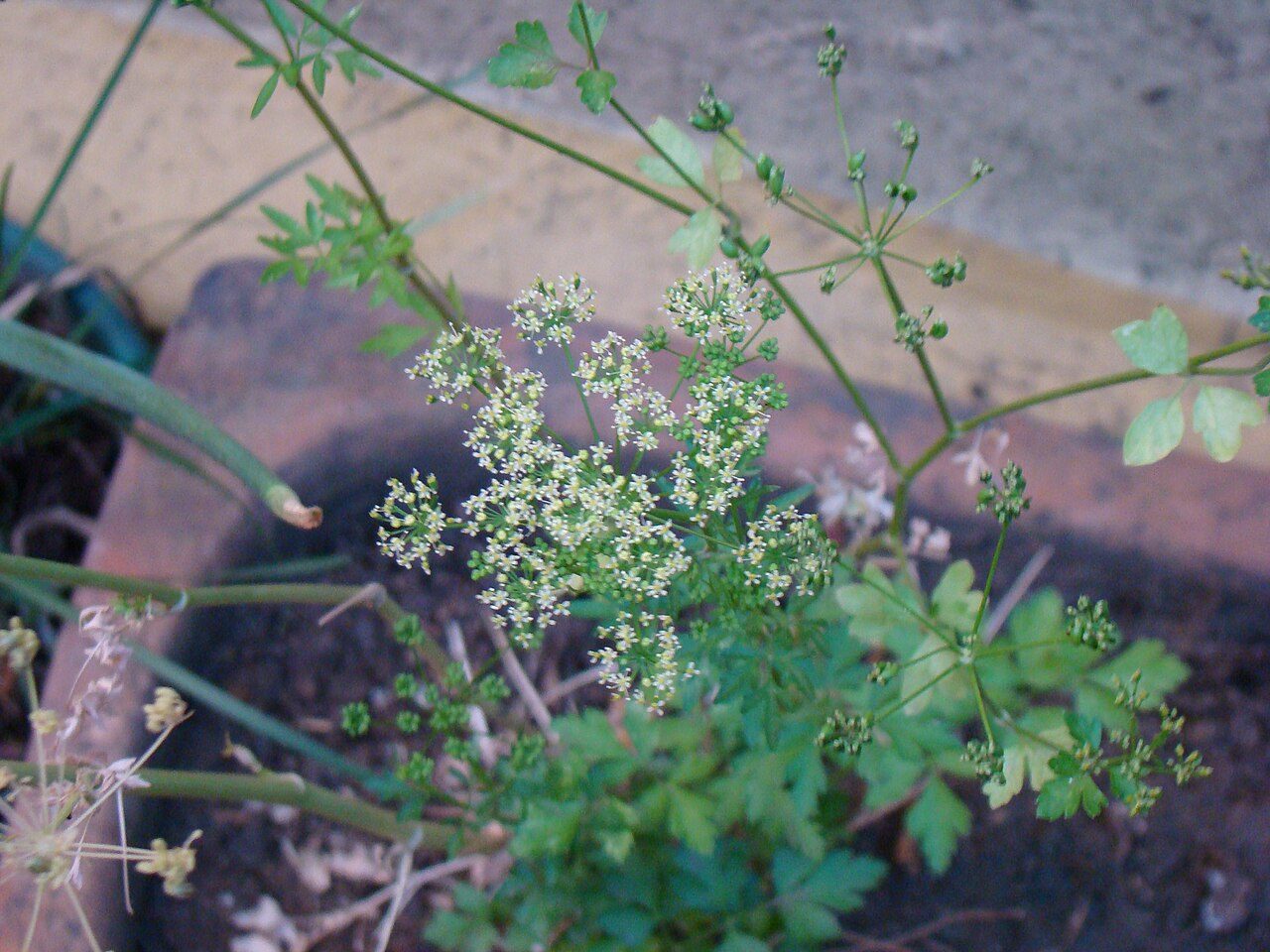
Parsley left to seed produces greenish-yellow umbels in its second year with exposed nectar; bees contribute to pollination in seed fields.
- Nectar
- Medium
- Pollen
- Low
- Flowering
- JanFebMarAprMayJunJulAugSepOctNovDec
- Height
- 0,3-1 m
- Life cycle
- Biennial
🐝 Add to my apiary
Log in to add it to your apiary.Value for beekeeping
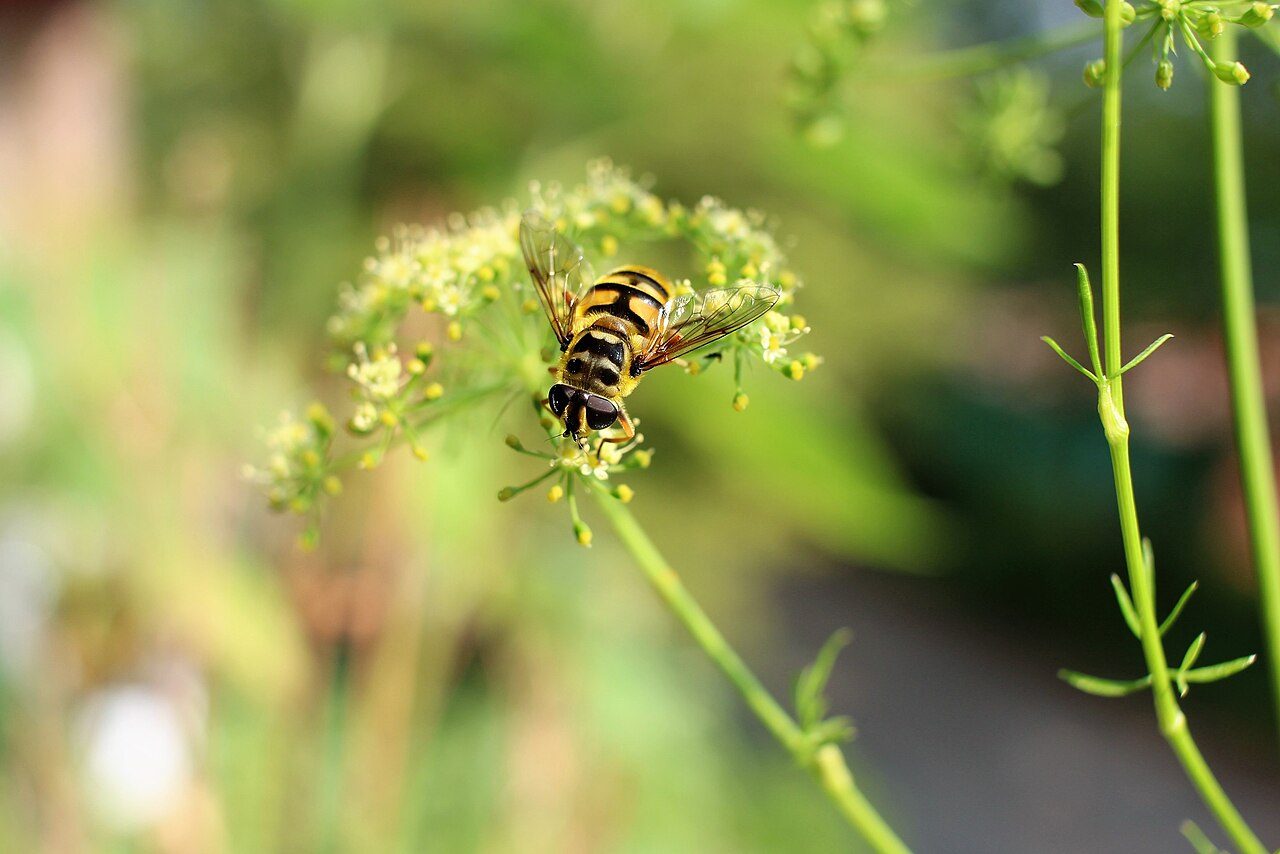
Parsley is a Mediterranean biennial; fields grown for leaves are harvested before flowering and provide no forage for bees. Seed plants send up a flowering stem in the spring of their second year and open umbels of small yellowish-green flowers. Nectar is secreted openly; honey bees and flies visit. Its nectar contribution is moderate and its pollen contribution low.
Flowering
Between June and July, for about 4-5 weeks.
Honey and pollen
There is no monofloral honey.
Note for the beekeeper
Parsley flowers also pass first through a male and then a female stage, so insect visits are important for seed set. Keeping colonies in seed fields for pollination can increase yield. Leaving a few plants in the garden to flower in their second year provides a small extra source in early summer.