

Pedunculate oak
No nectar; it offers pollen in spring and, in summer, honeydew from sap-sucking insects that becomes dark, mineral-rich oak honey.
- Nectar
- None
- Pollen
- Medium
- Flowering
- JanFebMarAprMayJunJulAugSepOctNovDec
- Crystallisation
- Slow
- Pollen colour
- Height
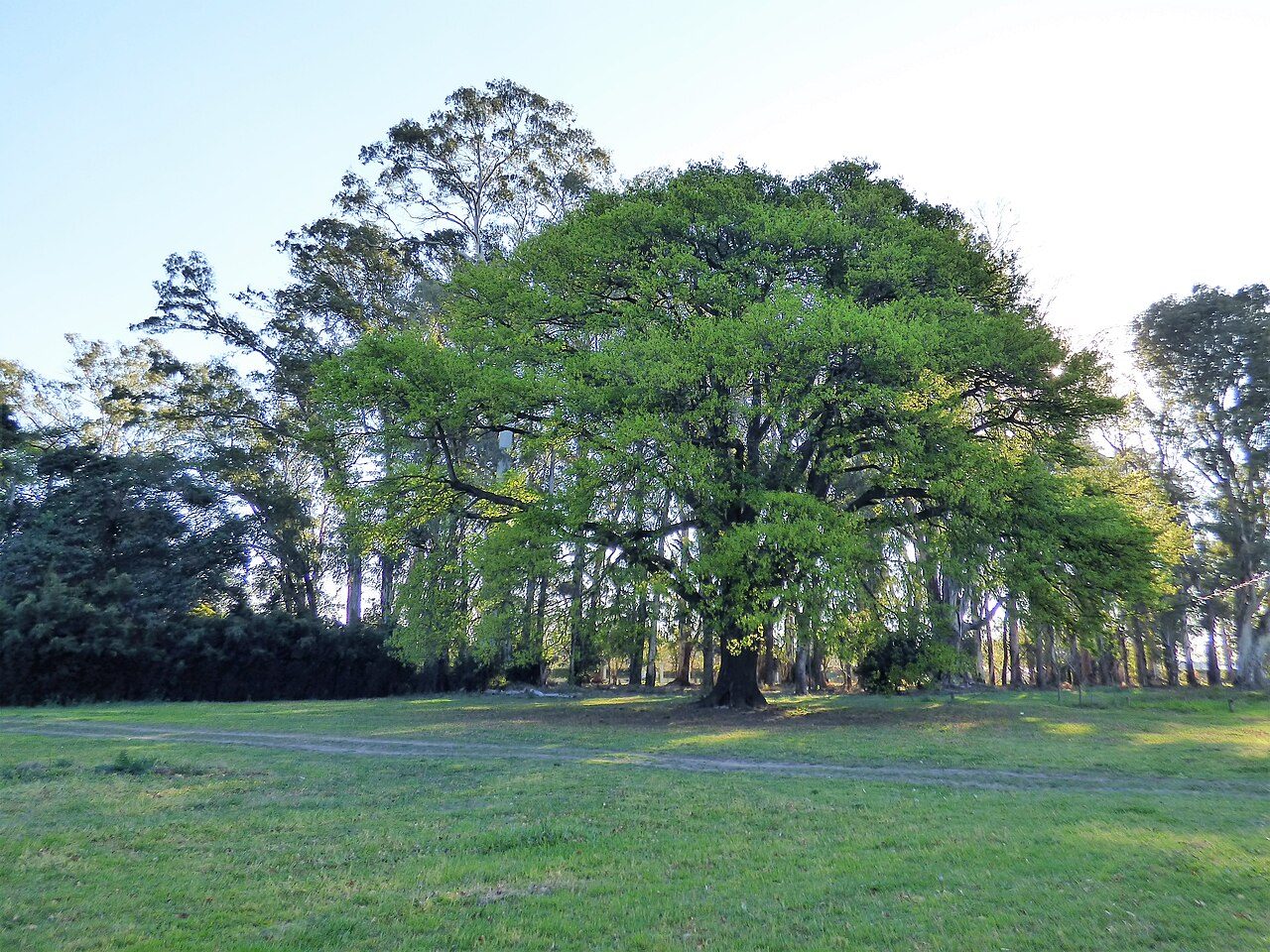
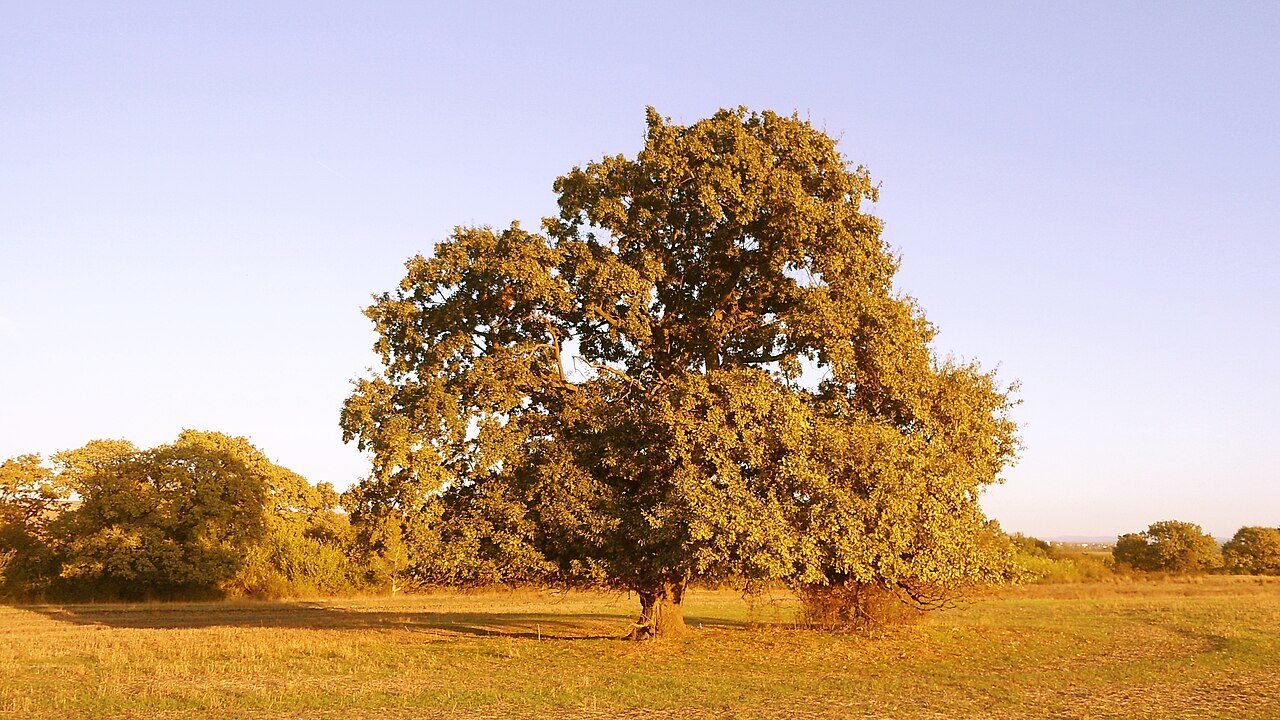
- 20-35 m
- Life cycle
- Perennial
🐝 Add to my apiary
Log in to add it to your apiary.Value for beekeeping
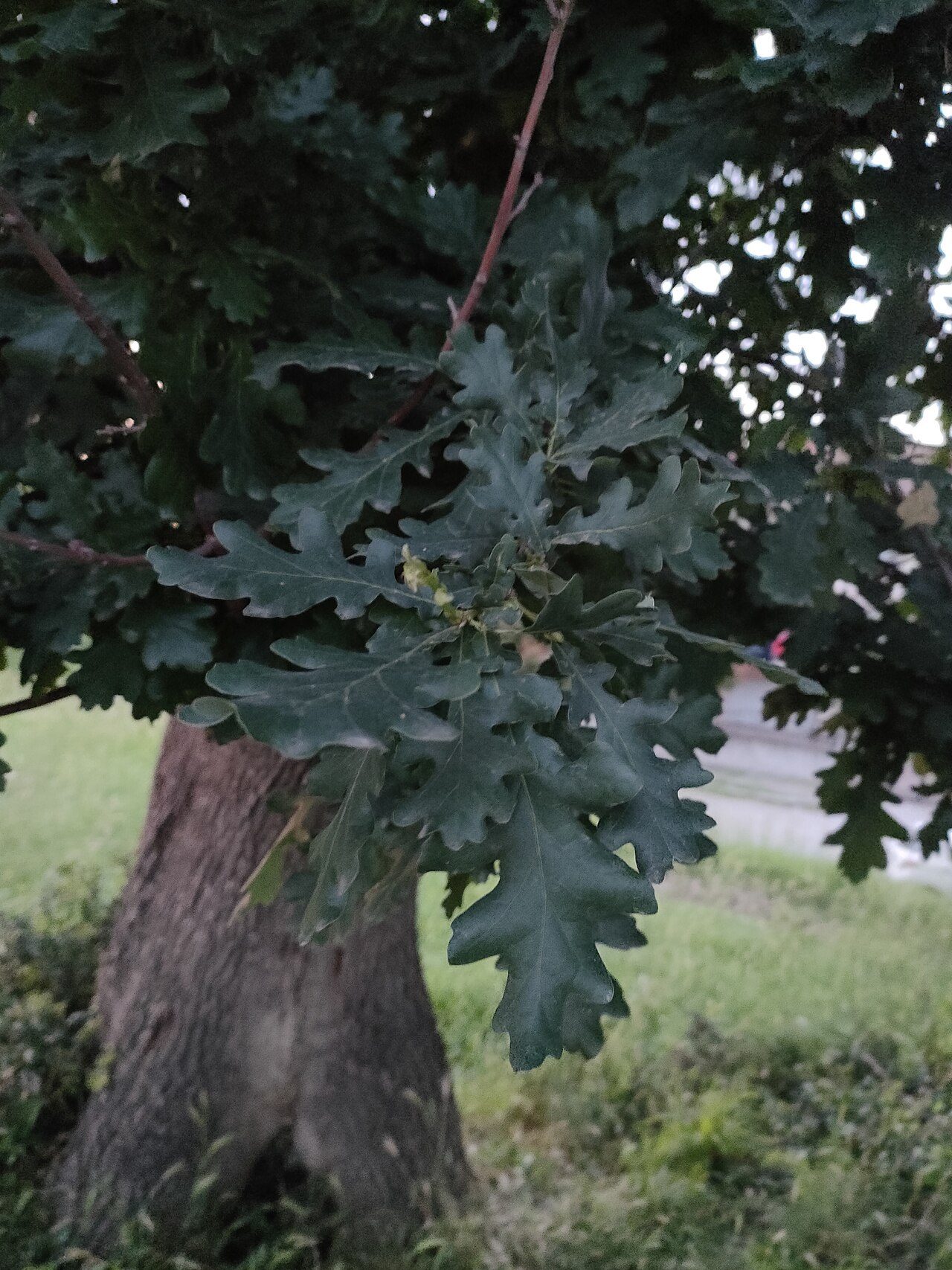
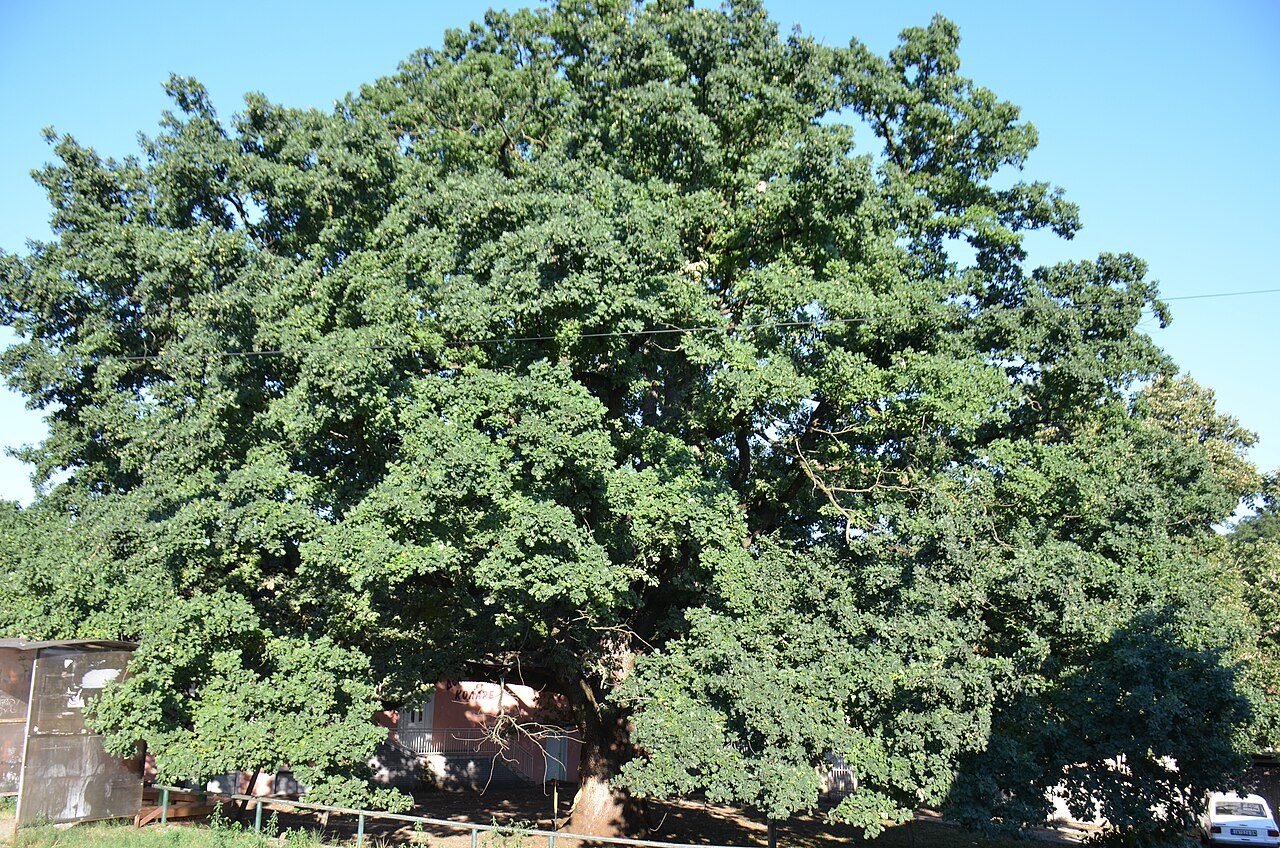
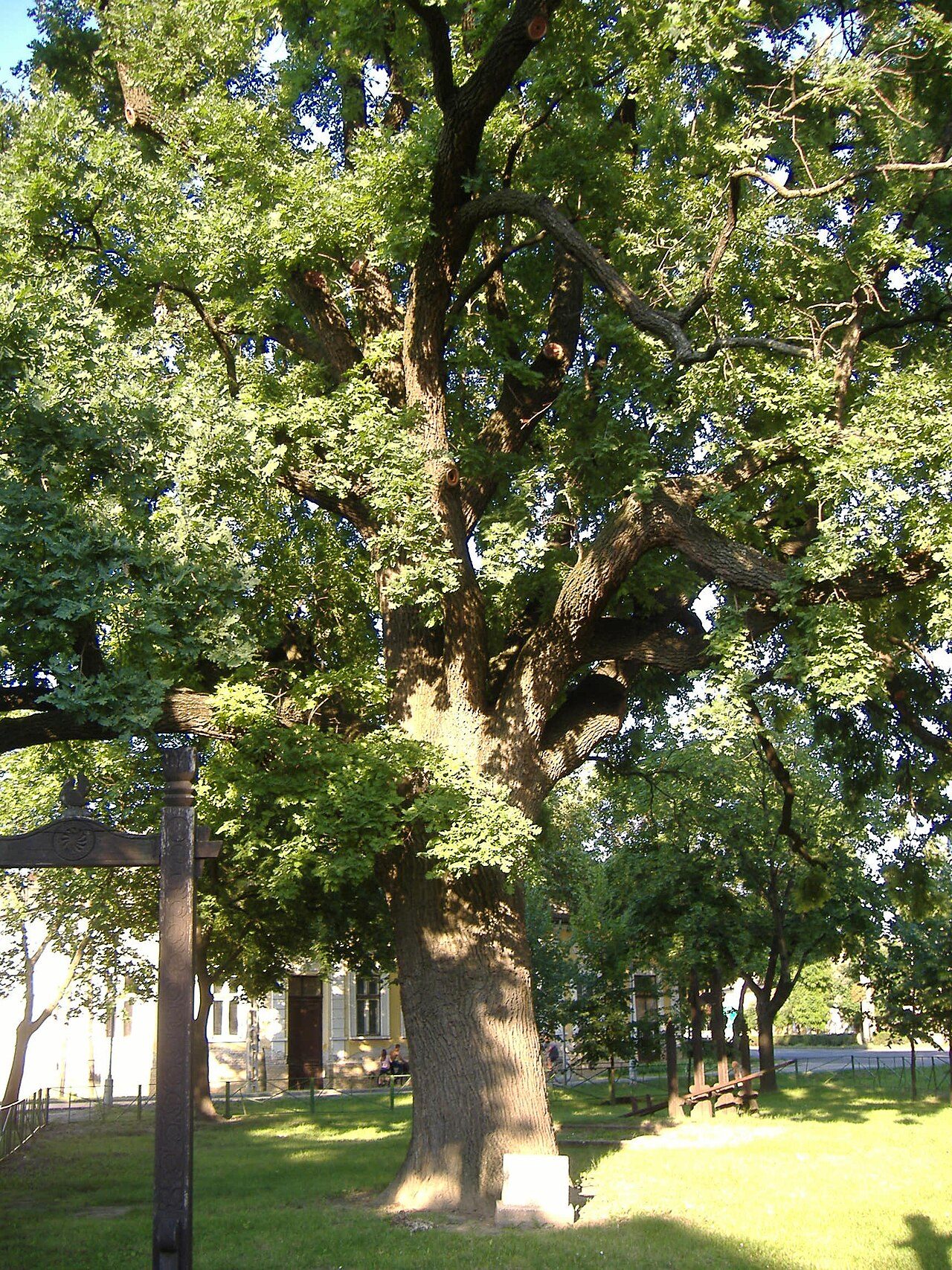
Pedunculate oak is wind-pollinated and gives no nectar; bees collect pollen from its catkins in spring. Its main value is the honeydew left by aphids and other sap-sucking insects feeding on the leaves and shoots in summer. Oak honey is made from this honeydew.
Flowering
It flowers in April-May as the leaves unfold. Honeydew increases in hot, humid summer spells when insect populations are high; it does not occur every year.
Honey and pollen
Oak honey ranges from dark brown to blackish, is not very sweet, rich in minerals and slightly astringent in taste; it crystallises slowly. In Turkey, the Strandzha (Yıldız) Mountains and the oak forests of the northern Aegean are known areas; the honey contains honeydew from more than one oak species. The pollen loads are greenish yellow.
Note for the beekeeper
Honeydew honeys such as oak honey can increase the risk of winter dysentery when left as winter stores; for the winter, prefer blossom honey or syrup.