

Common rhododendron
Nectar-rich shrub of the eastern Black Sea; its nectar contains grayanotoxins and is the source of mad honey, which can cause poisoning.
- Nectar
- Good
- Pollen
- Medium
- Flowering
- JanFebMarAprMayJunJulAugSepOctNovDec
- Height
- 2-5 m
- Life cycle
- Perennial
🐝 Add to my apiary
Log in to add it to your apiary.Value for beekeeping
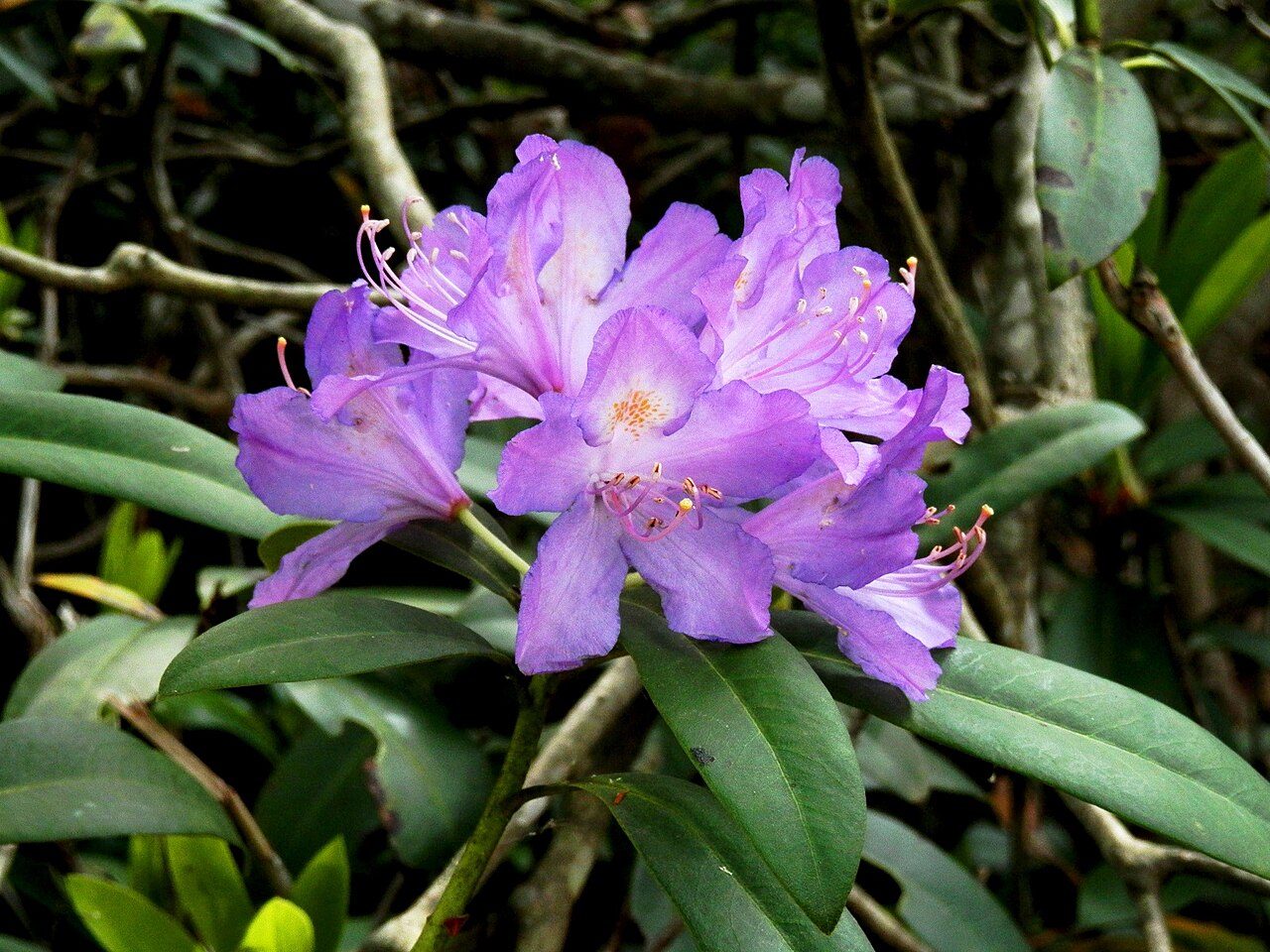
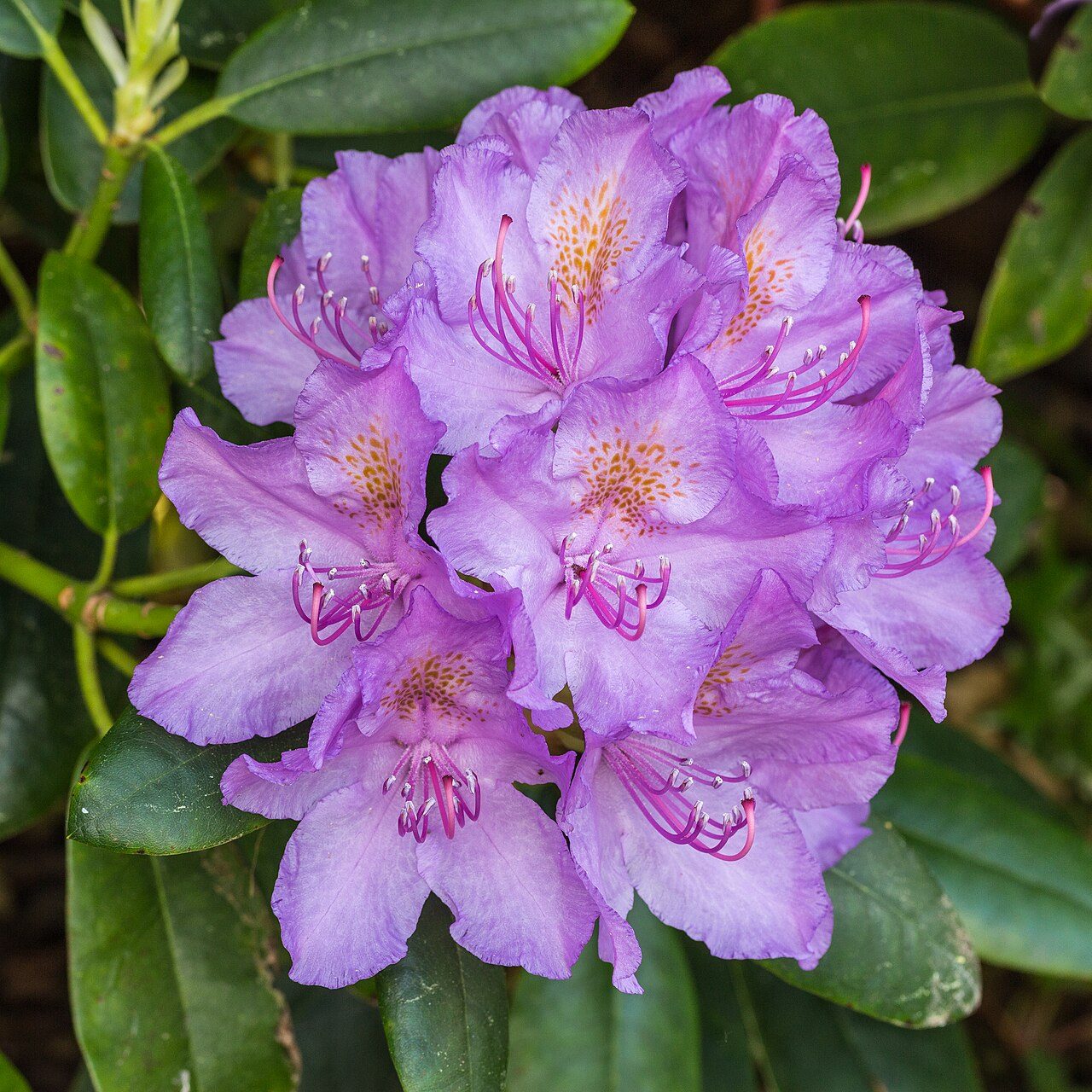
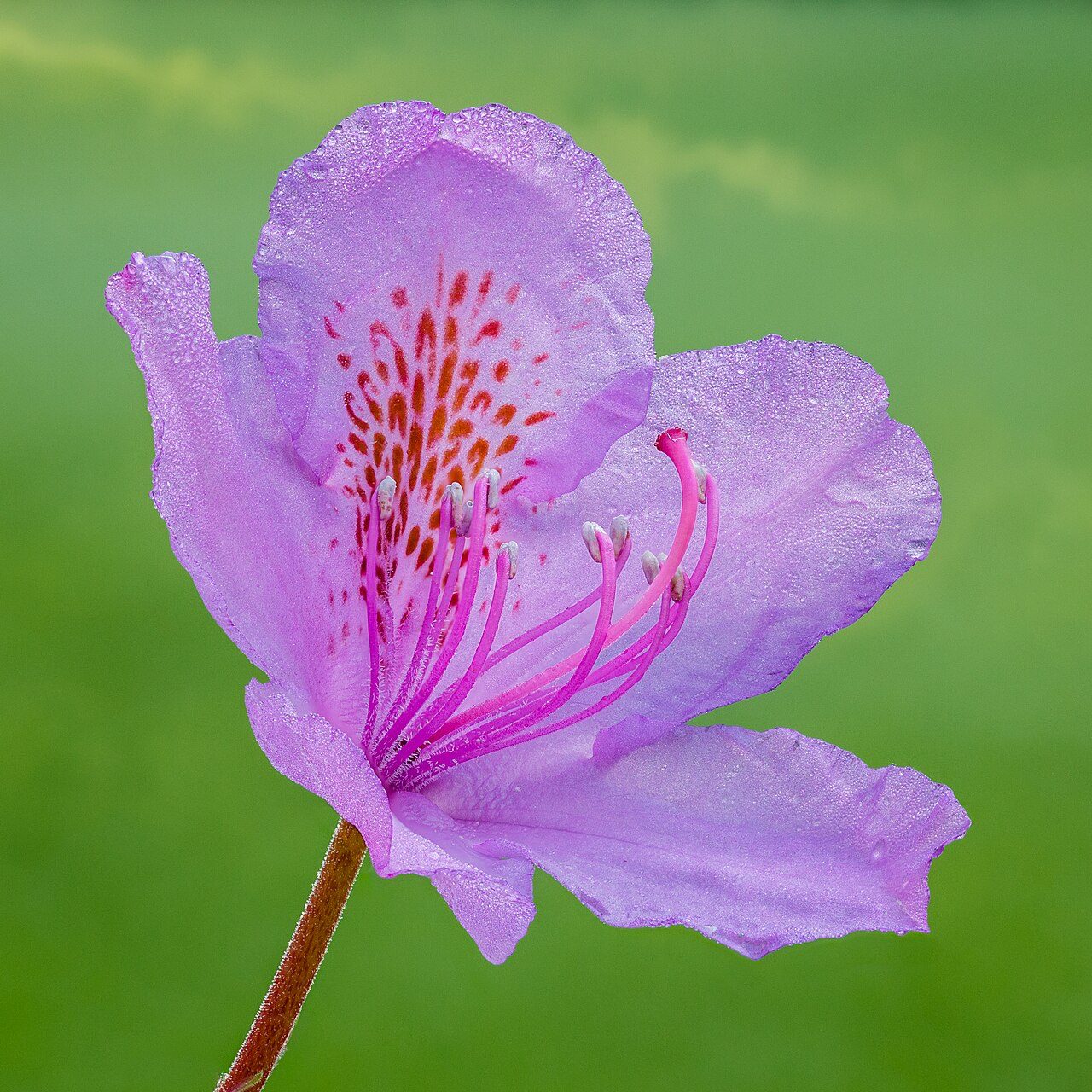
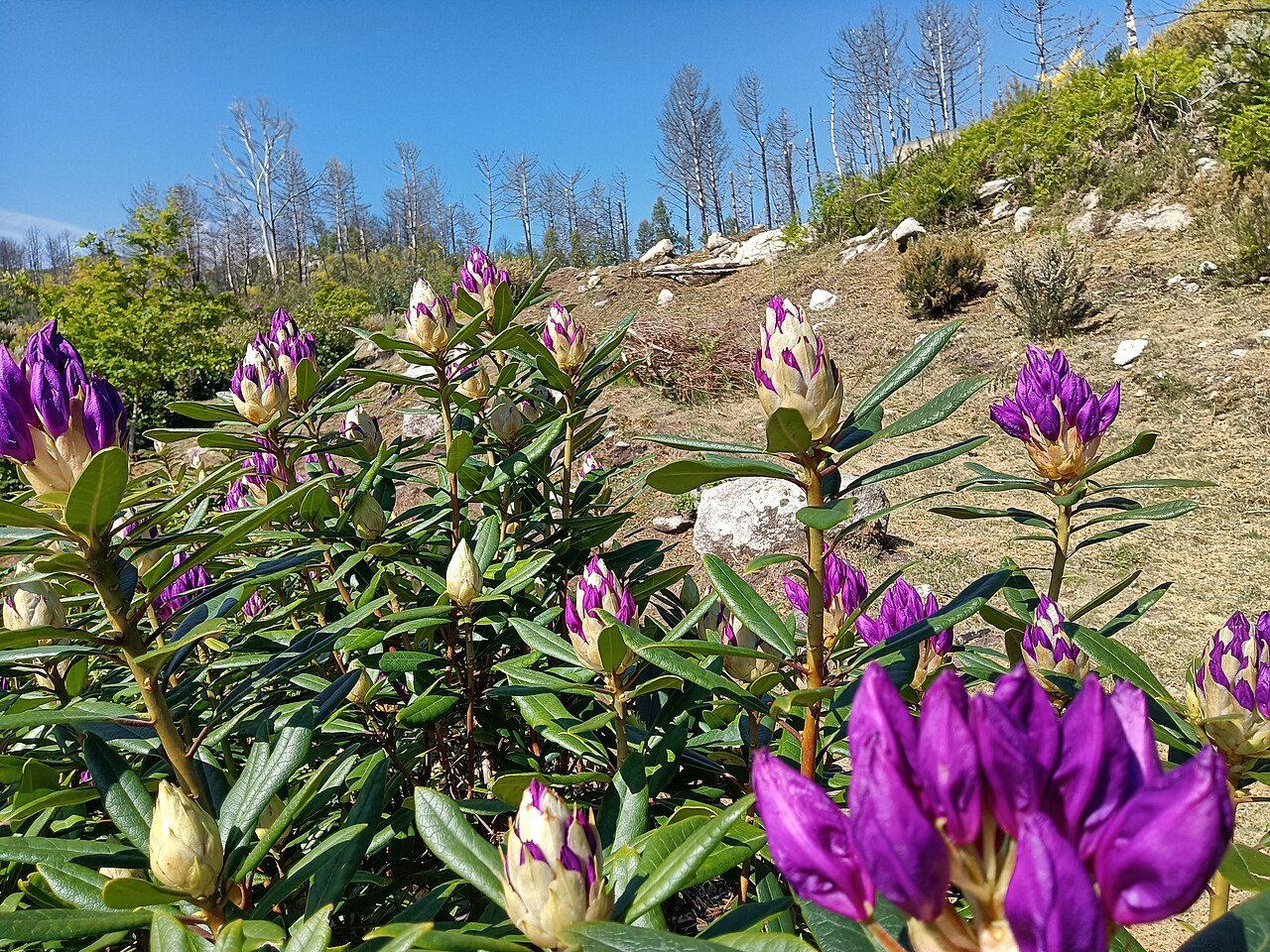
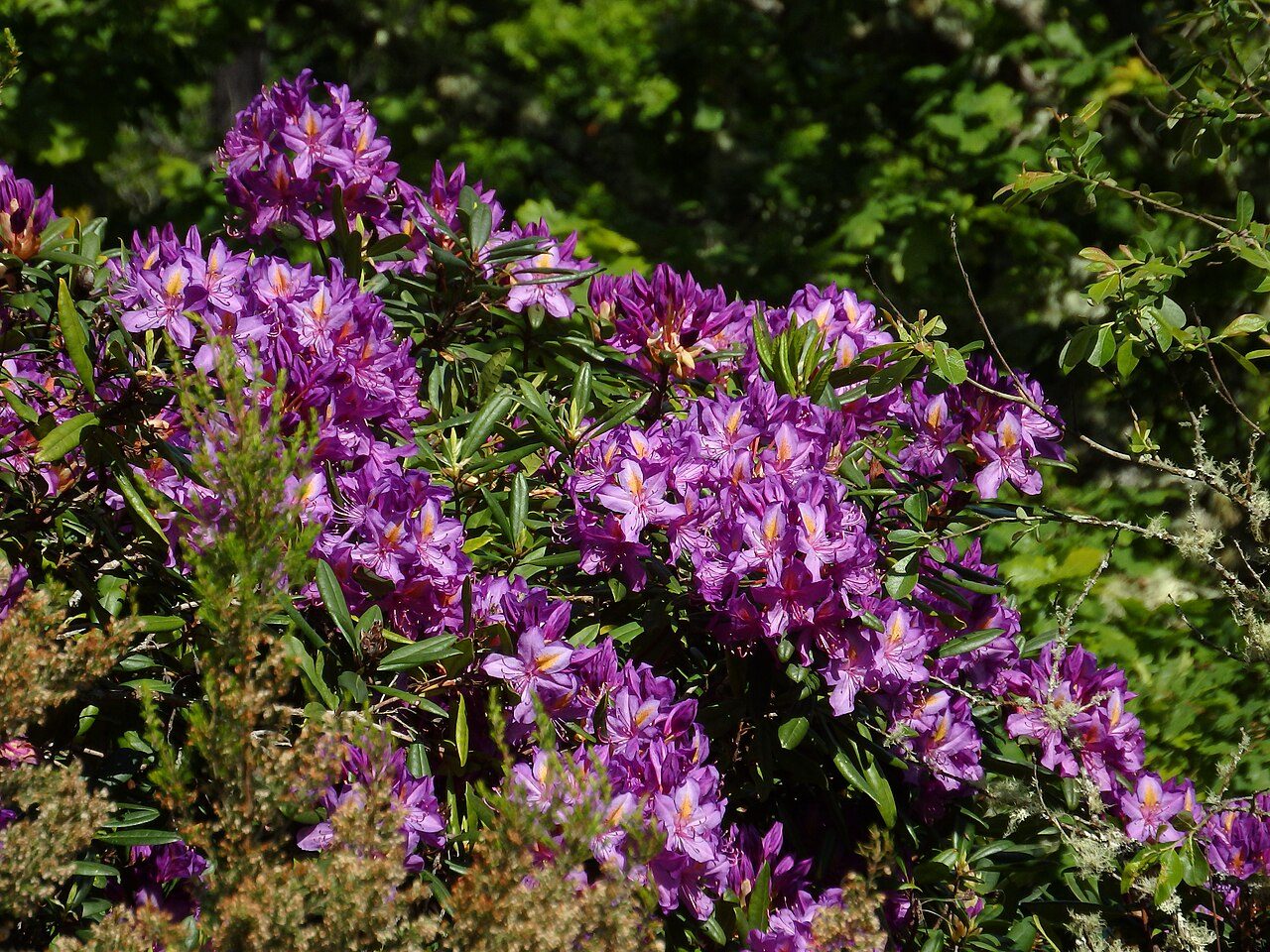
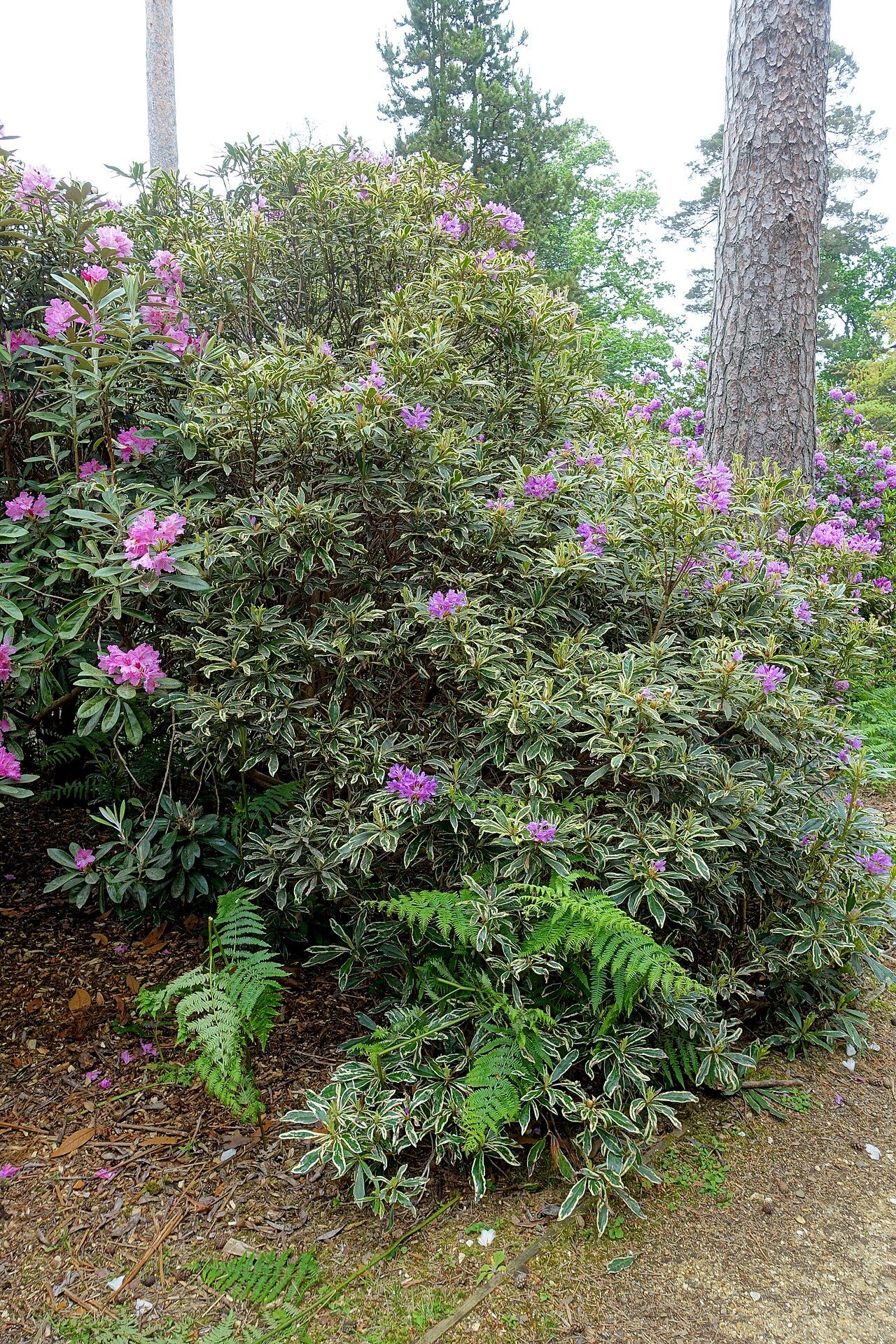
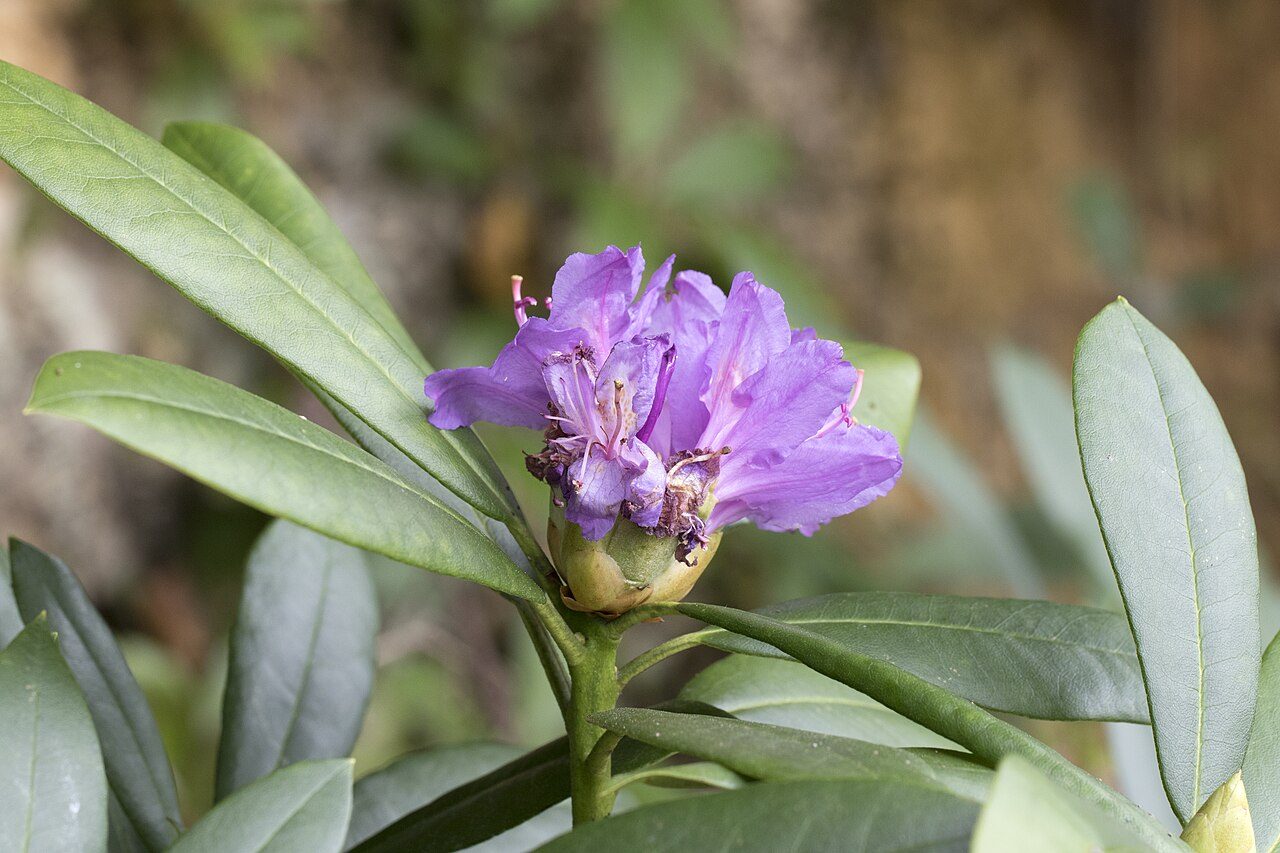
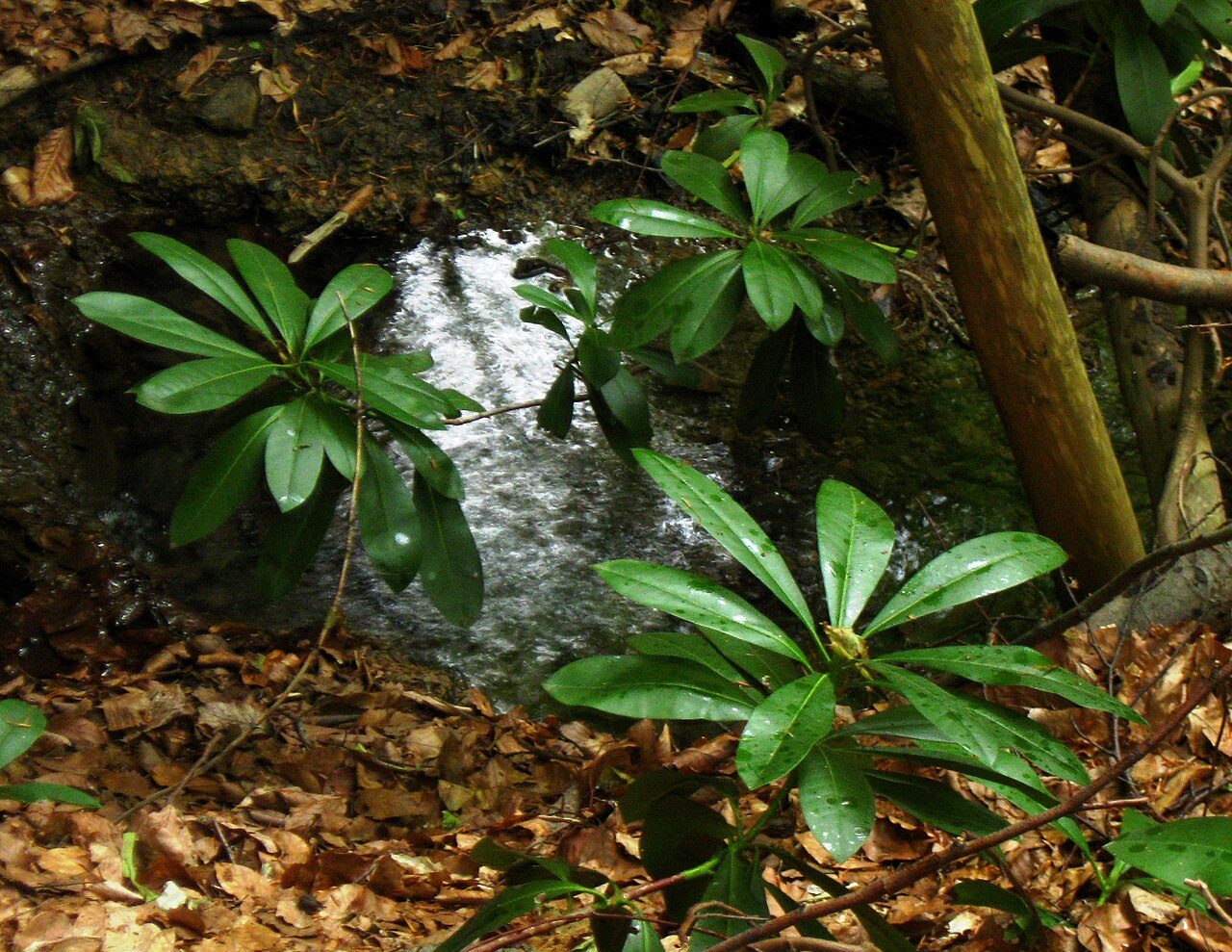
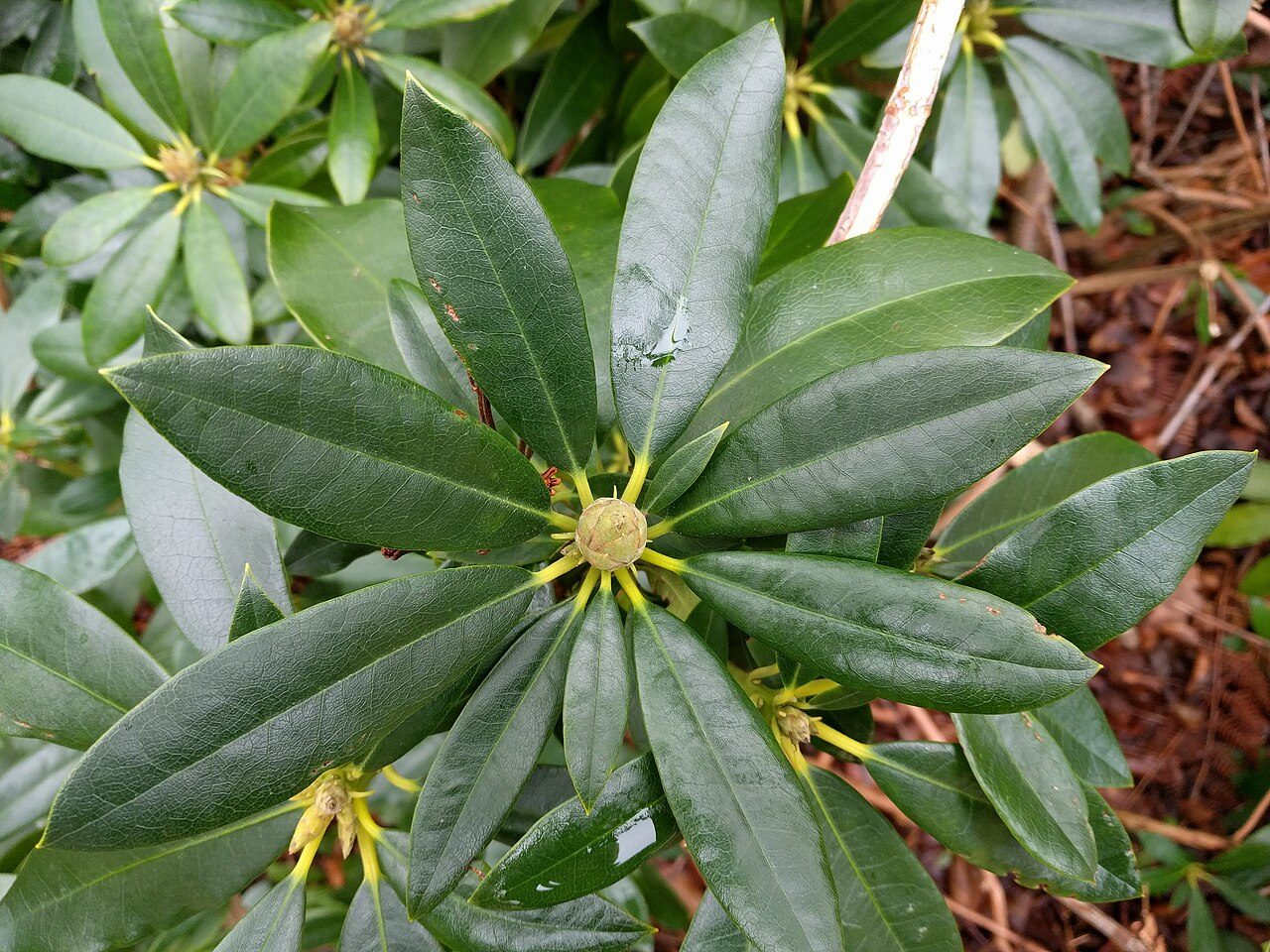
Common rhododendron is a nectar-rich shrub that covers large areas in the humid forests and on the slopes of the eastern Black Sea region. Its nectar, and the honey made from it, contain grayanotoxins, which affect the nervous system and the heart; this honey is popularly known as mad honey.
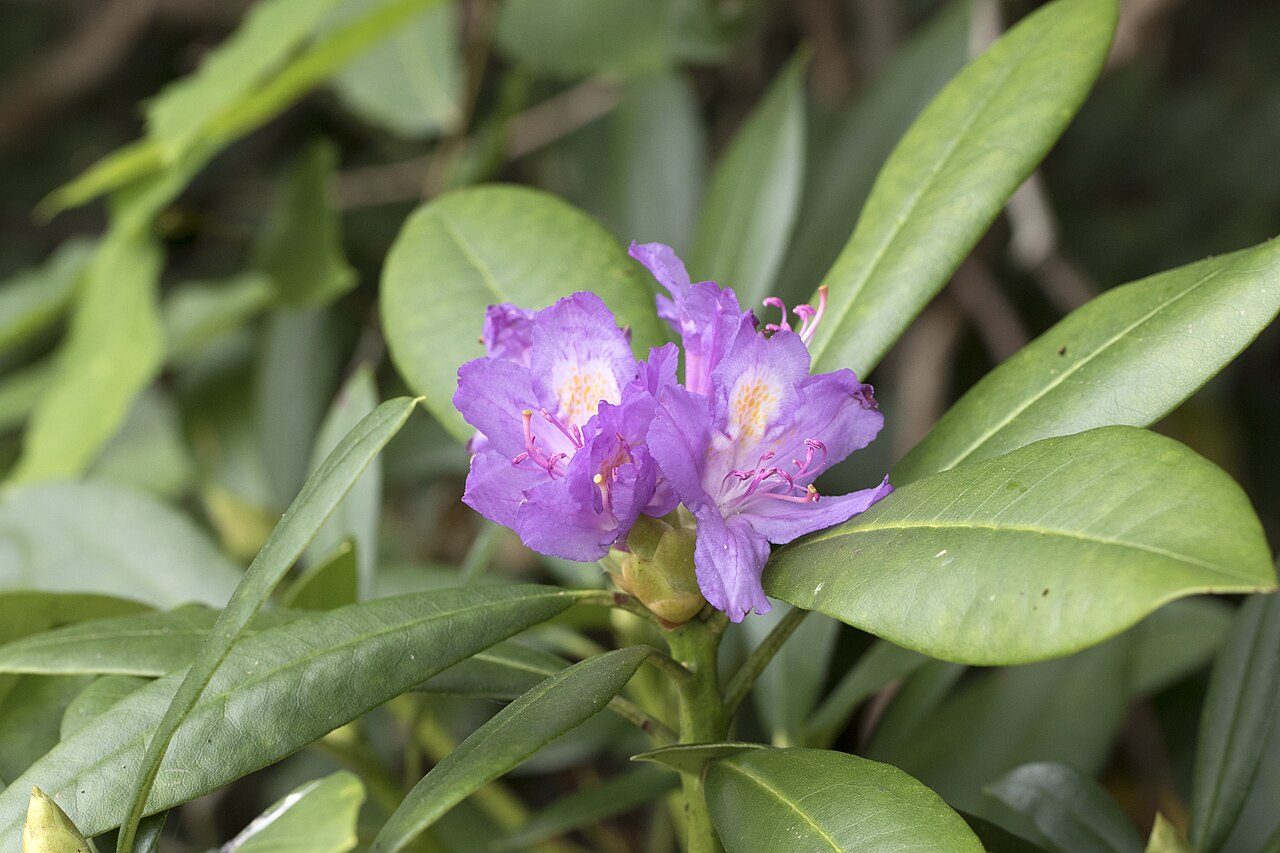
Flowering
Depending on altitude, it flowers from late April to June. The yellow-flowered azalea of the same region (Rhododendron luteum) contains similar toxins.
Honey and pollen
Mad honey is amber-coloured, bitter, and leaves a burning sensation in the throat. Eating even a small amount can cause dizziness, nausea, a drop in blood pressure and a slowed heartbeat; every year people end up in hospital because of it.
Note for the beekeeper
Mad honey must not be mixed with ordinary honey, must not be sold unlabelled and must not be recommended for any health purpose. The effect of the toxin on honey bees is disputed in research. The plant is an invasive species that takes over natural woodland in Britain and Ireland.