

Dog rose
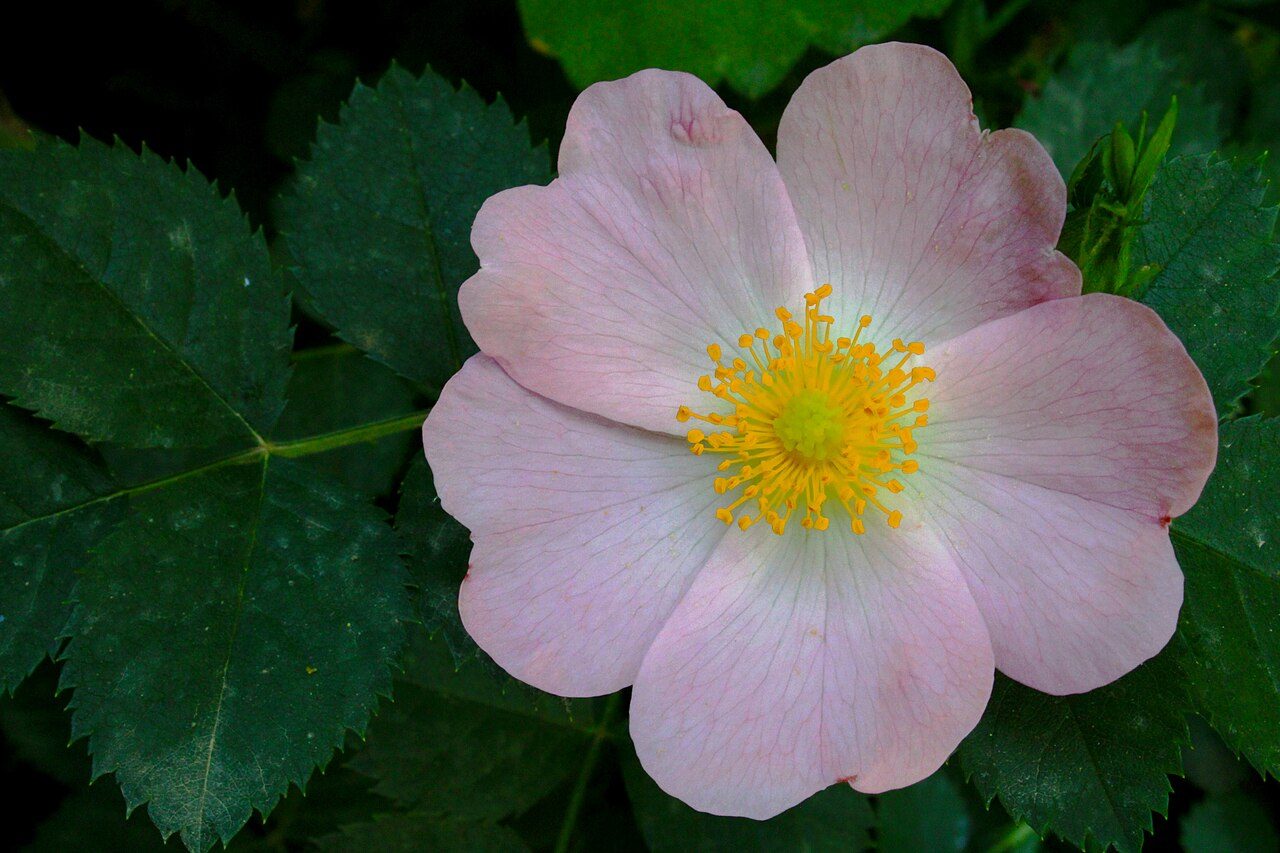
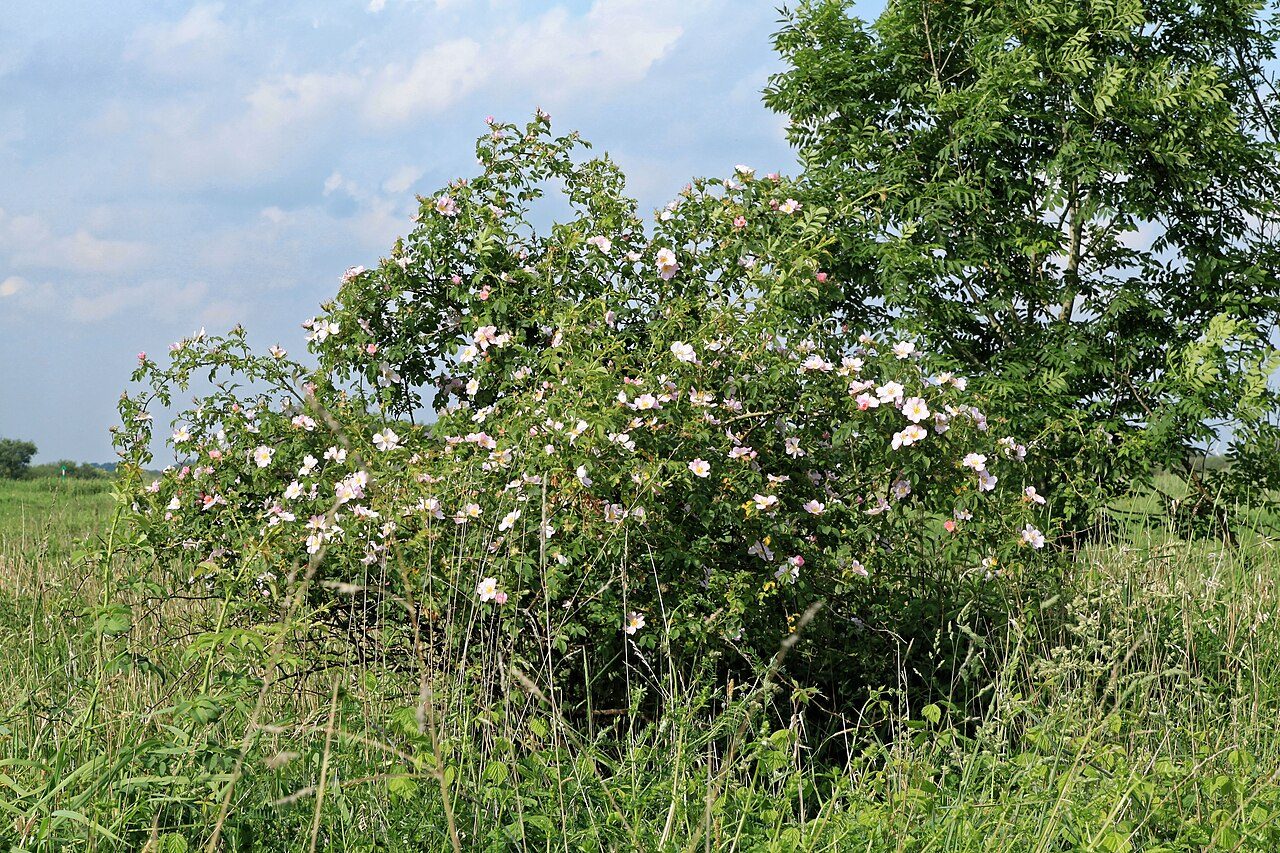
Wild rose of scrub and field margins; it gives no nectar, but abundant pollen in May-June adds protein for the brood.
- Nectar
- None
- Pollen
- Good
- Flowering
- JanFebMarAprMayJunJulAugSepOctNovDec
- Height
- 1-3 m
- Life cycle
- Perennial
🐝 Add to my apiary
Log in to add it to your apiary.Value for beekeeping
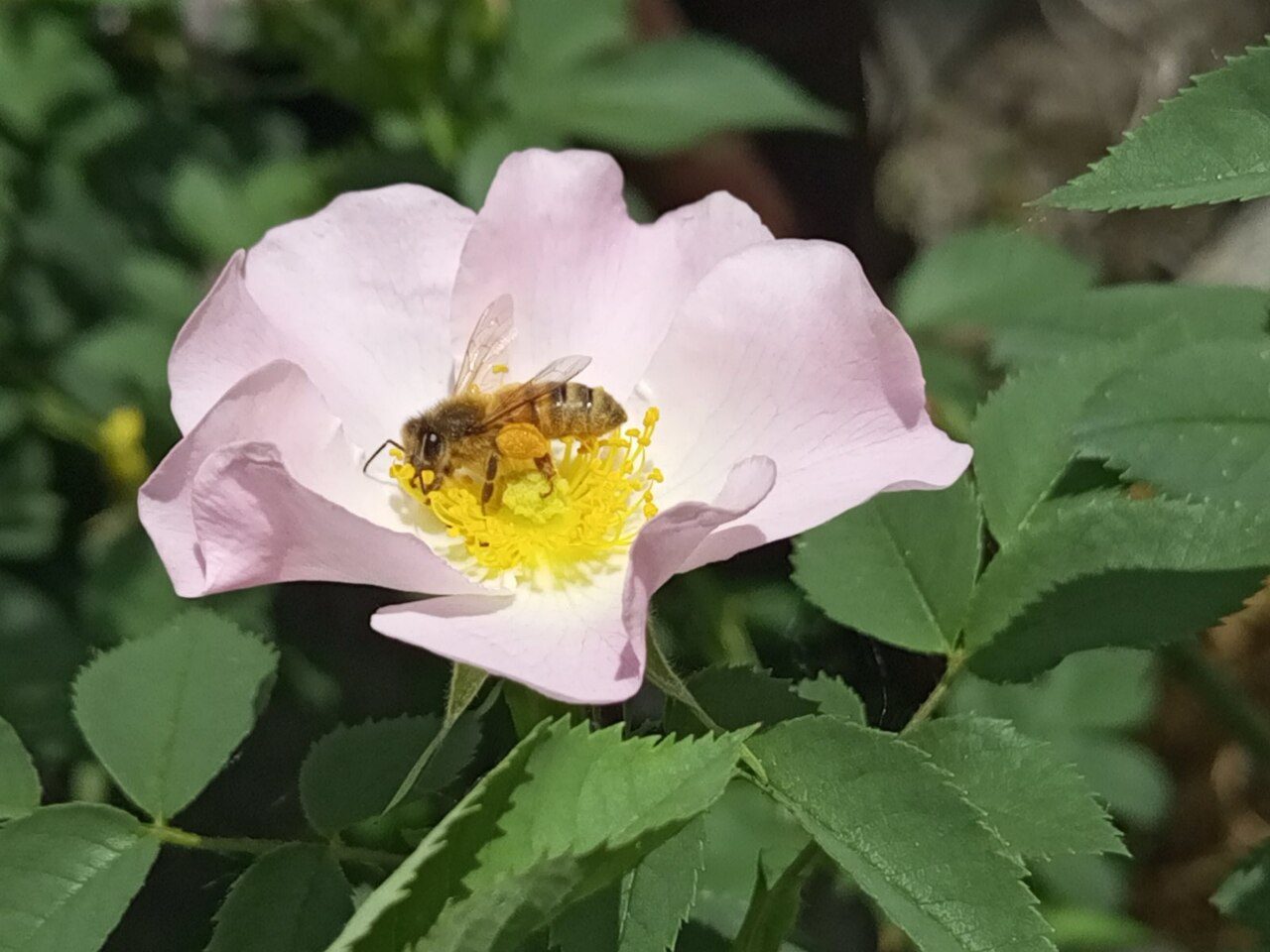
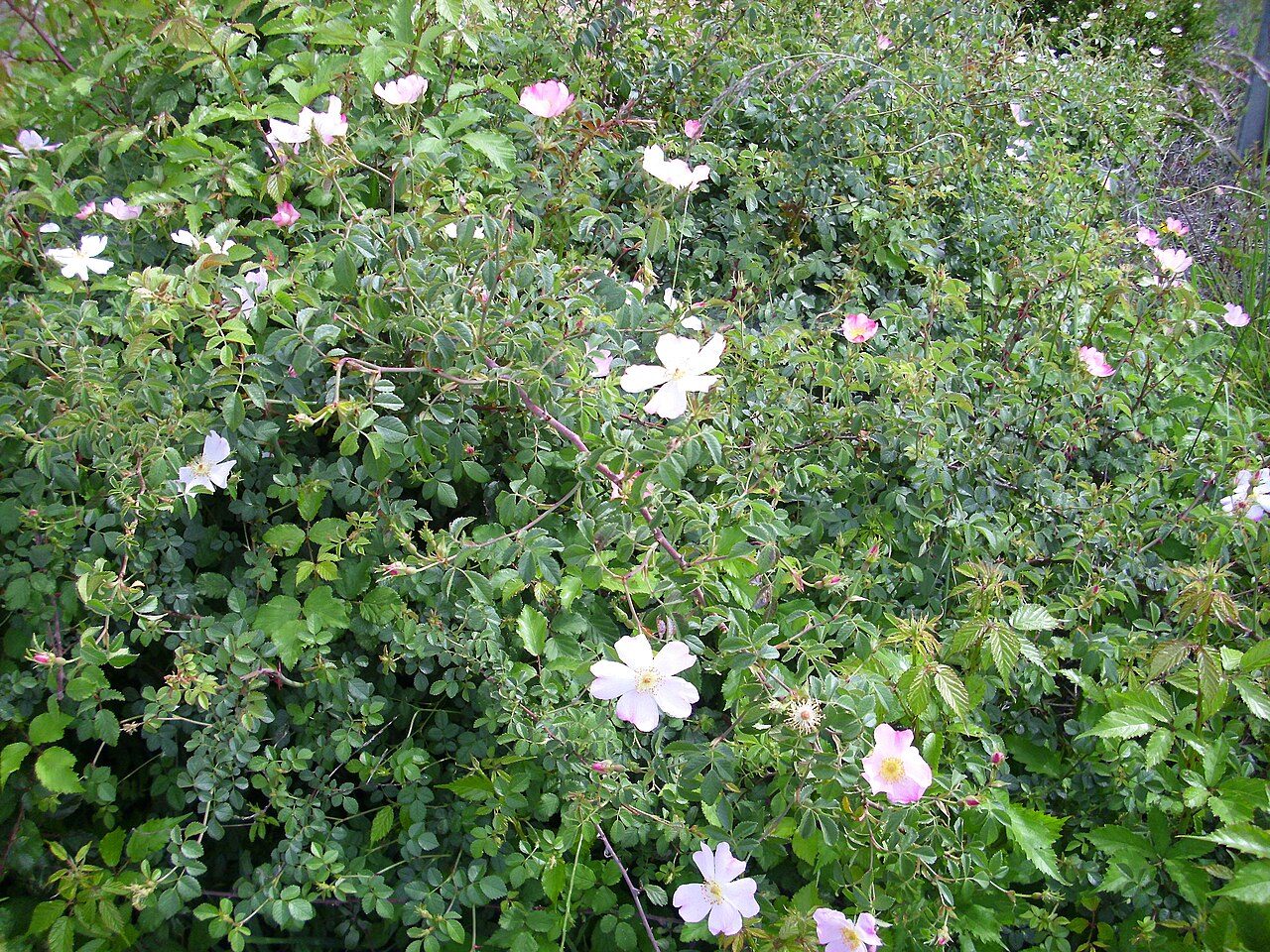
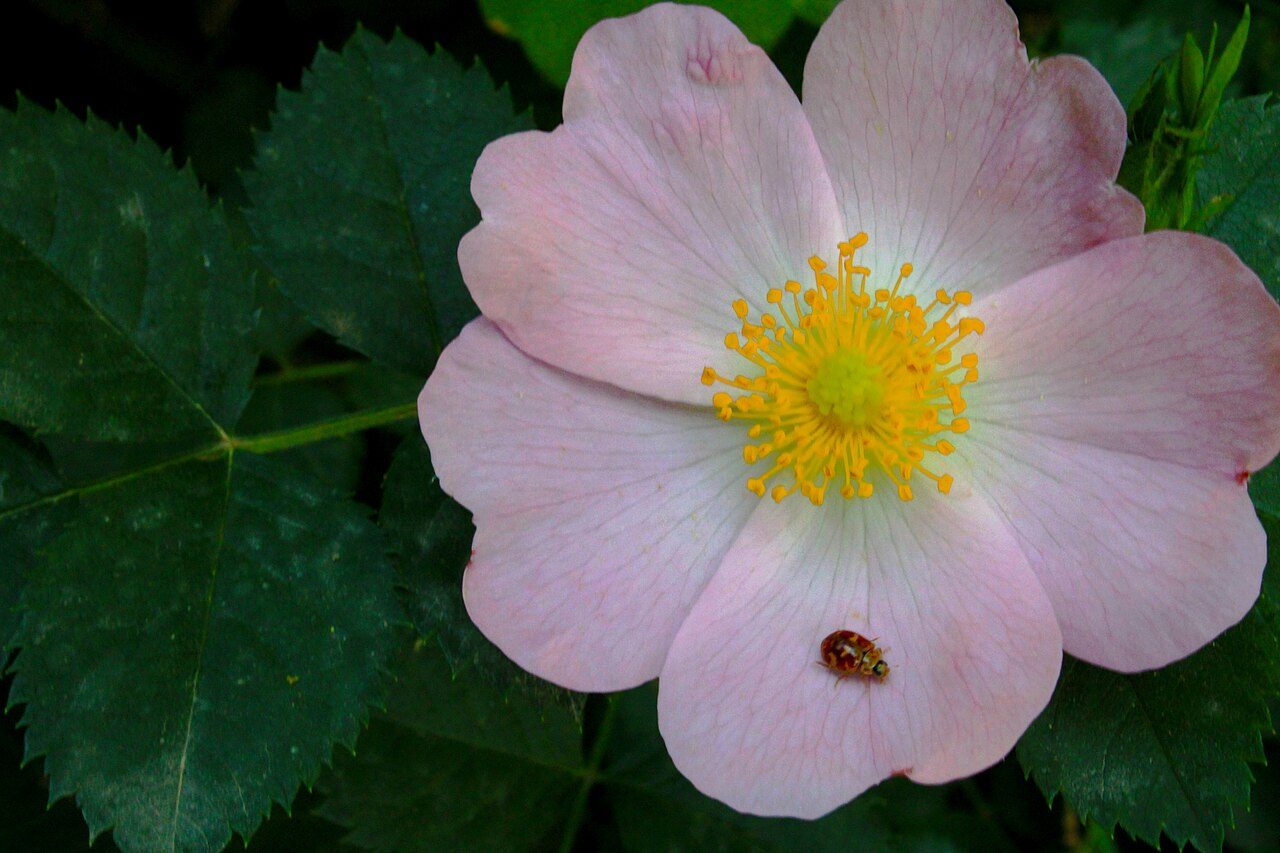
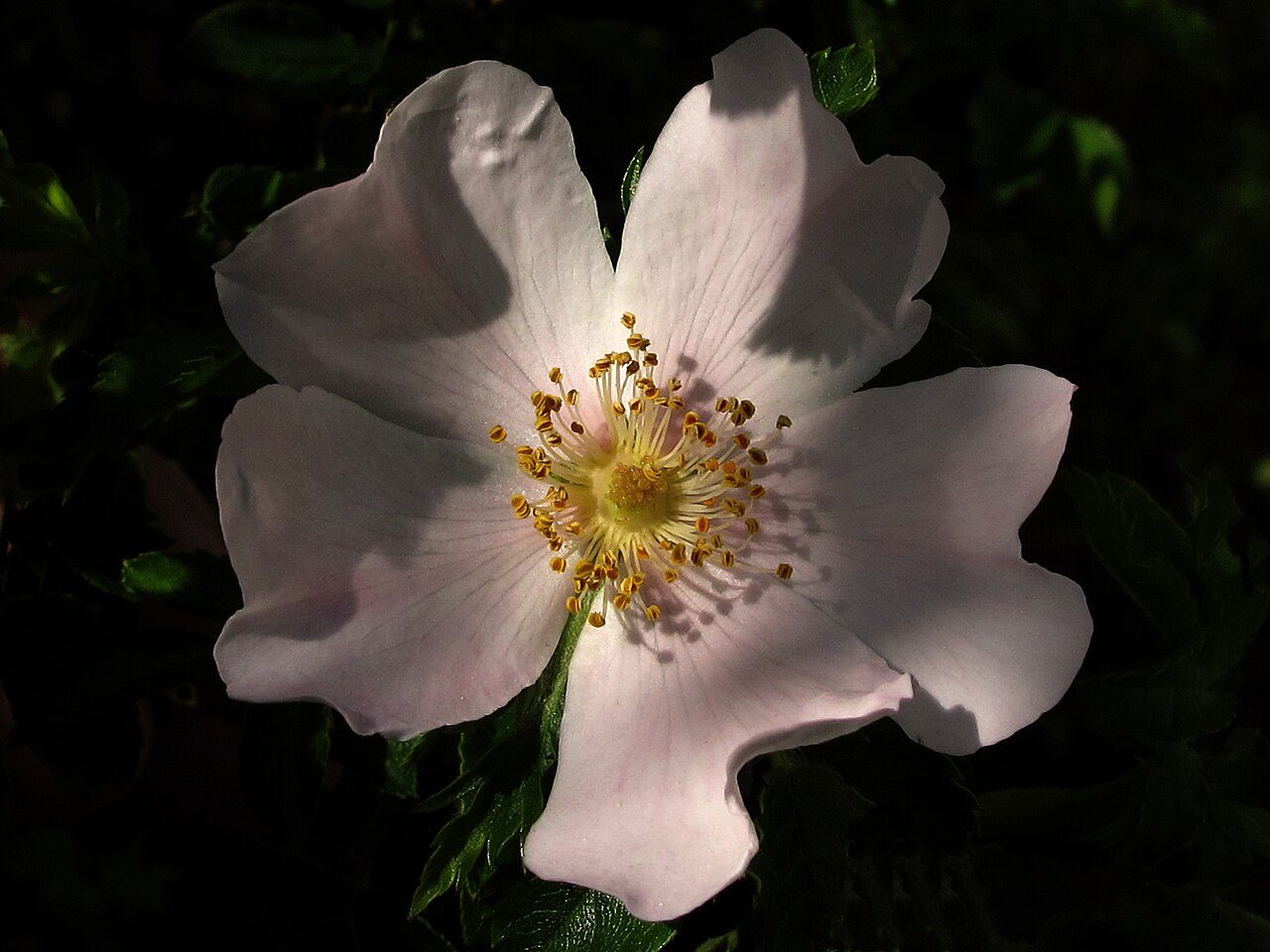
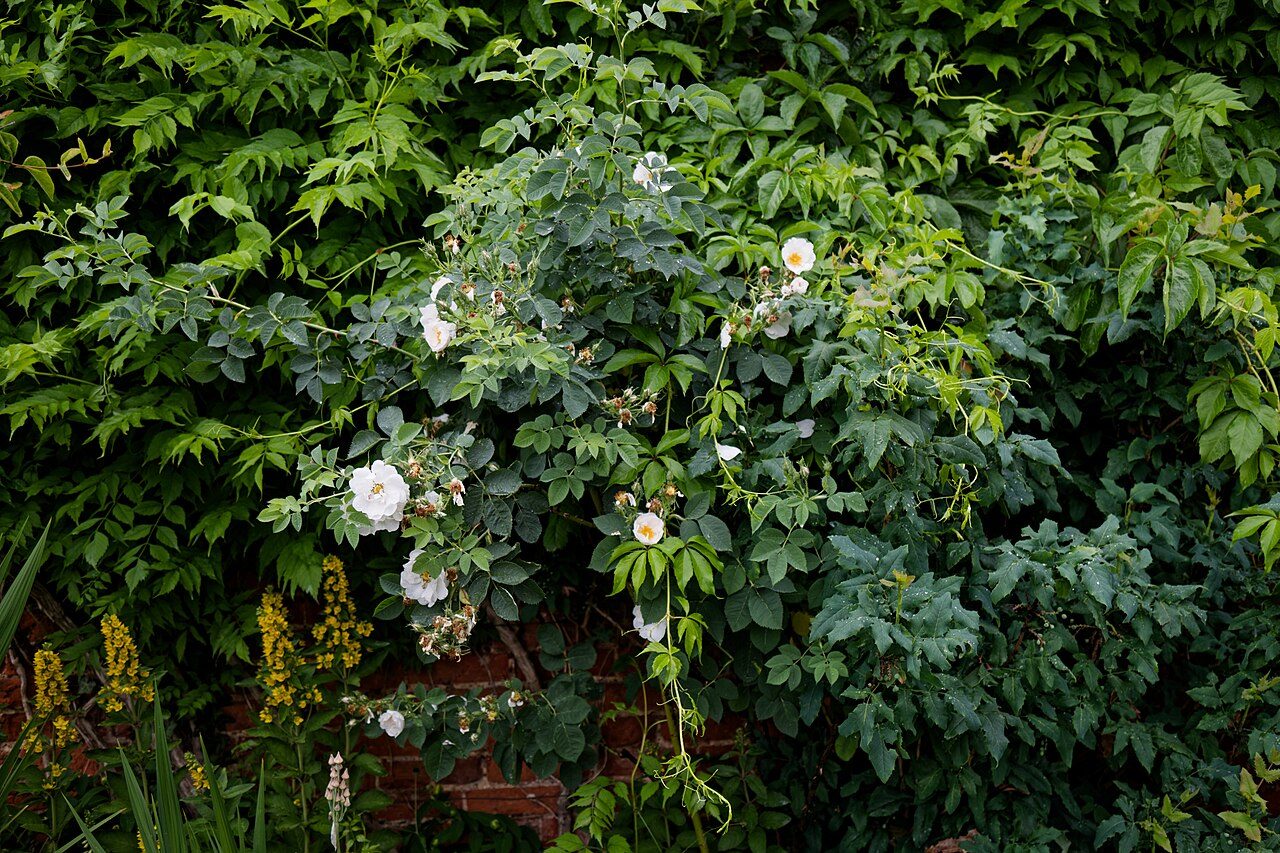
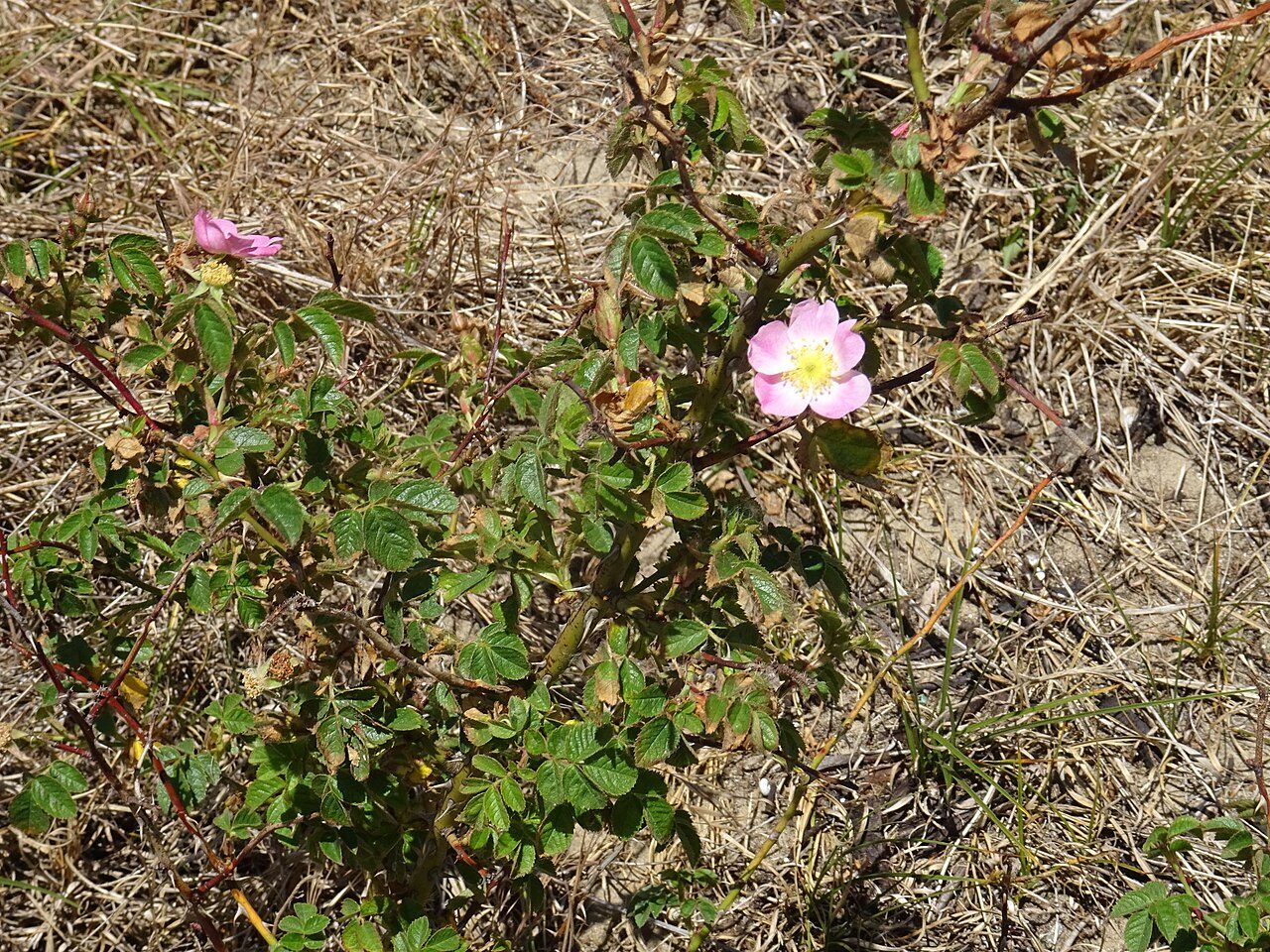
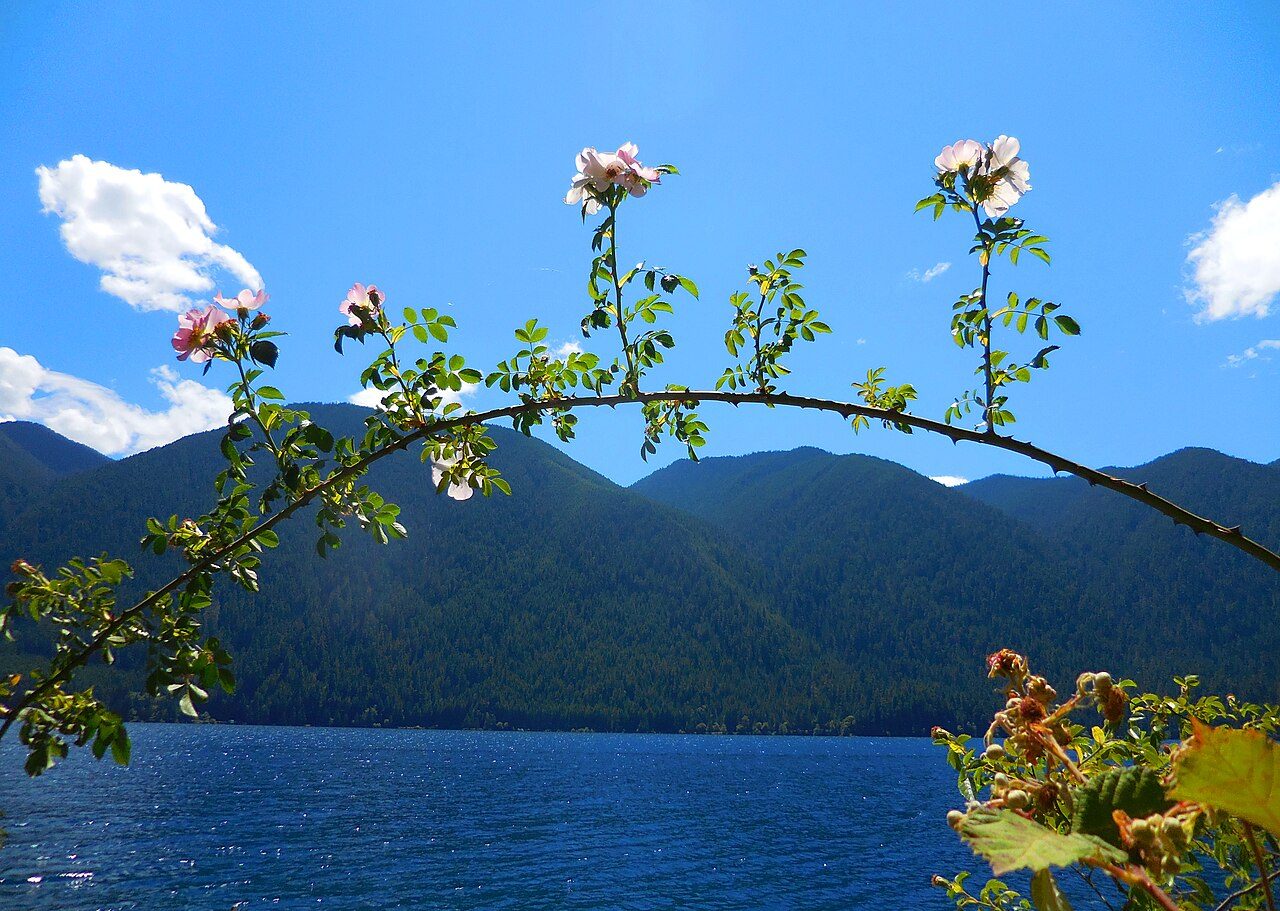
Dog rose is a wild rose common in scrub, along woodland edges and field margins. Its flowers give no nectar or very little; its value lies in its abundant pollen. Bees collect pollen especially in the morning from freshly opened flowers.
Flowering
It flowers for about 2-3 weeks in May-June; each flower is short-lived and is replaced by a new one.
Honey and pollen
As it gives no nectar, it does not contribute to honey. Its pollen provides extra protein for the brood during the acacia and summer flow period.
Note for the beekeeper
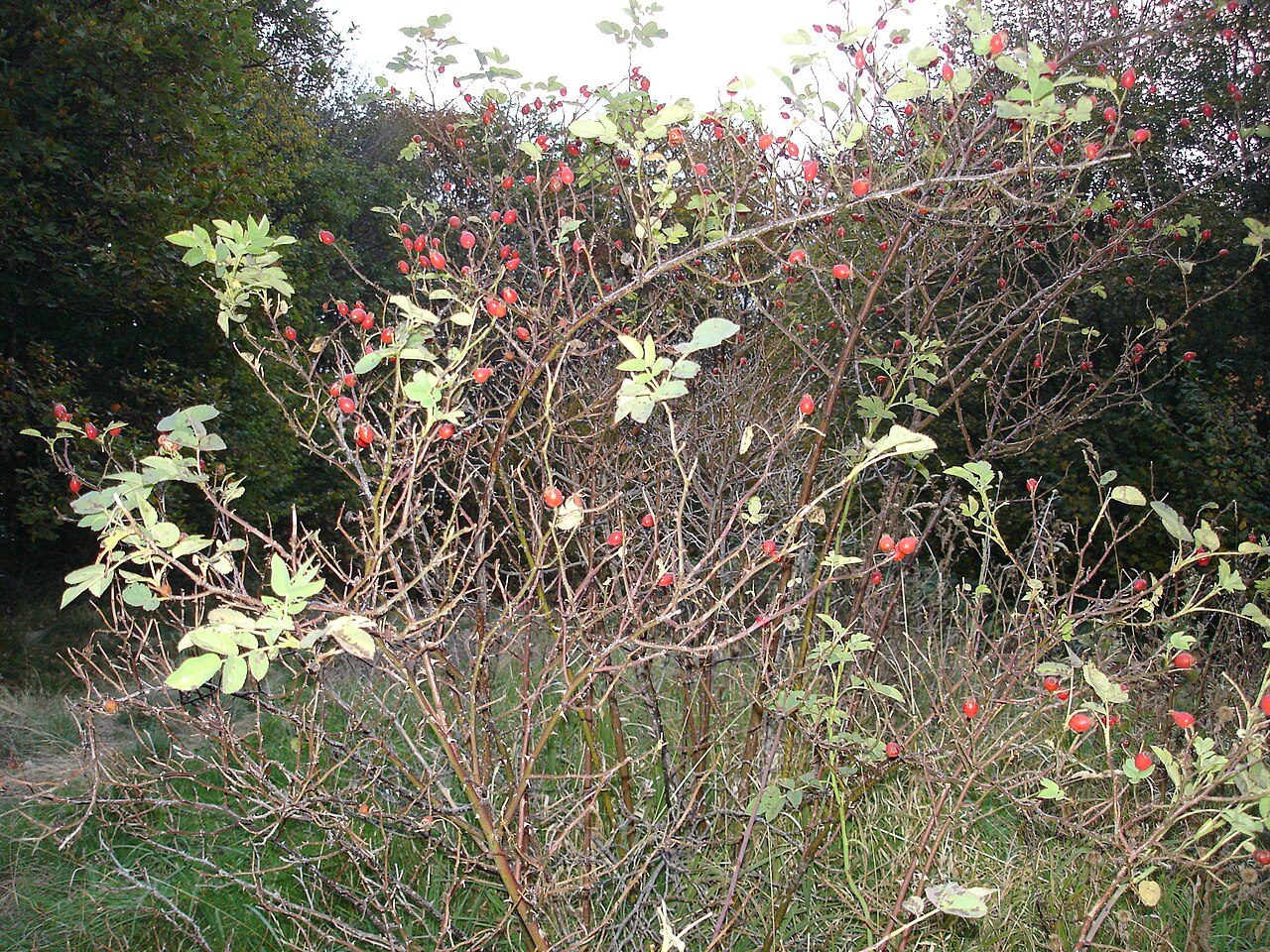
Dog rose hedges are also valuable for wild bees and other pollinators, and their hips are winter food for birds. In planning bee forage, it should be seen as pollen support alongside the main nectar plants. Most wild roses are likewise nectarless pollen sources; double-flowered garden roses, on the other hand, are usually of no use to bees at all.