

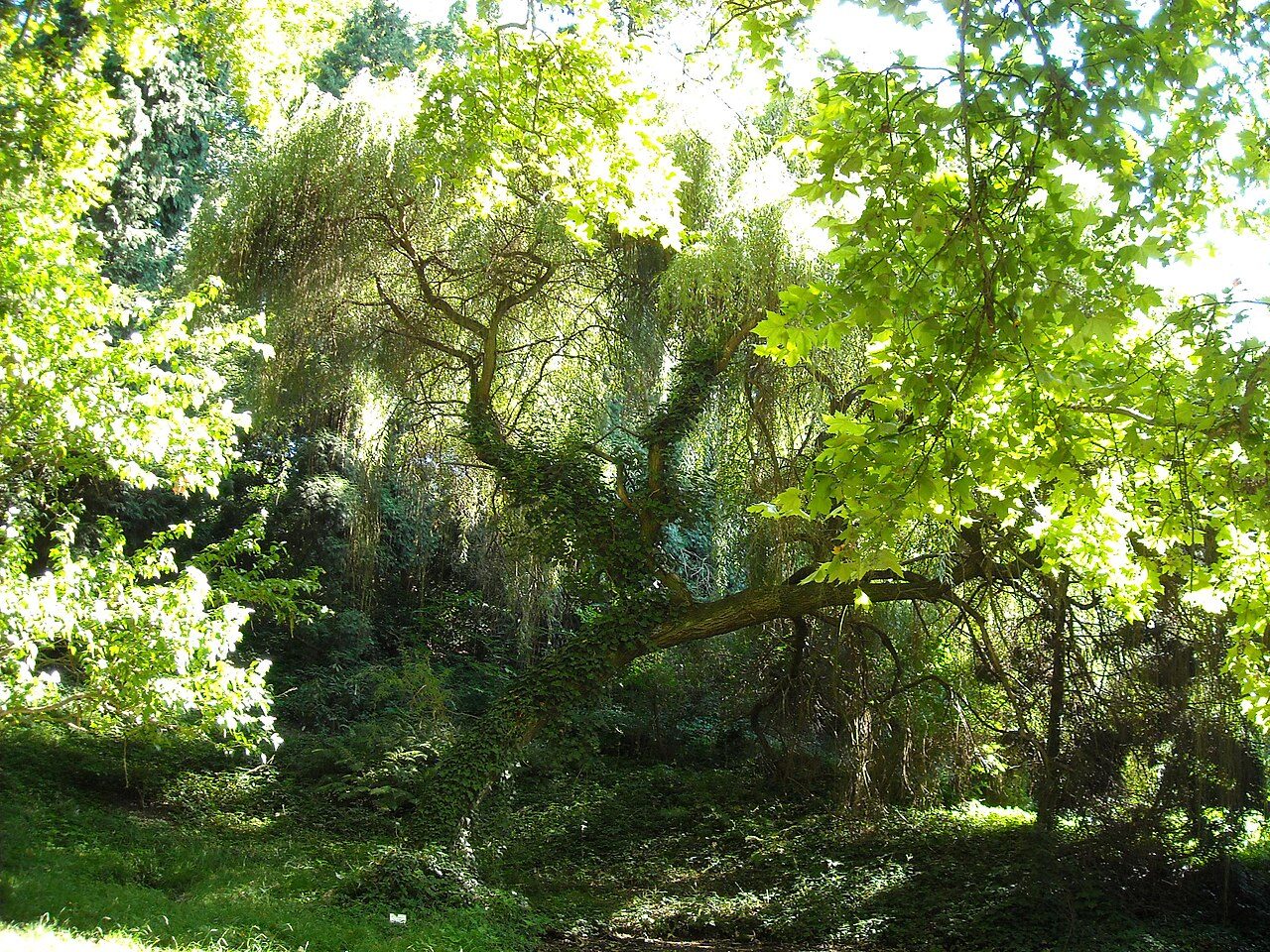
Weeping willow
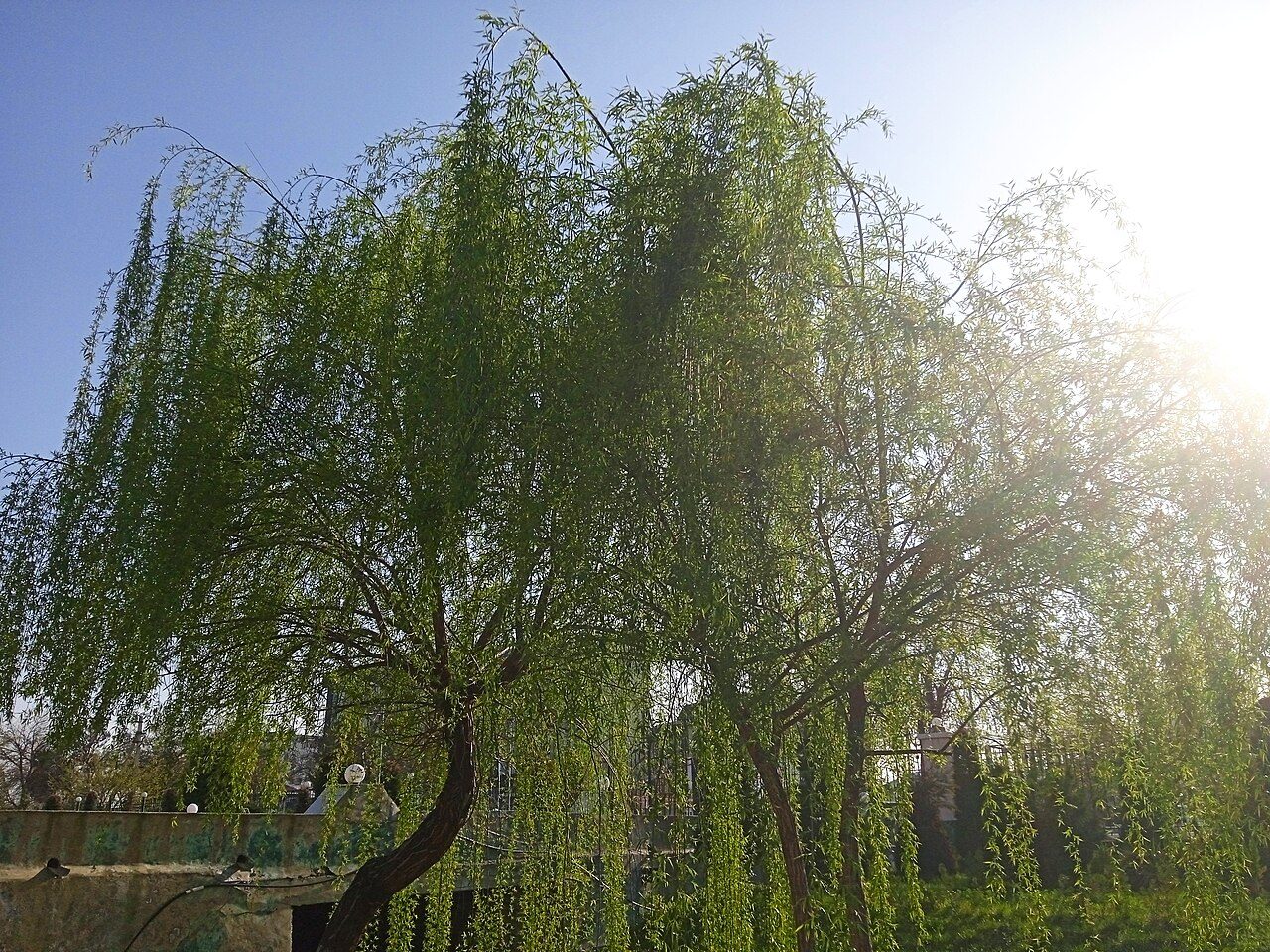
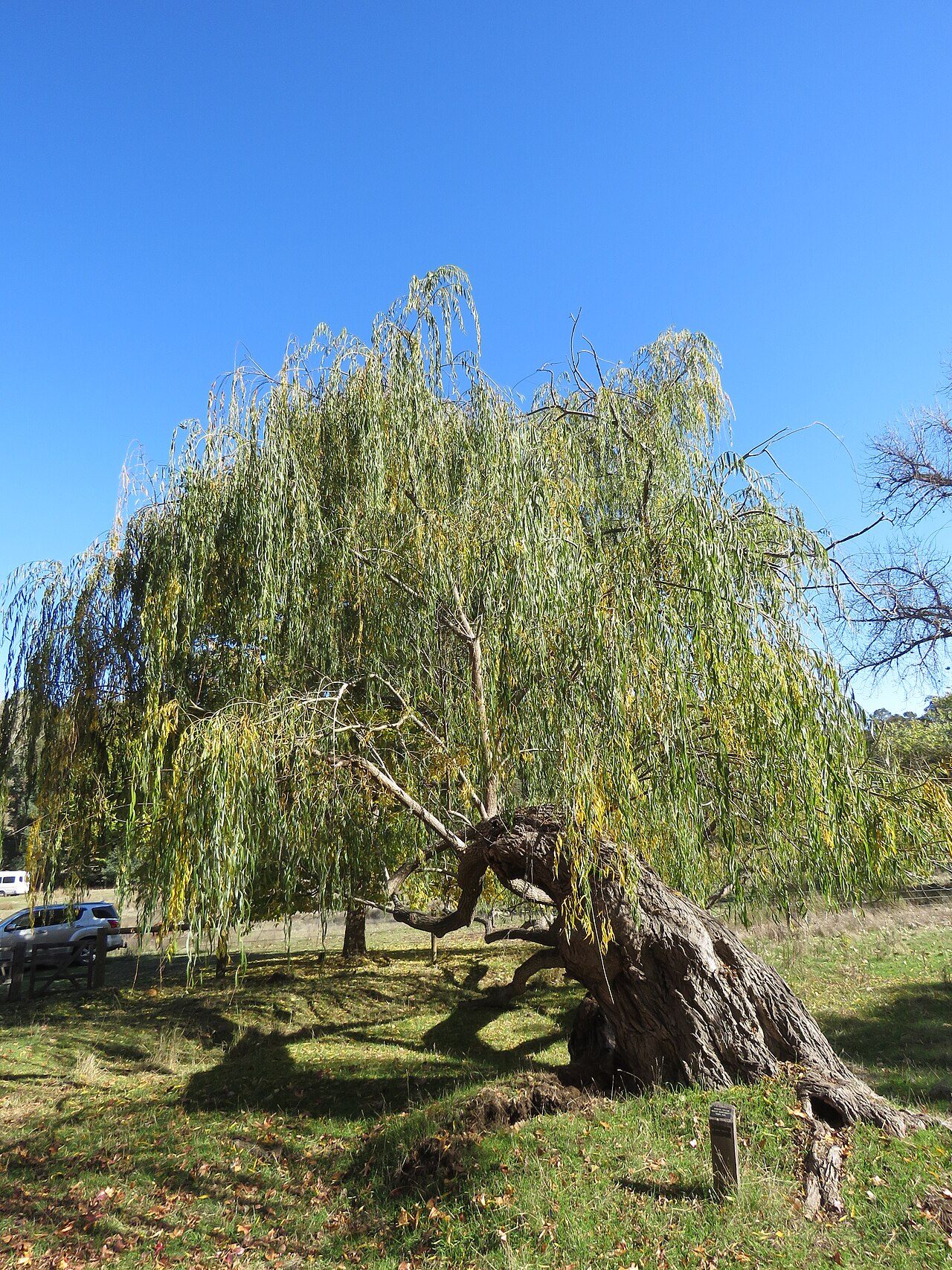
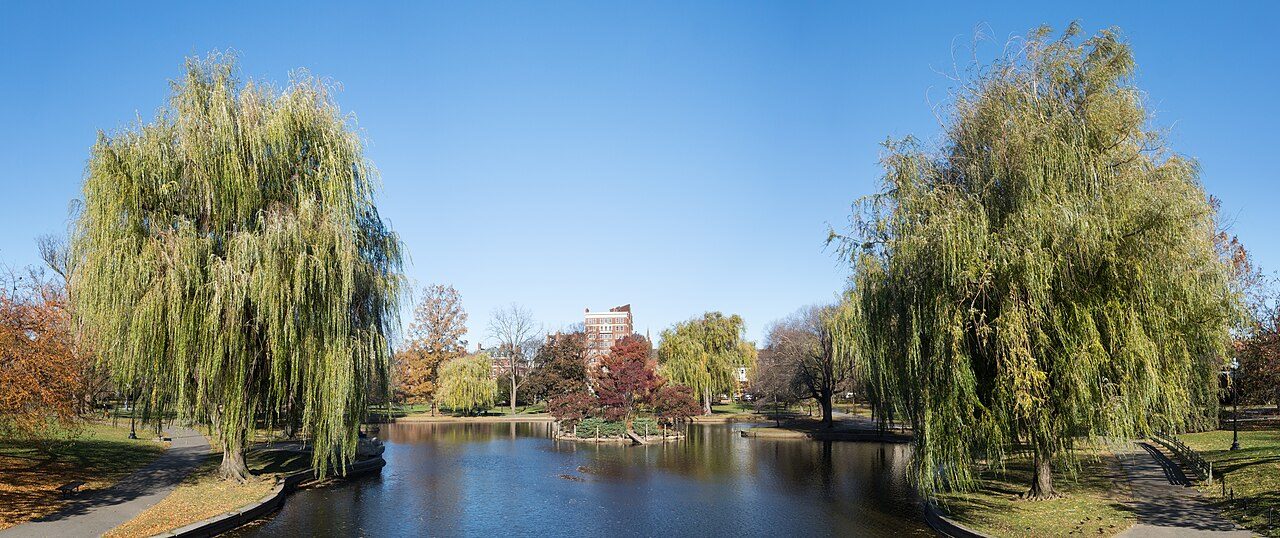
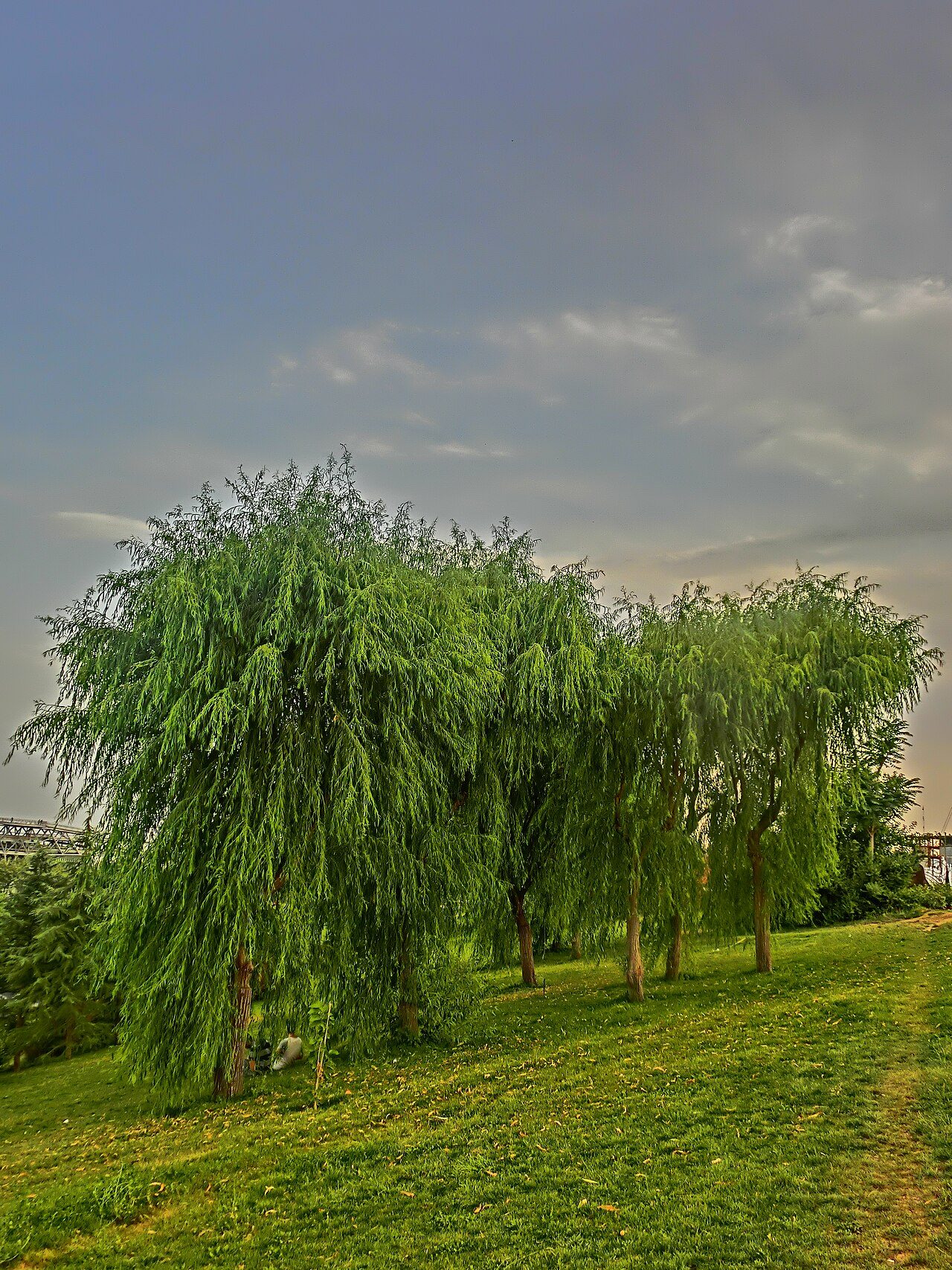
The drooping willow of parks and watersides; most planted trees are female, so in early spring it gives mainly nectar, and male willows are needed for pollen.
- Nectar
- Medium
- Pollen
- Low
- Flowering
- JanFebMarAprMayJunJulAugSepOctNovDec
- Height
- 8-15 m
- Life cycle
- Perennial
🐝 Add to my apiary
Log in to add it to your apiary.Value for beekeeping
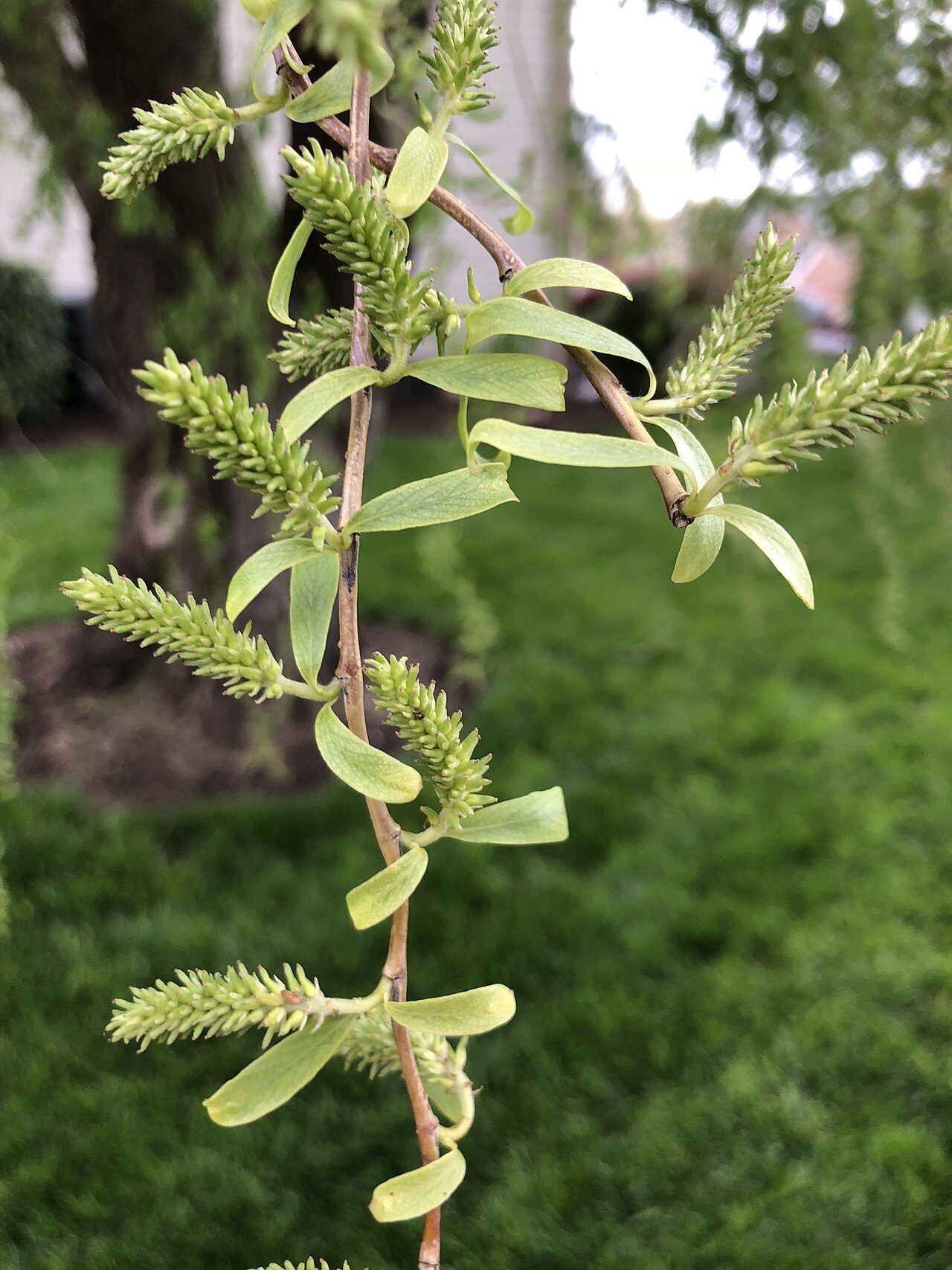
Weeping willow originates in northern China and has been planted for centuries all over the world in parks, cemeteries and by water. Most of the trees planted in Europe and Turkey are female clones or weeping hybrids with white willow. The female catkins secrete nectar, so honey bees come to the tree in spring, but they cannot collect pollen.
Flowering
It flowers between late March and April, together with the new leaves. It leafs out before most willows and is briefly an early nectar source.
Honey and pollen
It leaves no honey surplus; the nectar goes straight into brood rearing. Because male trees are few, its pollen contribution is low. Aphids produce honeydew in places.
Note for the beekeeper
If the aim is to increase spring pollen around the apiary, planting goat willow or male white willow is more effective than weeping willow. Its root system is extensive, so it should be planted away from water pipes.