

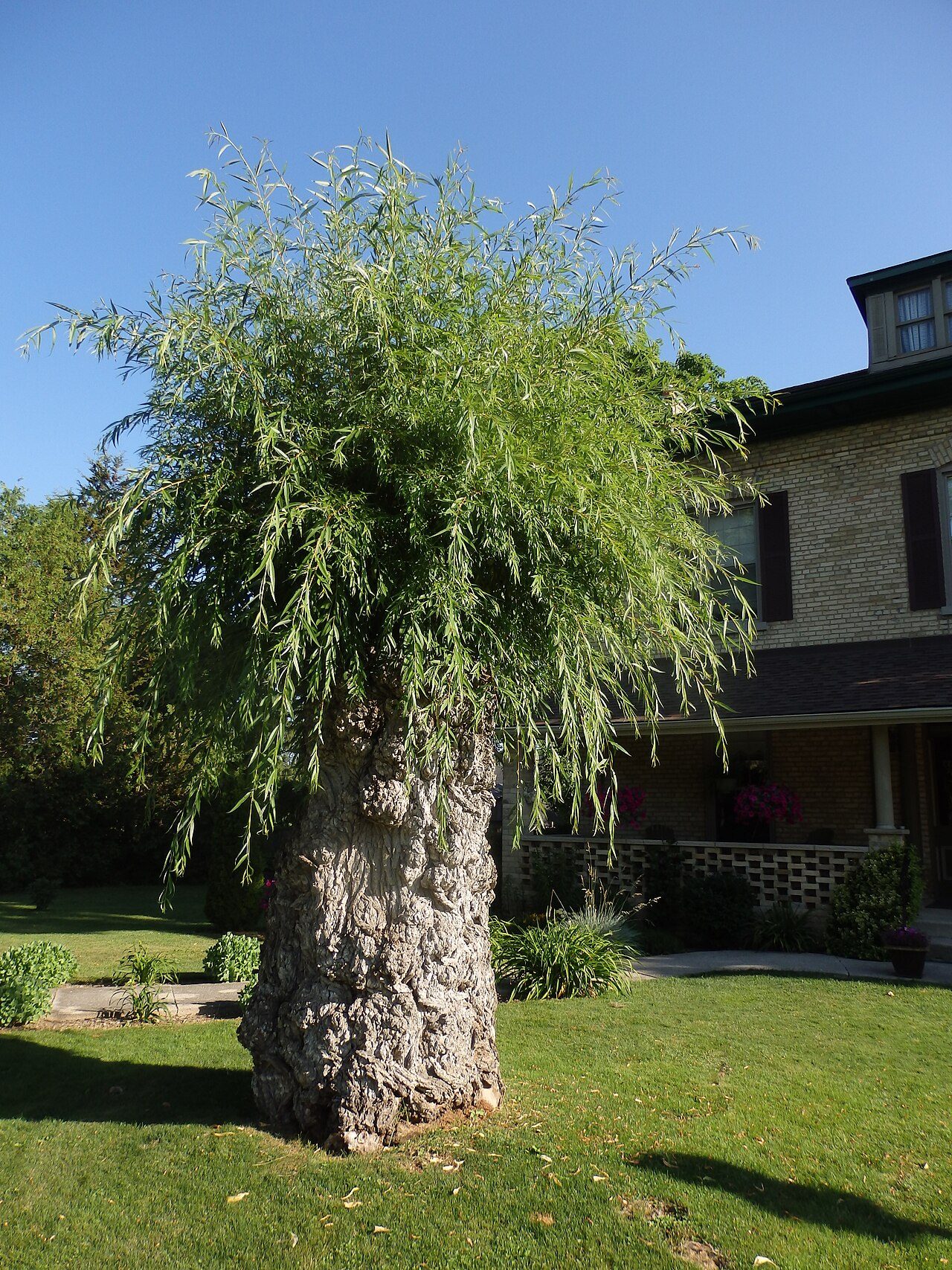
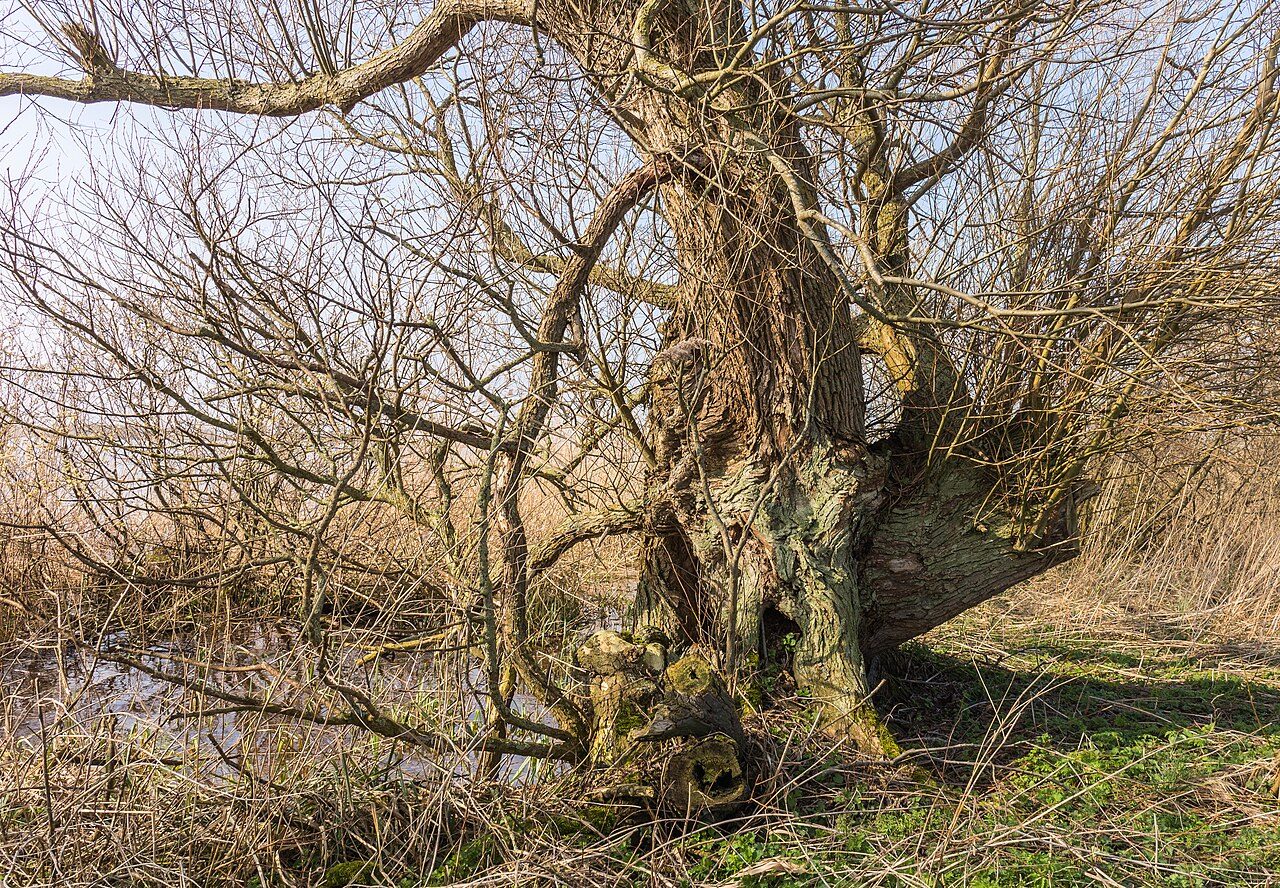
Willow
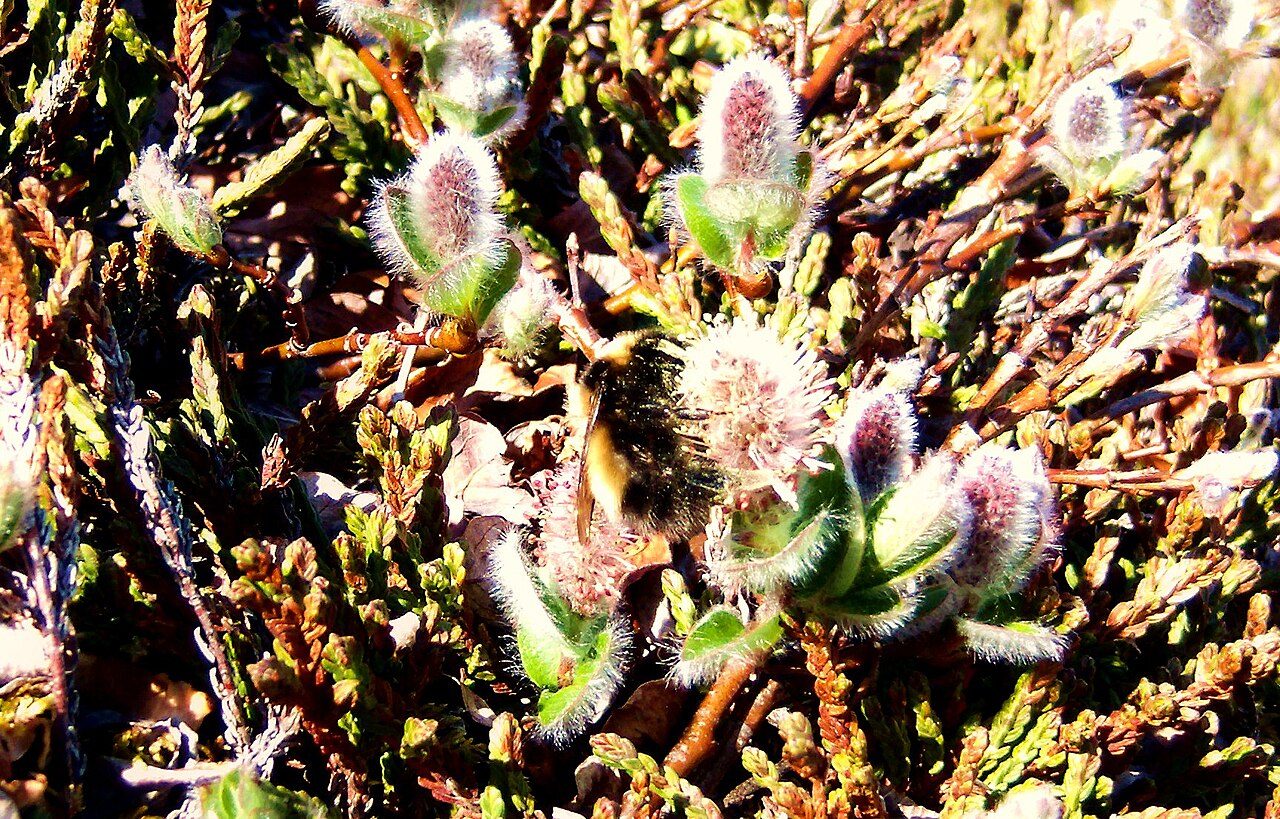
The first major pollen source after winter; catkins opening in February-April supply plenty of yellow pollen and nectar for fast brood build-up.
- Nectar
- Good
- Pollen
- Very good
- Flowering
- JanFebMarAprMayJunJulAugSepOctNovDec
- Pollen colour
- Height
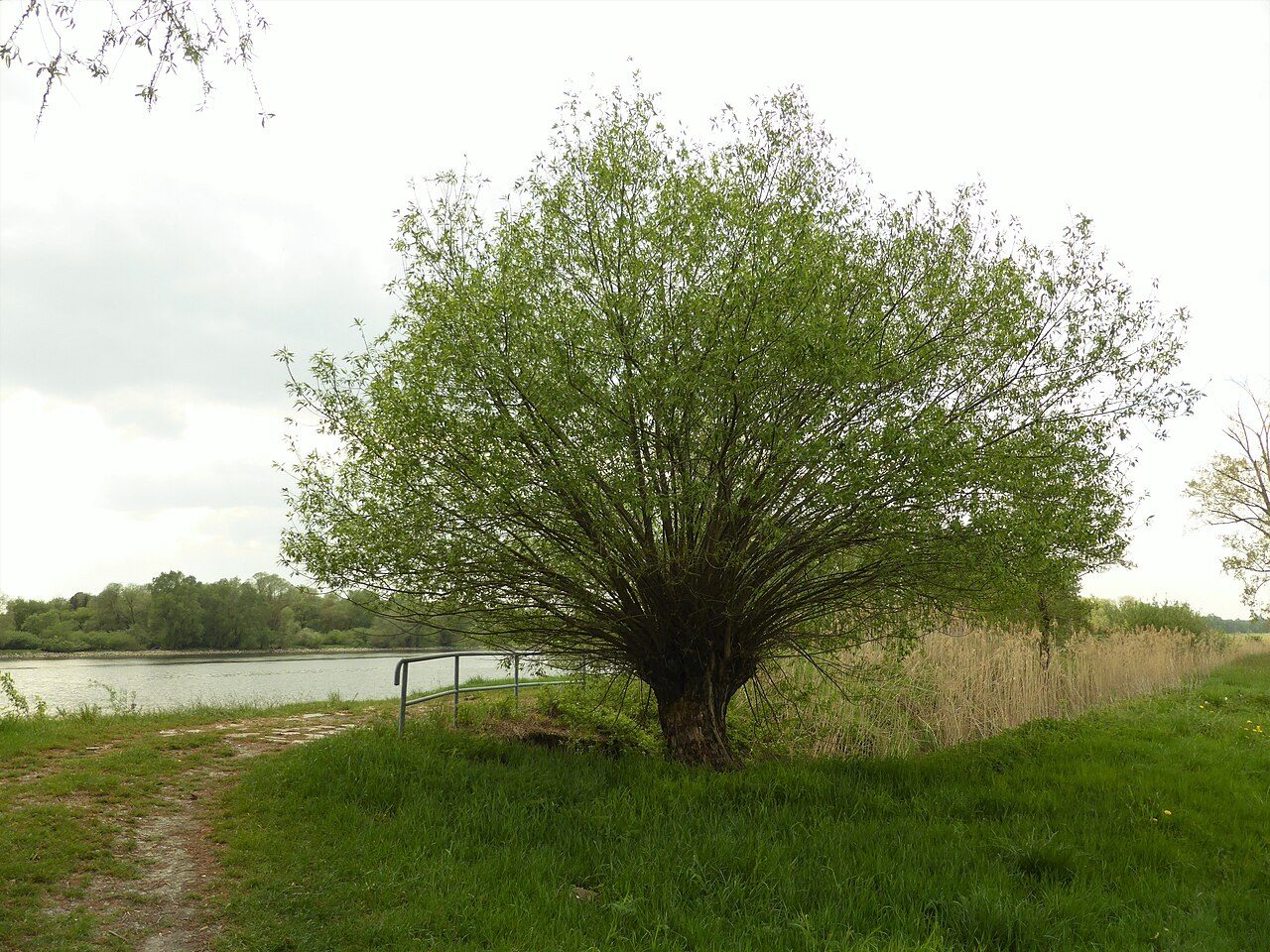
- 3-20 m
- Life cycle
- Perennial
🐝 Add to my apiary
Log in to add it to your apiary.Value for beekeeping
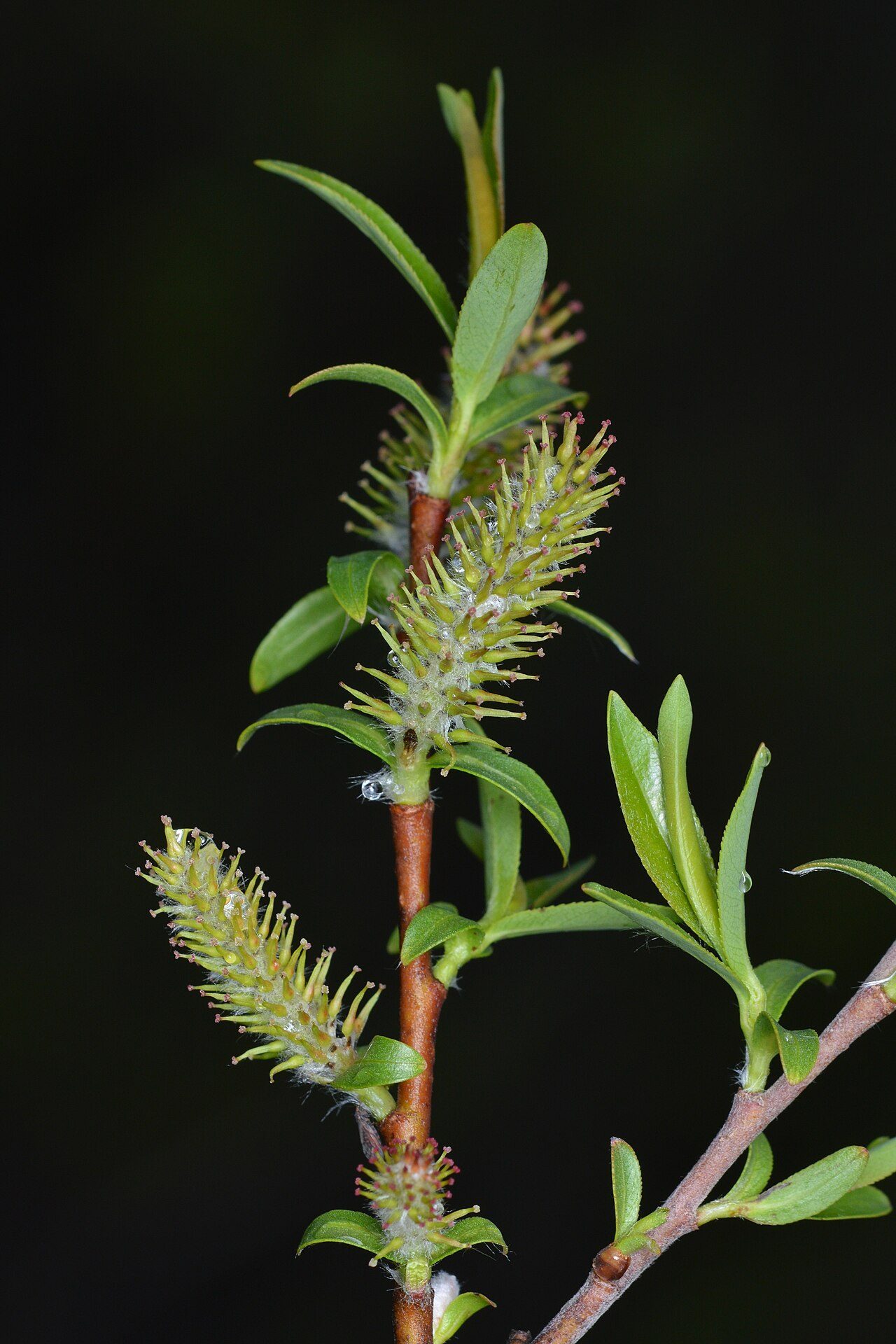
Willows are the bees' first major pollen source after winter. The trees are either male or female: the yellow-tufted catkins of male trees give plenty of pollen, while female trees give nectar. Thanks to their early flowering they allow the brood to expand quickly; even a few willows near the hives make a difference.
Species and flowering
Depending on the species, they flower one after another from February to April. Salix caprea (goat willow) is among the earliest and most valuable; S. alba (white willow), S. fragilis, S. cinerea and the ornamental S. babylonica (weeping willow) are also useful to bees.
Honey and pollen
Because the early spring flow is mostly consumed in the hive, a separate willow honey is rare. The pollen loads are bright yellow. In some years aphid honeydew is collected as well.
Note for the beekeeper
Planting male willows around the apiary is a cheap and effective spring boost. Most willows root easily from cuttings in moist soil; goat willow, however, roots poorly, so planting it as a sapling is more reliable.