

← All plants
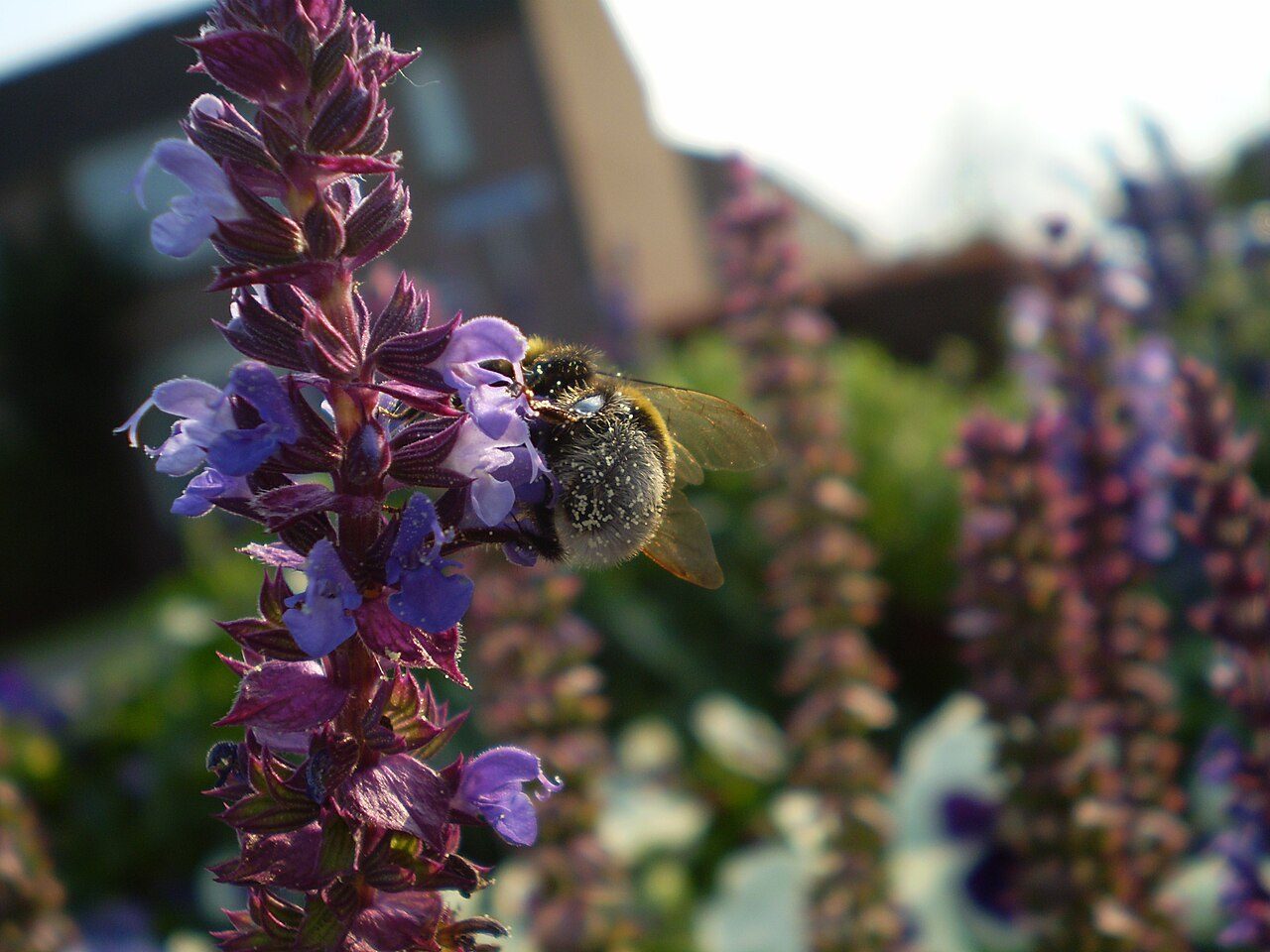
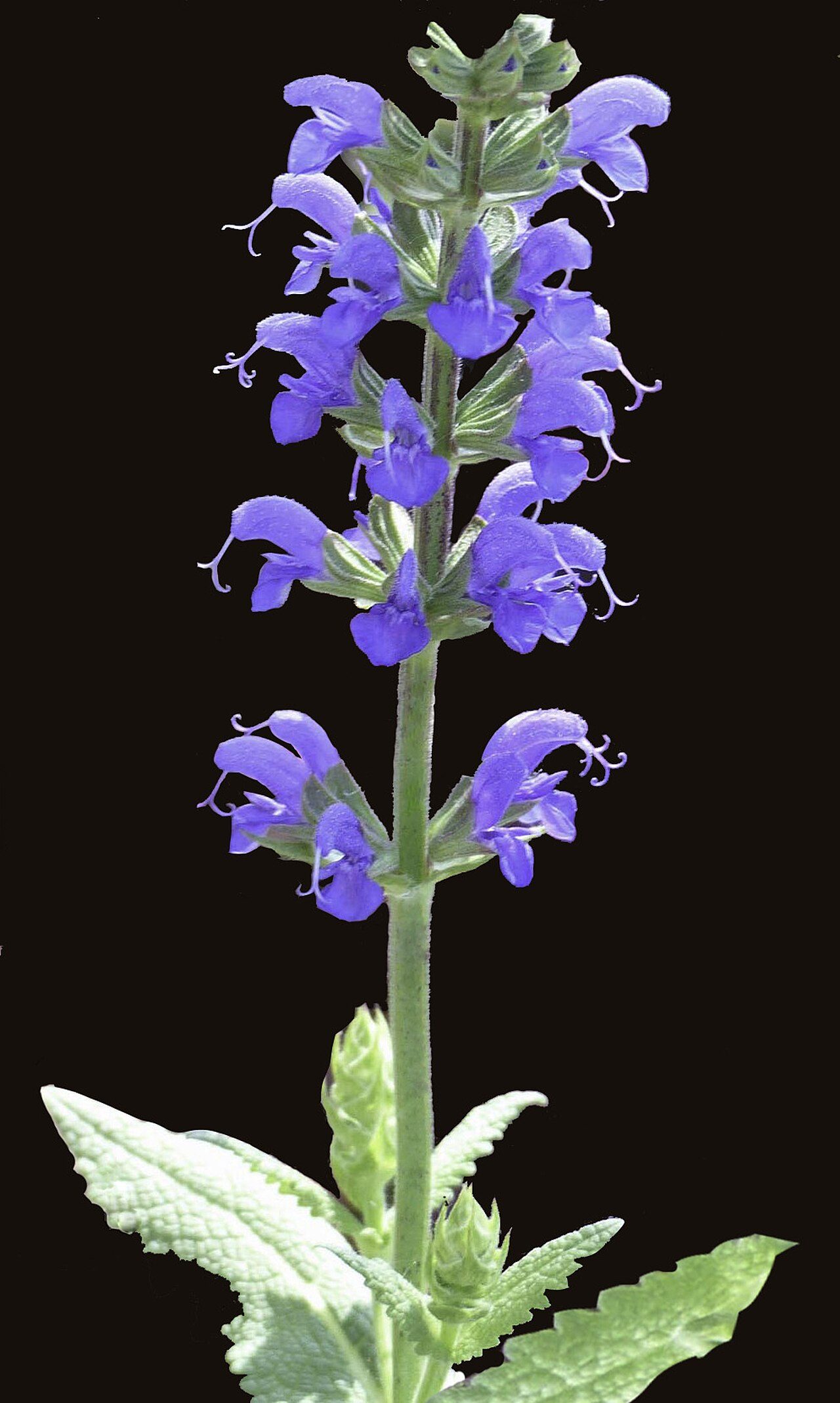
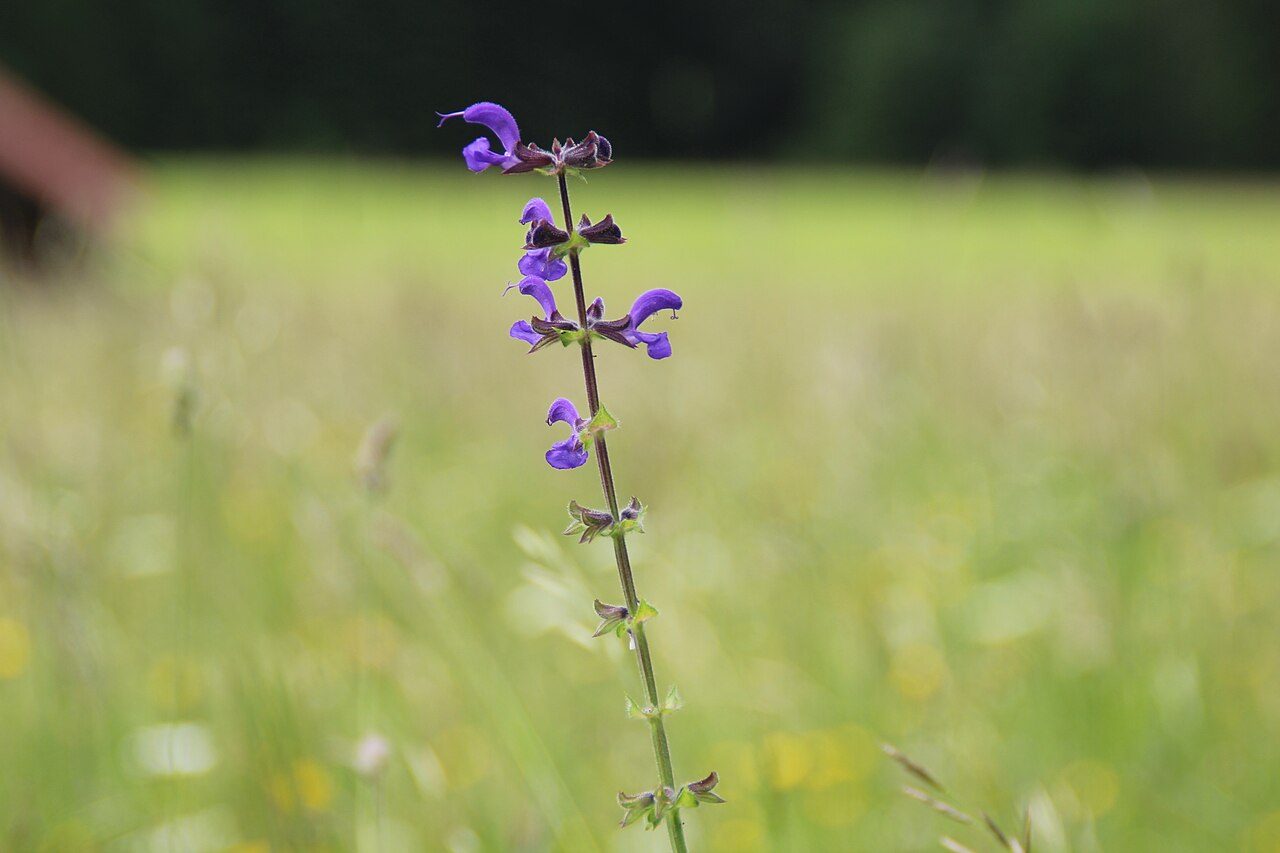
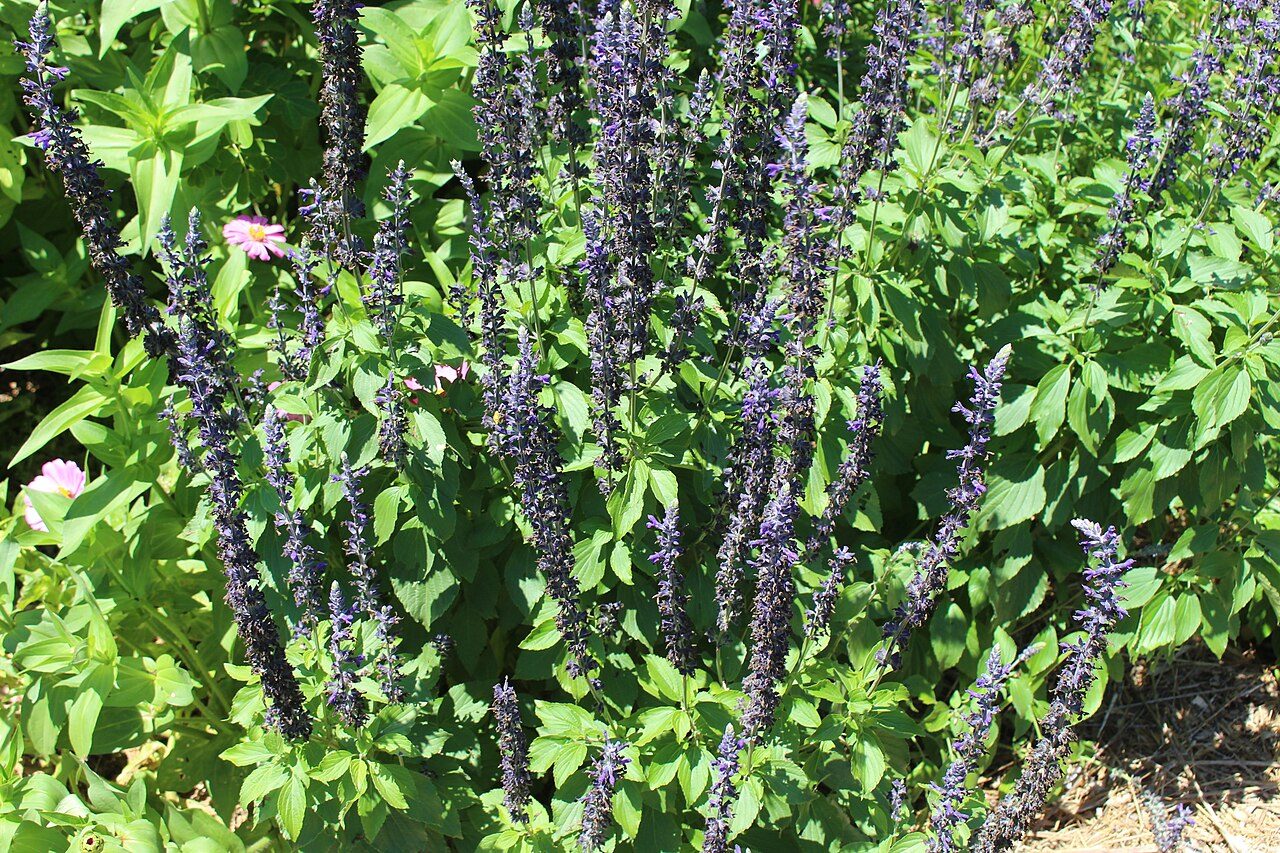
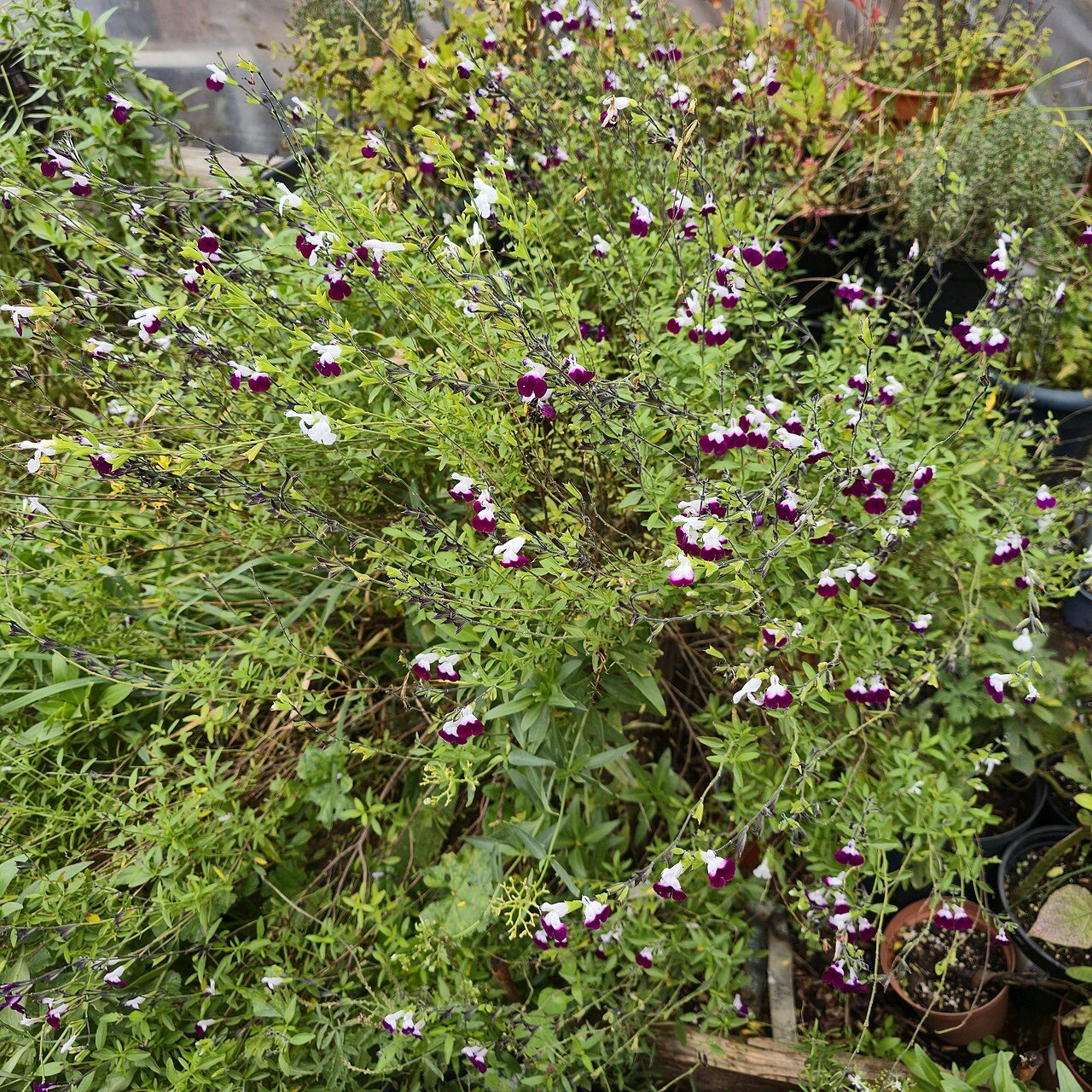
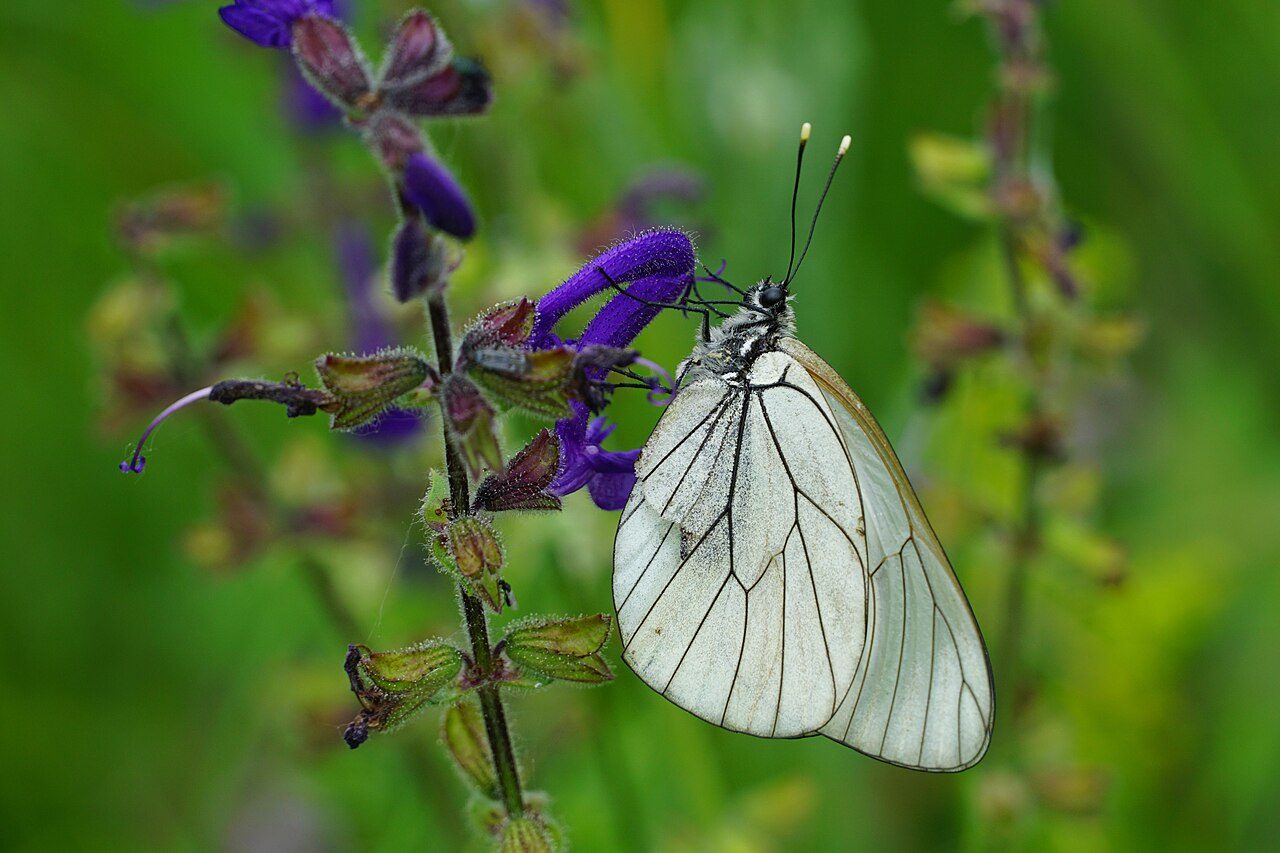
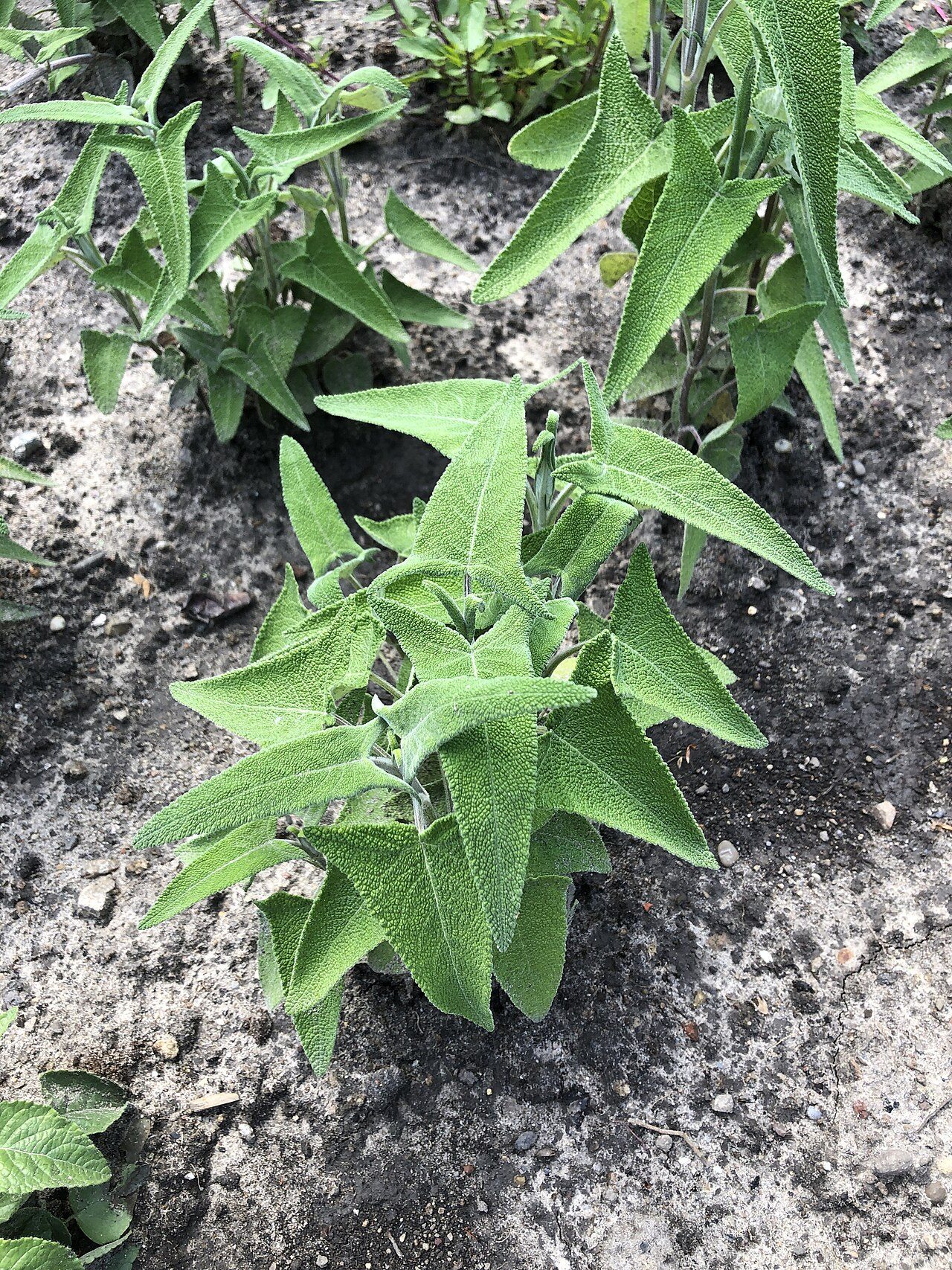
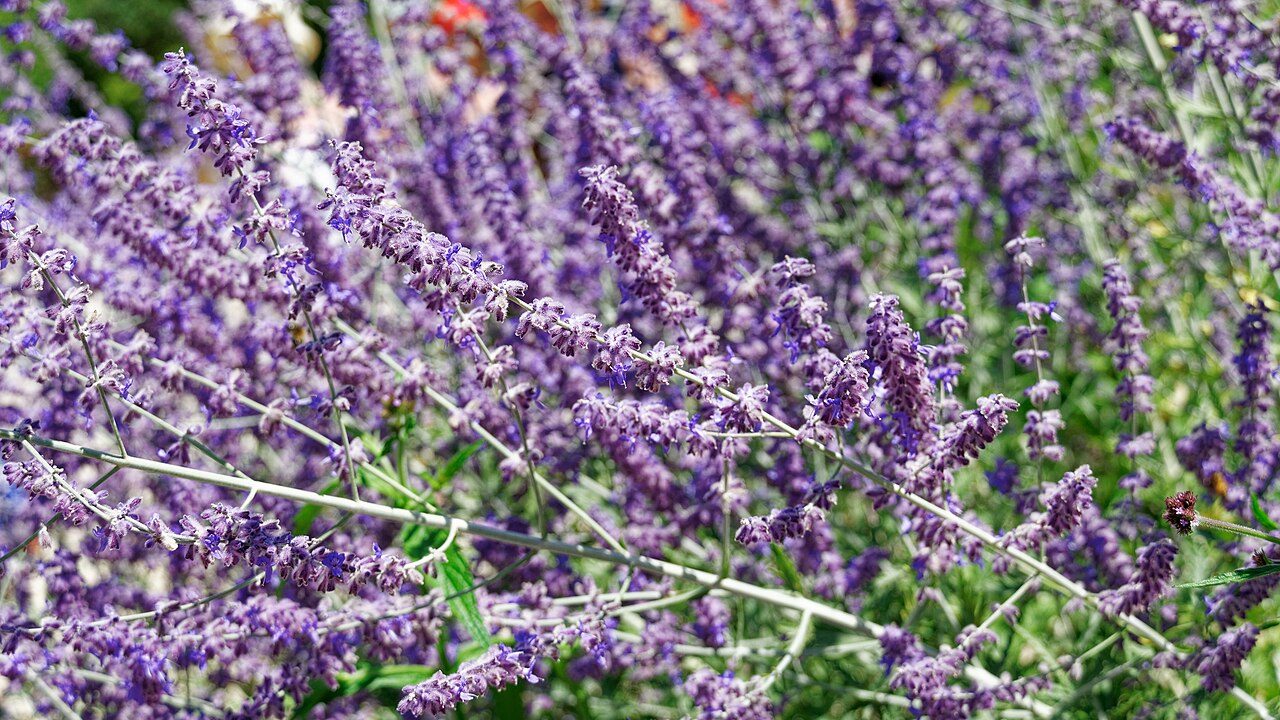
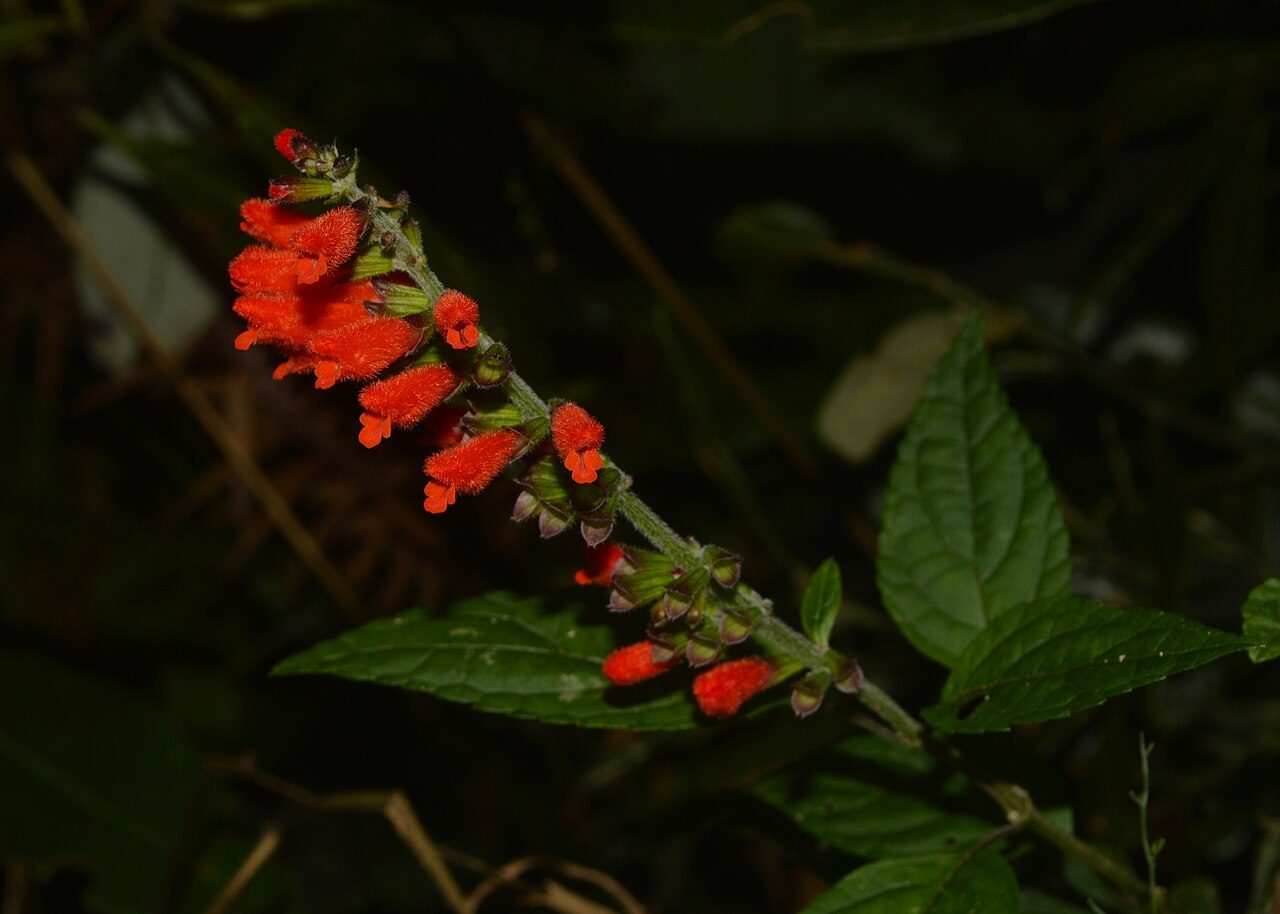
Photo: Rob Hille · Public domain · Wikimedia Commons
Sage
Salvia spp. · Lamiaceae
HerbMonofloral honey
A rich genus with about 100 species in Turkey, half of them endemic; flowers built for bees give good nectar in spring and early summer.
- Nectar
- Good
- Pollen
- Medium
- Flowering
- JanFebMarAprMayJunJulAugSepOctNovDec
- Height
- 0.3-1.5 m
- Life cycle
- Perennial
🐝 Add to my apiary
Log in to add it to your apiary.Value for beekeeping
Sages are one of Turkey's richest genera: about 100 species, nearly half of them endemic. The flowers of most species are shaped for bees; as a bee lands on the lower lip and reaches for the nectar, the anthers above brush pollen onto its back. Nectar flows freely on mild, sunny, slightly humid days.
Important species
- Salvia fruticosa (Greek sage): spring flow in the Aegean and Mediterranean maquis.
- S. tomentosa and S. sclarea (clary sage): early summer in inland and transitional regions.
- S. verticillata and S. virgata: flowering for a long time along roadsides and in pastures.
- S. officinalis: cultivated; the source of sage honey in Dalmatia.
Honey and pollen
Sage honey is usually light amber, aromatic and slightly herbal in taste. Pollen is collected in moderate amounts.
Note for the beekeeper
In the maquis, sage comes in April-May, before the thyme flow; it is a good site for spring build-up.