abe livi/Unsplash
Here’s how the claims about honey for specific injuries and diseases stack up to science.
Megan Clark/Unspalsh
The next jar of Australian honey you buy may just be doing more good than you realise.
Vladimir Sukhachev/Shutterstock
Almost half of honey imports to Europe have been flagged as suspicious. From sugar syrups to fake origins, honey fraud is big business.
A bee collects pollen on a flower on the grounds of the Canadian Museum of Nature in Ottawa in July, 2021.
THE CANADIAN PRESS/Sean Kilpatrick
Traditional methods for controlling Varroa mites are becoming less effective, but AI-enabled non-invasive methods could help improve detection and keep bees safe.
Getty Images
Mānuka honey gets the headlines and the export dollars, but honeys from the nectar of other New Zealand native trees have their own unique tastes and properties. It’s time to spread the love around.
Honeybees crawl over a honey comb at the Honey Meadows Farm in DeWinton, Alta. in May 2024. Analyzing honey samples can provide vital clues as to the spread of harmful pollutants in any given area.
THE CANADIAN PRESS/Jeff McIntosh
Honeybees can act as a key ally in pollution monitoring efforts across Canada.
Jag_cz/Shutterstock
New study shows man made hives leak substantially more heat than the tree cavities of wild honey bees.
Recent investigations into honey’s allergy-alleviating potential have yielded intriguing results.
Africa Studio/ Shutterstock
Honey has long been used as a natural remedy for many ailments.
Smit/Shutterstock
New research shows honeybee hive clusters are a sign of desperation, not insulation.
Danny Ulrich and Andrew Dong
Experiments show honey from Australian desert ants has potent antimicrobial power.
NZ Post Collectables
The surprising frequency of bees on coins through history shows the enduring importance to human societies of our buzzing companions.
Shutterstock
Honeybees have the potential to cause damage to the structure of homes. The honey and wax produced by bees can melt under certain circumstances, like when the colony dies or during hot weather.
leandro fregoni/Unsplash
From New York to Tokyo, Melbourne to Venice – honeybee hives have revealed the unique genetic signatures of cities, even providing insights into human health.
EPA/SASCHA STEINBACH
The varroa mite’s arrival in Australia was only a matter of time. We could benefit from one pest fighting another.
Yao honey-hunters harvesting a honeybee nest in Niassa Special.
Reserve, Mozambique, where human-honeyguide cooperation still thrives.
Photo by Jessica van der Wal
Cooperating with honeyguides has been found to increase food security. It facilitates cultural traditions and enables income or trade.
Royal Australian Mint
Celebrating the European honeybee is a misplaced opportunity to honour our forgotten native pollinators.
Cape Honeybee gathering pollen from a rock rose flower - South Africa.
Shutterstock
Honeybees are crucial for pollinating crops and plants. They need good forage resources to do this and these resources are under threat in South Africa.
Excavating Nok terracotta figurines at the research site.
Peter Breunig
The study yields the first direct chemical evidence for honeybee product exploitation in West Africa.
Shutterstock
A speech pathologist and lecturer in voice disorders explains why lemon and honey tea won’t fix your lost voice. But here’s what might help.
Jeffrey Hamilton/Unsplash
Our study is the first to research the impact of online misinformation on biological invasions.
Top contributors
Patrick O'Connor
Professor in Natural Resource Economics, Adelaide University







 Patrick O'Connor
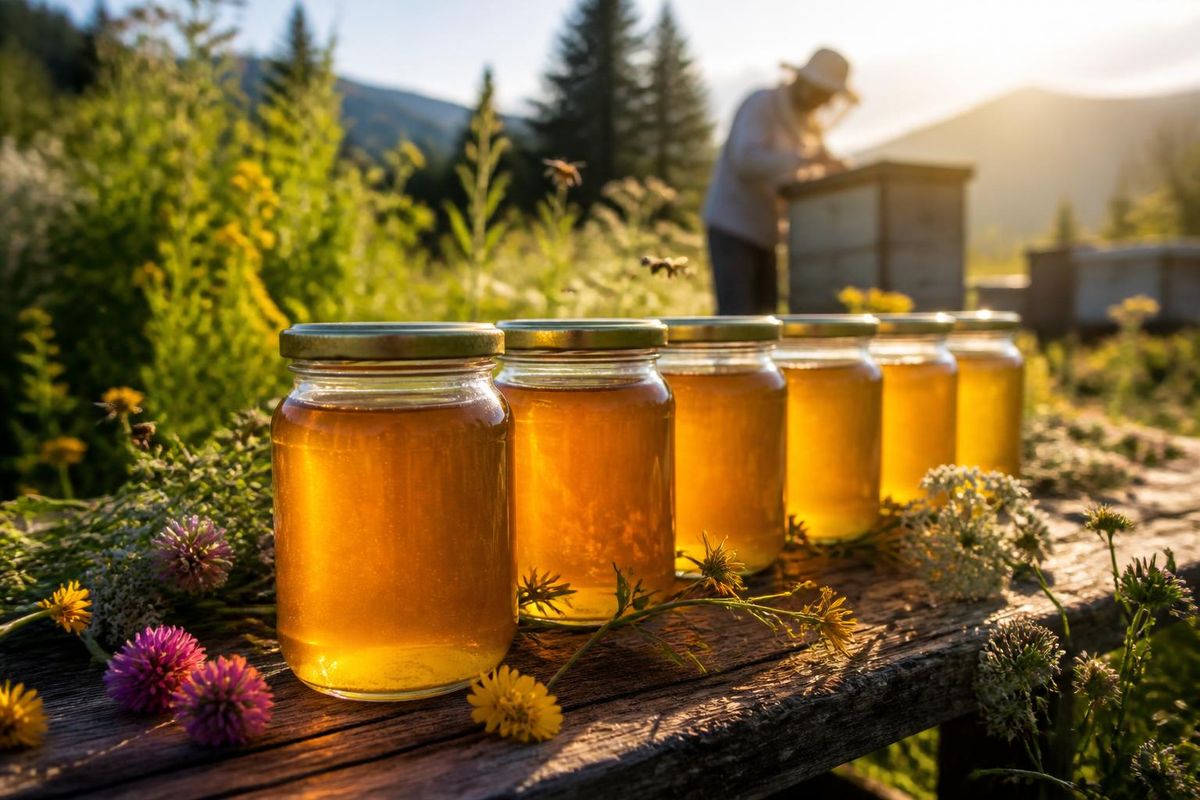 Honey has long been valued as one of nature's most precious gifts, holding a special place in…15.10.2026
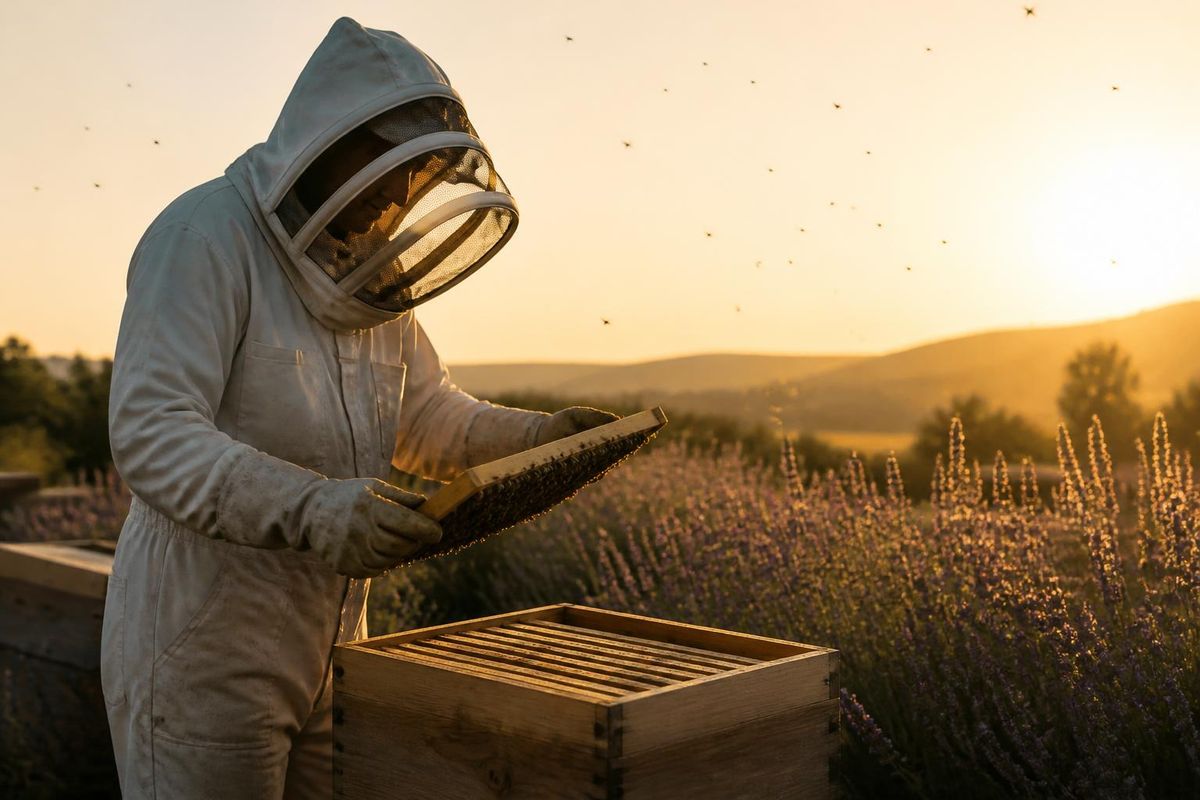 Jason Statham's most successful recent film is the two-year-old The Beekeeper, where he played…15.10.2026
 Cookies are used to ensure effective navigation and the operation of certain features on the…15.10.2026
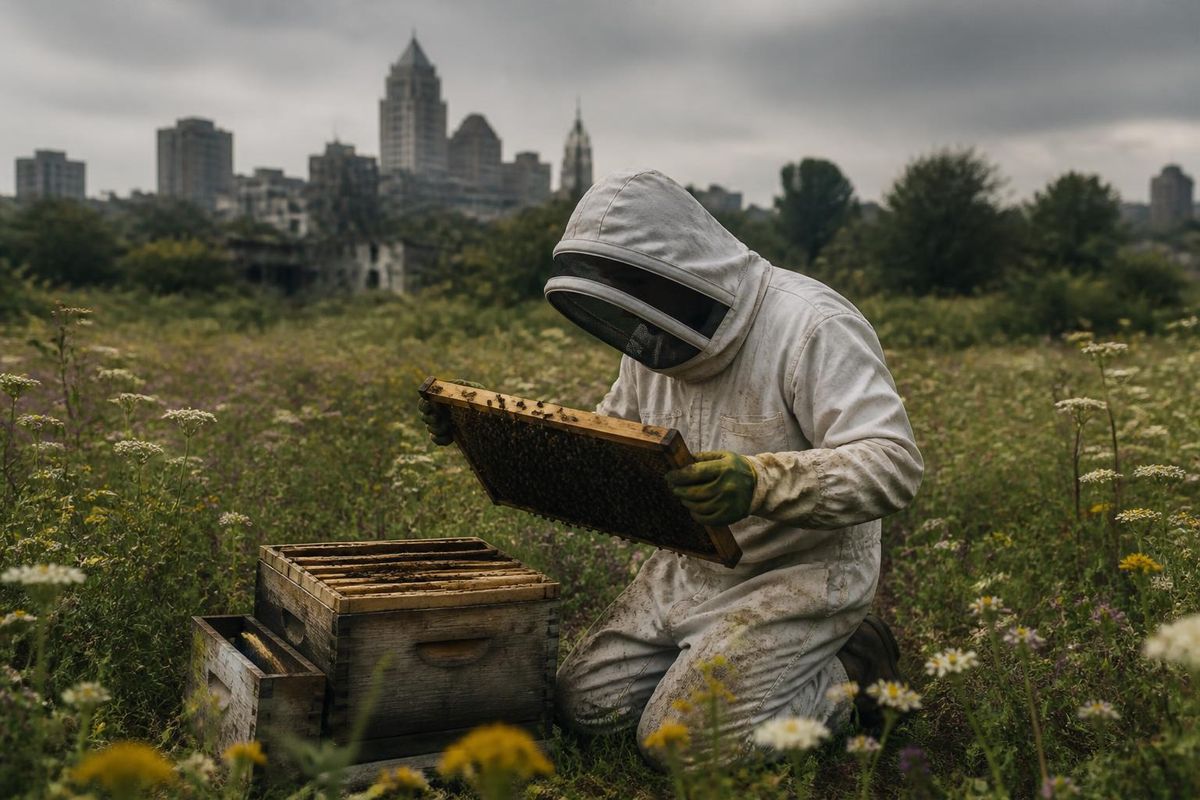 The Beekeeper 2 is a 2027 action thriller directed by Timo Tjahjanto and written by Umair…15.10.2026
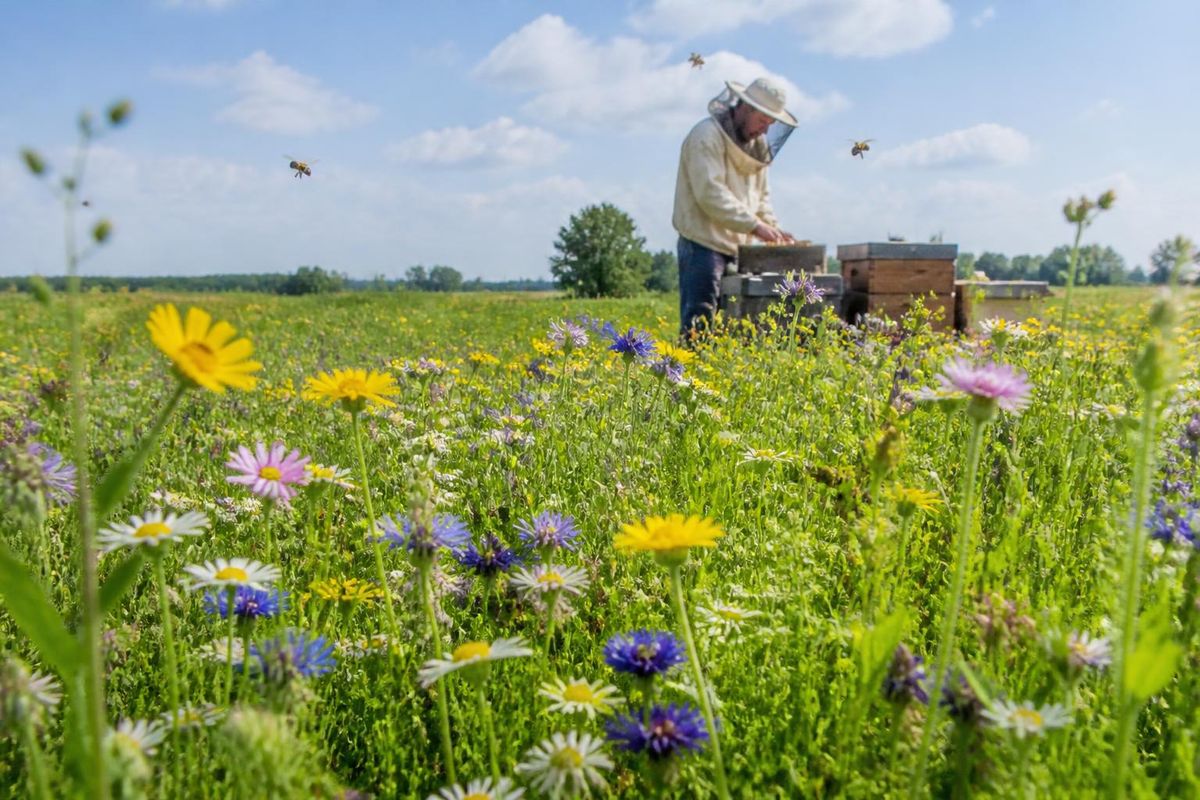 What can people learn from a bee colony15.10.2026
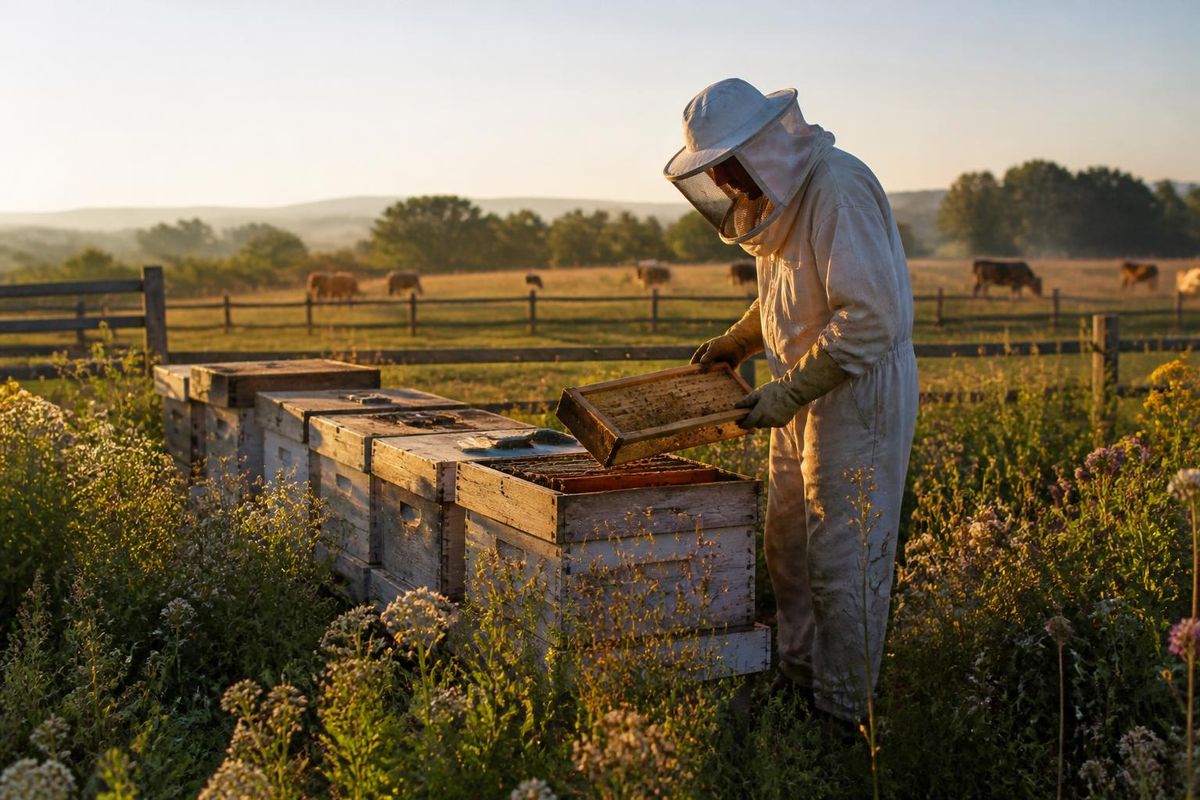 The Kırşehir Provincial Directorate of Agriculture and Forestry teams are conducting intensive…15.10.2026