This wild ground bee, Andrena nothoscordi, is typically found in the U.S. Midwest and Southeast and loves false garlic flowers.
Sam Droege/USGS Bee Lab via Flickr
The accusations you might have heard about nonnative honey bees aren’t backed up by evidence. In fact, there are plenty of ways bees make the world a better place.
It can be hard to distinguish between a wild and a managed honeybee.
SanderMeertinsPhotography / shutterstock
The wild cousins of beehive honeybees are disappearing – here’s why that matters.
A sunflower miner bee, a species considered vulnerable in Ontario.
(Shutterstock)
Wild bees face risks from domesticated bees, habitat loss, and climate change. Supporting bee diversity in Ontario is an important component of promoting a healthy environment.
Solitary bees, including this Nomada goodeniana, often feed on nectar from specific flowers - in this case, white hawthorn.
HWall/Shutterstock
The nutritional needs of bees are complex and monoculture crops aren’t providing a diverse diet. Introducing more diverse wildflower meadows and green spaces could benefit wild pollinators.
James Dorey
Feral honeybees have become a major problem in Australia. It’s time to develop effective and practical control measures.
Miles of bee highways are being linked up around the UK.
Shutterstock
Miles of bee-friendly ‘highways’ are being linked up around the UK.
Royal Australian Mint
Celebrating the European honeybee is a misplaced opportunity to honour our forgotten native pollinators.
Asian giant hornets (Vespa mandarinia japonica) drinking sap from tree bark in Japan.
Alpsdake/Wikipedia
Are ‘murder hornets’ from Asia invading North America? A Japanese entomologist who’s been stung by one and lived to tell the tale explains what’s true about these predatory insects.
A rich diversity of animals thrive in these rights-of-way.
Wild things thrive in transmission pathways that crisscross states.
A bumblebee sips nectar from a clover.
Victoria MacPhail
Wild bees pollinate trees and shrubs that feed and shelter wildlife, provide flood control, prevent soil erosion and help regulate the climate.
Urban beekeepers trained in native bee stewardship and pollinator gardening can help fight the decline of native bees.
(Shutterstock)
Urban beekeeping is growing in popularity, but so is the backlash against honey bees.
Honey bees on a beekeeper’s hive.
Nick Wood/flickr
All too often the media buzz is centred around the managed honeybee, at the expense of other wild bee species.
Wild bumble bees provide natural pollination for blueberries in North America.
John Flannery
Honeybees receive a lot of attention, but the first North American bee to be listed as an endangered species is a wild bumble bee. Wild bees are vital pollinators, and some are declining rapidly.
A giant swallowtail butterfly feeds from the flower of an alternate-leaved dogwood.
(Nina Zitani)
We’re in the middle of an Insectageddon. But a garden of native plants can help insects, as well as birds and other wildlife.
Shutterstock
Hoverflies are helping spread disease among the already declining bee population.
Top contributors
Kelsey K. Graham
Postdoctoral research associate, Michigan State University







 Kelsey K. Graham
 Honey has long been valued as one of nature's most precious gifts, holding a special place in…15.10.2026
 Jason Statham's most successful recent film is the two-year-old The Beekeeper, where he played…15.10.2026
 Cookies are used to ensure effective navigation and the operation of certain features on the…15.10.2026
 The Beekeeper 2 is a 2027 action thriller directed by Timo Tjahjanto and written by Umair…15.10.2026
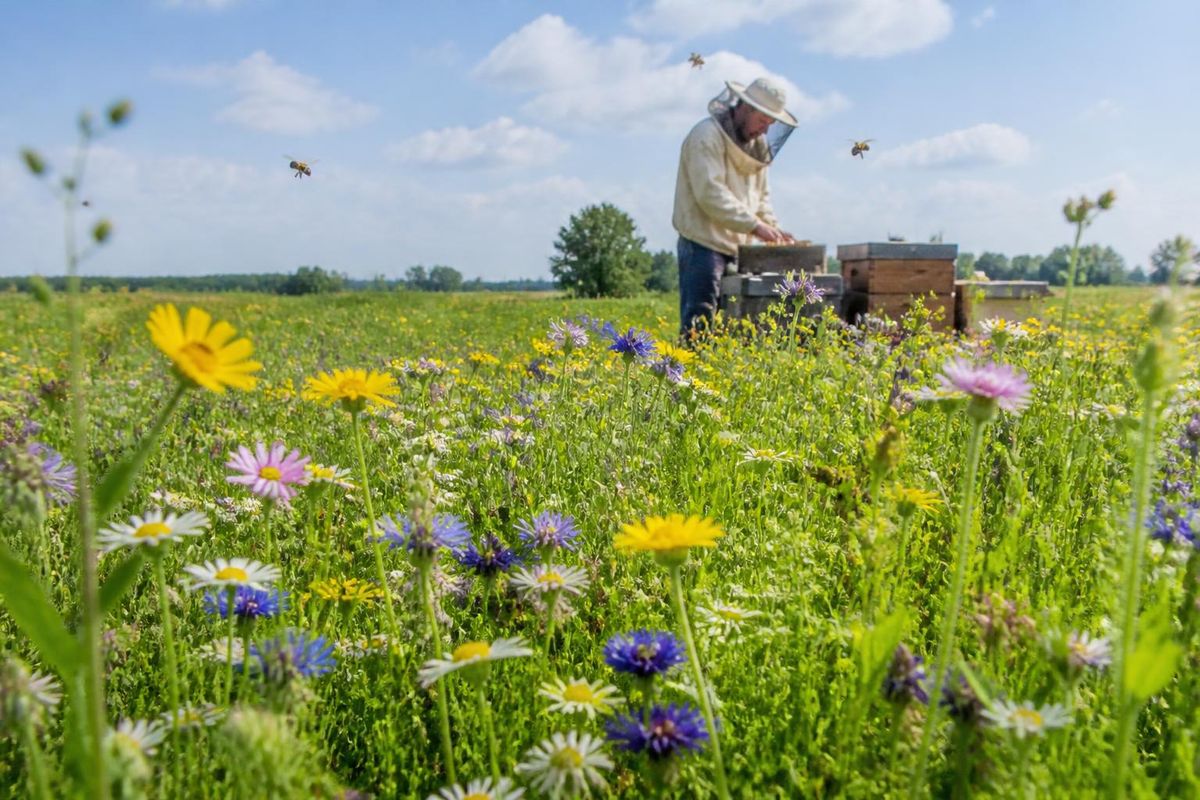 What can people learn from a bee colony15.10.2026
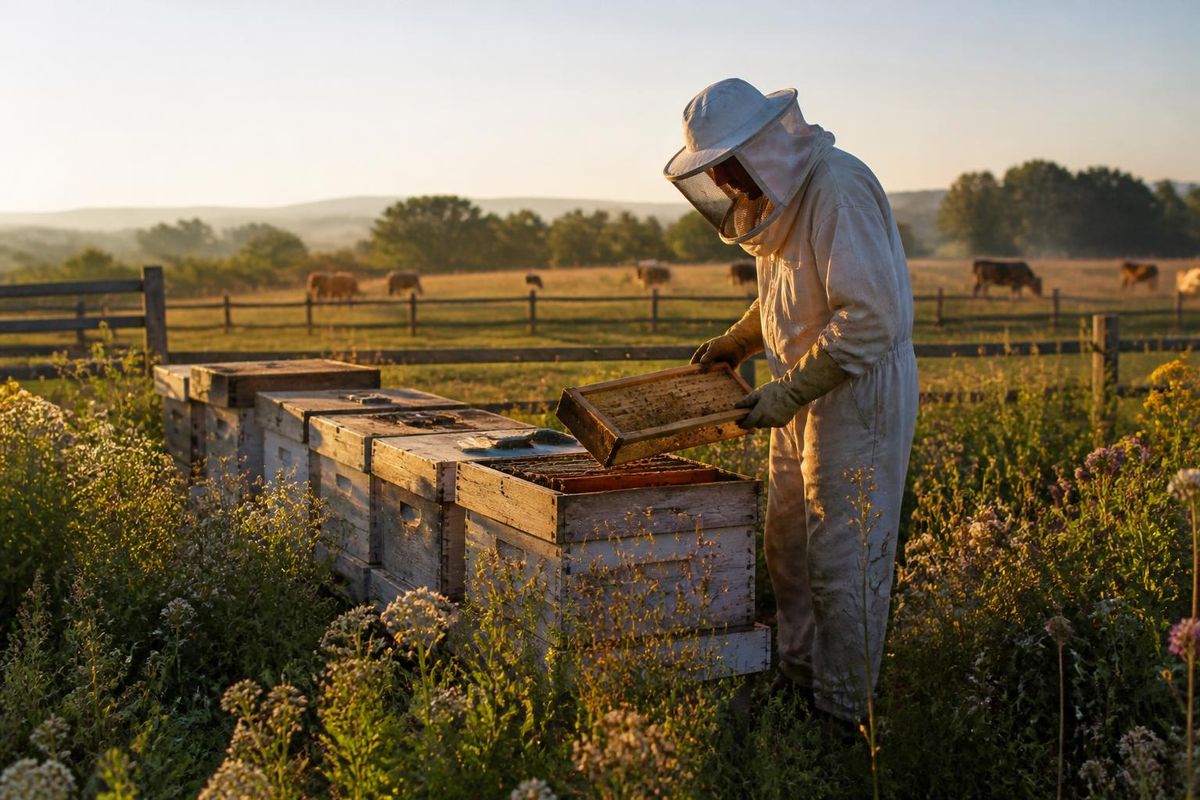 The Kırşehir Provincial Directorate of Agriculture and Forestry teams are conducting intensive…15.10.2026