Minimizing pesticide exposure to bees in fruit crops
🌐 Original language: English
📰 Source: canr.msu.edu
```html
Minimizing pesticide exposure to bees in fruit crops
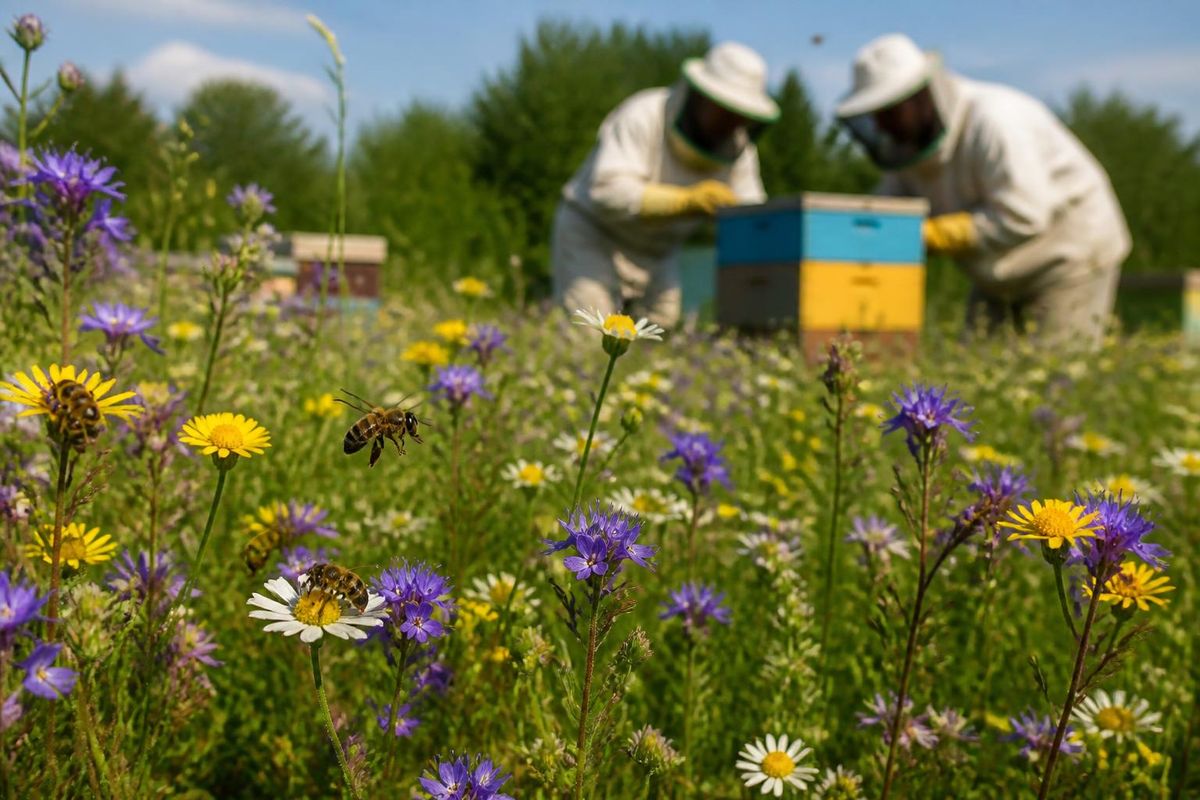
Use these practices and guidelines for minimizing exposure of bees to pesticides while still managing pests and disease in fruit crops. Most fruit crops grown in Michigan need bees, whether managed or wild, for pollination. Honey bees are by far the most important crop pollinators because they are abundant, will collect nectar and pollen at distances up to five miles away from their hive, and are relatively easy to transport in and out of plantings in time for bloom. Honey bees are typically placed in the field when crops are at 5-10 percent bloom and then removed at “petal fall.”
Read the full article at the source →
Source: canr.msu.edu
This page is a short summary of the article; copyright belongs to the original source.
🏷️ Bee Pollen