THE PLACE AND IMPORTANCE OF BEEKEEPING IN THE COUNTRY'S ECONOMY The Role of Beekeeping in…
🌐 Original language: Turkish
📰 Source: aricilikgazetesi.com.tr
- The Role of Beekeeping in Family Economy
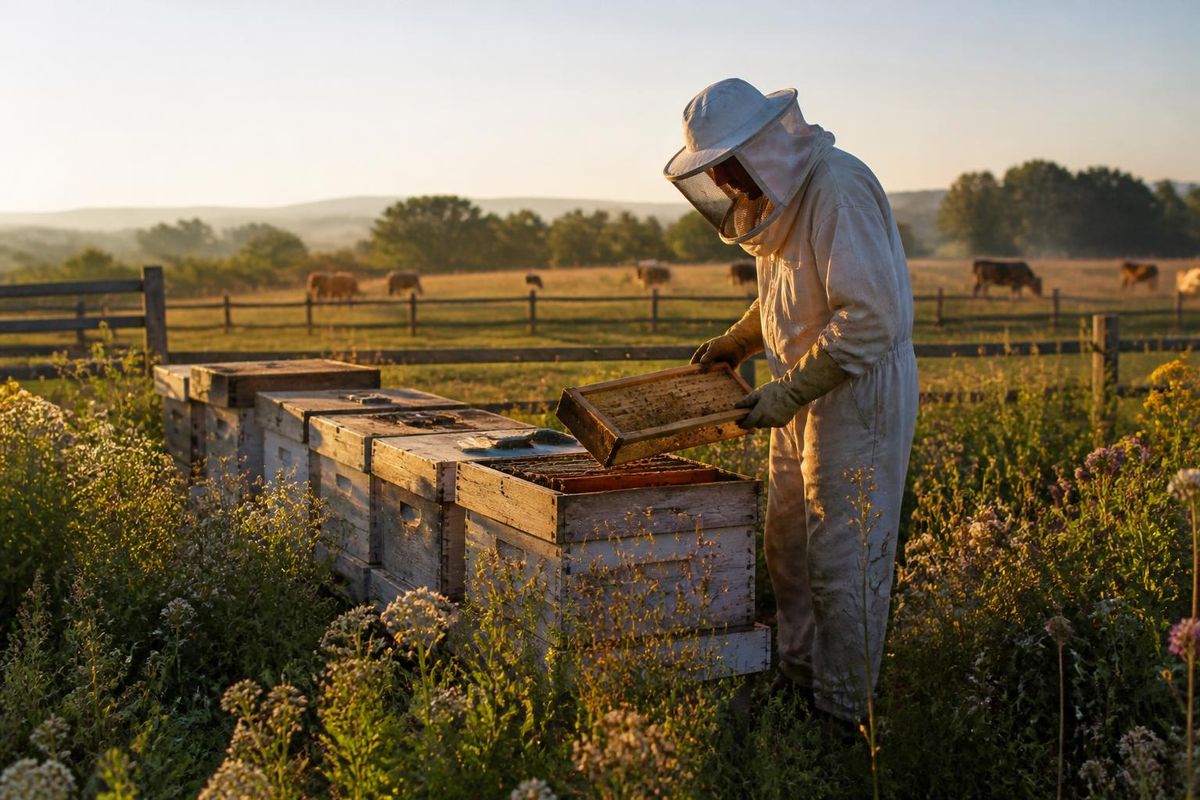
Beekeeping is an activity that can be carried out with less capital compared to other agricultural activities and can provide profit in a short time. There is no need to build a closed area or purchase land to engage in beekeeping. If planned well or if cooperation with other beekeepers is established, it can even be done as a second profession during free time. Additionally, it is an activity that any family member can easily perform. In this respect, it can be a primary or secondary source of income for the family economy, especially providing significant contributions to the family budget in rural areas. - The Role of Beekeeping in Agricultural Enterprises
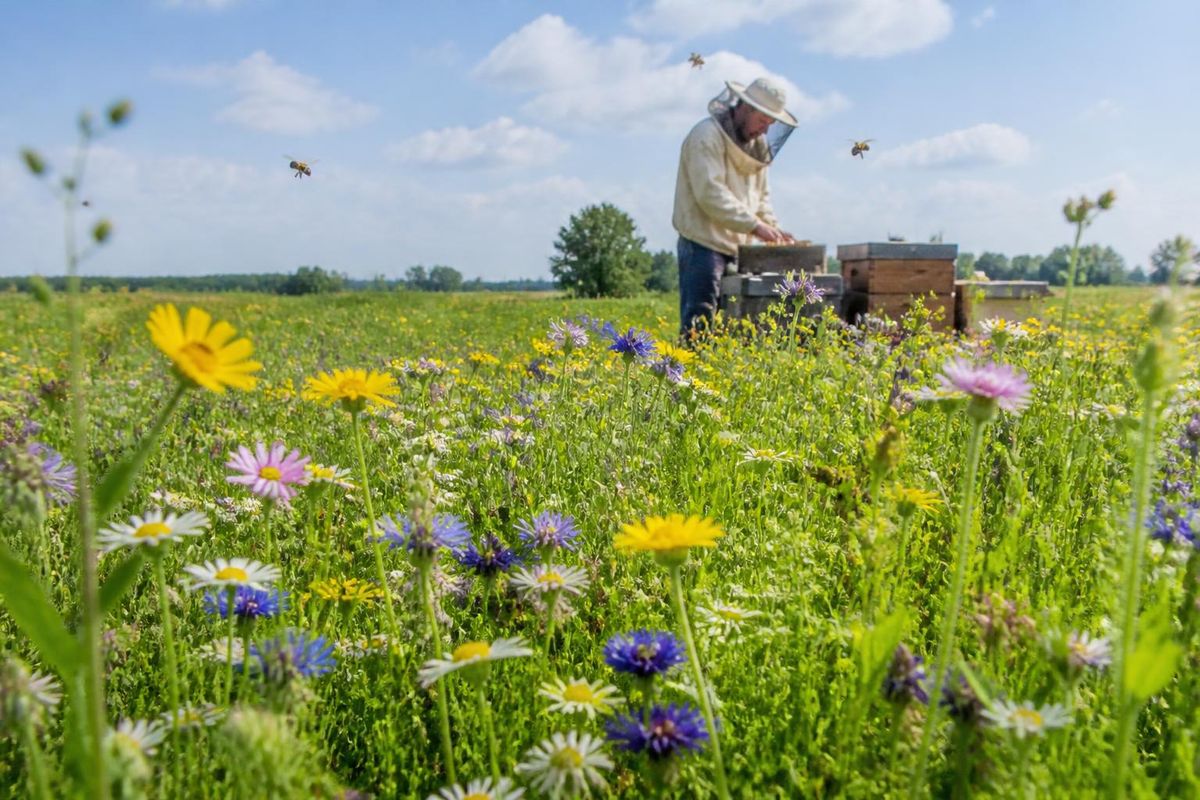
Beekeeping can be practiced as a secondary production branch within agricultural enterprises such as field, vineyard-garden, and livestock farming. This way, the profitability of the enterprise is increased. In fact, there is a need for honey bees in enterprises producing field and vineyard-garden products. As is known, bees provide the pollination necessary for plants to produce seeds and fruits, resulting in significant increases in both the quantity and quality of products. For this reason alone, beekeeping can be included in agricultural enterprises. Particularly, in enterprises with rich vegetation in their surroundings, beekeeping contributes to increased profitability and supports the enterprise budget through the production of honey or other bee products. - The Role of Beekeeping in Plant Production
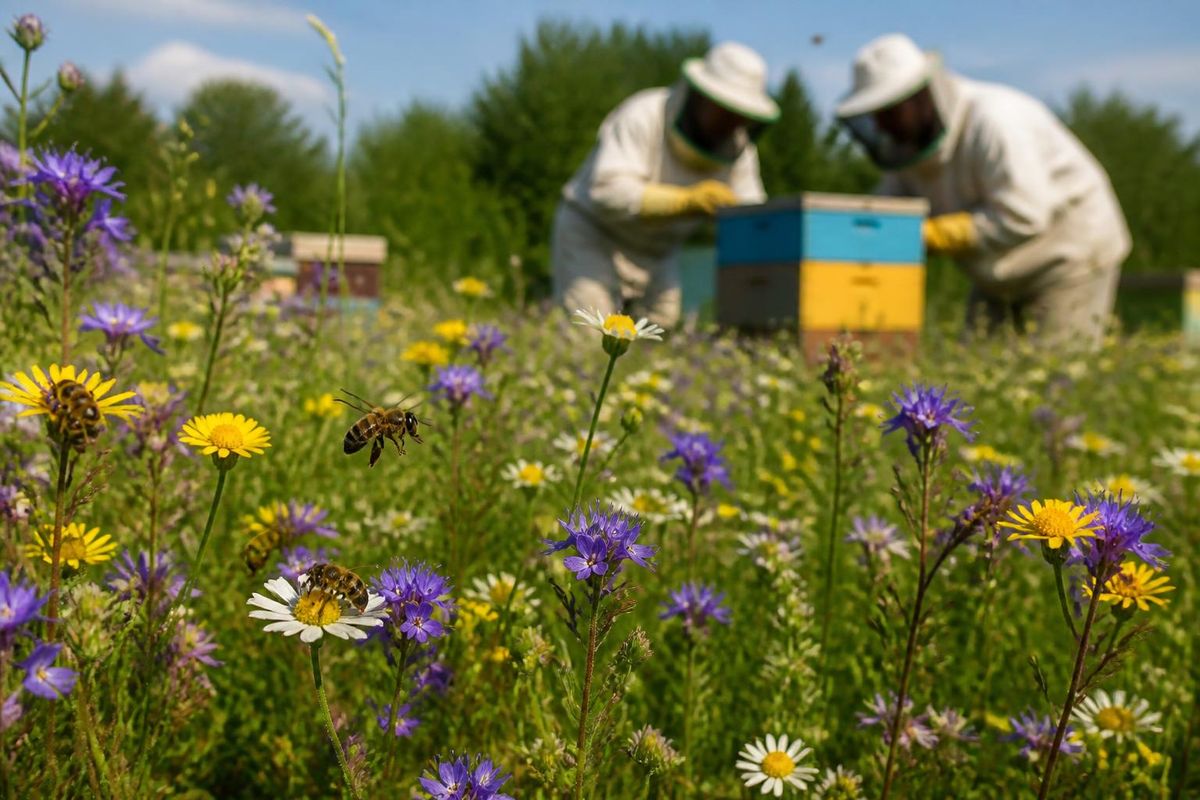
As mentioned above, for plants to produce seeds and fruits, flowers must be adequately pollinated. Honey bees are the best pollinators, especially in open areas. It is believed that the transition of honey bees through various evolutionary stages to a feeding system based on nectar and pollen, and the formation of organs suitable for this purpose, is related to meeting the pollination needs of plants. Therefore, bees, which are excellent pollinators due to their body structure and feeding habits, are attracted by flowers through nectar secretion. During the collection of nectar and pollen by bees, pollination also occurs. Producers in foreign countries, who are well aware of the importance of honey bees in pollination and the resulting product increase, rent bee colonies during the flowering periods of plants to obtain more and higher quality products. Unfortunately, this issue is not sufficiently recognized in our country, leading to significant product losses.
Pollination provided by bees benefits almost all types of plants, including fruit types such as almonds, apples, cherries, peaches, pears, apricots, plums, and strawberries; field crops such as cotton, sunflower, and anise; garden crops such as melons and watermelons; and forage crops such as vetch, clover, and alfalfa. Additionally, the pollination of certain plant species occurs solely through bees, and the continuity of these plants depends on the presence of bees.
Producers engaged in plant production can increase their production quantities and product quality by consulting an expert's opinions and recommendations on the pollination needs of plants, plant-specific pollinators, and the enhancement of pollination efficiency through the use of honey bees. - The Contribution of Beekeeping to the National Economy
The contribution of beekeeping to the national economy occurs directly as an agricultural activity and indirectly due to its socio-economic aspects and its contribution to plant production. Beekeeping is not dependent on land and can serve as a sole source of livelihood for families with little or no land. It is also the only agricultural activity that creates the cheapest and easiest employment. Furthermore, beekeeping has no harmful effects on the environment and nature, either directly or indirectly. More importantly, bees and thus beekeeping are absolutely necessary for natural balance. In our country, products that require bee pollination are cultivated over vast areas, and beekeeping is utilized in this regard. This contribution, which is often overlooked by many, is much greater than the products derived from bees.
In summary, the direct contribution of beekeeping as a production branch through honey and beeswax production to the national economy is approximately 160 trillion TL. Considering that the contribution of beekeeping to the economy through pollination is at least 10-15 times greater than that provided by honey and beeswax, beekeeping contributes 1.6-2.4 quadrillion TL to the national economy in this way. Additionally, the fact that beekeeping serves as a source of employment for around 150,000 people, most of whom live in rural areas and lack sufficient land, highlights the importance of beekeeping for our country's economy.
Read the full article at the source →
Source: aricilikgazetesi.com.tr
This page is a short summary of the article; copyright belongs to the original source.