Zimbabweans lost the full use of forests that offset greenhouse gas emissions elsewhere on the planet.
Cynthia R Matonhodze/Bloomberg/Getty Images
Carbon offsets in Zimbabwe pay for new garden projects and clean energy stoves, but prevent local communities from using land that was previously communal.
It can be hard to distinguish between a wild and a managed honeybee.
SanderMeertinsPhotography / shutterstock
The wild cousins of beehive honeybees are disappearing – here’s why that matters.
Beekeeper Andrew Cote inspects the famed Waldorf Astoria hotel’s bee hives in August 2013 in New York.
(AP Photo/Mary Altaffer)
Urban bee hives in Canada face unique challenges and making our cities healthier for bees may just help them become better places for us all.
A sunflower miner bee, a species considered vulnerable in Ontario.
(Shutterstock)
Wild bees face risks from domesticated bees, habitat loss, and climate change. Supporting bee diversity in Ontario is an important component of promoting a healthy environment.
The Asian hornet is a species of hornet indigenous to south-east Asia.
ThomasLENNE/Shutterstock
Invasive Asian hornets are a top predator of bees in the UK – and sightings are starting to soar.
EPA/SASCHA STEINBACH
The varroa mite’s arrival in Australia was only a matter of time. We could benefit from one pest fighting another.
Royal Australian Mint
Celebrating the European honeybee is a misplaced opportunity to honour our forgotten native pollinators.
santypan/Shutterstock
Beekeeping changes how people see and relate to the environment – there’s a lot we can learn.
The complex interactions that maintain group health inside a bee hive offer lessons for humanity during pandemics.
Rachael Bonoan
Life in a honey bee hive is all about cooperating for the collective good.
Agave honey bee log hive honey comb harvest.
Neil Rusch/no reuse without permission
Wild bees provide many lessons. Watching and learning from them may help keep honeybees safe and thriving.
The teddybear bee is a native Australian species.
James Dorey
In NSW, honeybees are listed as a key threatening process to biodiversity.
Native bumble bees perform ‘buzz pollination,’ shaking flowers to release protein-rich pollen.
A. Westreich
‘Bee-washing,’ marketing claims that purport to help bees, can diminish the important distinction between a honey bee and native bee.
Honey bees on a beekeeper’s hive.
Nick Wood/flickr
All too often the media buzz is centred around the managed honeybee, at the expense of other wild bee species.
Shutterstock
Beekeeping cannot depend on a single forage source. This makes the business of ensuring bees have what they need to stay healthy a precarious business.
Beekeeper inspecting a frame of honeycomb.
Honey bees are in decline and the current method of keeping them can be disruptive to a colony. But new designs allow beekeepers to monitor a hive remotely, even sniff out disease and pests.
A beekeeper uses smoke to calm bees in a Langstroth hive.
moosicorn/flickr
Bees and humans share a long history. But now bee populations are in a worrying decline. So can beekeeping teach us how to live in harmony with the world’s most famous pollinator?
Top contributors
Patrick O'Connor
Professor in Natural Resource Economics, Adelaide University







Patrick O'Connor
 Honey has long been valued as one of nature's most precious gifts, holding a special place in…15.10.2026
 Jason Statham's most successful recent film is the two-year-old The Beekeeper, where he played…15.10.2026
 Cookies are used to ensure effective navigation and the operation of certain features on the…15.10.2026
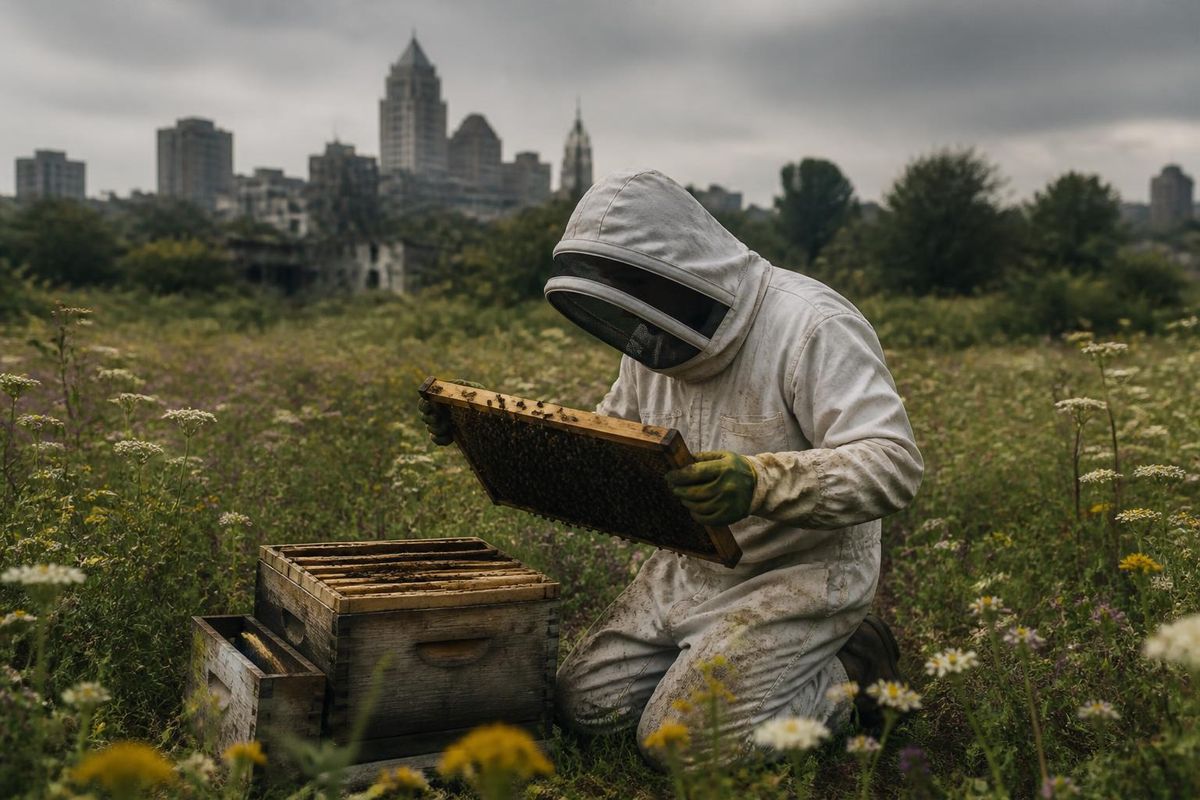 The Beekeeper 2 is a 2027 action thriller directed by Timo Tjahjanto and written by Umair…15.10.2026
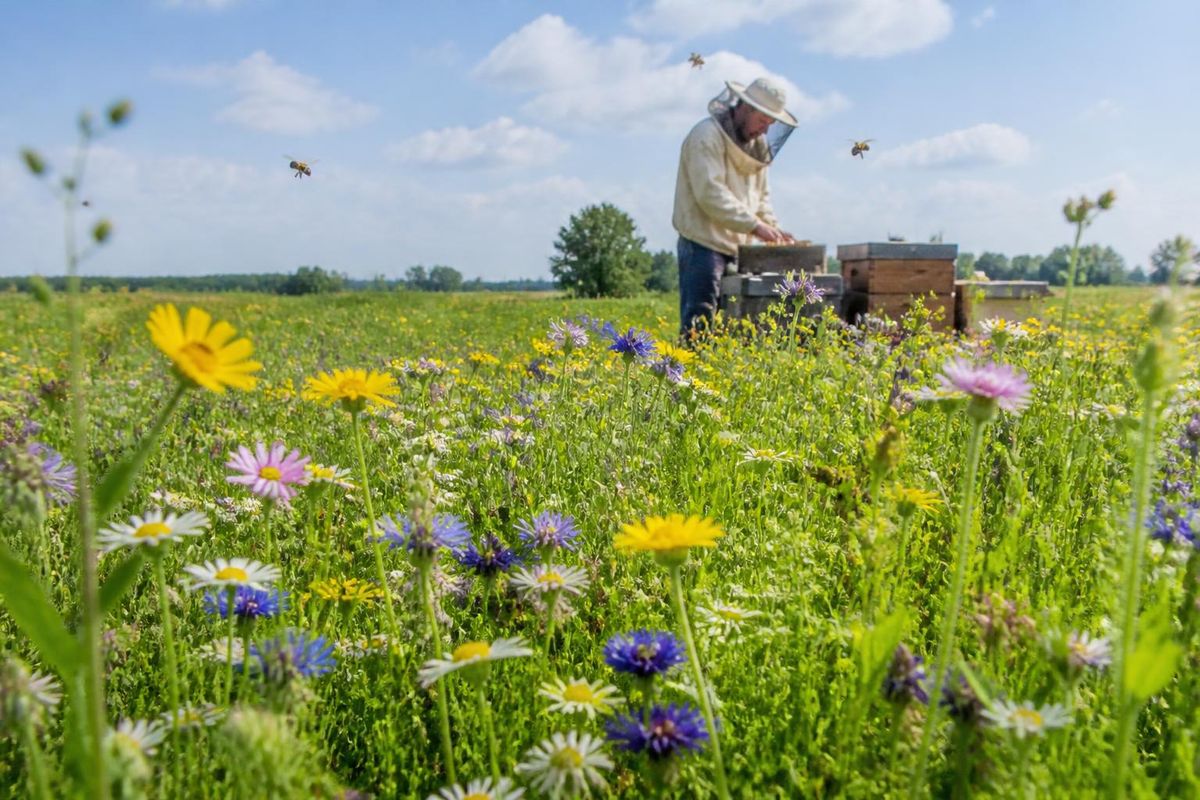 What can people learn from a bee colony15.10.2026
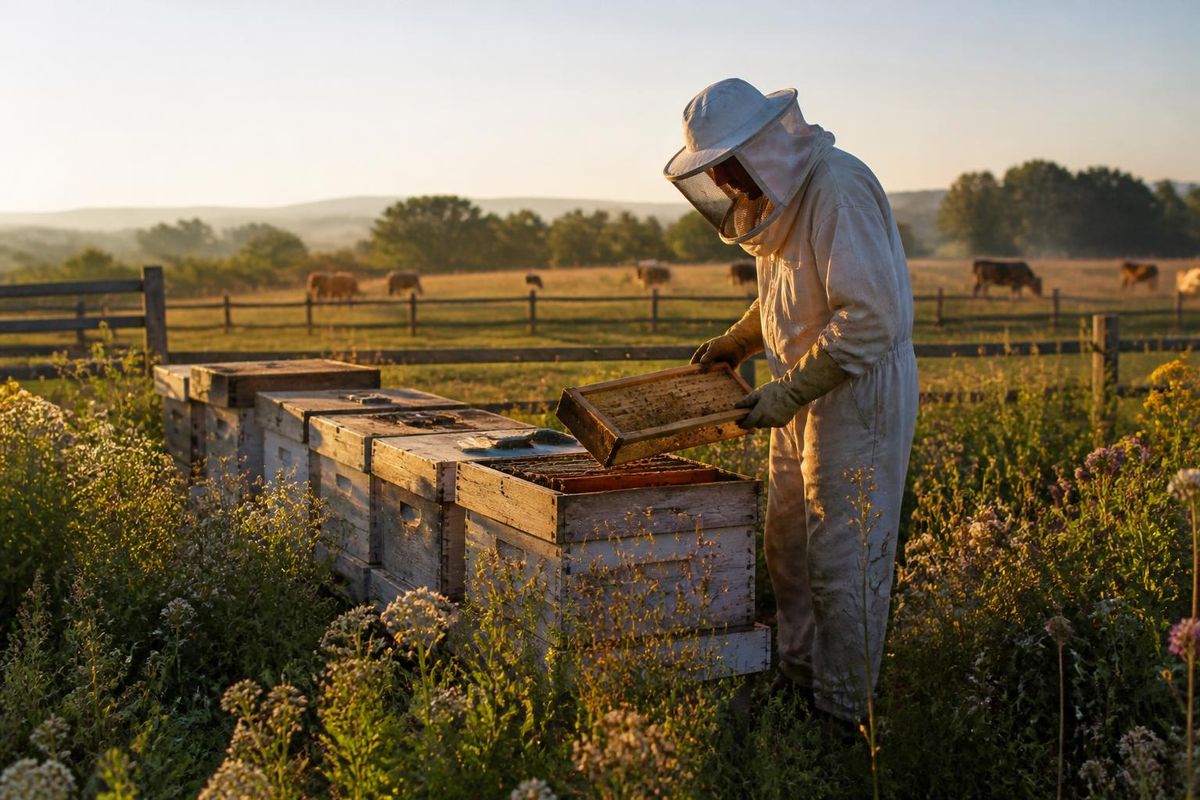 The Kırşehir Provincial Directorate of Agriculture and Forestry teams are conducting intensive…15.10.2026