View Full Size
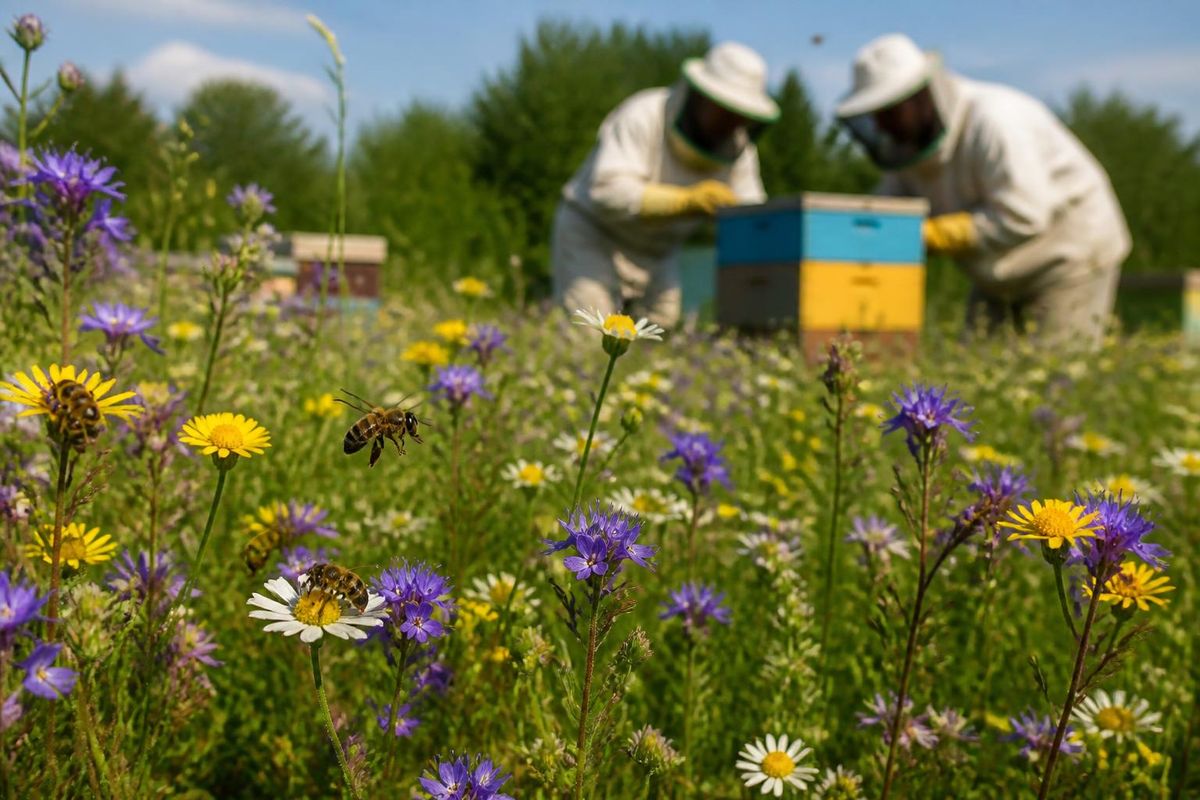
Today, GPS is not just a tool that facilitates navigation. Countless devices, from smartphones to vehicles, drones to wearable technologies, operate based on complex calculations derived from location information. The processing power behind these systems often relies on infrastructures that are much larger than the devices themselves. But what if part of this calculation and decision-making process could be done directly on the device with a chip the size of a seed and consuming only microwatt levels of power? Scientists are seeking the answer to this question in one of nature's smallest yet most capable creatures: honey bees.
Sources of Inspiration: Bees
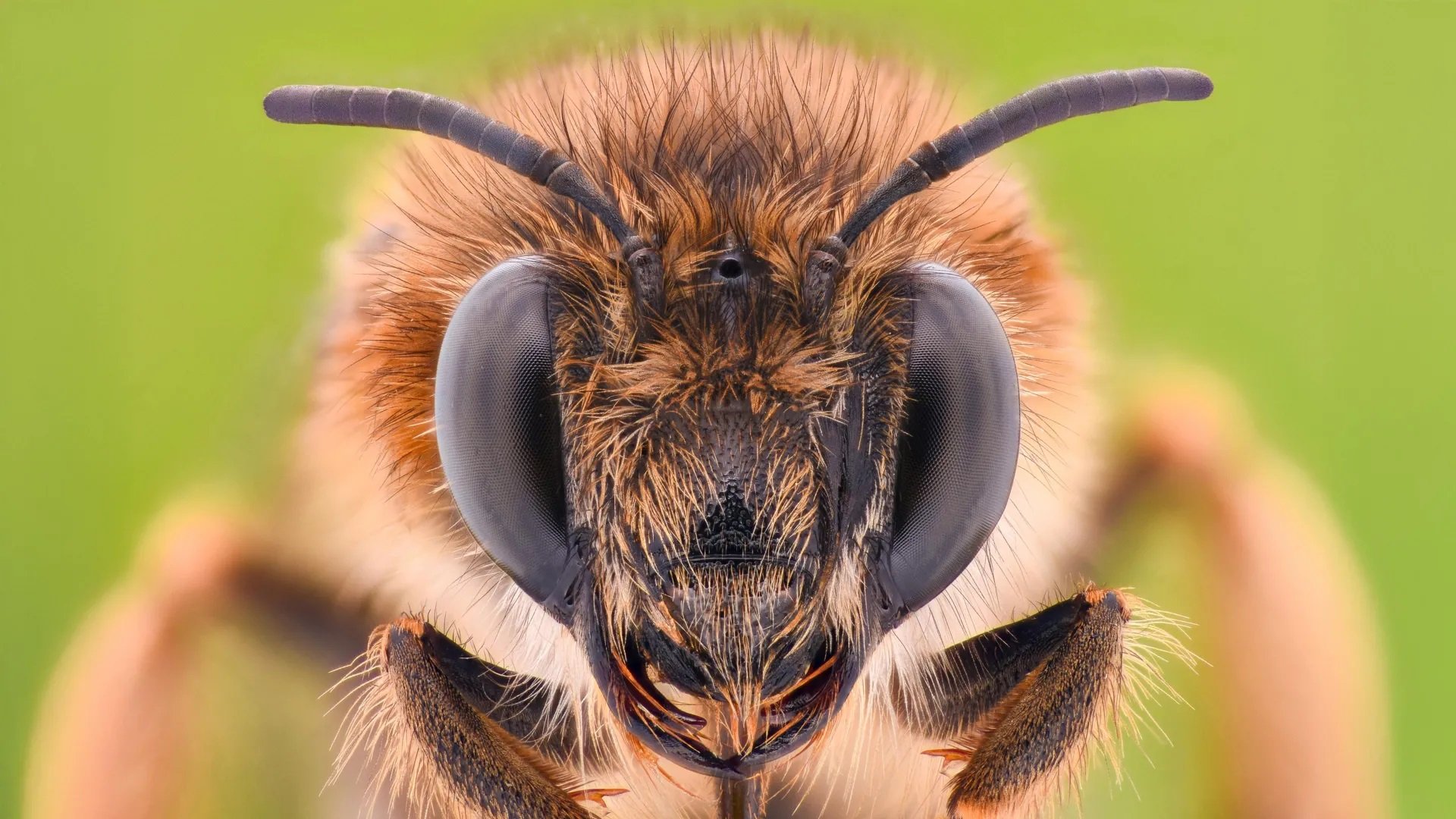
Researchers working on the EU-supported InsectNeuroNano project aim to develop ultra-low power GPS-like chips that mimic the extraordinary energy efficiency and navigation abilities of the bee brain. To put it in perspective, a honey bee processes real-time data while flying in three-dimensional space, constantly correcting its direction, communicating with other bees, and locating food sources. It accomplishes all this with an incredibly low power consumption of about 10 microwatts.





 View Full Size