Bee pollen: A high-protein source! The benefits are endless
Considered a superfood, pollen is a remarkable food with its amazing components. Recent research on this nutrient has revealed many valuable new positive features. Expert Dietitian Selahattin Dönmez wrote... (Sabah)
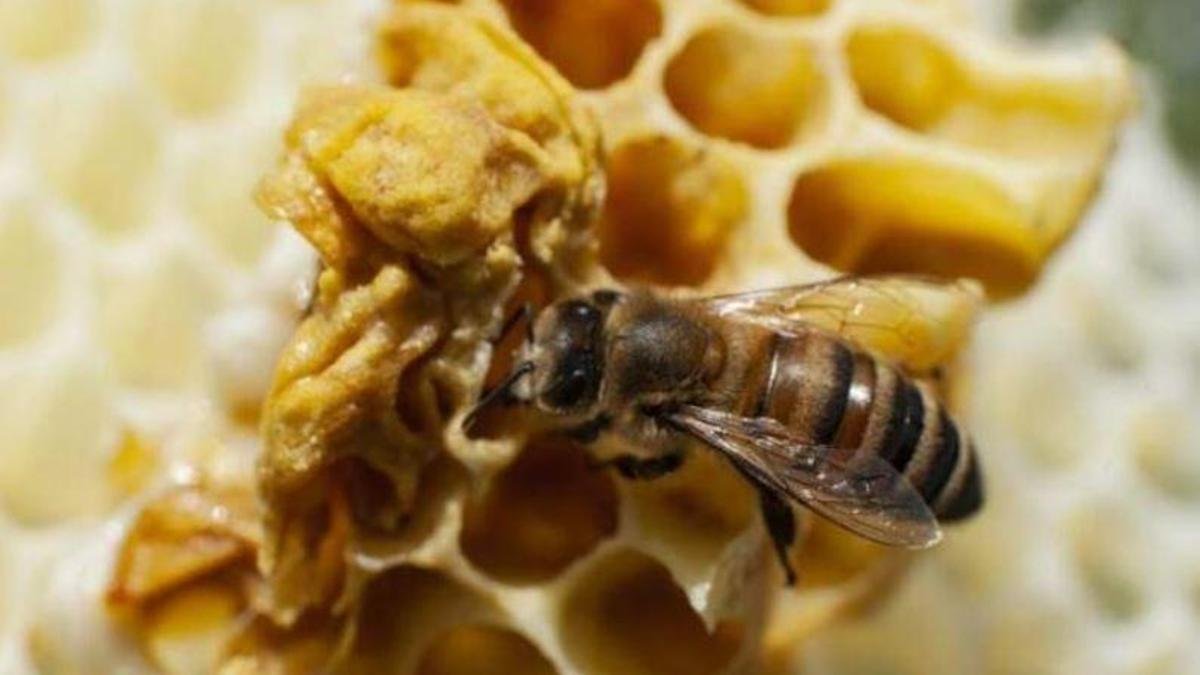
Haberin DevamıHaberin Devamı1/7Bees transform the nectar they collect from flowers into honey through a meticulous process. And they present it to us. However, the capabilities of these miraculous beings, who are the best collaborators of nature, are certainly not limited to this. Bees also play a role in the production of bee pollen, which is considered a "superfood" due to its various macro and micronutrients. With its wonderfully rich components and health benefits, bee pollen has been frequently mentioned in recent years, and as new research is conducted, it continues to surprise the scientific community. Bee pollen has incredible contributions to health, from blood lipids (cholesterol) to cancer, from menopausal symptoms to exercise performance; I can say it is a gift that nature offers us. Let’s take a look at the health benefits of bee pollen together.WHAT IS BEE POLLEN?2/7Honey bees collect the pollen they gather from flowers by moistening it with nectar or honey and store it in their hind legs. Worker bees, which gather nectar by moving from flower to flower throughout the day for honey production, also ensure the transportation of pollen from the flowers during this process. This action plays a role in the pollination of flowers while also allowing the collection of pollen necessary for the bees' nutrition. A bee can carry 15-45 mg of pollen at a time, proportional to its body weight. A significant portion of this nutrient-rich pollen is used to meet the colony's nutritional needs directly. The remaining portion is left to accumulate as a result of safe human interventions made in the hive. Pollen contains over 250 biologically active substances, including proteins, carbohydrates, essential fatty acids, vitamins, minerals, enzymes, and antioxidants. Although the ratio of the components in pollen varies depending on factors such as the plant it is collected from, the geographical location of the collection area, climate characteristics, and collection methods, it typically contains about 25% protein. Moreover, the majority of this protein composition consists of essential amino acids such as methionine, lysine, and tryptophan, which cannot be produced by the body and must be obtained from external sources. Due to these properties, pollen is considered a superfood with high-quality protein.Haberin Devamı
Video Player is loading.Play VideoPlayUnmuteCurrent Time 0:00/Duration -:-Loaded: 0%0:00Stream Type LIVESeek to live, currently behind liveLIVERemaining Time --:- Picture-in-Picture