The Chinese wax bee (Apis cerana cerana F.) is closely related to the honeybee (Apis mellifera…
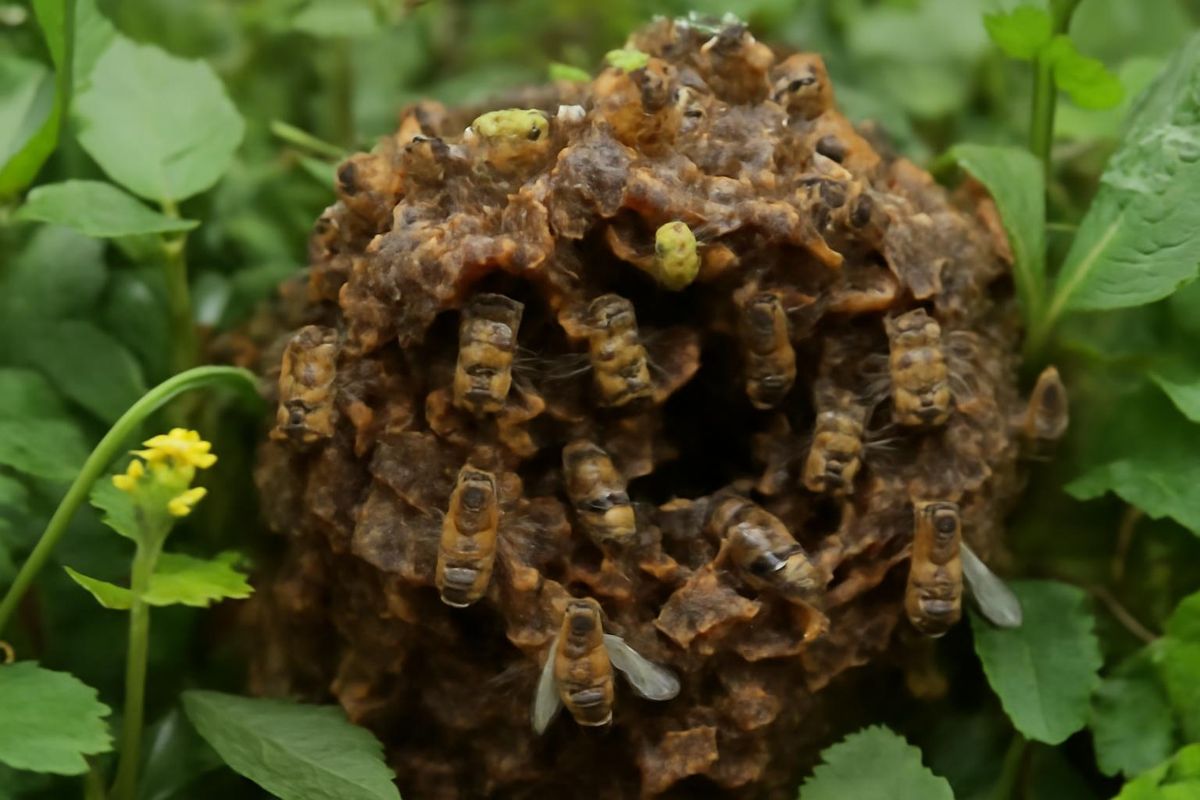
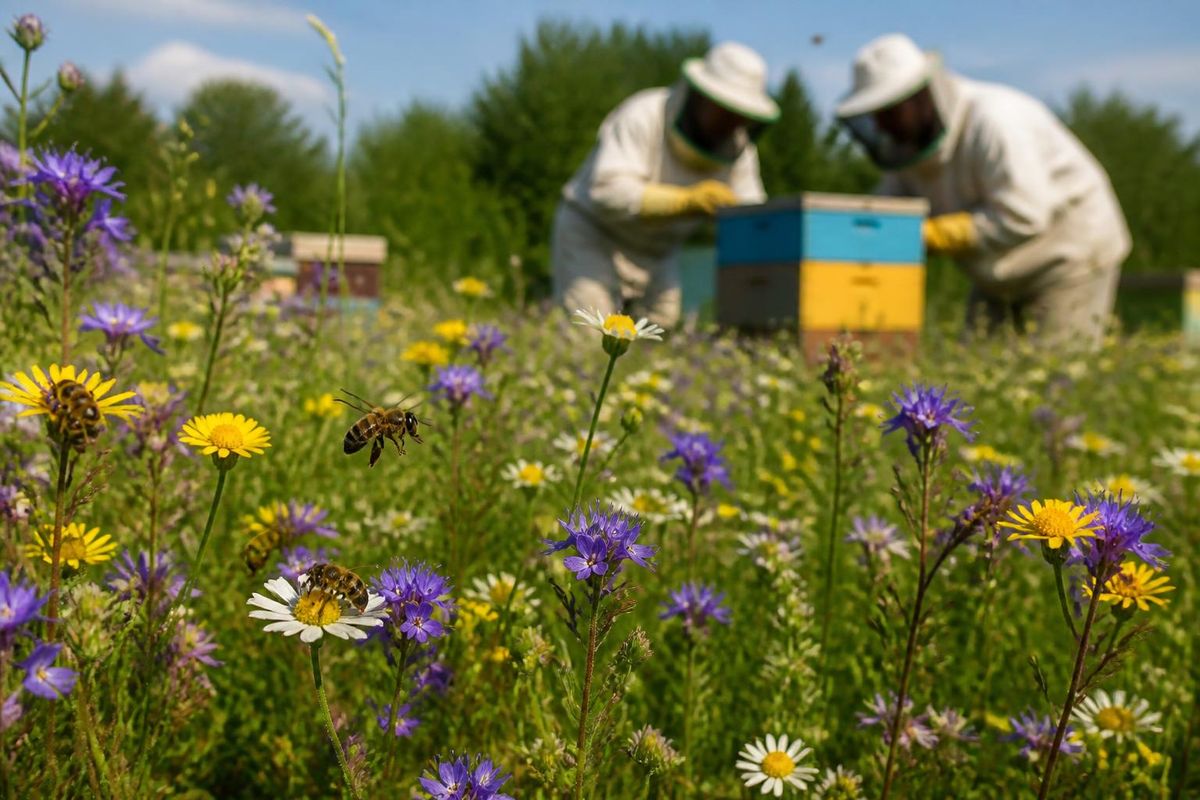
The Chinese wax bee (Apis cerana cerana F.) is closely related to the honeybee (Apis mellifera L.). The Primorsky Krai region is one of the few places globally where it exists in the wild. For ten years, we studied the biology of the Chinese wax bee in the Khasan district at an experimental apiary near the village of Romashka and in the "Kedrovaya Pad" reserve (N.V. Kuznetsov, 1997, 1999, 2002, 2004, 2005; N.V. Kuznetsov, M.Yu. Proshalykin, 2004; N.V. Kuznetsov, S.Yu. Storozhenko, 2005; N.V. Kuznetsov et al., 2007). A colony typically consists of one queen, thousands of worker bees, and several hundred drones. Our observations indicated that young colonies had 10,000 to 15,000 bees, while older colonies could reach 30,000 to 40,000 before winter. Some young colonies formed from swarms in mid-August had up to 5,000 individuals but usually did not survive the winter. Swarming begins when the population reaches about 20,000 bees (Ruttner, 1988).
Read the full article at the source →
Source: beejournal.ru
This page is a short summary of the article; copyright belongs to the original source.
🏷️ Swarming