


Ancient Japanese Bee Fossil Reveals Two Million Years of Honeybee Evolution
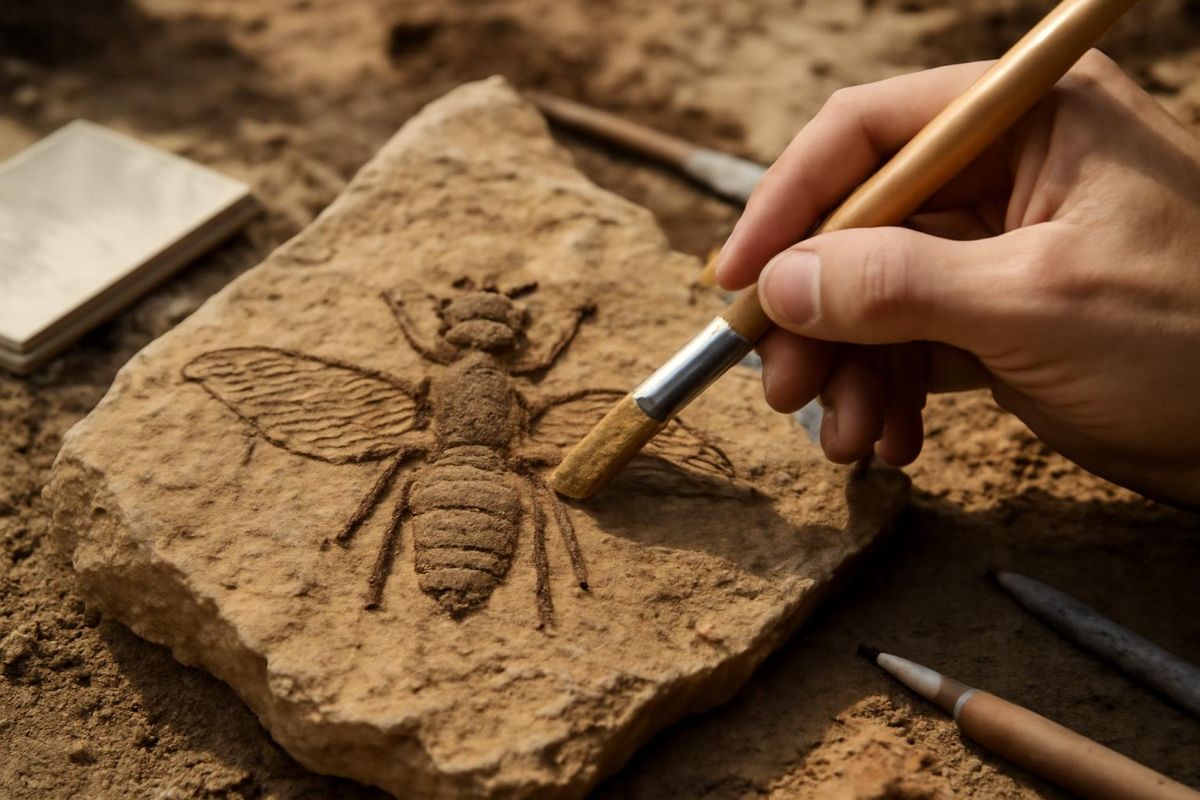
Paleontologists have identified a new fossil honeybee species, Apis aibai, which helps fill a significant gap in the evolutionary history of the genus Apis. Fossil honeybees are rare, with most known specimens dating back to the Oligocene and Miocene periods in Europe and China. The newly discovered Japanese fossil, Apis aibai, is the youngest extinct honeybee and the oldest confirmed fossil of the subgenus Apis, which includes the Western honeybee (Apis mellifera) and its relatives. Dr. Yui Takahashi and Dr. Jun-ichi Takahashi highlighted the importance of honeybees as pollinators in ecosystems and their close relationship with humans.
Read the full article at the source →
Source: sci.news
This page is a short summary of the article; copyright belongs to the original source.