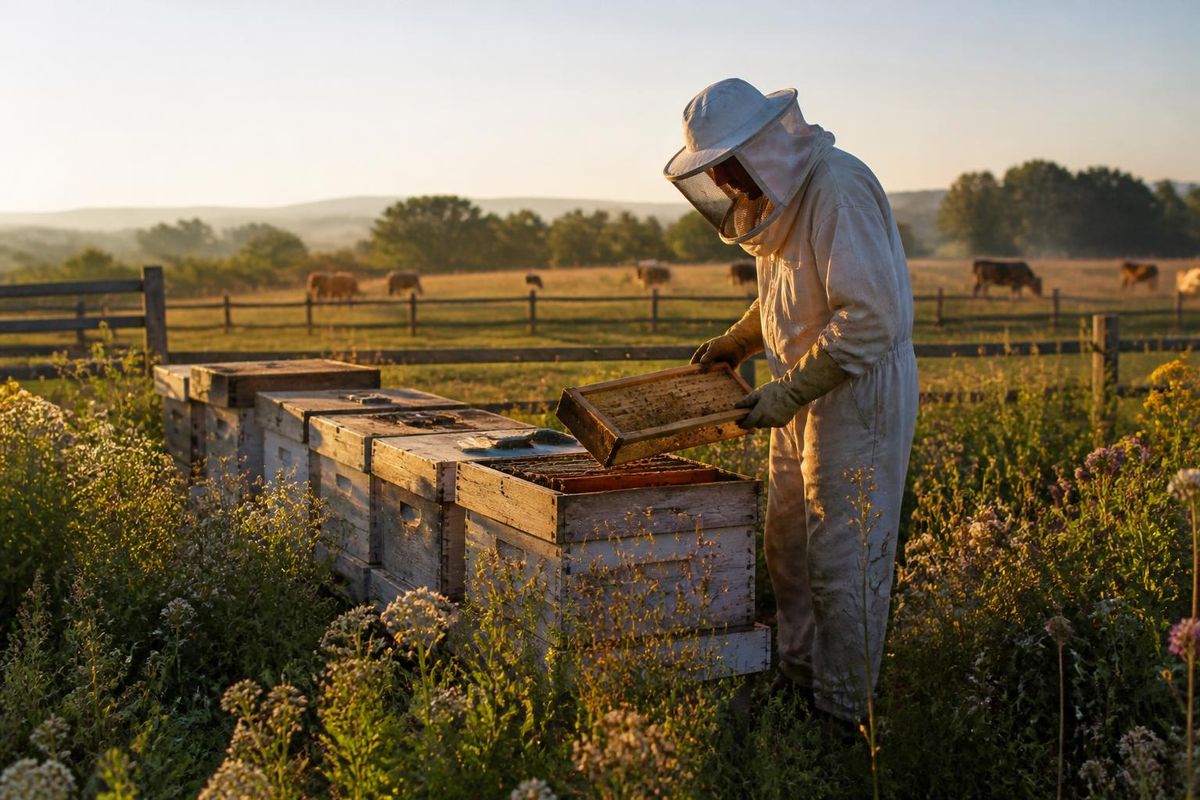
In contemporary beekeeping in Russia, morphometric traits are commonly used for selective…
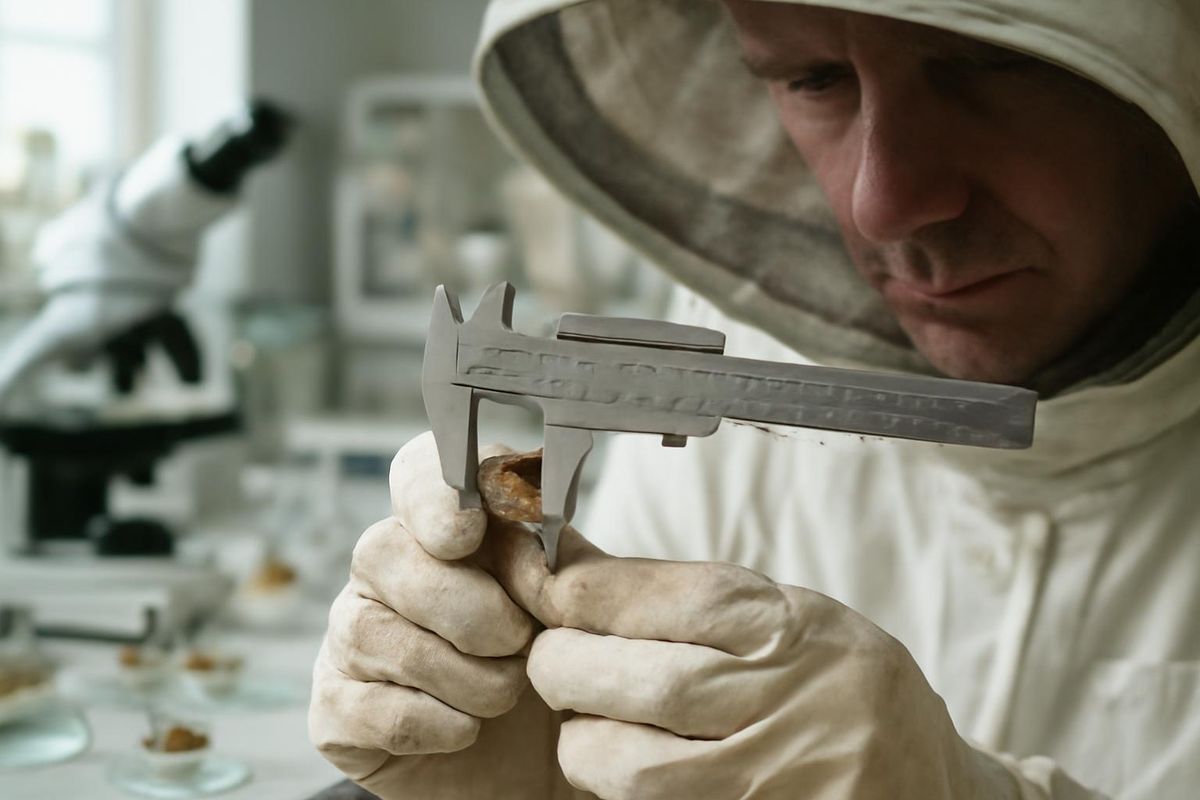
In contemporary beekeeping in Russia, morphometric traits are commonly used for selective breeding, particularly proboscis length, cubital index, and discoidal shift. Our research focused on two widely recognized metrics—proboscis length and cubital index—and one lesser-known trait: hair length on the 5th tergite of the abdomen (Ruttner, 2006; Beekeeping Journal, No. 6, 2009). Following F. Ruttner's method (2006), hair length is assessed by holding the abdomen sideways against a bright light and examining it with a magnifying glass. The standard for hair length is the width of the queen's leg or a wire polished to 0.35 mm thickness. Hairs shorter than this are classified as "short" (k), equal to the width as "medium" (s), and significantly longer as "long" (d).
Read the full article at the source →
Source: beejournal.ru
This page is a short summary of the article; copyright belongs to the original source.