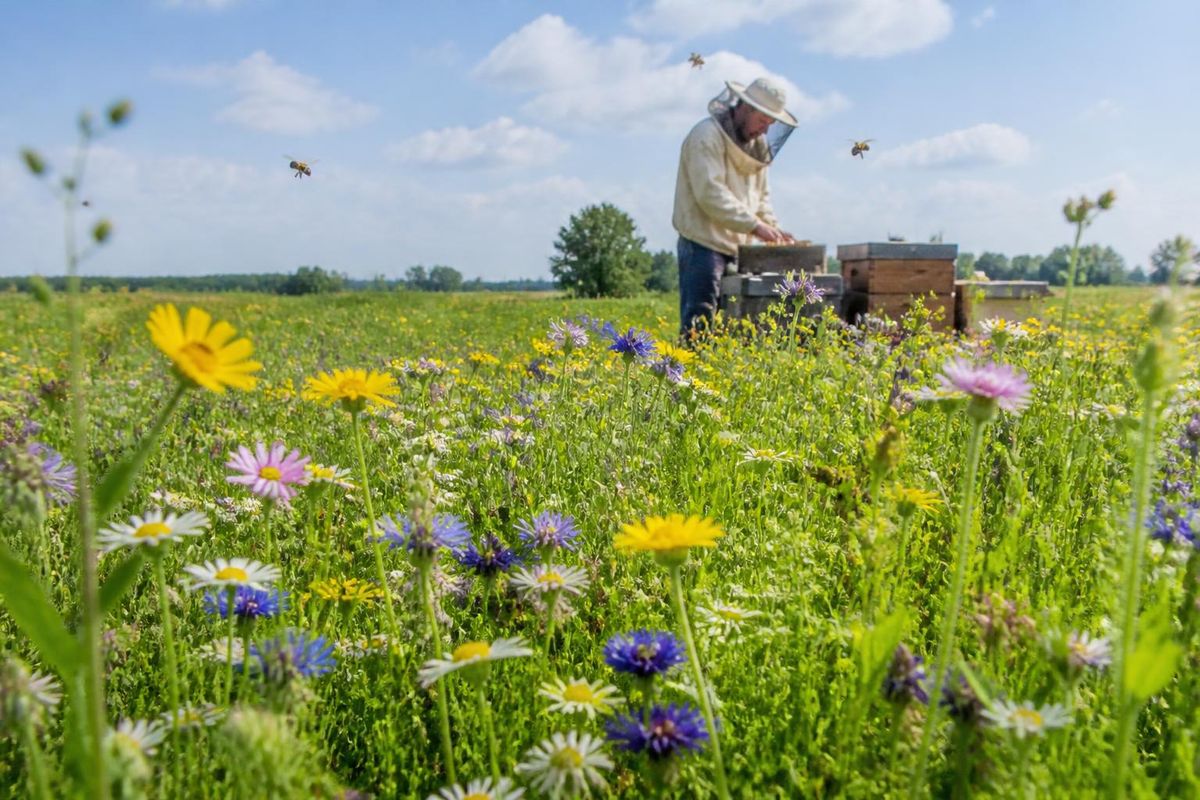
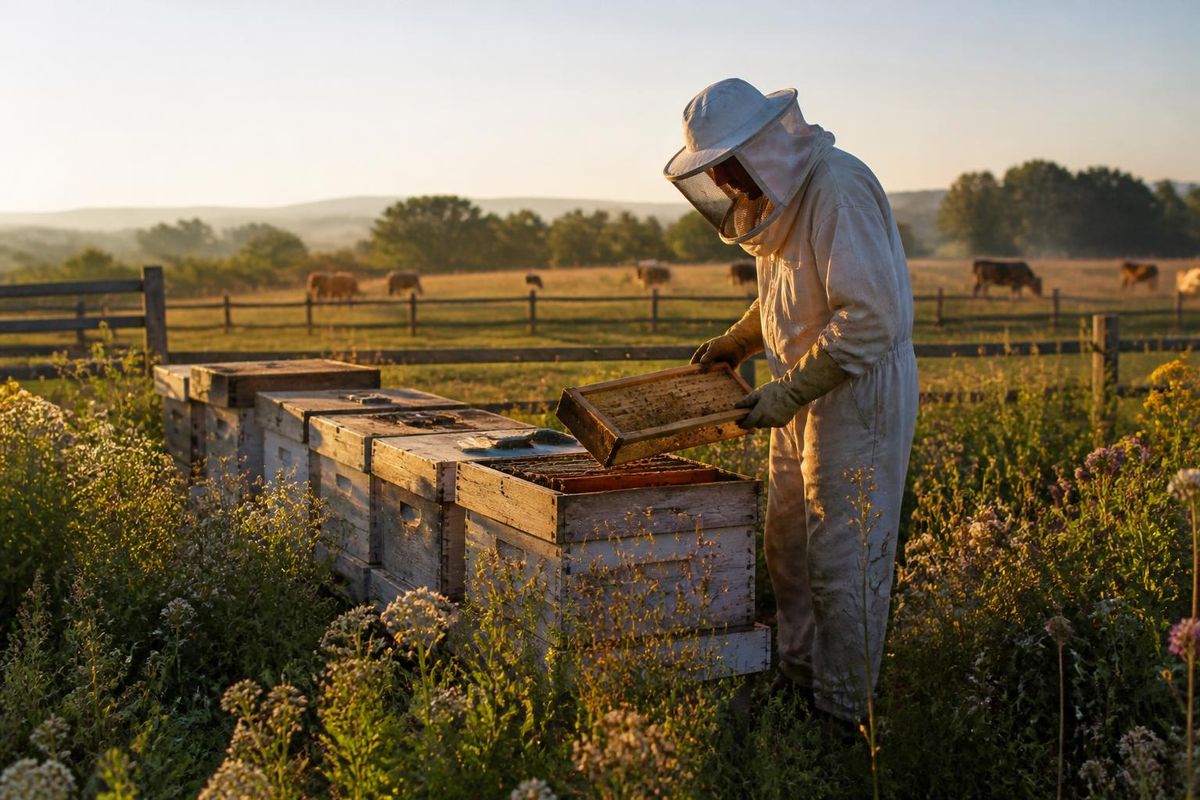
On Sunday, April 3, 2026, at the University of Georgia's veterinary hospital, students are…
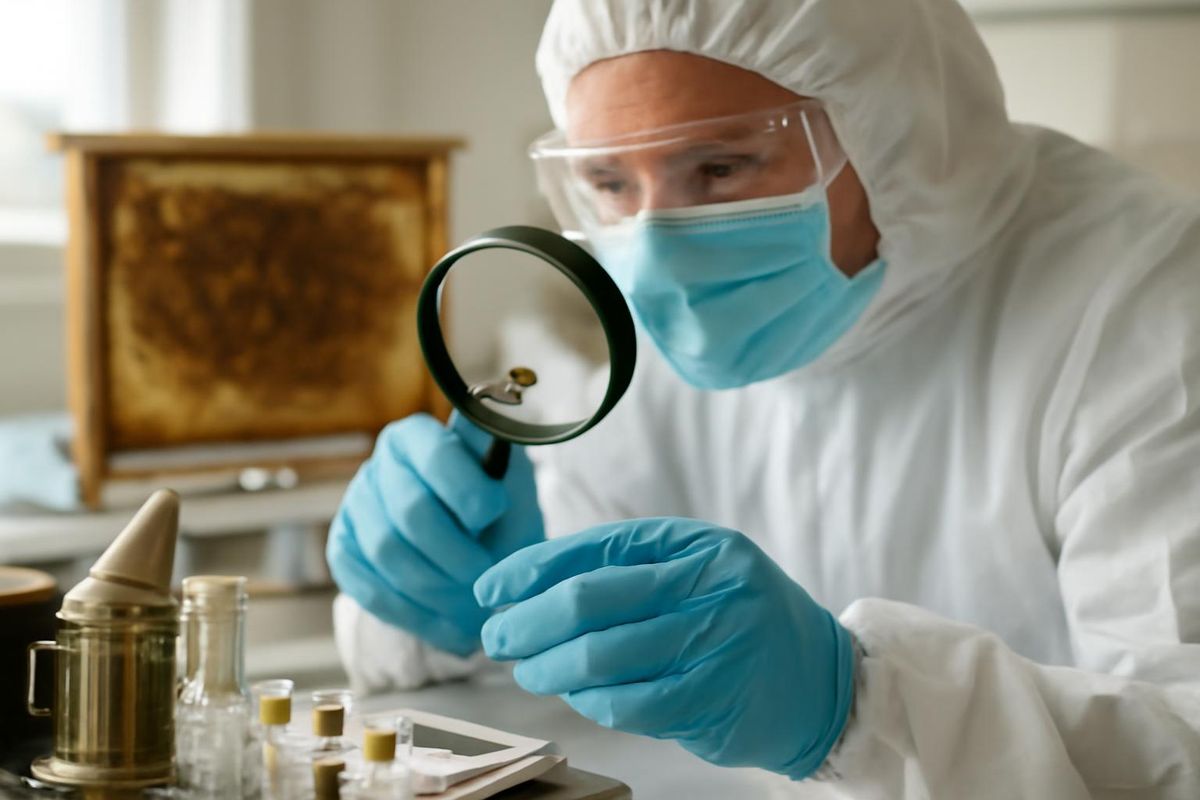
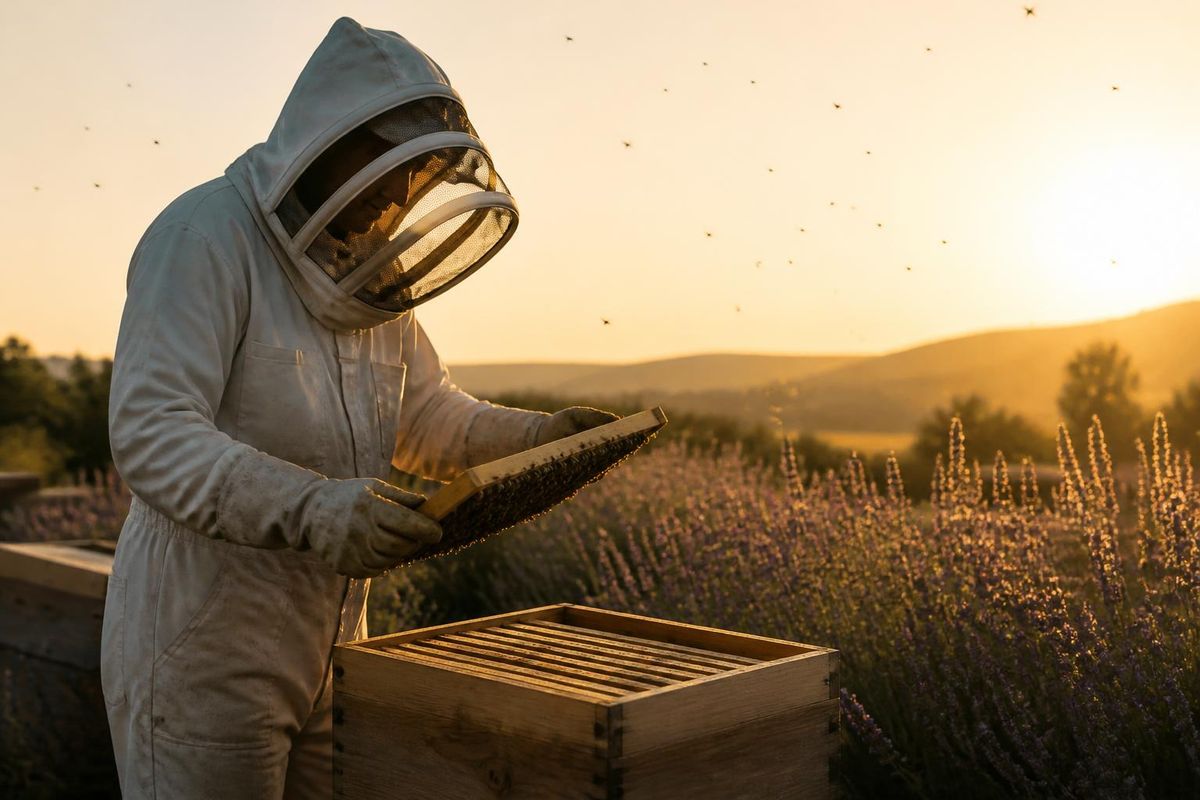
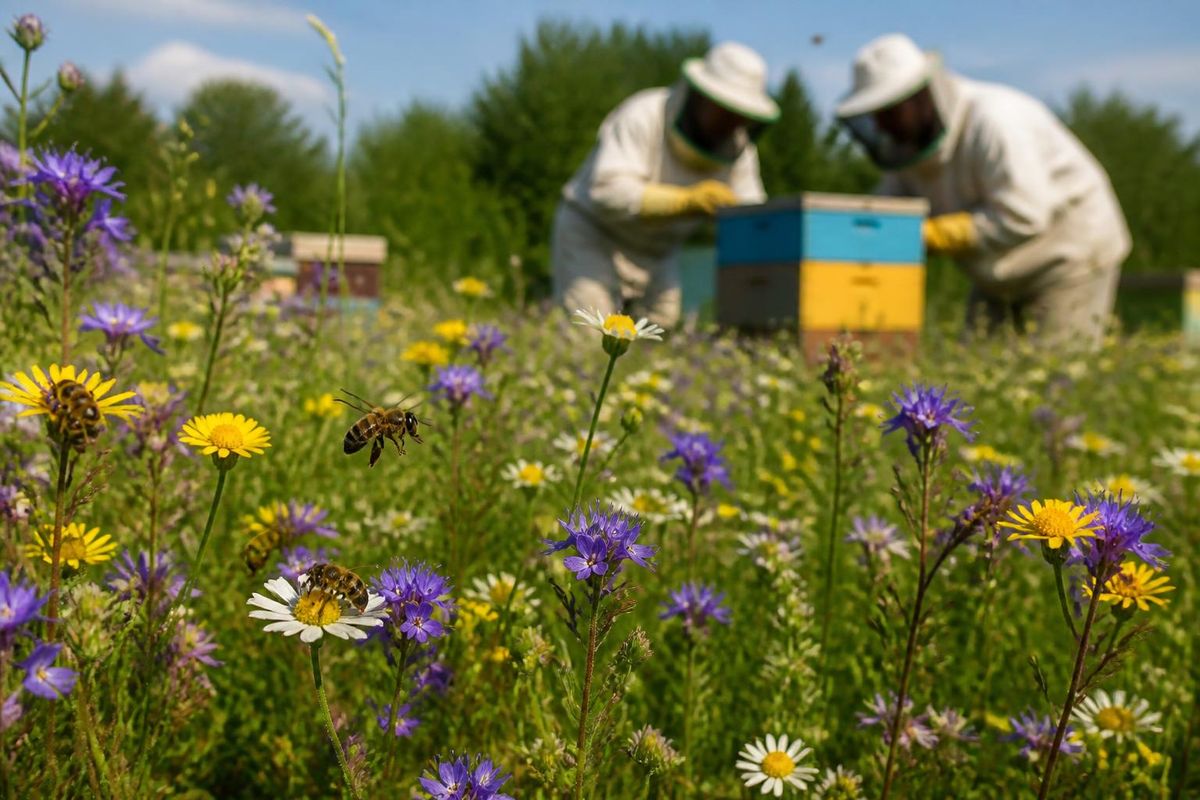
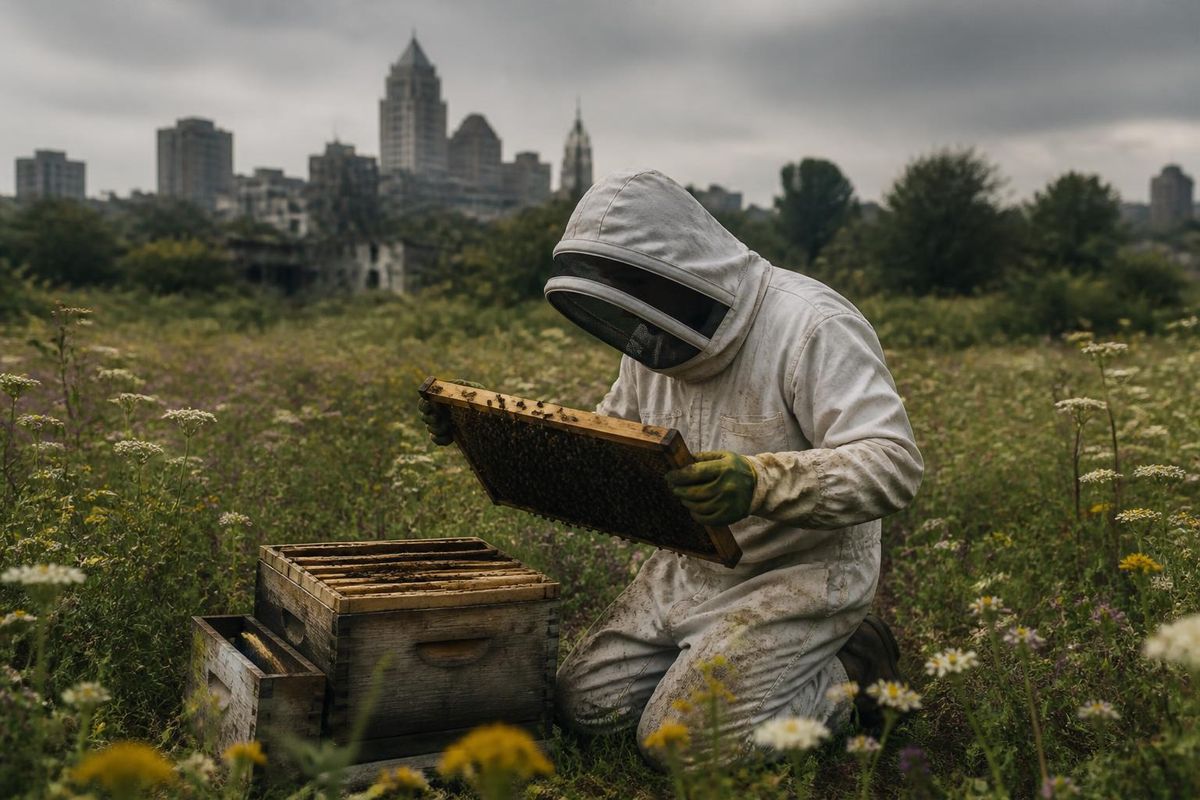
On Sunday, April 3, 2026, at the University of Georgia's veterinary hospital, students are learning to care for a diverse range of animals, including dogs and horses. However, on this particular day, Dr. Jörg Mayer, an exotic animal veterinarian, is teaching students how to conduct home visits for a group of patients that rarely visit the hospital: honeybees. Dressed in protective gear, the students prepared to examine numerous hives for signs of disease, such as deformed wings and parasitic mites, which pose significant threats to the bees and, consequently, to food supplies. Honeybees are crucial for agriculture, pollinating crops worth approximately $15 billion annually, but they face increasing dangers from parasites, climate change, pesticides, and malnutrition. In the 2024-2025 season, the U.S. lost over half of its managed honeybee colonies, prompting beekeepers like Bob Binnie to fight to keep their bees alive.
Read the full article at the source →
Source: diario.mx
This page is a short summary of the article; copyright belongs to the original source.
🏷️ Bee Diseases