Honey bee populations increase despite ongoing health challenges.

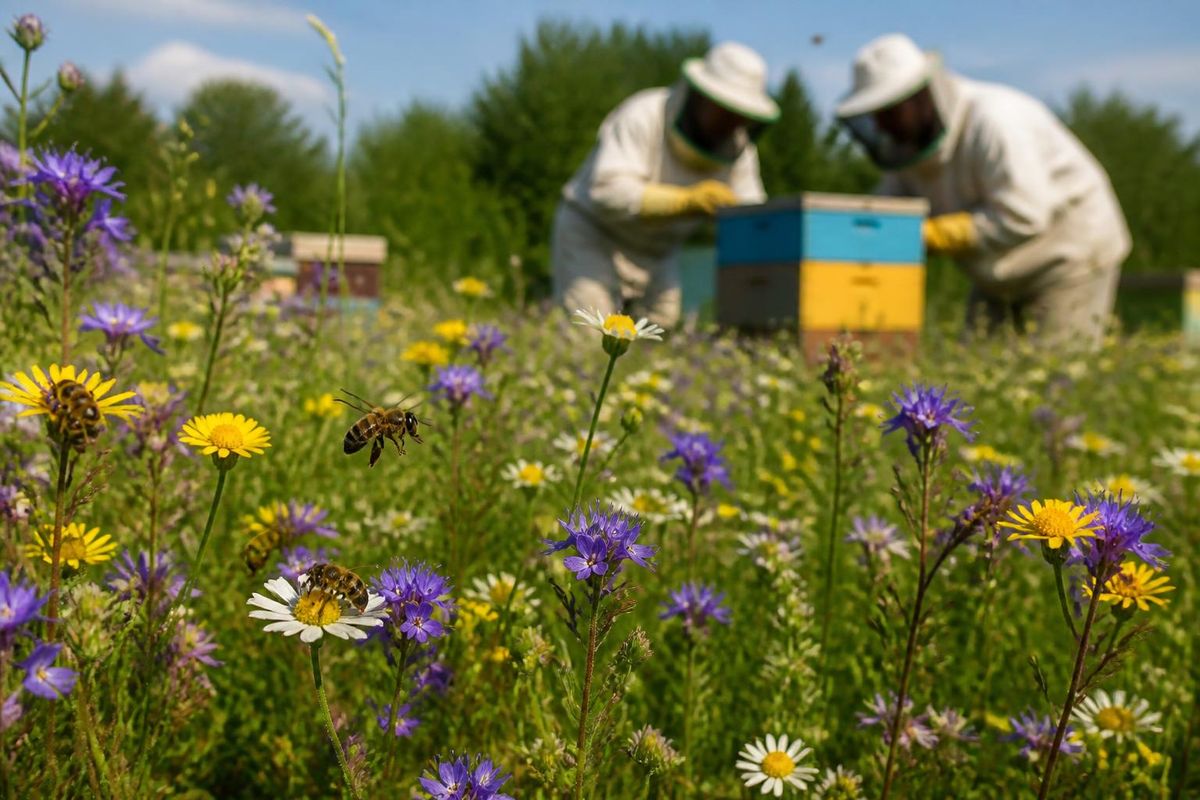
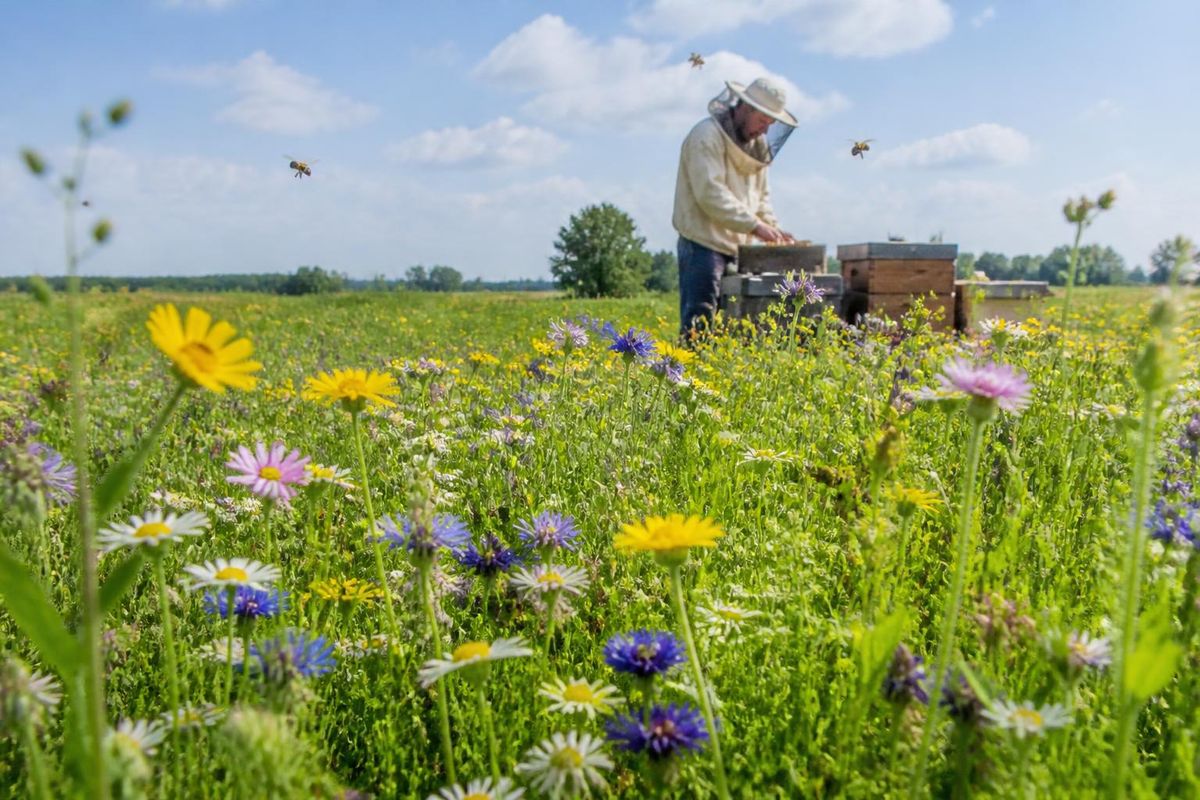
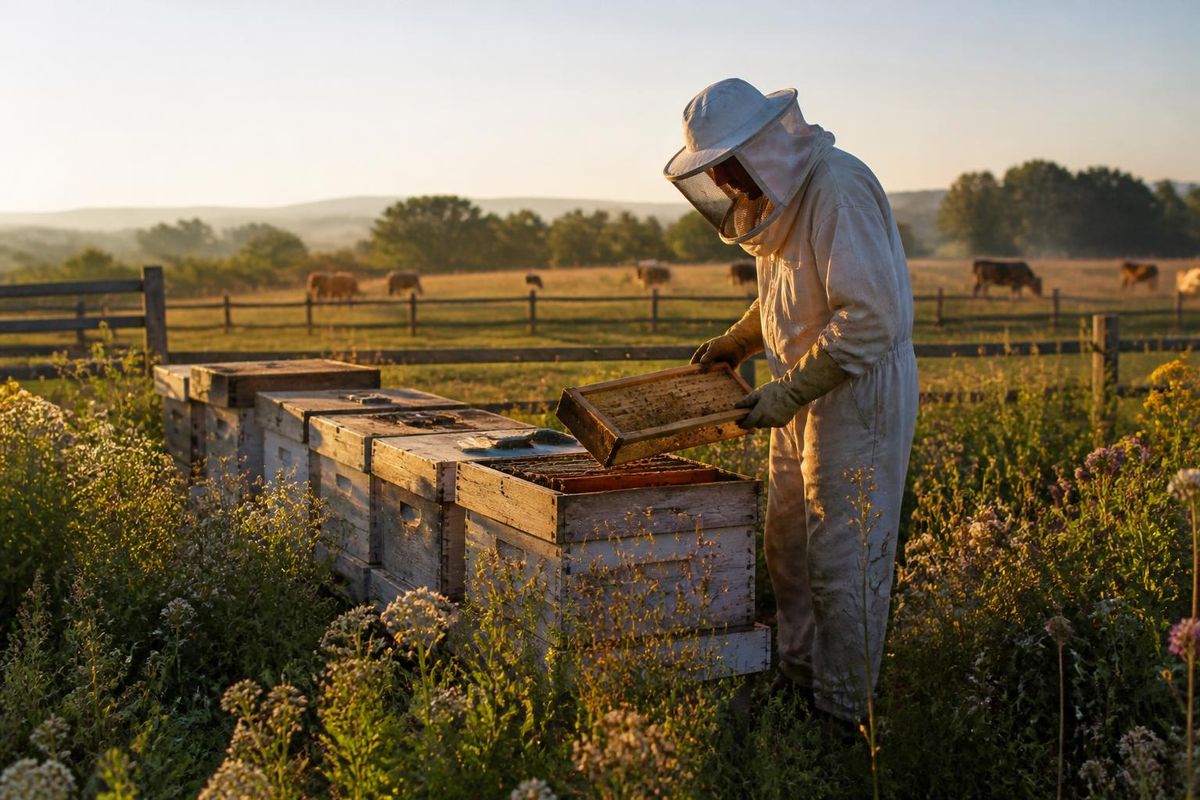
WASHINGTON, D.C. (RFD News) — As 2026 begins, the number of U.S. honey bee colonies has risen, yet commercial beekeepers still face significant challenges from losses and health issues. According to the USDA’s National Agricultural Statistics Service ( PDF Version ), operations with a minimum of five colonies started the year with 2.81 million colonies, marking a 6 percent increase from the previous year. However, losses were considerable in the first half, with beekeepers losing 16 percent of colonies from January to March and an additional 11 percent in the second quarter, necessitating extensive replacement efforts. Beekeepers added more colonies than they lost in both quarters, often requeening or introducing new bees through nucleus colonies and packages. Varroa mites were the primary health threat, impacting over 20 percent of colonies early in the year and more than 25 percent in spring. Although losses from Colony Collapse Disorder decreased compared to last year, sustaining the increased colony count will demand substantial labor and costs. Producers will need to monitor mite levels, forage availability, weather, and replacement expenses for the rest of the season.
Read the full article at the source →
Source: rfdtv.com
This page is a short summary of the article; copyright belongs to the original source.
🏷️ Varroa