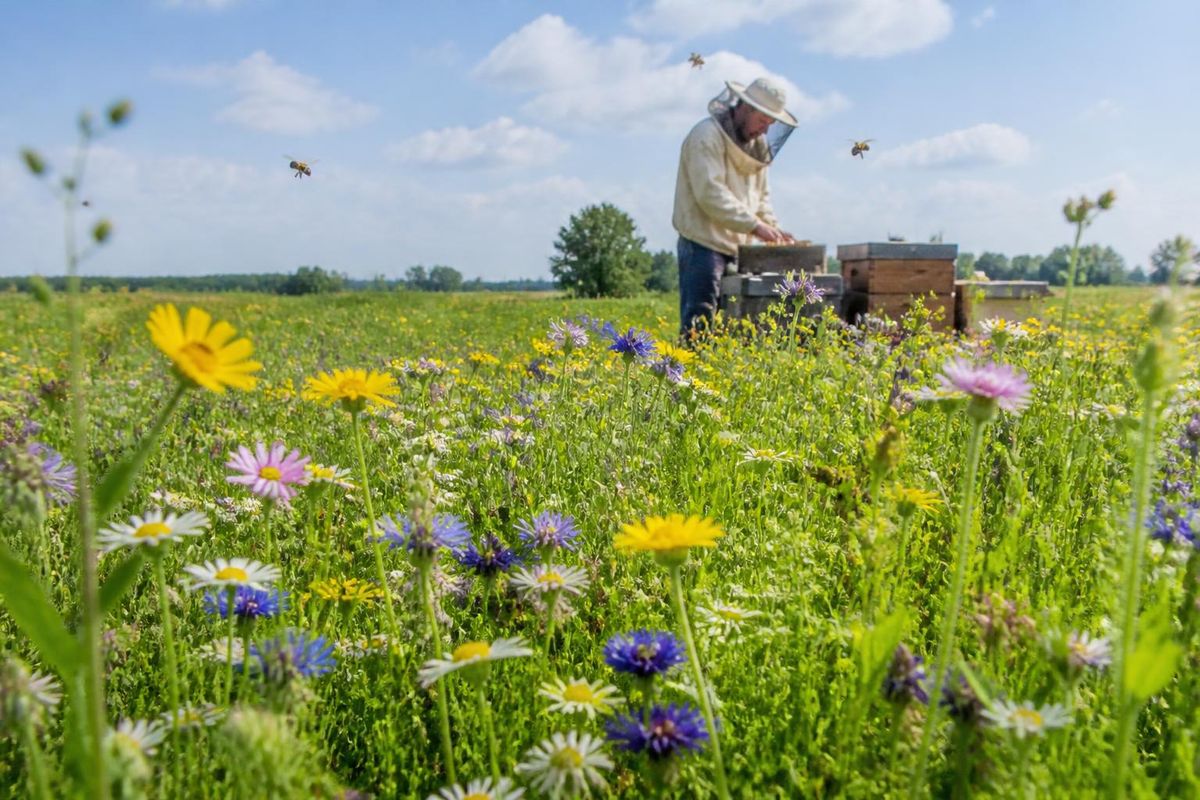
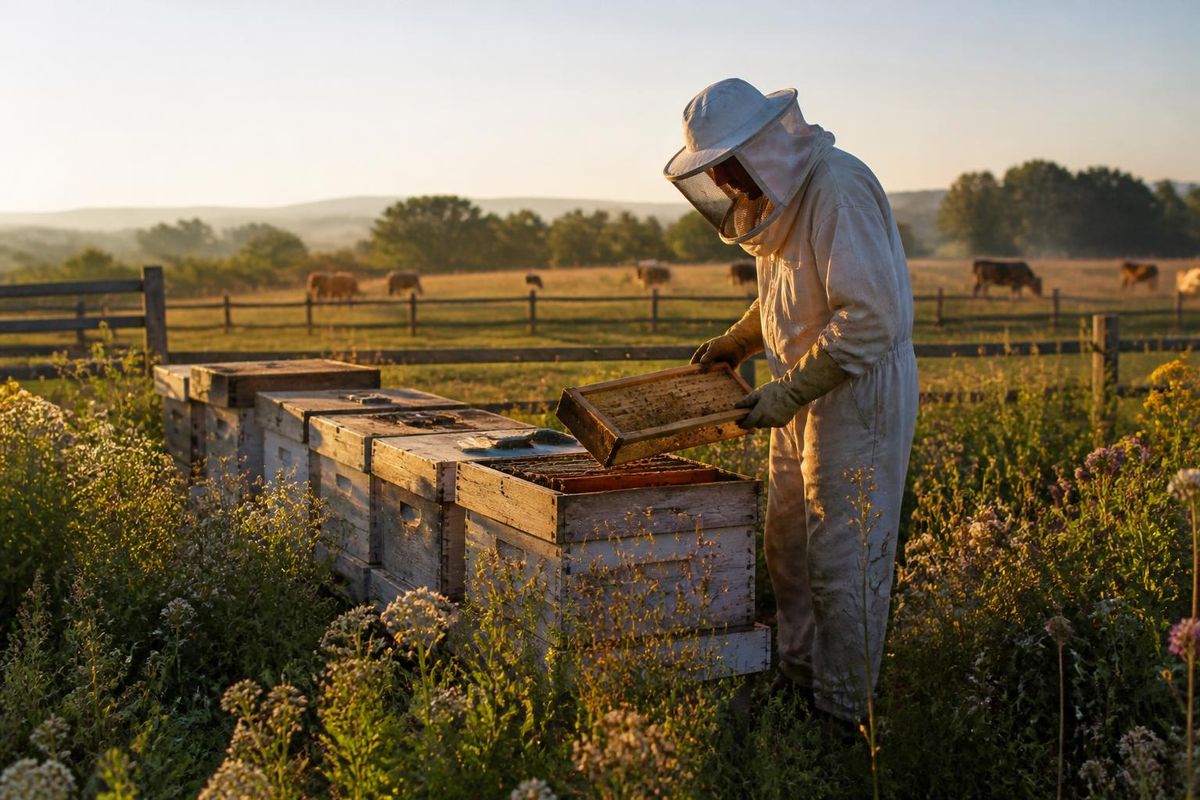
Honeybee gut symbiont's colibactin aids in pathogen defense.
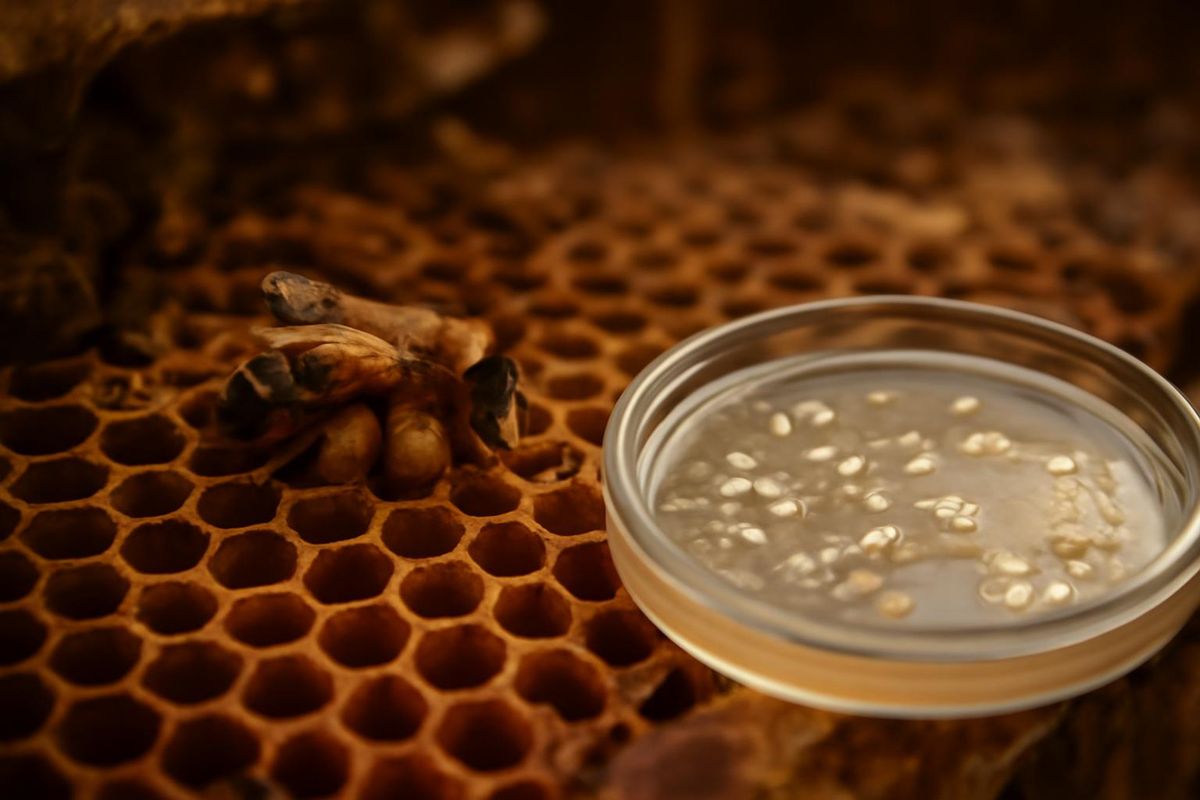
Colibactin, a bacterial genotoxin associated with DNA damage and colorectal cancer, plays a role in interbacterial competition, though its function in natural microbiomes remains uncertain. Research indicates that Frischella perrara, a colibactin-producing symbiont found exclusively in honeybee guts, can reduce bee lifespan while enhancing survival against the pathogen Serratia marcescens. Mutants of F. perrara that do not produce colibactin do not confer this survival advantage. The symbiont lowers pathogen levels through colibactin-induced DNA damage and prophage activation, with colibactin proving toxic to the pathogen in the bee gut's anoxic environment.
Read the full article at the source →
Source: nature.com
This page is a short summary of the article; copyright belongs to the original source.