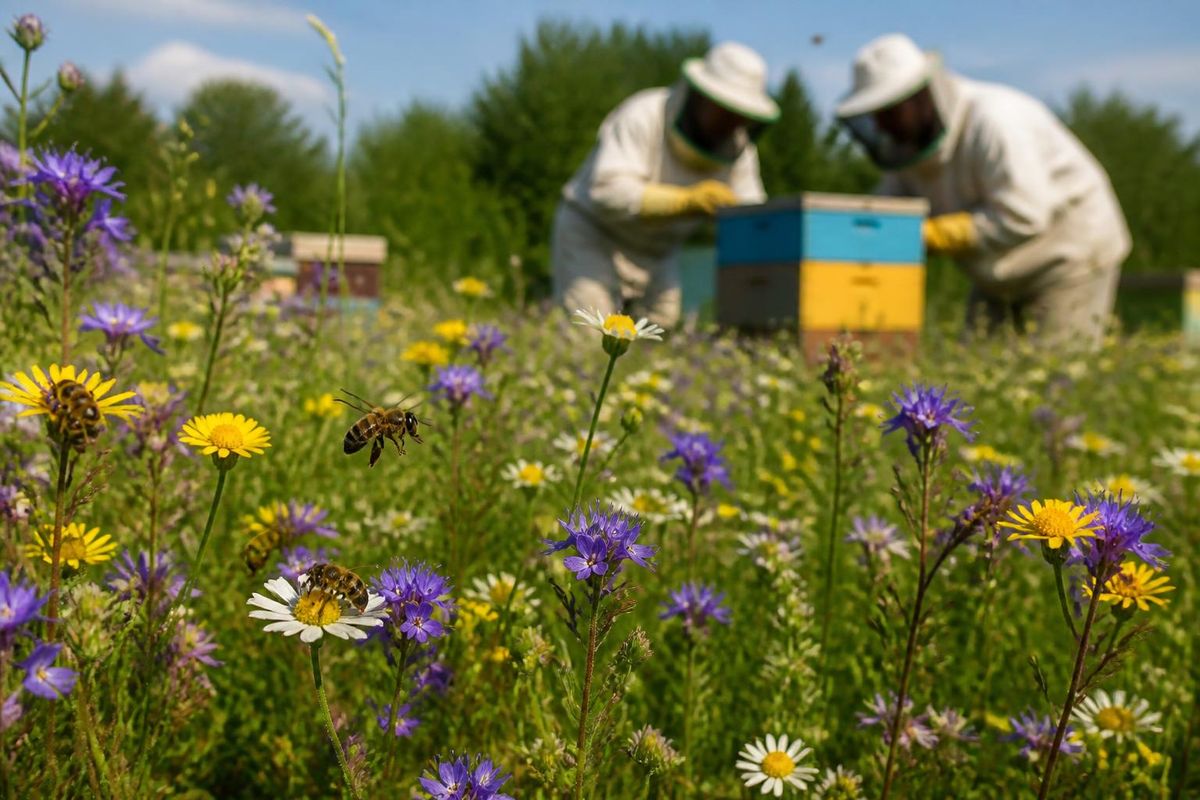
For decades, Varroa destructor has been the primary focus regarding honey bee health,…
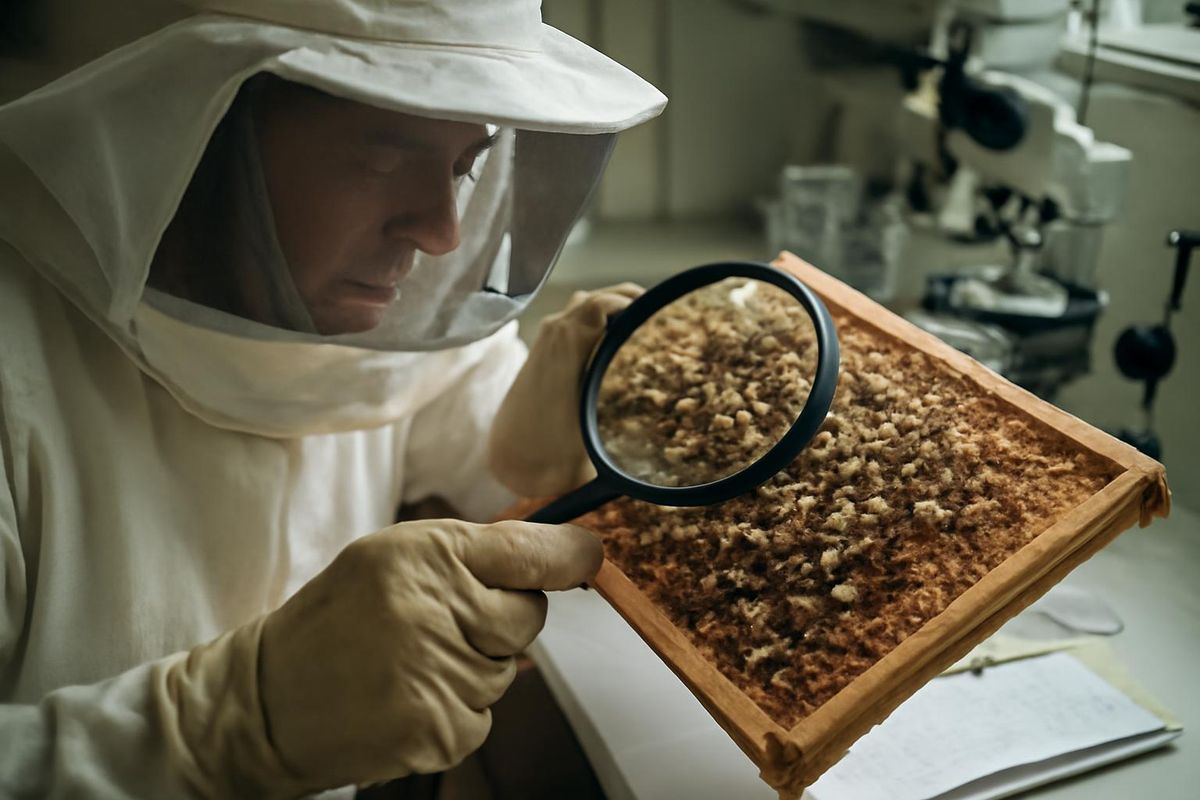
For decades, Varroa destructor has been the primary focus regarding honey bee health, particularly in the Northern Hemisphere, where it is a leading cause of colony loss. However, this attention may soon shift to a new threat: the Asian mite Tropilaelaps mercedesae, which is spreading westward and poses an equally significant, if not greater, risk. These reddish-brown parasites, measuring about 1 mm, live outside their hosts and include four species, with only T. mercedesae and T. clareae infesting honey bees (Apis mellifera). Unlike their original hosts, the giant honey bees (Apis dorsata and Apis laboriosa), which can manage infestations through grooming and brood removal, A. mellifera lacks effective defense mechanisms.
Read the full article at the source →
Source: bienenzeitung.ch
This page is a short summary of the article; copyright belongs to the original source.
🏷️ Varroa