In 1984, NASA's STS-41-C mission successfully transported 3,300 honeybees aboard the…
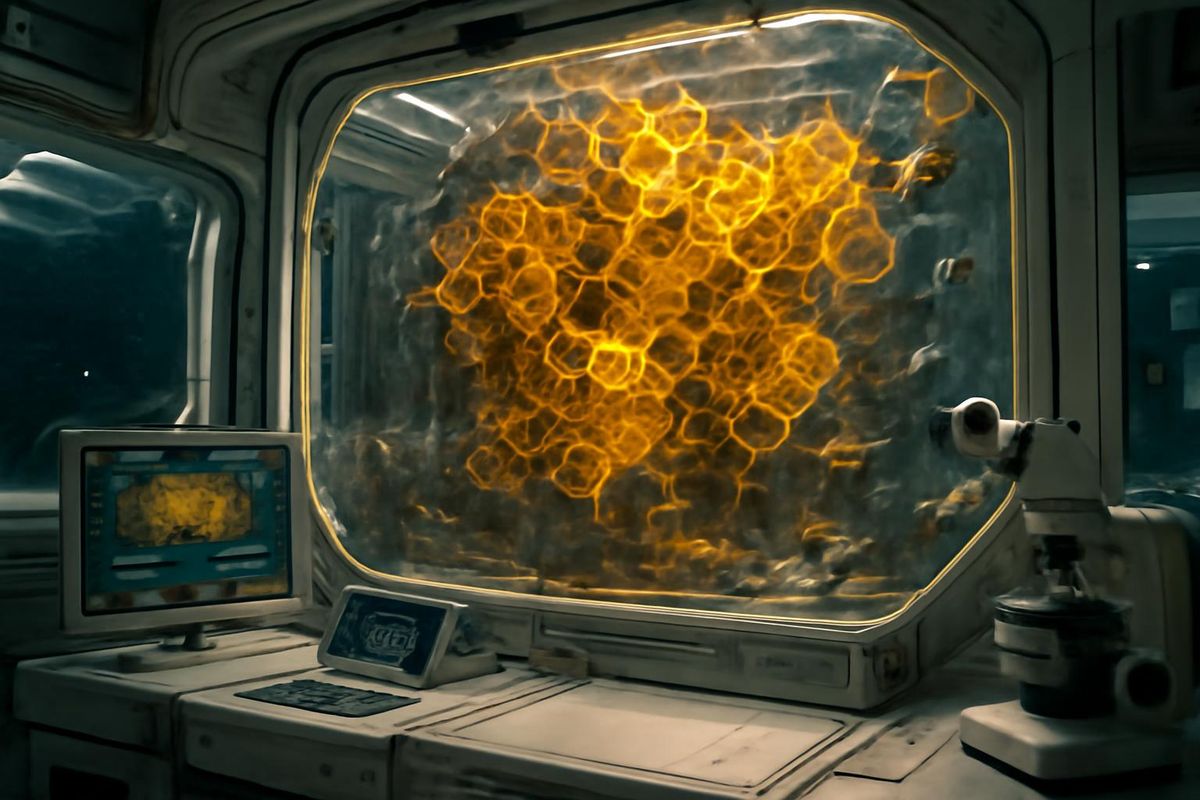
In 1984, NASA's STS-41-C mission successfully transported 3,300 honeybees aboard the Challenger space shuttle, achieving remarkable results. Designed to test biological adaptation in space, the colony maintained vital biological processes despite losing gravitational orientation.
Initially disoriented and struggling to navigate, the bees quickly adapted to their environment. Research data revealed that during the mission, the colony constructed approximately 200 square centimeters of perfect hexagonal honeycomb. Additionally, the queen bee laid 35 eggs, demonstrating that essential activities continued uninterrupted in orbit, proving that reproduction can occur even in microgravity.
Read the full article at the source →
Source: batiakdeniztv.com
This page is a short summary of the article; copyright belongs to the original source.
🏷️ Queen Bee