One of the earliest forms of beekeeping is European forest beekeeping, or borte, which was…
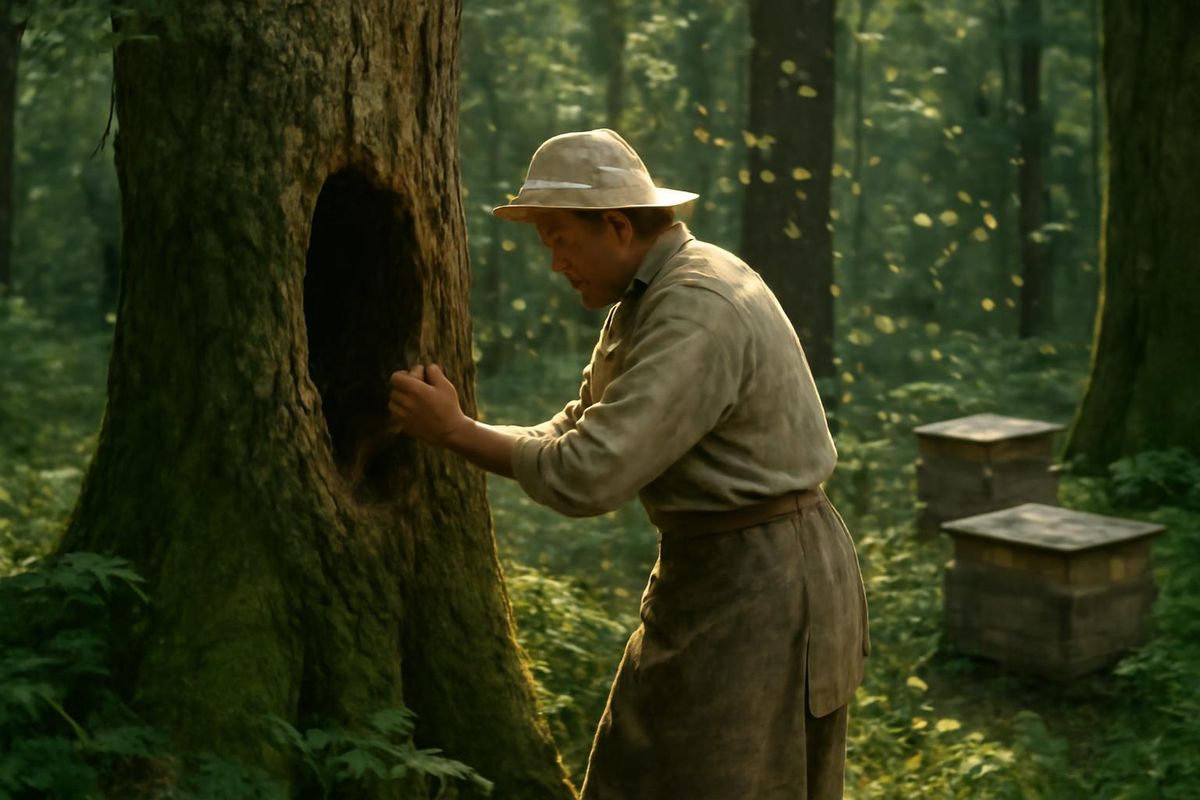
One of the earliest forms of beekeeping is European forest beekeeping, or borte, which was prevalent from modern Germany to the Ural Mountains. This practice involves creating artificial cavities in living trees for wild swarms. Over time, borte led to the development of log hives. It is important to distinguish between the side-opening log hives used by southern Slavs and Germans and the tree hollows that likely inspired Mediterranean-style ceramic and basket hives. The oldest archaeological find related to forest beekeeping is a well-preserved borte tree from the 1st century BC, discovered at the border of Poland and Germany (Mazak, 1975). The earliest evidence of beekeeping in the Volga-Kama region is a set of tools from the 5th century AD found in the Birsk burial ground in Bashkortostan (Majitov, 1973; Vakhitov, 1992).
Read the full article at the source →
Source: beejournal.ru
This page is a short summary of the article; copyright belongs to the original source.
🏷️ Swarming