Spring Brings Increased Swarming and Supersedure in Queensland Bees
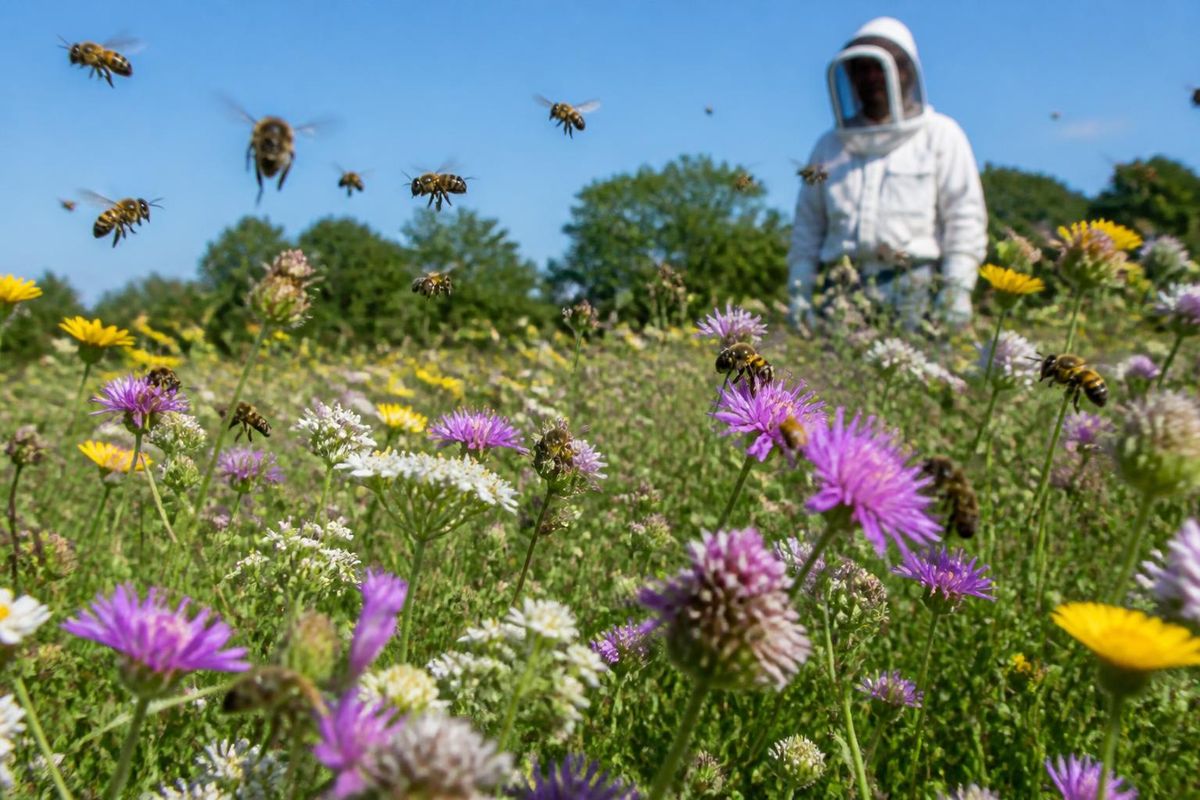
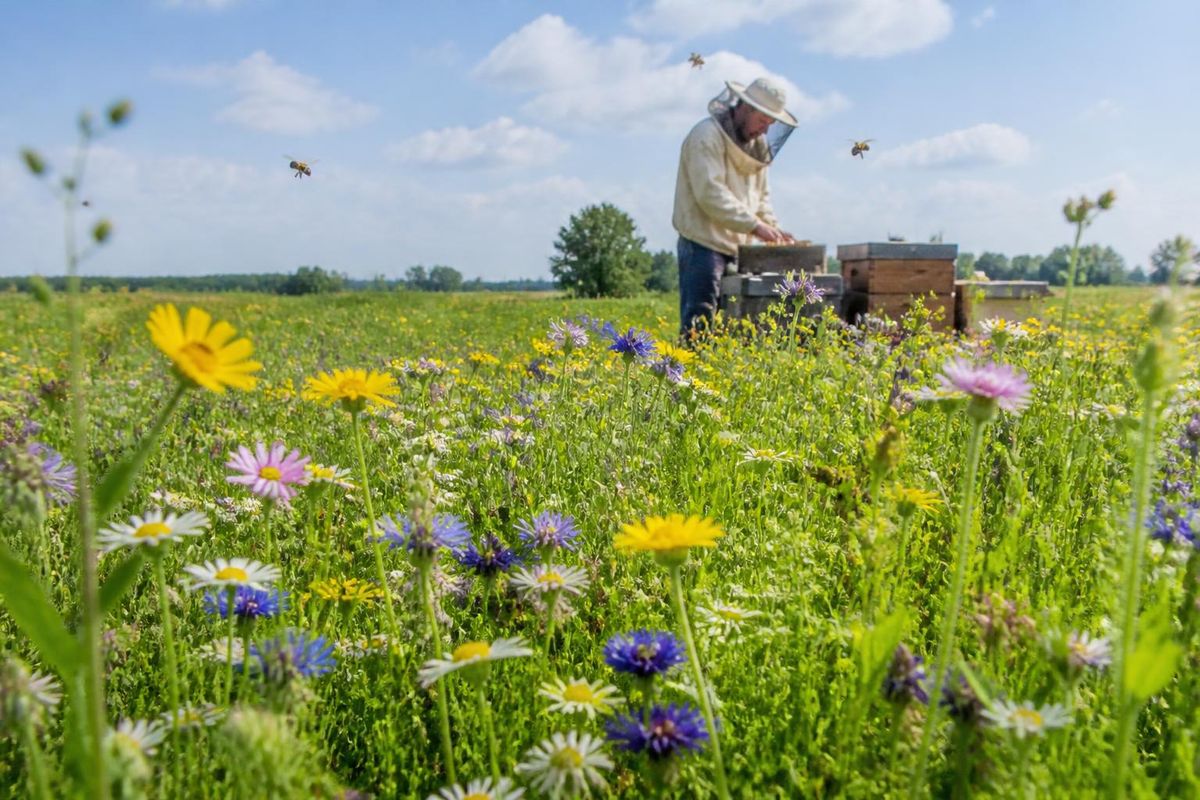
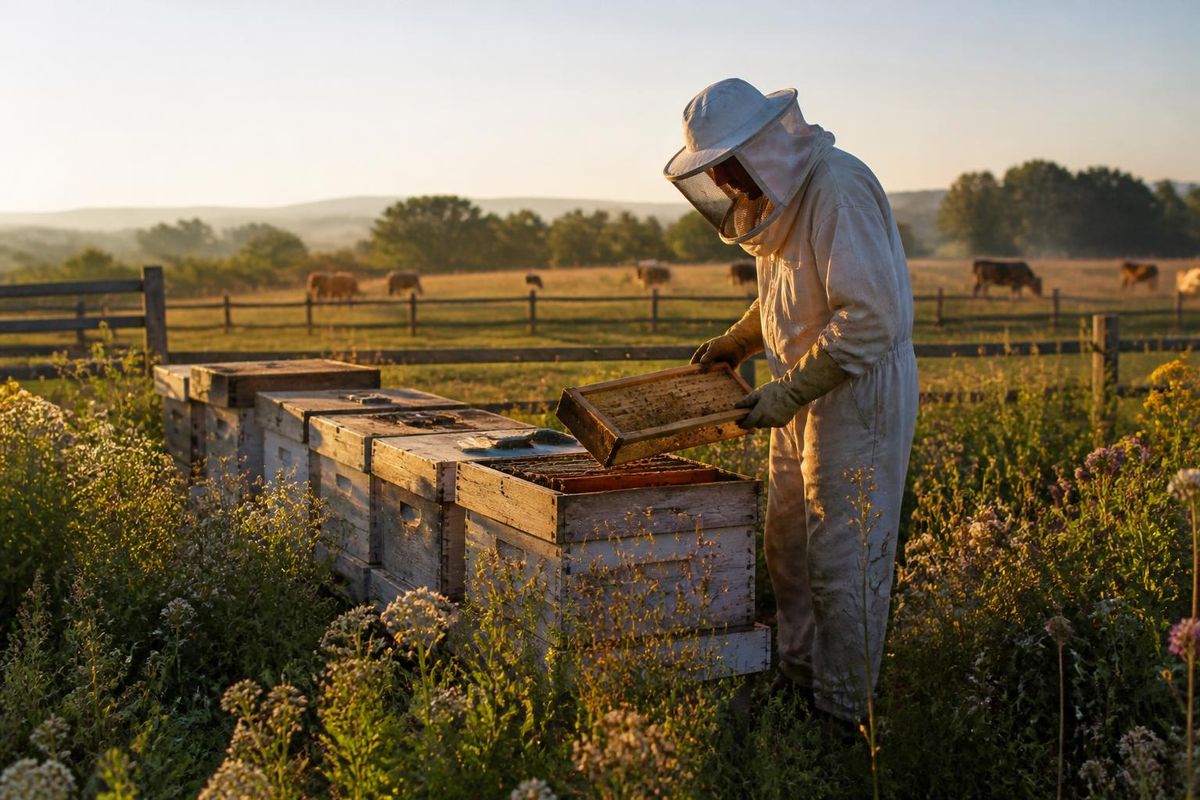
Hampson Honey at Jimboomba has experienced an unusual rise in supersedure this spring. Following a challenging year and a half since the varroa mite was first detected in Queensland, beekeepers are observing higher than normal levels of swarming and supersedure. Swarming occurs when a colony divides into two, while supersedure is the replacement of an existing queen within the same colony.
Although no single cause explains this trend, the varroa mite led some colonies to replace their queens during winter. The varroa mite is a small red-brown parasite that attacks honey bees, affecting an estimated 90% of wild honey bee colonies in southeast Queensland.
Read the full article at the source →
Source: mycitylogan.com.au
This page is a short summary of the article; copyright belongs to the original source.
🏷️ Varroa