By producing a trill followed by a growl, honey hunters in Mozambique have doubled the chances…
🌐 Original language: French
📰 Source: sciencepost.fr
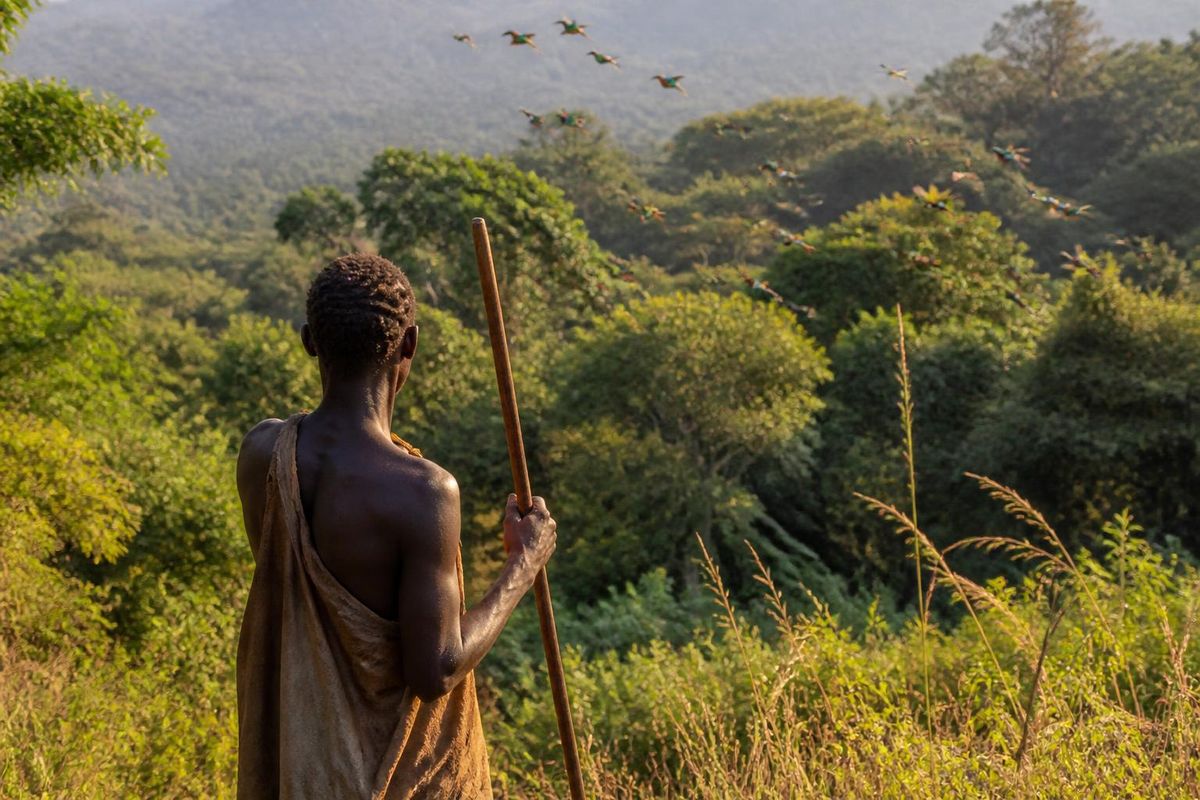
By producing a trill followed by a growl, honey hunters in Mozambique have doubled the chances that a wild bird leads them to hives. In the Niassa National Reserve, the probability of being guided rose from 33% to 66% when the bird heard this specific call instead of control sounds. The study, published in Science on July 22, 2016, by Claire Spottiswoode, Keith Begg, and Colleen Begg, identifies the bird as the greater honeyguide (Indicator indicator), about the size of a starling, which flies from tree to tree indicating the location of bee nests hidden in trunks.
Read the full article at the source →
Source: sciencepost.fr
This page is a short summary of the article; copyright belongs to the original source.