How To Support Solitary Bees Thyra McKelvie
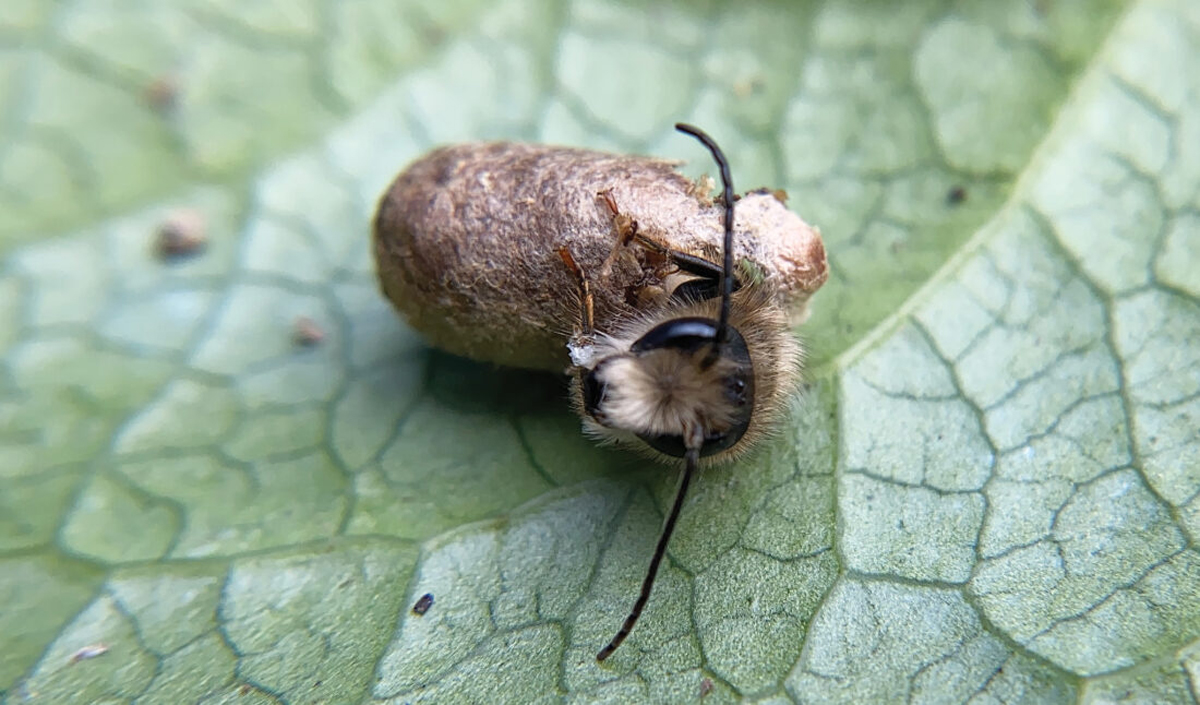
Supporting Solitary Bees in Your Garden
Learn how to support solitary bees and create a home for the native bee populations in your area. Solitary bees are becoming essential pollinators for food and ecosystems. Unlike social honeybees, solitary bees live and work alone, foraging for their own food and laying their own eggs. They comprise around 90 percent of the bee population, with popular types including mason bees and leafcutter bees.
Springtime Is for Mason Bees
Mason bees are spring pollinators that emerge when temperatures reach about 55 degrees Fahrenheit. They use mud to construct their nests and seal them with mud walls. A female mason bee will lay about 15 eggs in her lifetime, and males and females live only 4 to 6 weeks after emerging.
Read the full article at the source →
Source: motherearthnews.com
This page is a short summary of the article; copyright belongs to the original source.